


Rosewood Storage Chest
A rosewood storage chest brings dense grain, dark warmth and secure compartments into a room, spanning tea caddies, commodes and ottomans.
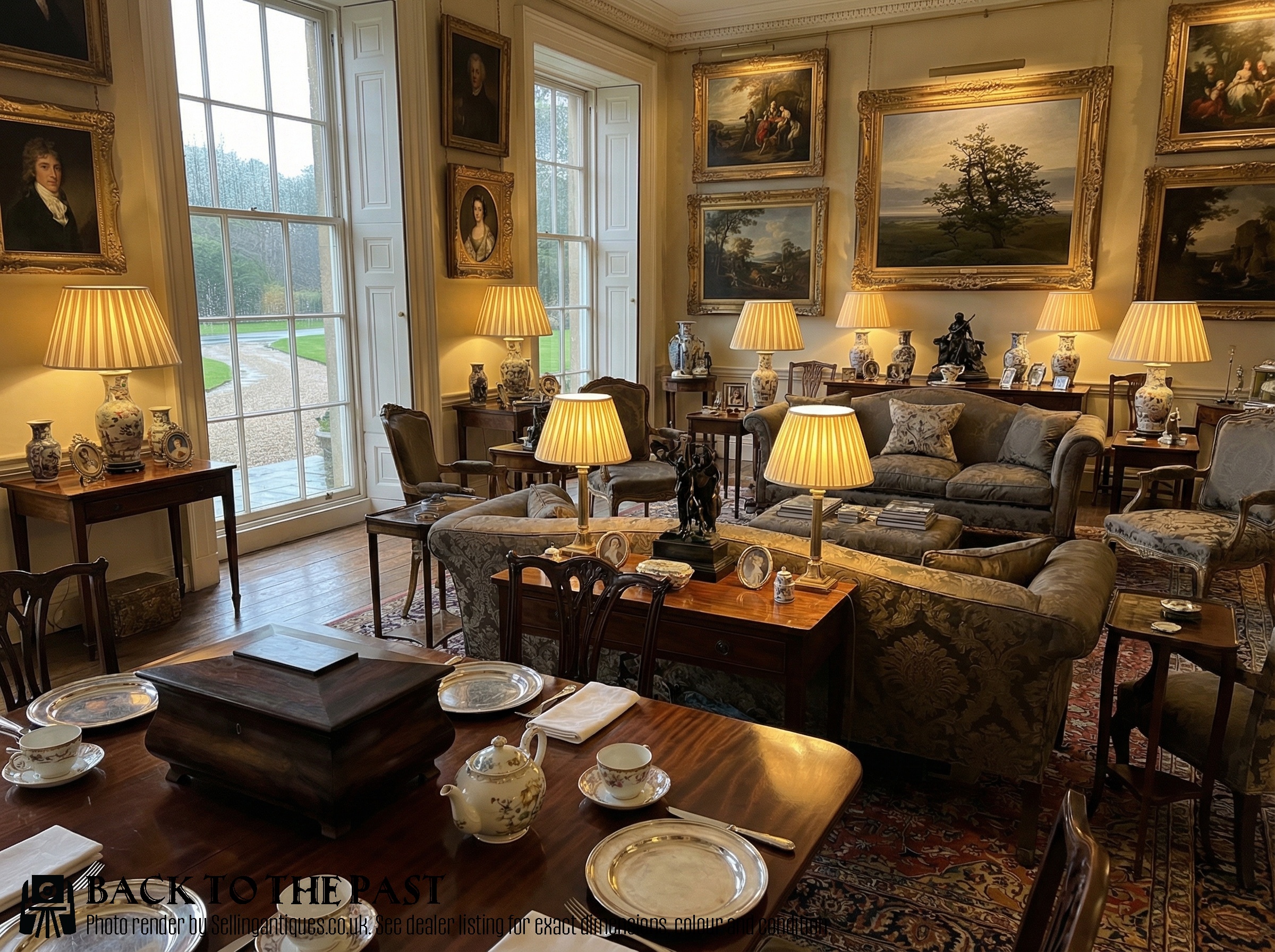
Rosewood Storage Chest
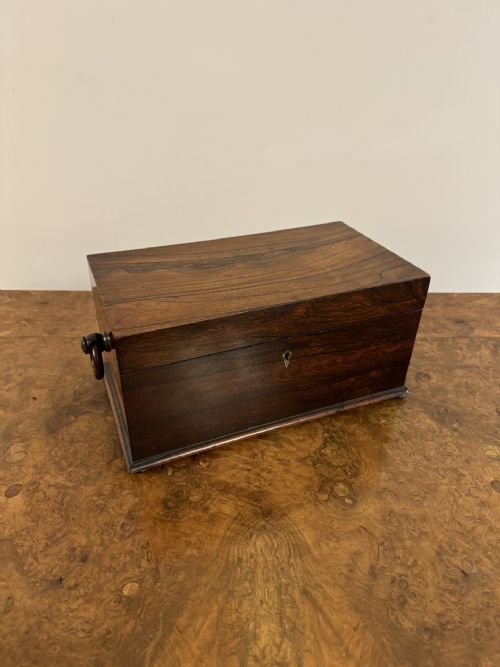
When you search for a rosewood storage chest, you encounter a diverse group of containers and small case furniture designed to hold precious items, linens or documents. The selection spans compact tabletop tea caddies and trinket boxes alongside larger commodes, cabinets and ottomans.
The pieces on this page originate predominantly from the Regency and Victorian eras, alongside 18th century French examples and early 20th century cabinets. English sarcophagus tea caddies and Wellington chests sit alongside continental marble-topped commodes and Zanzibar chests.
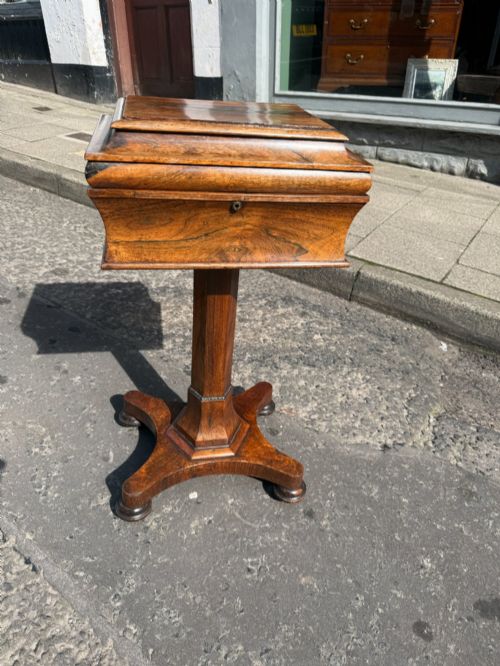
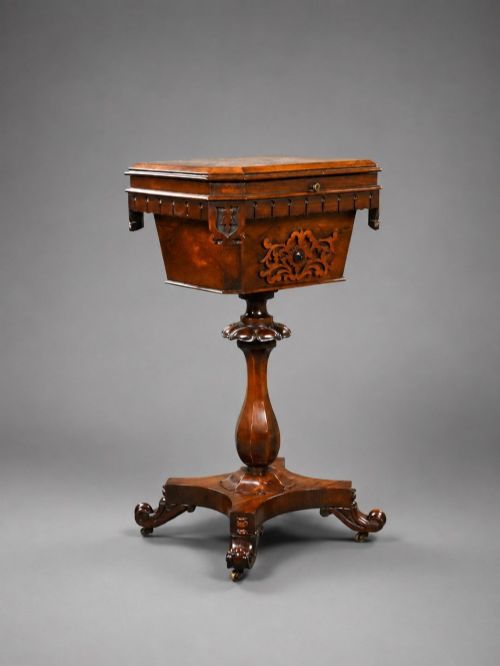
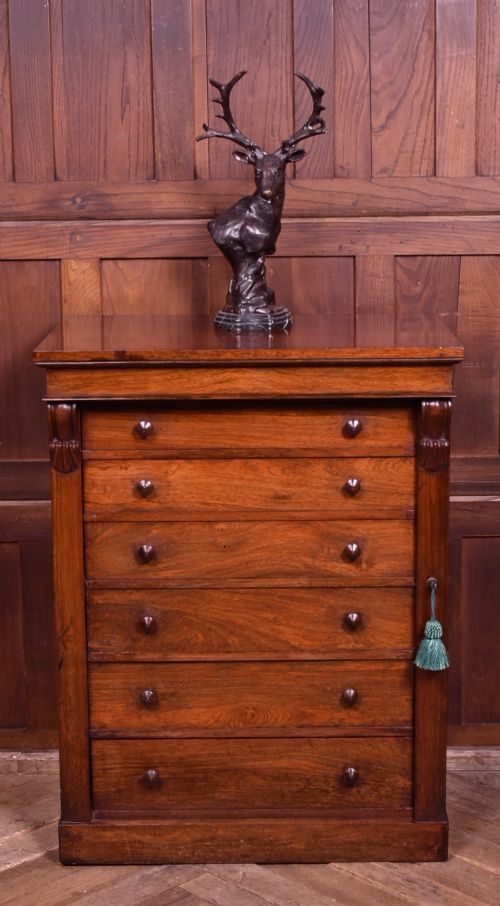
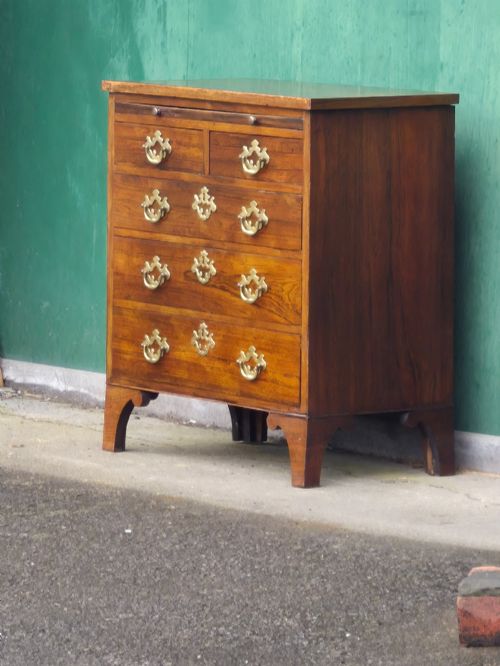
Tea caddies and teapoys form a significant portion of these listings, often featuring sarcophagus shapes, fitted interiors and lion mask handles. Larger chests of drawers, music cabinets and ottomans represent the domestic storage needs of the 19th century.
Materials and Technique
Cabinet makers utilised dense tropical rosewood veneers and solid timbers, frequently highlighting the rich, dark grain figures across flat panels and curved surfaces. Artisans combined this primary dark wood with contrasting stringing and banding in boxwood, satinwood and tulipwood.
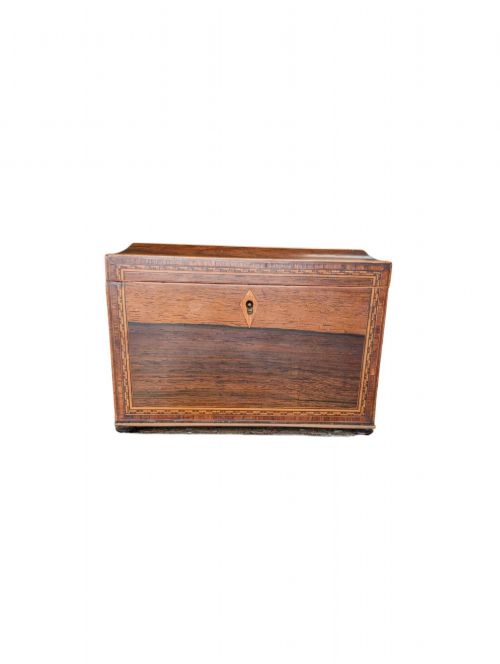
Decoration relied heavily on intricate marquetry, parquetry and Tunbridge Ware mosaic patterns, embedding geometric motifs or floral designs directly into the wooden carcasses. Metalwork played a structural and decorative role, incorporating cast brass handles, ormolu mounts and working locks with keys.
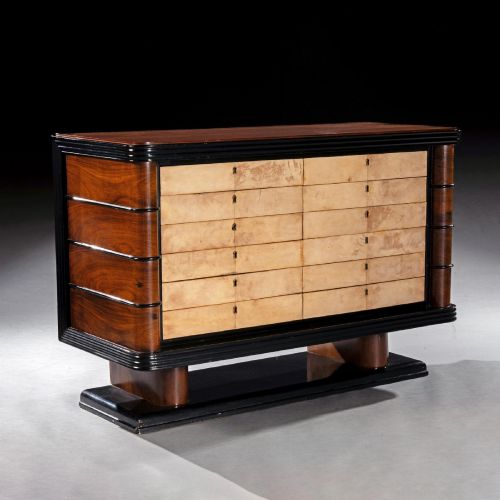
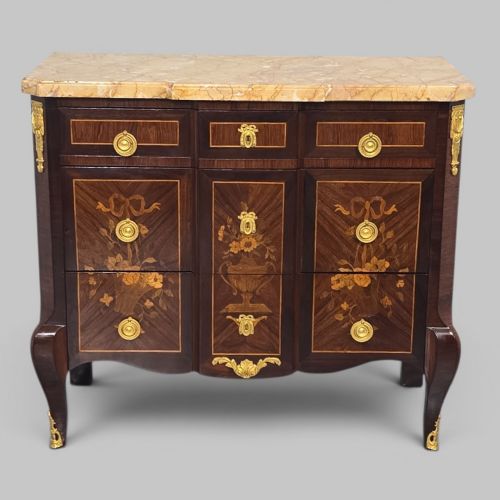
Many larger commodes and cabinets feature heavy slab marble tops in white or coloured stone, fitted neatly onto the wooden frames. Interiors often incorporate secondary woods, parchment-covered drawers, silk linings and compartmentalised lift-out trays for loose leaf tea or jewellery.
Listings feature rosewood combined with materials including brass, marble, boxwood, kingwood, walnut, ormolu and mother of pearl.
Craftsmanship and Preservation
Quality rests in the precision of the cabinet work, from the tightness of the marquetry and parquetry inlays to the crispness of the brass mounts and lion mask handles. Superior pieces maintain original fitted interiors, functioning locks and undamaged marble tops without replacement elements.
The handling of the rosewood timber itself dictates the visual impact, where balanced grain matching across surfaces denotes superior workshop standards. Finer examples display meticulous attention to secondary details such as crossbanded edges, satinwood stringing and preserved velvet or paper linings.
The Rosewood Storage Chest Glossary
- Sarcophagus
- A box or container shape featuring a stepped or domed lid sloping down to a rectangular base, frequently utilised for Regency tea caddies and storage chests. This classical architectural form mimics ancient stone tombs.
- Teapoy
- A small stand or pedestal chest designed specifically to hold tea canisters and a mixing bowl, standing on a central pillar or legs. These pieces gained popularity during the Regency and William IV periods.
- Marquetry
- The art of applying decorative veneer pieces in wood, shell or ivory onto a structural carcass to form pictorial or geometric designs. Elaborate floral patterns often adorn French commodes and English boxes.
- Parquetry
- A geometric mosaic of wood pieces used for accenting furniture surfaces, commonly seen in repeating cube or diagonal patterns on tea caddies. It differs from marquetry by adhering to strict geometric tiling.
- Cellarette
- A lockable container or cabinet built to hold bottles of wine or spirits securely within a dining room. These sturdy storage pieces often incorporate fitted interior dividers.
Rosewood Storage Chest: Frequently Asked Questions
What did they store inside?
These containers held valuable commodities like loose leaf tea, jewellery, documents, sheet music and personal trinkets. Smaller boxes featured fitted compartments to keep contents separated and secure.
Larger chests and commodes managed domestic linens, clothing and bottled spirits within the private rooms of the house.
How do I date a piece?
Dating relies on stylistic markers such as Regency sarcophagus shapes, William IV proportions, or French Louis XVI and Rococo revival motifs. Construction details like dovetailing, secondary woods and lock types also offer clues.
Makers often integrated period-specific brass hardware, stringing materials and marquetry styles that align with documented manufacturing decades.
Where should I place one?
Tabletop tea caddies and trinket boxes suit sideboards, desks, and mantlepieces where their decorative grain and inlay work remain visible. Larger ottomans and music cabinets function naturally in living rooms and studies.
Commodes and chests serve as statement storage furniture in hallways, bedrooms and reception spaces.
Are the interiors original?
Interiors vary, with some pieces retaining their original fitted compartments, foil linings, or mixing bowls, while others have undergone relining over the decades. Documents or descriptions often note whether silk or paper linings are recent replacements.
Loss of internal canisters or trays is common in antique tea caddies due to centuries of domestic use.