


French Wooden Bedroom Commode
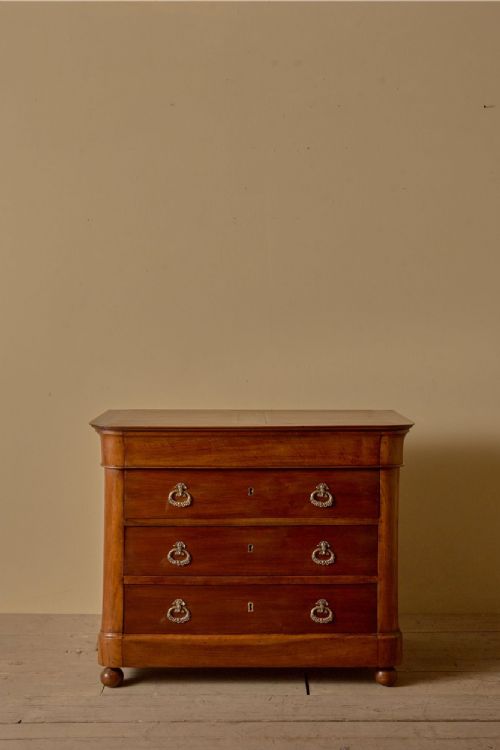
A French wooden bedroom commode offers deep storage topped with marble or timber, anchoring a room with provincial charm.
French Wooden Bedroom Commode
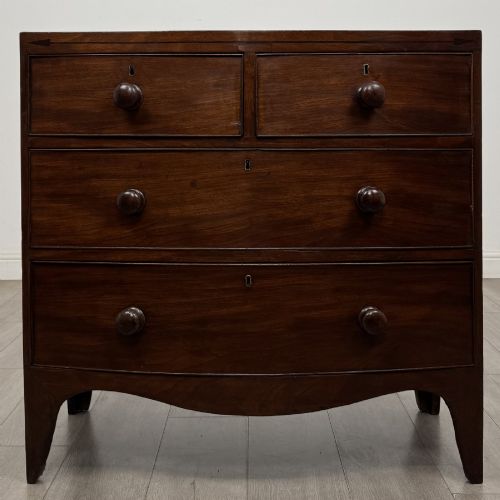
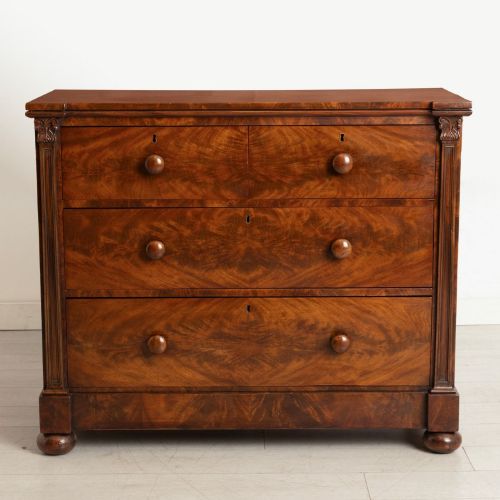
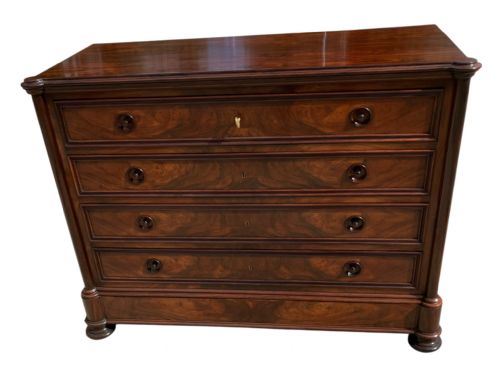
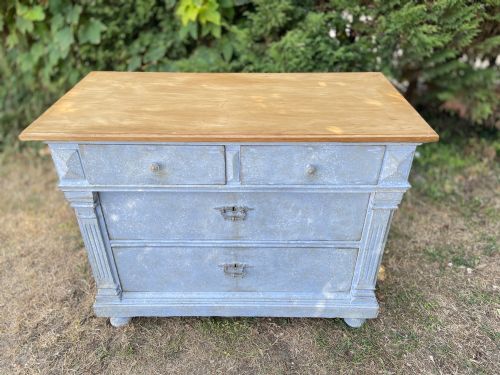
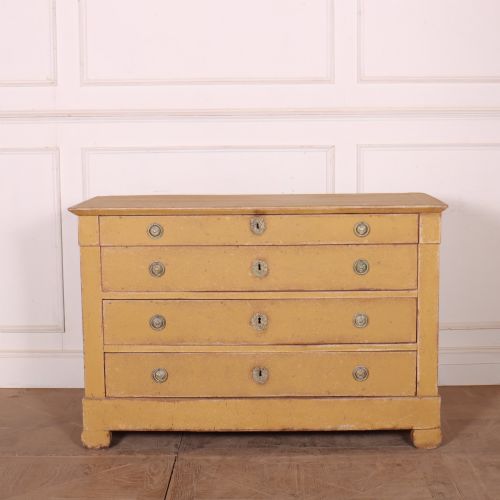
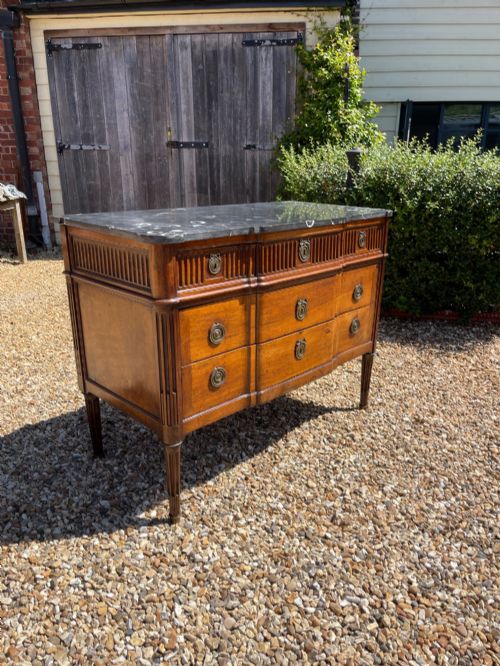
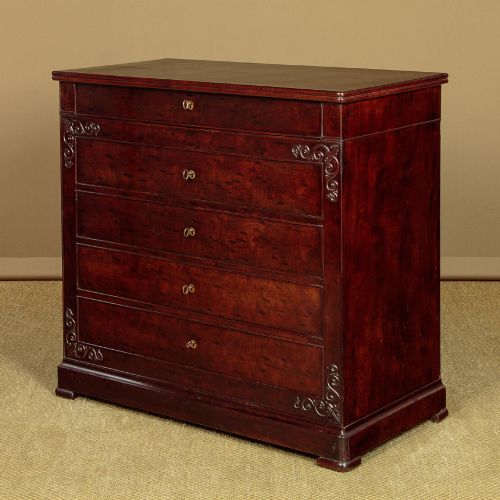
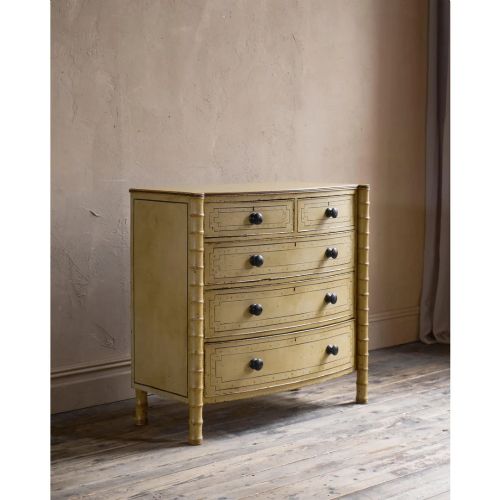
When you search for a French wooden bedroom commode, you encounter low chests of drawers designed for domestic quarters, spanning periods from the eighteenth century into the twentieth century. These storage pieces appear in regional provincial interpretations as well as formal revival designs, functioning primarily as bedroom or hallway cabinetry.
How they were made
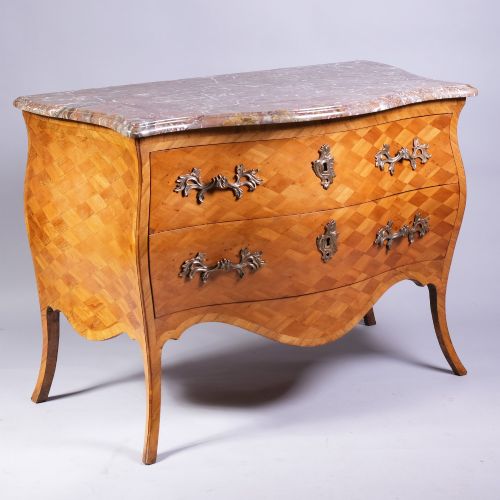
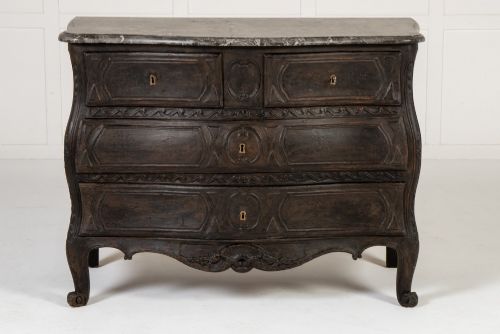
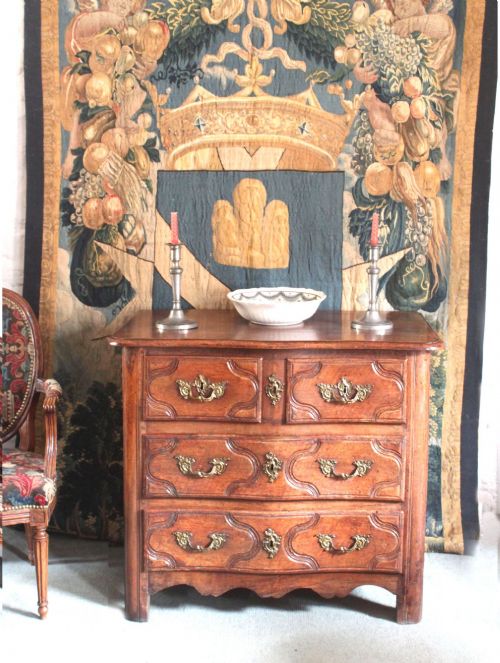
Cabinetmakers constructed these frames using solid and veneered hardwoods including walnut, cherrywood, oak, rosewood, and mahogany. Carpenters shaped drawer fronts into curved serpentine or bombe profiles using hand tools, mounting them over dovetailed carcases.
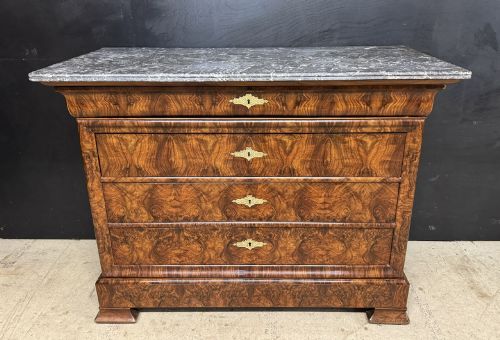
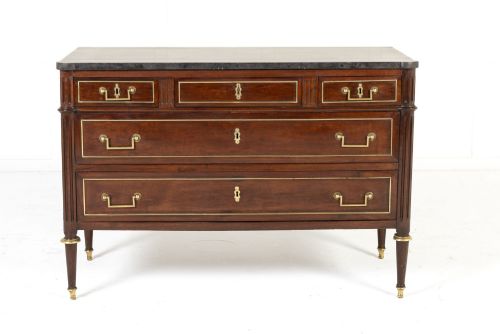
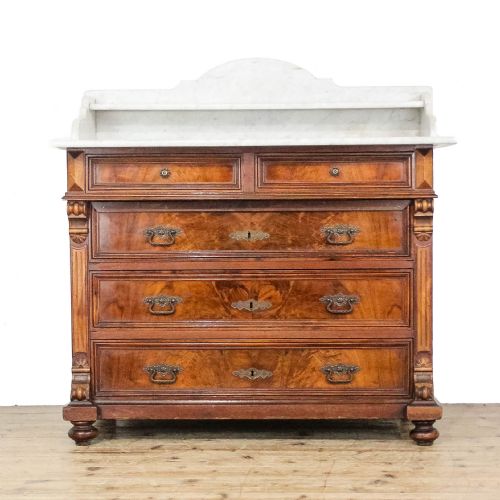
Many examples incorporate heavy stone surfaces such as marble or faux marble tops fitted directly to the timber frame. Brass handles, escutcheons, and mounts accent the wood, while other surfaces receive painted, ebonised, or lacquered finishes.
French Wooden Bedroom Commode Retail Price Guide 2026
Typical asking prices for french wooden bedroom commode among the pieces listed under this phrase on Sellingantiques today, from the lower quarter to the upper quarter. They describe what is for sale here now, not the wider market.
Listings feature timbers including walnut, cherrywood, oak, rosewood, pine, and mahogany, spanning the eighteenth, nineteenth, and twentieth centuries.
What varies in quality
The distinction between standard provincial pieces and high-end cabinetwork lies in the selection of timber veneers and the intricacy of the shaping. Figured timbers such as burr walnut, kingwood, and palisander demonstrate superior material choice compared to basic painted pine or oak.
Execution of complex forms dictates overall standard. Smoothly integrated serpentine curves and bombe bulges require advanced joinery skills, whereas straightforward rectilinear chests represent simpler construction methods.
Edwards and Roberts
The French Wooden Bedroom Commode Glossary
- Bombe
- A bulging, swelling chest profile characteristic of mid-eighteenth-century case furniture. This curved form requires advanced carpentry to construct.
- Serpentine
- A front edge shaped with a central convex curve flanked by concave sweeps. It softens the geometric rigidity of a standard chest.
- Marquetry
- Decorative veneer work forming pictorial or geometric patterns using various coloured woods. It appears frequently on revival pieces.
- Louis Philippe
- A mid-nineteenth-century French style favouring restrained, elegant curves and plain timber surfaces over heavy ornamentation. It offers functional bedroom storage.
- Palisander
- A dense, richly figured exotic hardwood utilised for cabinet veneers. It provides deep colour variation across drawer fronts.
French Wooden Bedroom Commode: Frequently Asked Questions
What is a commode?
A commode is a low chest of drawers used for bedroom storage. These pieces combine deep drawer capacity with decorative timber or stone surfaces.
Historically, they served private sleeping quarters to hold clothing and personal items, bringing both utility and visual weight to the room.
How do I style a commode?
Place a commode against a bedroom wall to anchor the space and provide functional surface area. The top surface accommodates lamps, mirrors, or decorative objects.
Pairing these chests with matching bedside cabinets creates a cohesive bedroom layout, particularly with pieces sharing similar wood tones or painted finishes.
Are marble tops original?
Many eighteenth-century and nineteenth-century examples feature fitted marble tops designed to handle daily wear. These stone surfaces provide a durable, cool top layer above the wooden drawers.
Faux marble tops also appear across the selection, offering the visual effect of stone through painted treatment on timber.
How do I date a commode?
Dating relies on stylistic markers, construction methods, and timber choices. Eighteenth-century versions often display walnut or cherrywood with hand-shaped serpentine or bombe fronts.
Nineteenth-century pieces frequently exhibit revival characteristics, such as Louis XV or Gustavian styling, alongside mahogany, burr walnut, or painted finishes.