

Antique Bedroom Storage Drawers
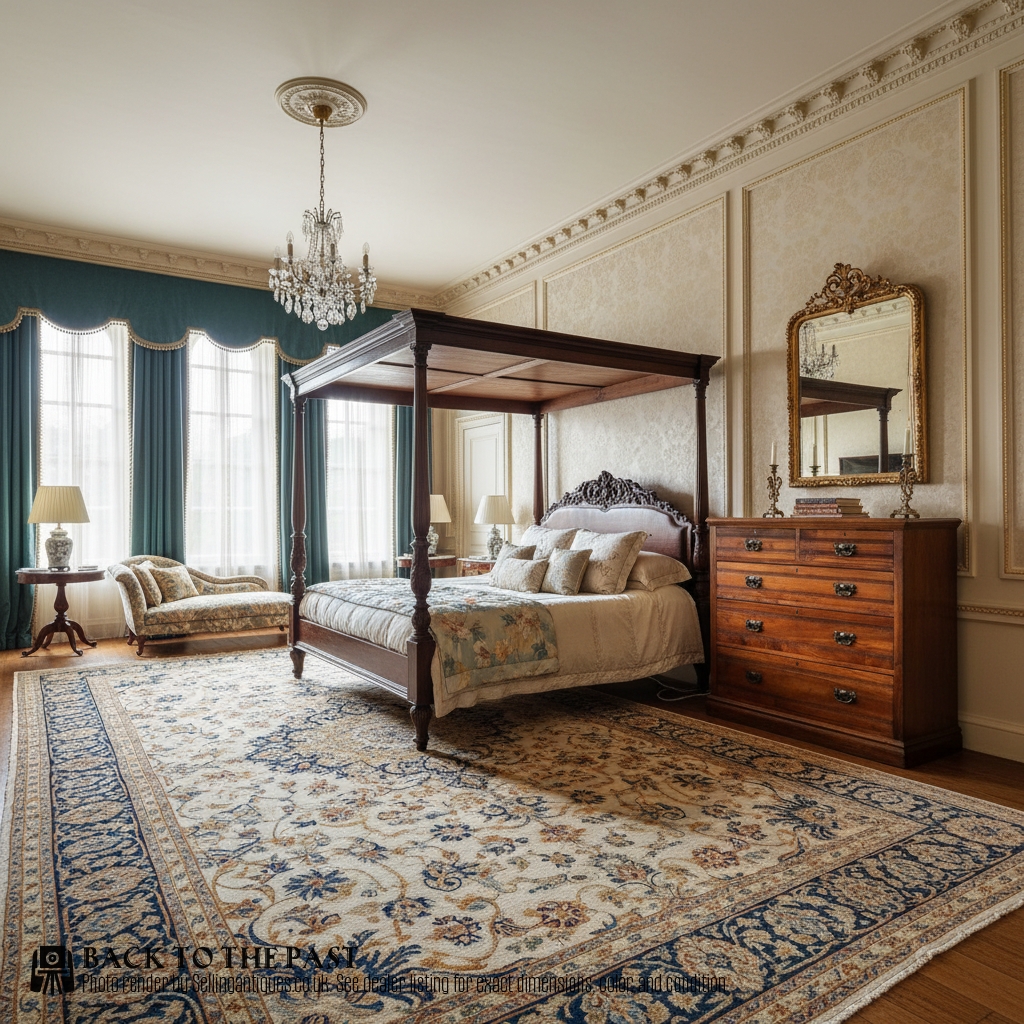
Antique bedroom storage drawers bring traditional craftsmanship and character to a room, offering practical storage with timeless proportions.
What antique bedroom storage drawers are
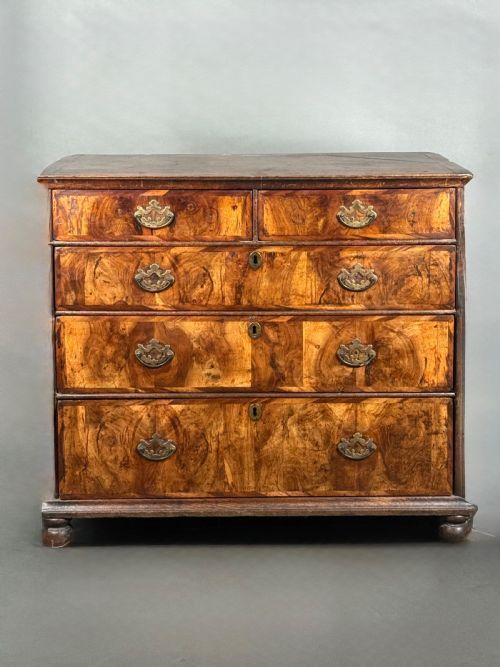
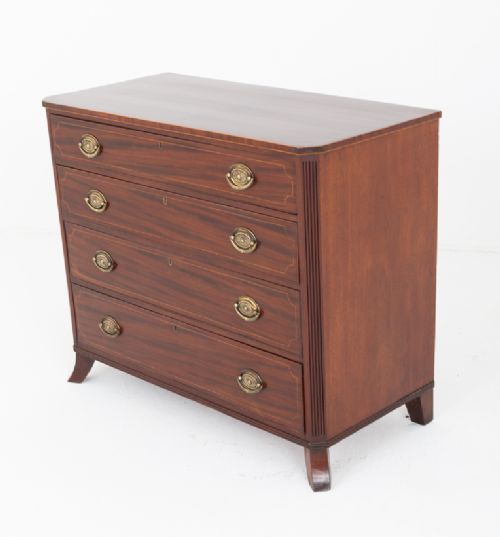
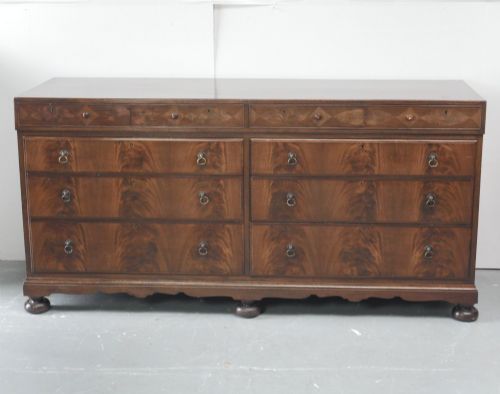
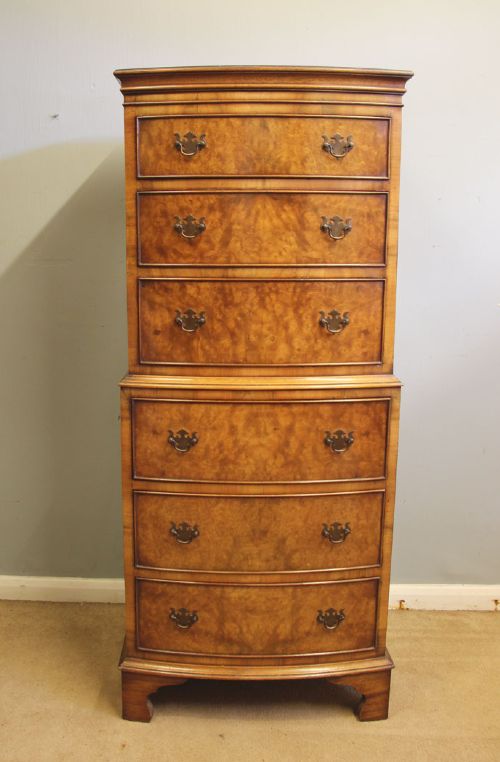
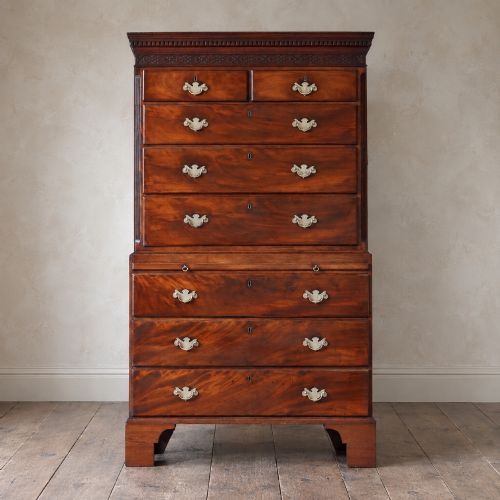
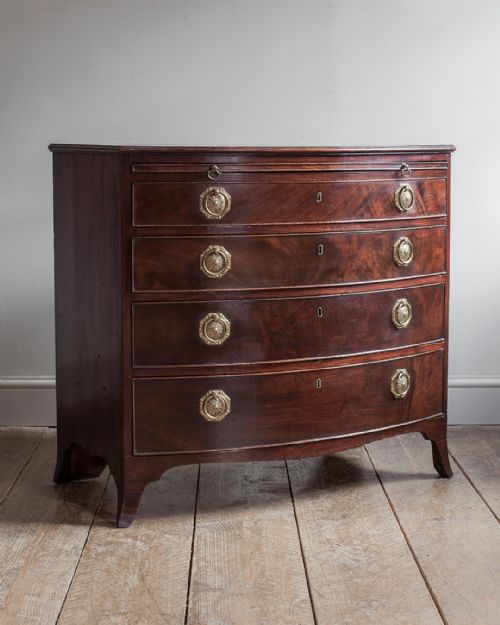
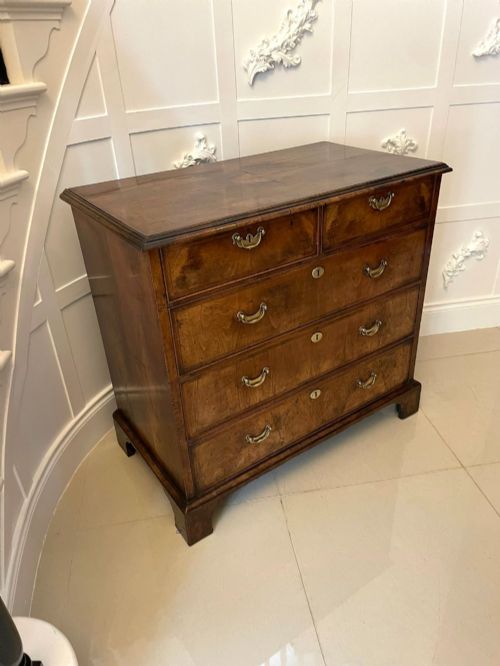
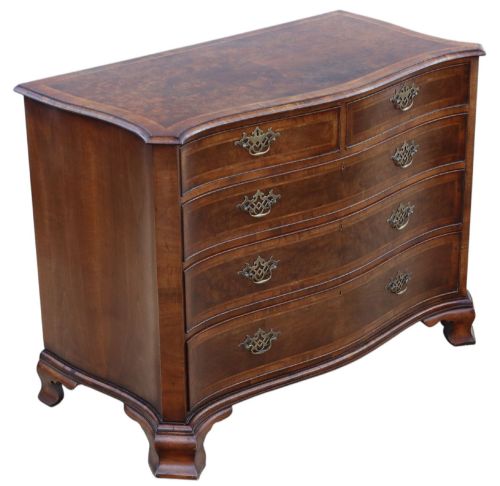
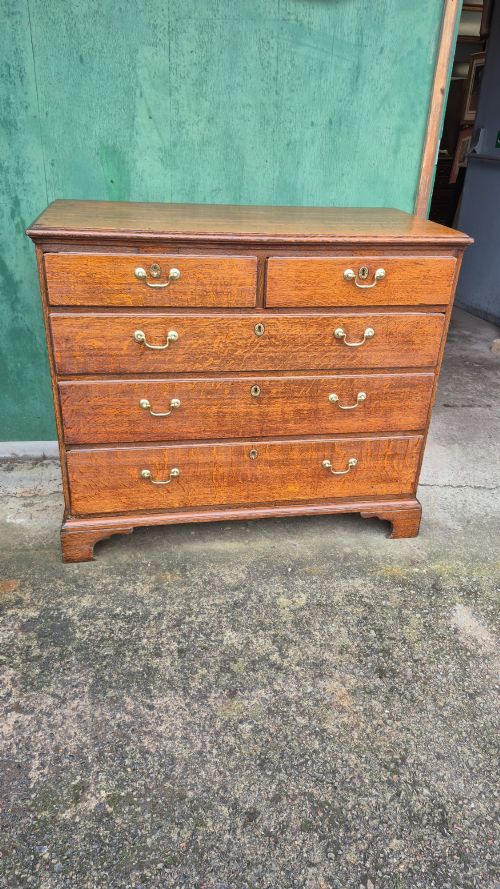
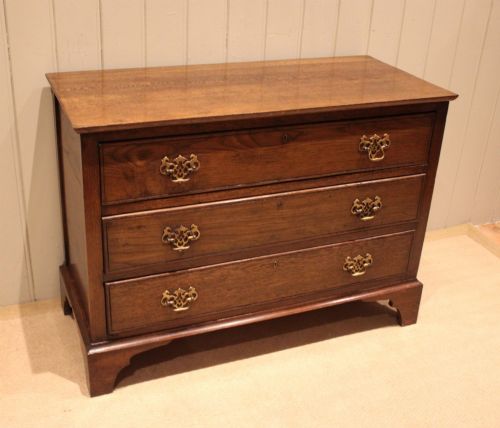
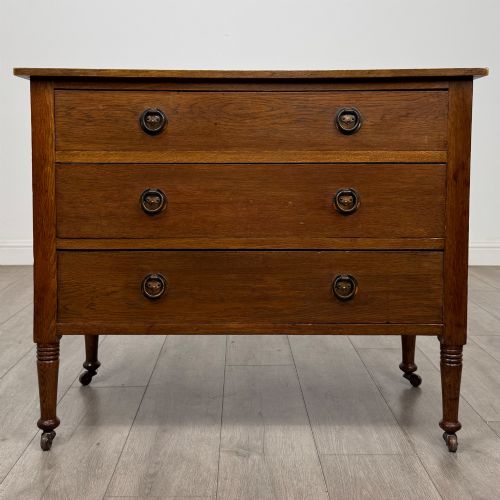
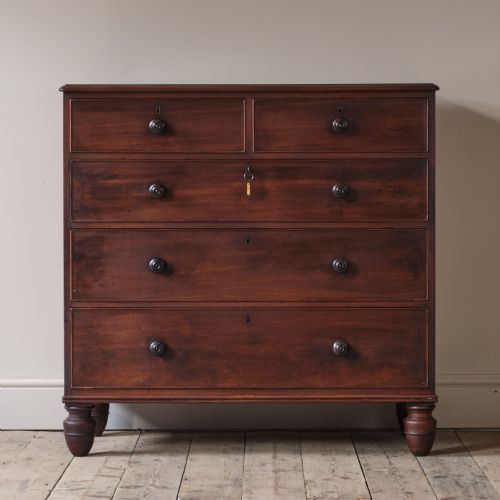
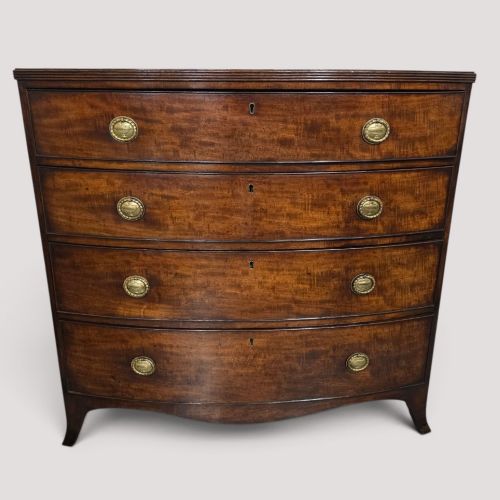
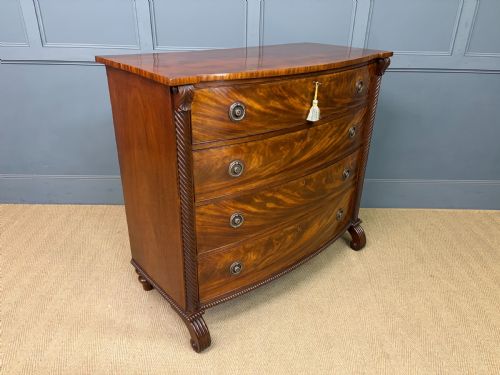
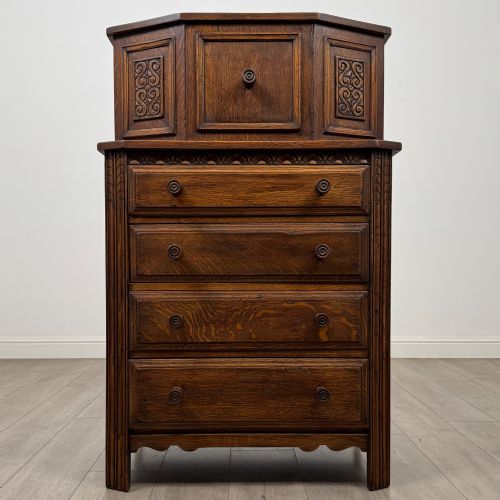
Antique bedroom storage drawers encompass a range of traditional chest of drawers forms spanning from the eighteenth century through to the Edwardian period. Buyers browsing these pieces encounter regional variations including Dutch examples, Victorian country items and Georgian designs.
How they were made
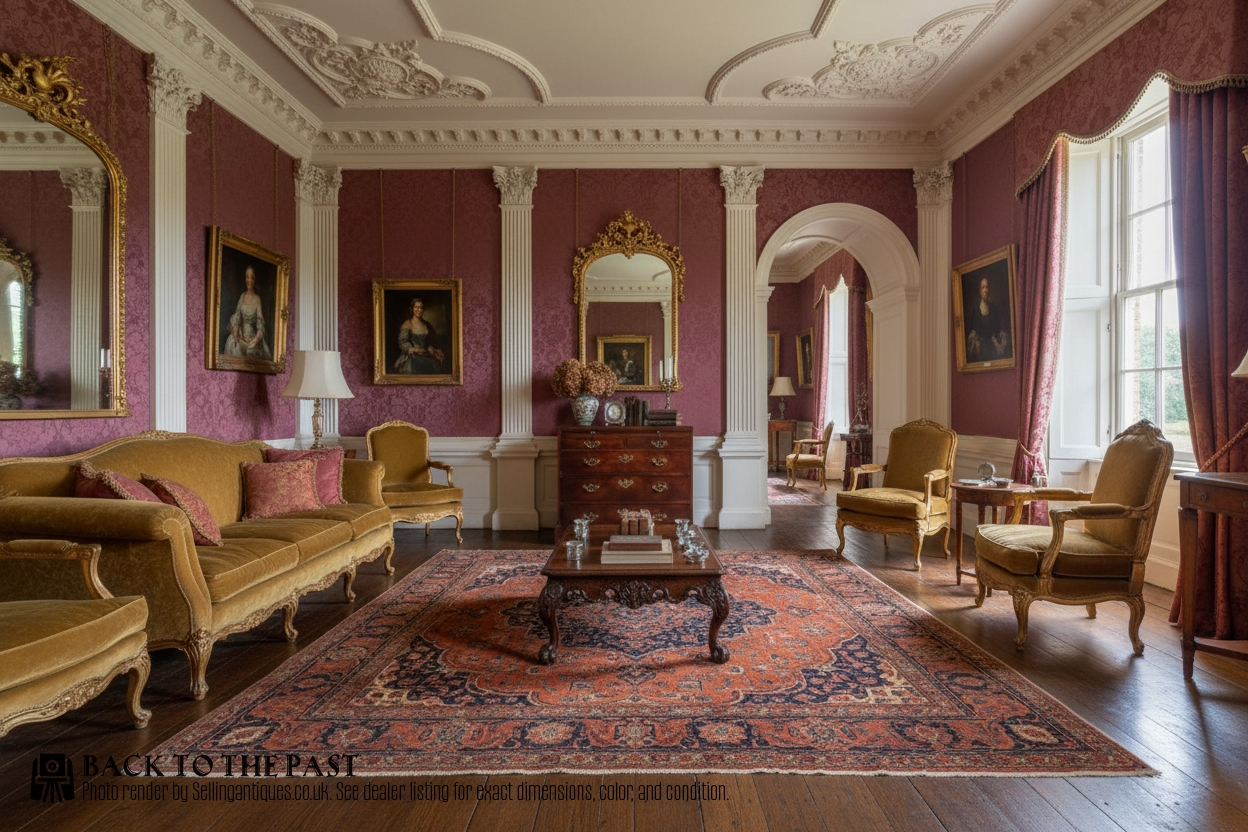
Cabinet makers utilised a variety of solid timbers and veneered surfaces, employing mahogany, pine, satinwood and kingwood alongside structural iron and brass hardware. Marble tops also feature on specific Continental forms to provide durable surfaces.
Construction techniques range from simple country pine carpentry to sophisticated cabinet work involving fine satinwood and kingwood veneers, complemented by decorative brass handles and key escutcheons.
Retail Price Guide 2026
Typical UK retail prices for bedroom storage drawers, calculated from the Sellingantiques database of over a million retail prices indexed since 2003. This retail price guide relies exclusively on Sellingantiques data; no external sources or auction records are used, so the figures do not describe the wider market.
Listings span the eighteenth century, nineteenth century and Edwardian period, utilising mahogany, pine, satinwood, kingwood, brass, iron and marble.
What varies in quality
Quality diverges between utilitarian everyday items and high-status cabinet work, particularly when comparing vernacular pine pieces to master-carved mahogany or crossbanded satinwood examples. The choice of timber dictates the refinement of the piece, moving from robust local softwoods to imported cabinet woods.
Design sophistication further separates standard chests from pieces exhibiting distinct stylistic flair, such as caddy-tops or intricate Continental commode styling. The integration of quality brass fittings and detailed joinery elevates a piece above standard workshop production.
Giles Grendey
The Antique Bedroom Storage Drawers Glossary
- Commode
- A low cabinet or chest of drawers, often associated with Continental European styling such as Louis XV designs. These pieces frequently incorporate fine veneers and decorative marble tops.
- Caddy-top
- A distinctive table or chest top featuring a raised, moulded edge that resembles the lid of a tea caddy. This detail denotes finer eighteenth-century cabinet making.
- Satinwood
- A lustrous, hard timber native to Ceylon and India, prized for its golden yellow colour and reflective grain. It gained popularity during the late eighteenth and Edwardian periods for high-end furniture.
- Kingwood
- A dense, richly figured exotic wood featuring dark violet-brown tones with lighter streaks, frequently utilised as a veneer on eighteenth-century commodes.
Frequently Asked Questions
What periods do these drawers cover?
The pieces span from the mid-eighteenth century through the nineteenth century and into the Edwardian era. This covers Georgian, Victorian and Edwardian periods of domestic furniture.
Craftsmanship naturally shifts across these eras, moving from eighteenth-century solid mahogany and figured veneers to later pine and satinwood variations.
Which woods are most common?
Mahogany and pine appear frequently across the listings, representing both fine urban cabinet work and robust country utility pieces. Exotic timbers like kingwood and satinwood also feature on specific decorative forms.
Additional materials such as brass for handles and marble for table tops supplement the primary timber structures.
How do I identify a Georgian piece?
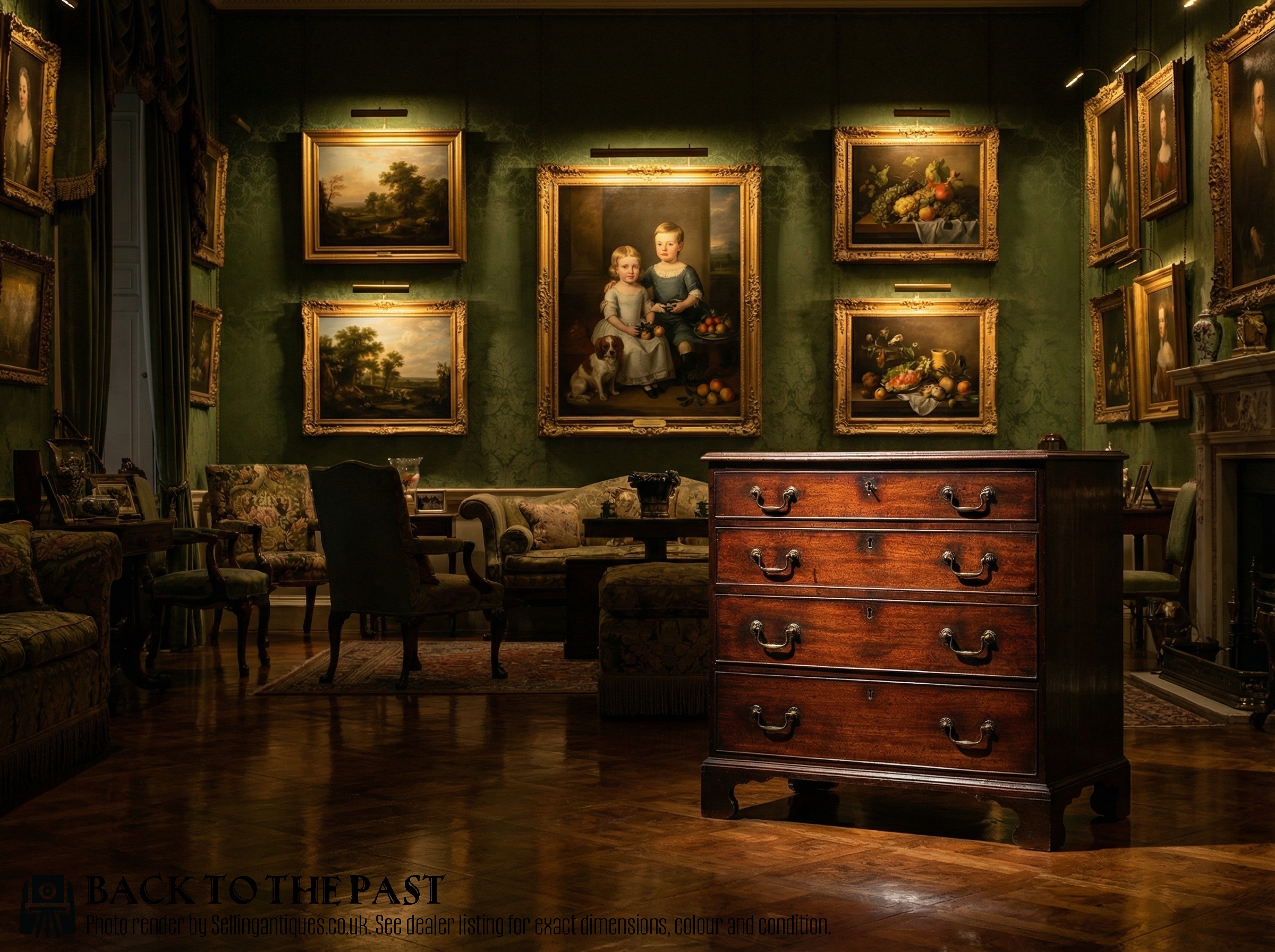
Georgian examples often display characteristic timber choices like solid mahogany, along with refined details such as caddy-tops. These items reflect the proportion and joinery standards of the eighteenth century.
Makers of the period occasionally referenced prominent cabinet styles, including work associated with designers like Giles Grendey.