
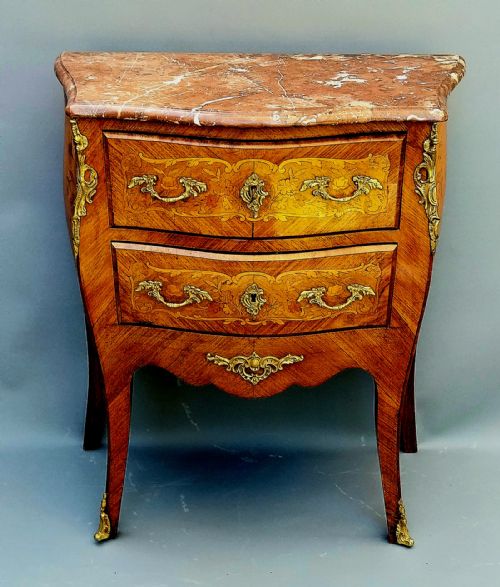


Kingwood Bombe Commode
A kingwood bombe commode brings serpentine French curves and rich veneer into a room with undeniable presence.
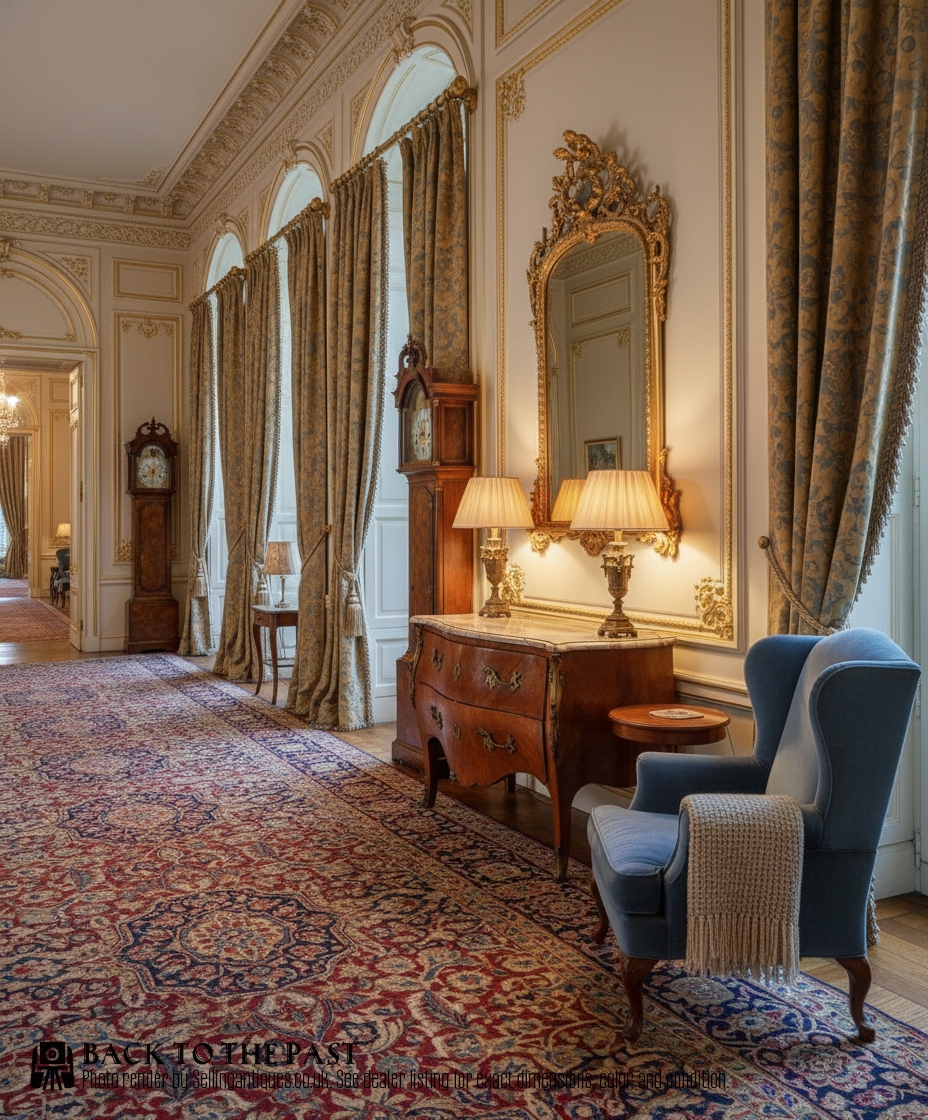
Understanding the kingwood bombe commode
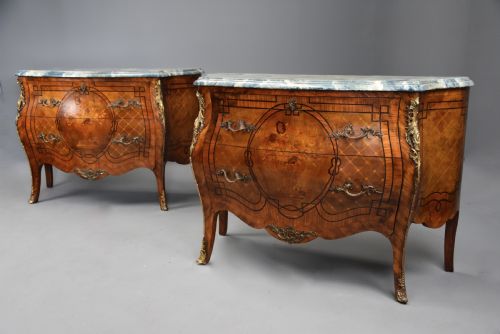
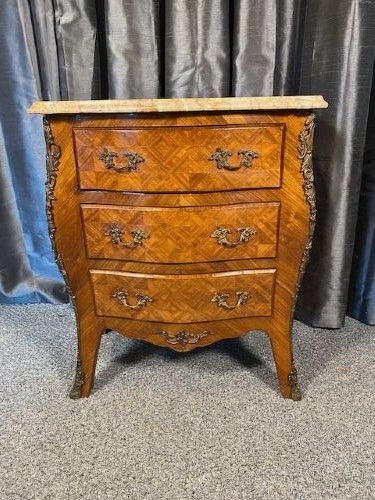
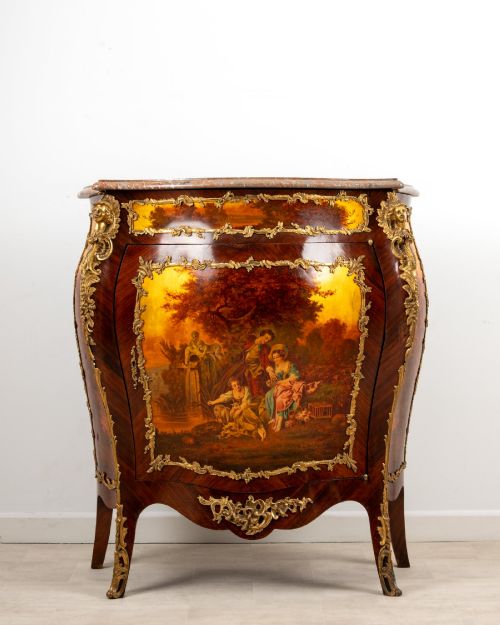
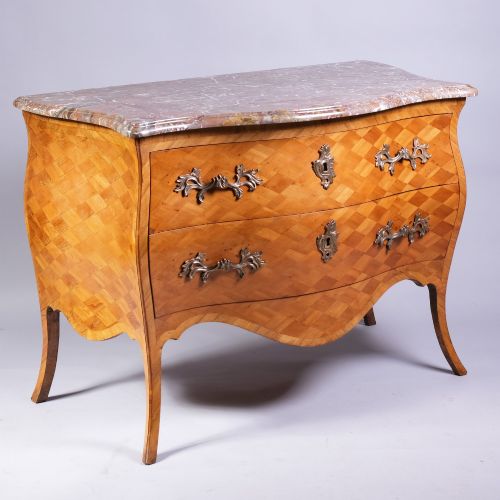
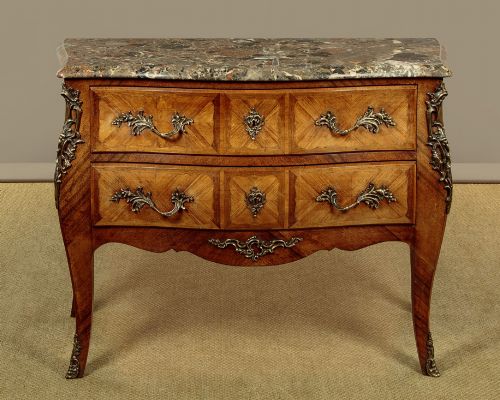
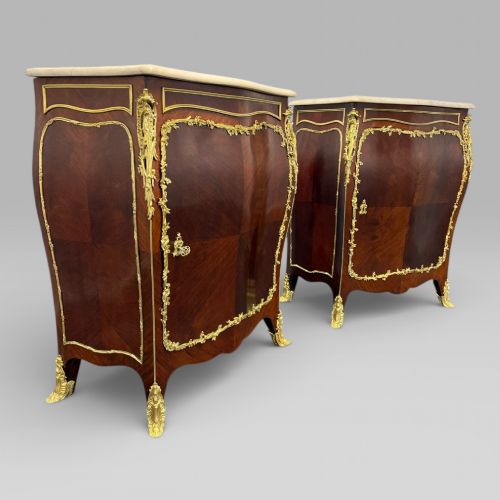
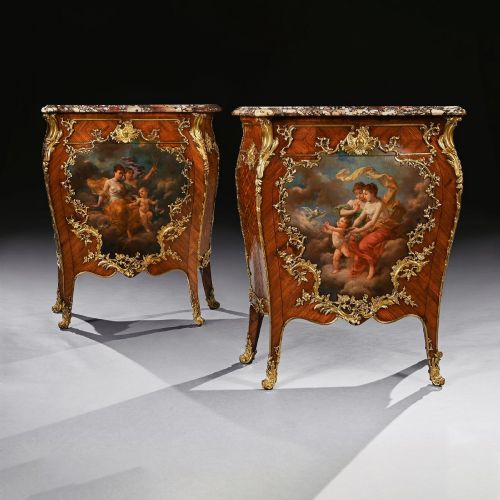
A kingwood bombe commode is a swelling chest of drawers defined by its outward curving front and sides, taking inspiration from French rococo design. These pieces function as decorative storage units, traditionally placed in principal rooms to display surfaces of fine timber and shaped stone.
The versions met on this page span from the mid eighteenth century up through the nineteenth century and into later revival periods like the nineteen thirties. While eighteenth century originals appear alongside nineteenth century and later Louis XV style interpretations, all share the characteristic swelling profile and veneered surface.
Makers produced these chests as cabinets, chests of drawers, and miniature forms, constructed primarily in continental European workshops. Buyers encounter French and Swedish origins predominantly, each utilising the dramatic silhouette to showcase decorative woodwork.
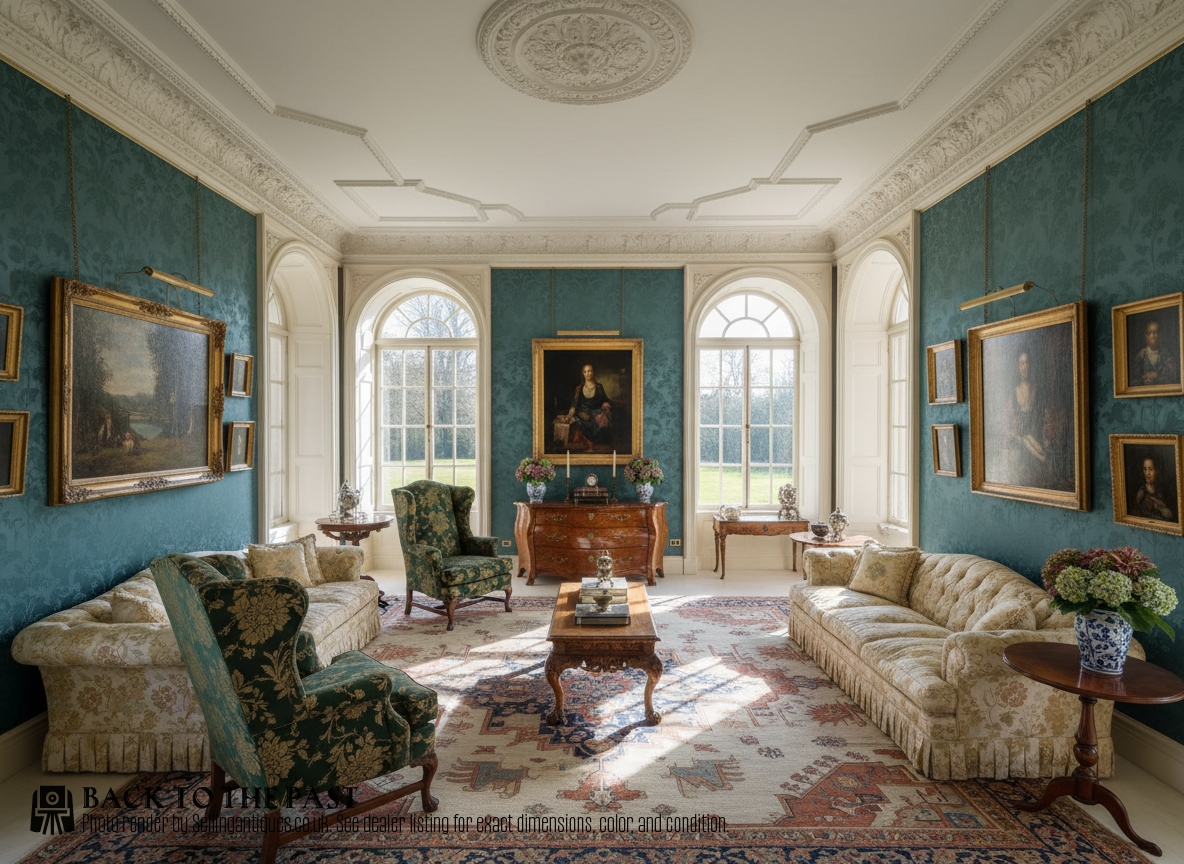
Materials and construction
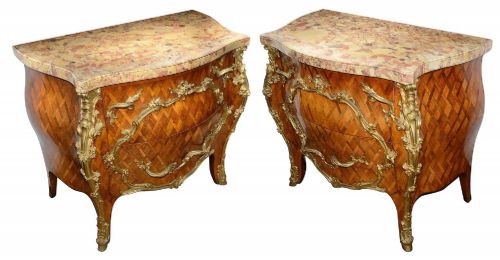
Craftsmen built these commodes using carcases of native timber overlaid with decorative veneers, notably kingwood, walnut, and rosewood. Parquetry and marquetry patterns arranged the grain across the curved surfaces to emphasise the swelling bombe shape.
Mounts in ormolu, gilt metal, brass, and bronze follow the rococo lines of the frame, protecting corners and accentuating handles and feet. Heavy marble tops, often stepped or serpentine, rest directly on the upper surface of the chest.
Retail Price Guide 2026
Typical UK retail prices for kingwood bombe commode, calculated from the Sellingantiques database of over a million retail prices indexed since 2003. This retail price guide relies exclusively on Sellingantiques data; no external sources or auction records are used, so the figures do not describe the wider market.
Miniature versions exist alongside full sized commodes, offering the exact same swelling curves on a diminutive scale.
Distinctions in quality
The sophistication of the veneer work separates standard production from superior examples, particularly where parquetry or marquetry flows seamlessly across curved joints. Finer chests display intricate grain matching that follows the complex contours without buckling or distortion.
The weight and detail of the cast ormolu or bronze mounts indicate the workshop standard, with sharper chased definition marking out better pieces. The integration of the marble top to the specific serpentine contour of the carcase similarly reflects the ambition of the original maker.
The Kingwood Bombe Commode Glossary
- Bombe
- A swelling, outward curved shape characteristic of furniture from the rococo period. This profile requires specialised carpentry to veneer compound curves.
- Kingwood
- A dense, richly figured Brazilian timber prized for its contrasting dark violet and golden brown stripes. It formed the primary decorative surface for many high end French chests.
- Ormolu
- Gilt bronze mounts applied to furniture edges and corners for decoration and protection. The technique involves firing a mixture of gold and mercury onto a bronze base.
- Parquetry
- Geometric patterns formed by fitting small pieces of veneer together on a carcase surface. It creates structured visual texture distinct from floral marquetry.
Frequently Asked Questions
What is a bombe commode?
A bombe commode is a chest of drawers featuring sides and fronts that curve outward in a rounded, swelling shape. Originating in France during the rococo period, these pieces served as decorative storage furniture.
They combine curved wooden carcases with marble tops and cast metal mounts, designed to catch the light and anchor a room.
How do I identify a Louis XV style commode?
Louis XV style commodes display asymmetrical rococo curves, cabriole legs, and sweeping serpentine outlines. They frequently feature floral marquetry or geometric parquetry in kingwood and walnut.
Ormolu mounts on the corners and apron follow the naturalistic scrolls typical of the mid eighteenth century and later revivals.
What woods are used in these chests?
Kingwood serves as the principal decorative veneer, often accompanied by walnut, rosewood, and inlaid details. These timbers provide contrasting grain patterns that accentuate the rounded contours.
Underneath the veneer, secondary structural timbers form the solid carcase required to support heavy marble slabs.
Where were these commodes made?
The majority of these chests originated in France, following Parisian cabinet making traditions established under royal patronage. Swedish workshops also produced notable variants with distinct regional interpretations.
European cabinet makers exported and adapted these designs through successive nineteenth century revival periods.
How do I care for a marble top?
Marble tops require gentle cleaning with mild, pH neutral soap and warm water to avoid etching the polished stone surface. Avoid acidic liquids, alcohol, and harsh abrasives near the stone.
Lift the heavy marble slab carefully if removal is necessary during transport, ensuring the underlying wooden rebate remains undamaged.