
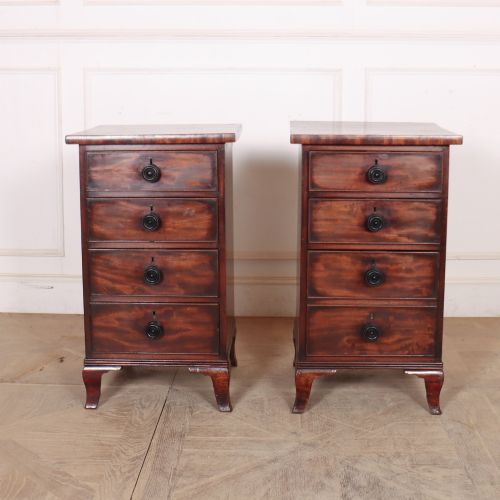
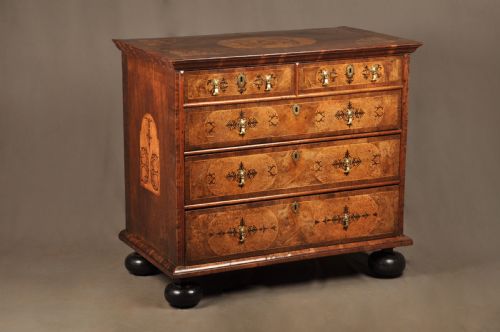
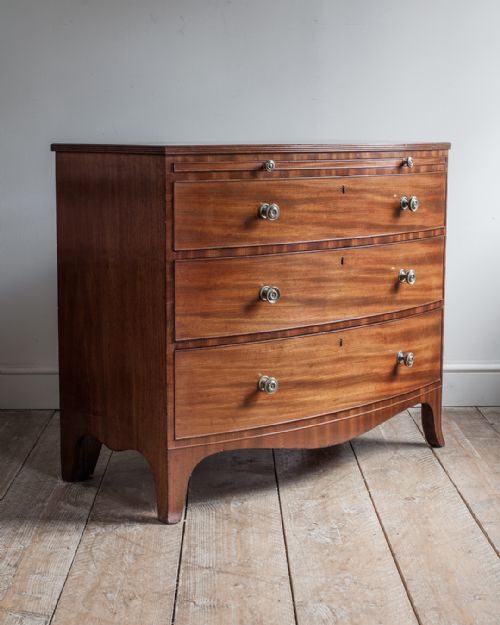
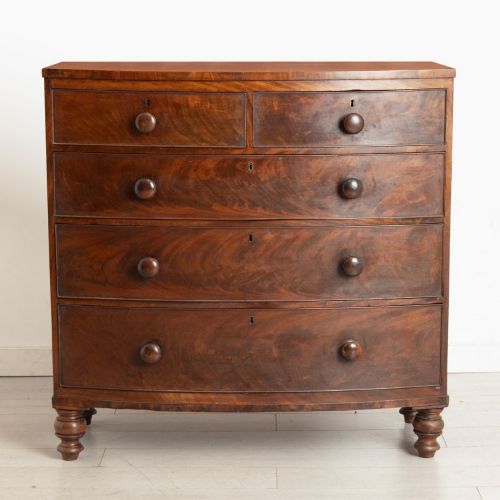
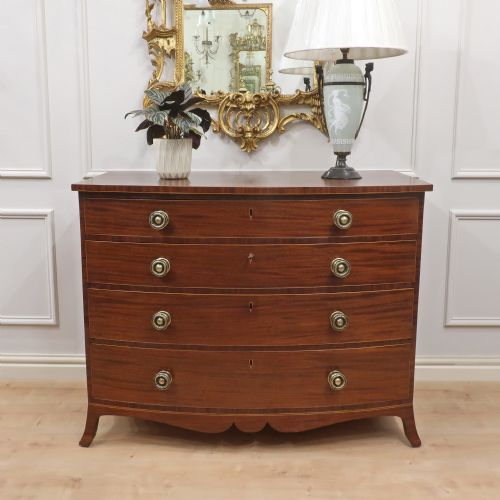


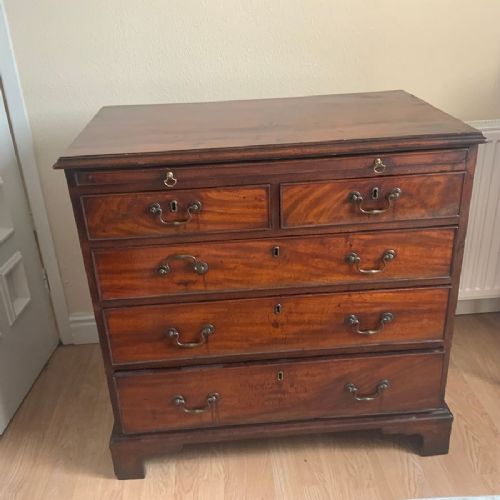


Rich Brown Chest Drawers
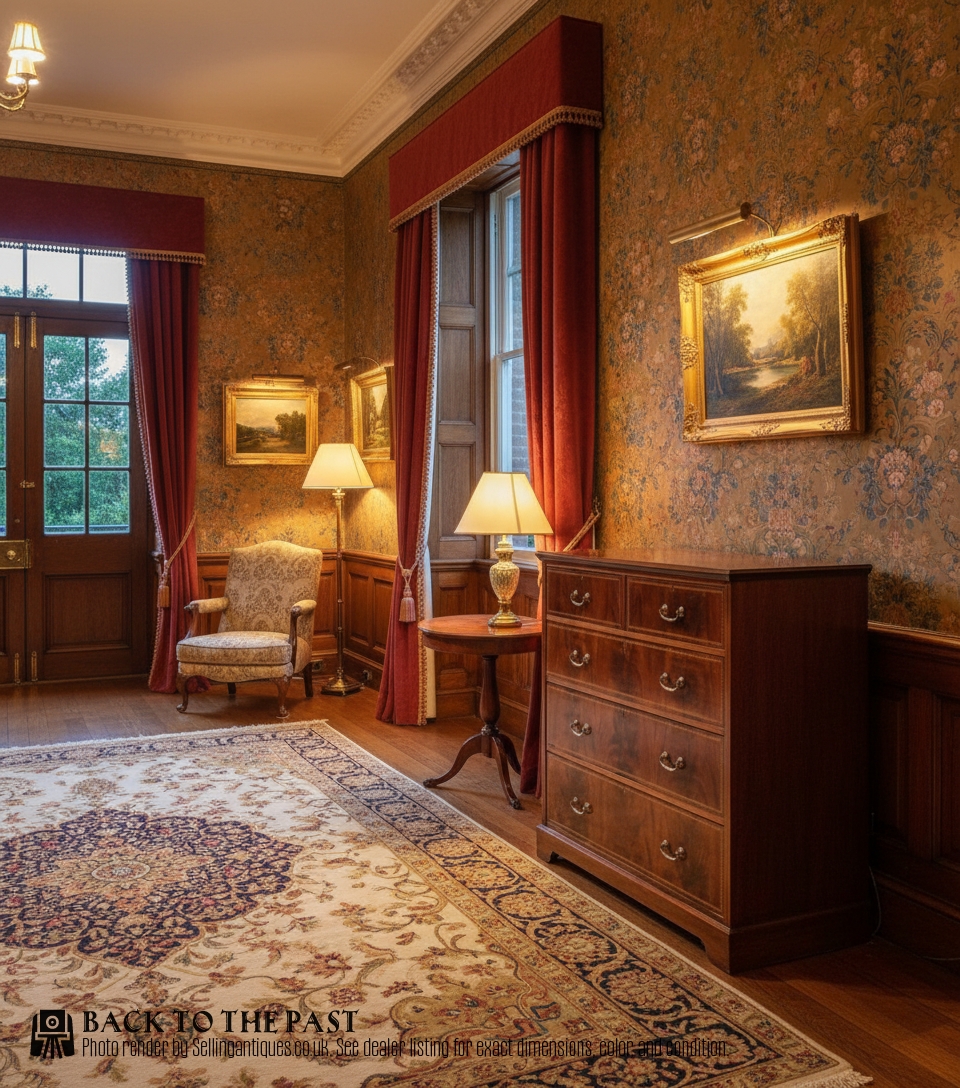
A rich brown chest drawers brings deep mahogany grain and time-worn brass into a room, offering practical storage with Georgian character.
What these pieces are
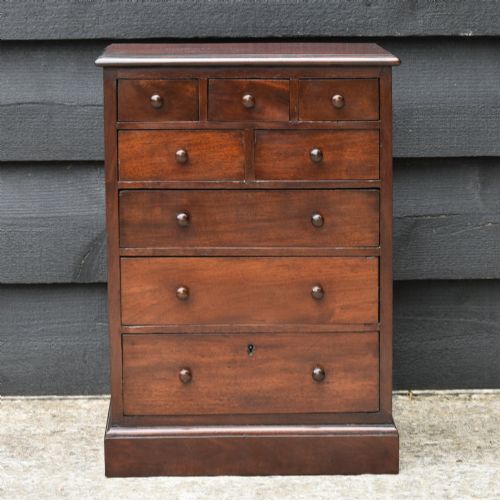
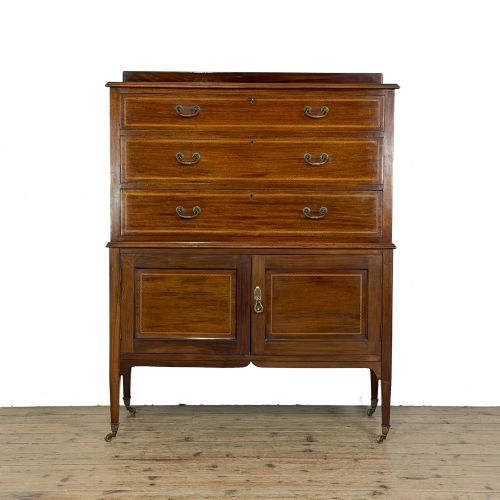
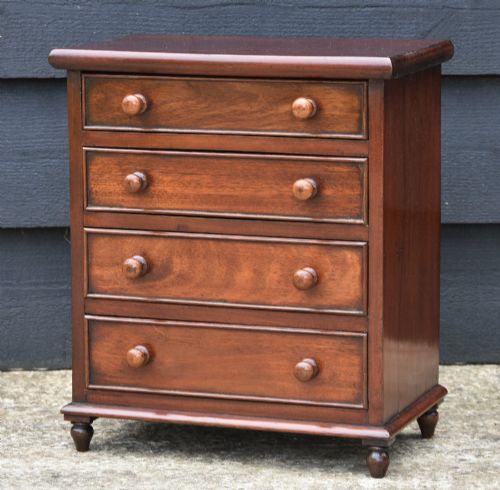
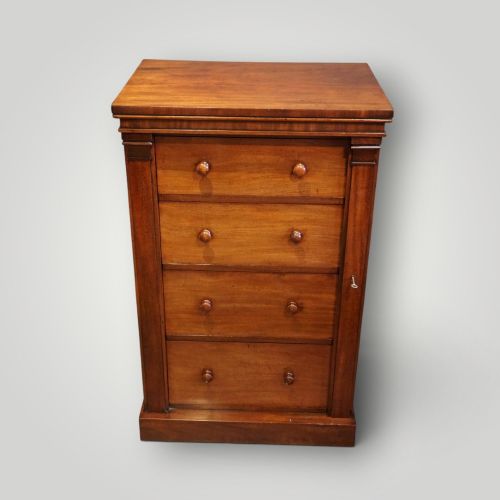
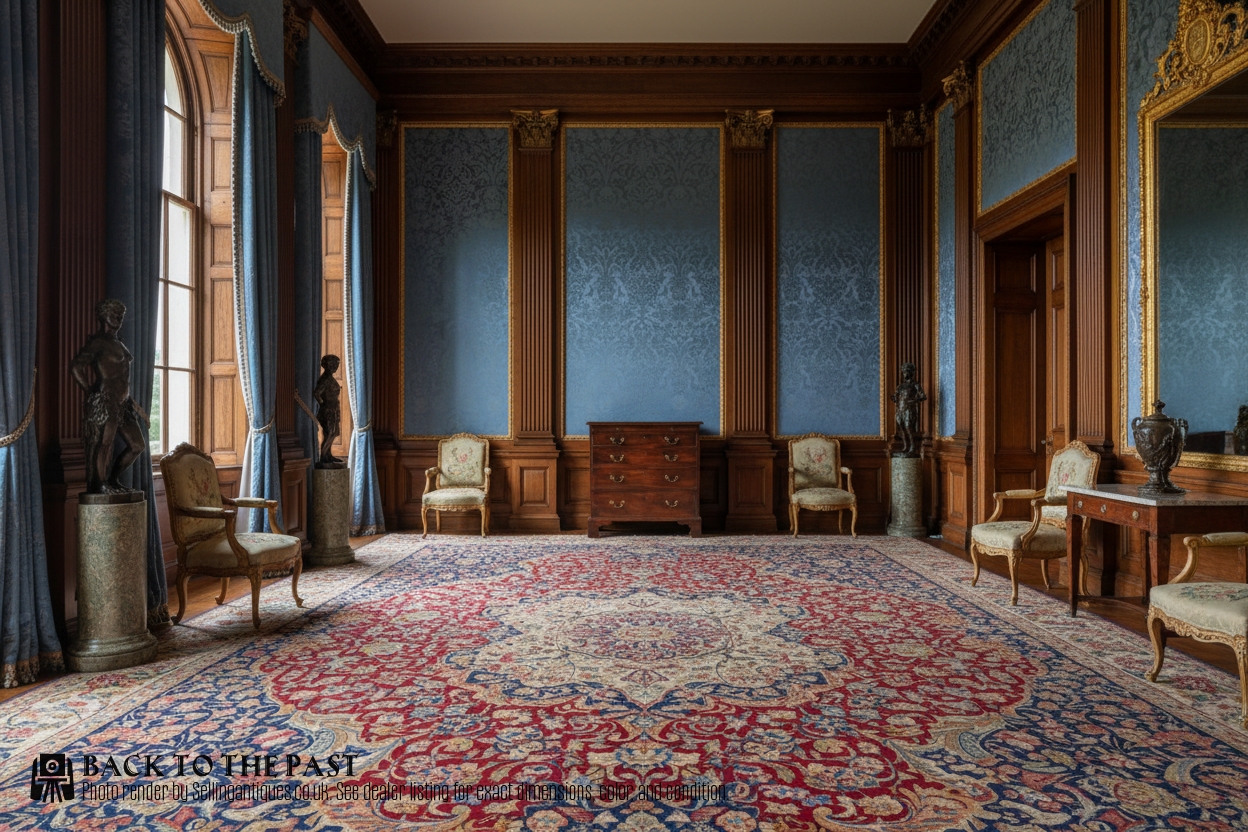
A rich brown chest drawers represents sturdy timber storage built across the Georgian, Regency, and Edwardian eras. These pieces provide deep compartment space for clothing and linens while anchoring a bedroom or hallway with dark wood tones.
The versions most commonly met on this page are mahogany chests displaying straight or bowfront profiles. Makers constructed them in tall four-height formats, compact brush slide configurations, and substantial Edwardian proportions.
How they were made
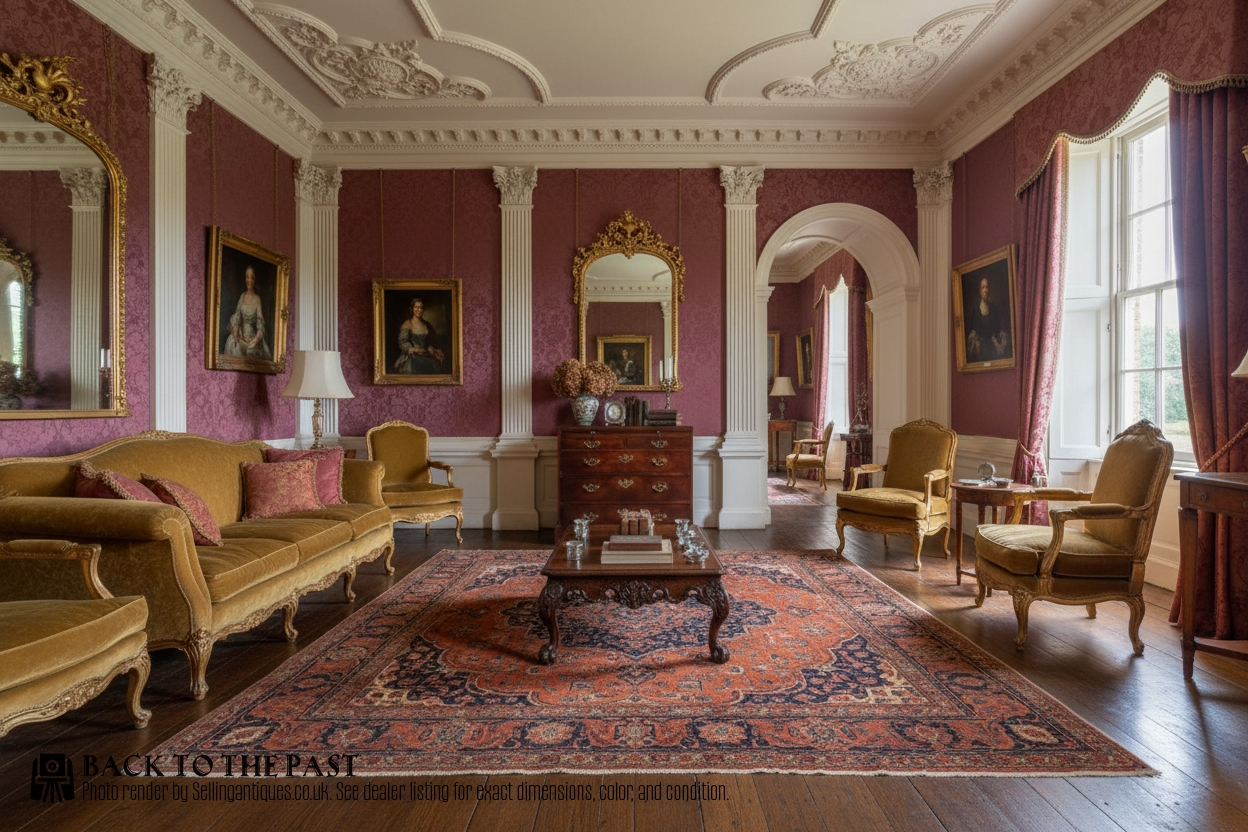
Cabinet makers utilised solid mahogany and wood veneer over secondary timbers to construct these drawer units. They selected rich dark boards for the primary exterior facades and applied protective finishes to enhance the natural grain.
Hardware details such as brass handles and drawer pulls were fitted securely to the timber fronts. Construction methods included dovetailed drawer joints and heavy framing designed to endure centuries of daily use.
Retail Price Guide 2026
Typical UK retail prices for rich brown chest drawers, calculated from the Sellingantiques database of over a million retail prices indexed since 2003. This retail price guide relies exclusively on Sellingantiques data; no external sources or auction records are used, so the figures do not describe the wider market.
Generations of forgotten socks and lost cufflink studs likely hide deep inside the dovetailed corners of these heavy mahogany drawers.
What varies in quality
Quality separates ordinary timber construction from superior cabinet work through timber selection and edge detailing. Finer examples display carefully matched mahogany veneers and well-proportioned cornices like the caddy-top design.
The distinction between standard utility items and finer pieces lies in the crispness of the drawer mouldings and the integrity of the original brass hardware. The handling of secondary woods inside the drawers also signals the workshop standard.
The Rich Brown Chest Drawers Glossary
- Bowfront
- A curved cabinet front that swells outward in the centre, creating a softer profile than a flat facade. This shape appears frequently in Regency and Georgian pieces.
- Caddy-top
- A raised, moulded tabletop edge resembling the lid of a tea caddy. It adds a distinct sculptural finish to the top board of an antique chest.
- Brush slide
- A pull-out wooden shelf fitted just below the top surface. Historically, users pulled this out to brush clothes or hold items while dressing.
- Mahogany
- A dense tropical timber valued for its deep reddish-brown colour and stability. It forms the primary material for the majority of these chests.
Frequently Asked Questions
What periods do these chests come from?
The listings span the Georgian, Regency, George IV, and Edwardian periods. Pieces date from the mid-eighteenth century through to the early twentieth century.
Each era brings distinct proportions and handle styles to the mahogany framework.
How do I care for mahogany drawer surfaces?
Keep the wood away from direct sunlight and rapid temperature changes to protect the finish and veneer. Dust regularly with a soft cloth and apply traditional wax sparingly.
Avoid chemical polishes that can degrade the historic surface sheen over time.
What is a brush slide used for?
The pull-out slide serves as a convenient auxiliary surface integrated into the upper frame of the chest. Historically, valets used it for brushing garments or holding small accessories.
In modern rooms, it offers a useful temporary ledge when sorting drawer contents.
How do I identify a bowfront chest?
Look at the front elevation from above to spot the gentle outward curve spanning the width of the drawers. This curved construction requires skilled carpentry to shape the timber and drawers correctly.
It distinguishes these pieces from standard flat-fronted storage chests.