

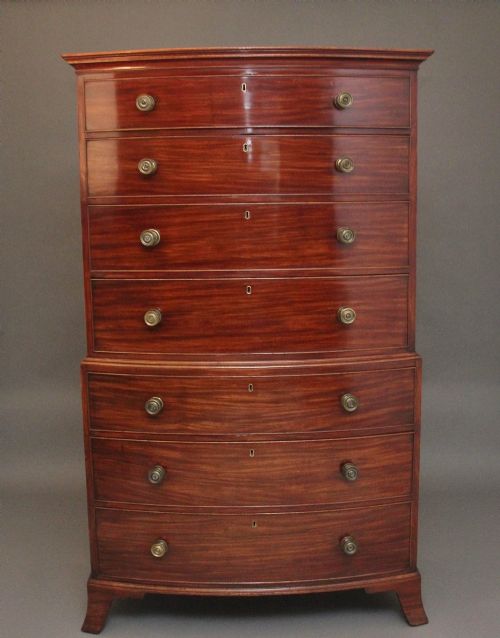
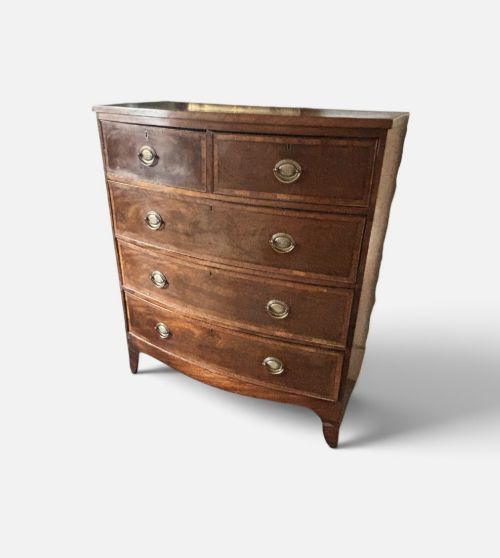
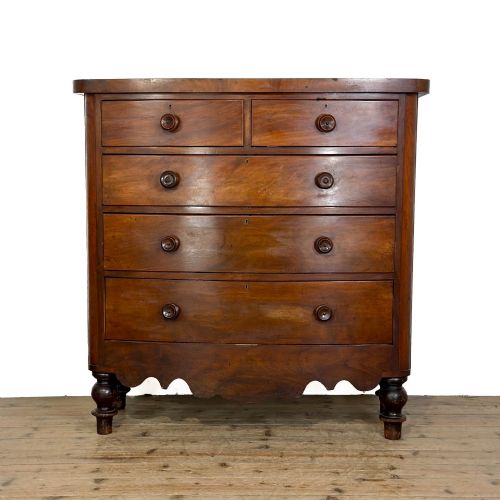
Bow Fronted Chest Drawers
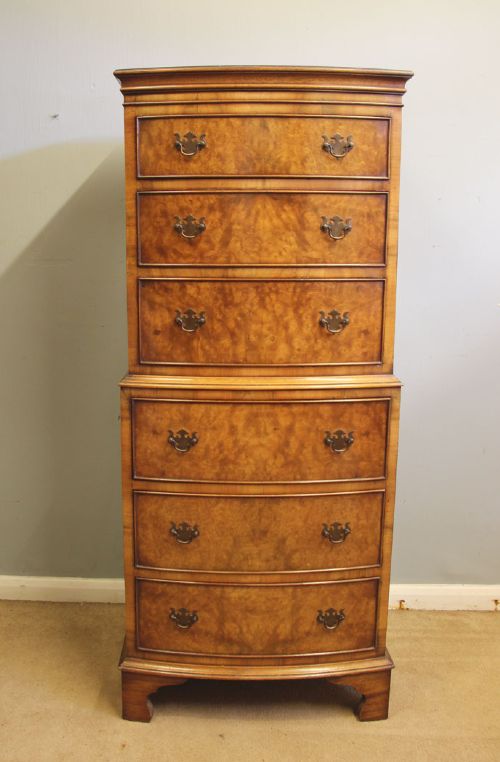
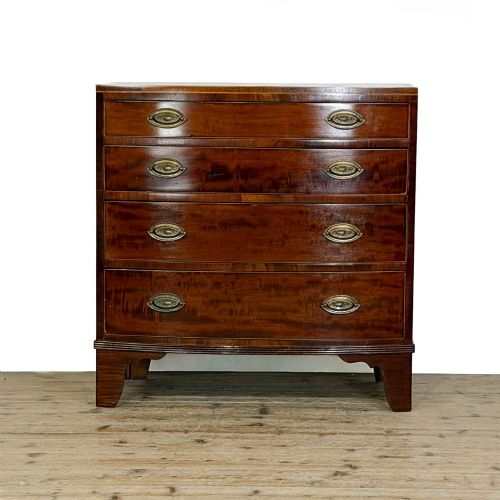
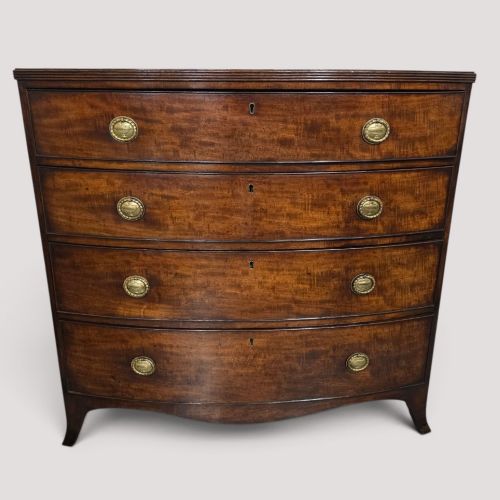
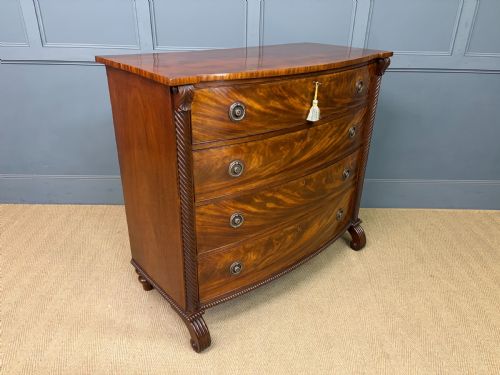
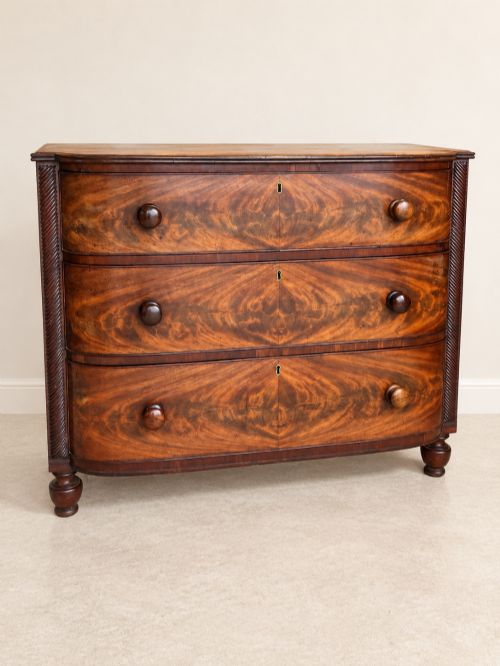
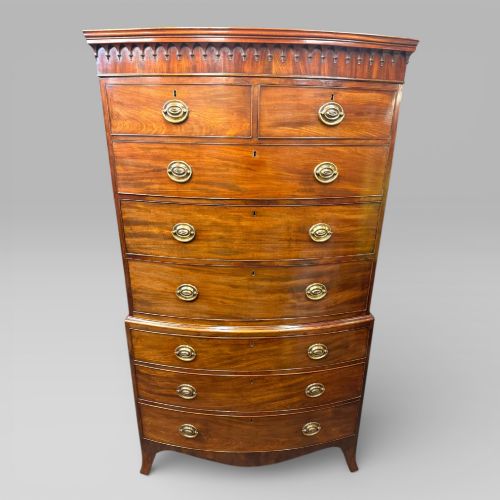
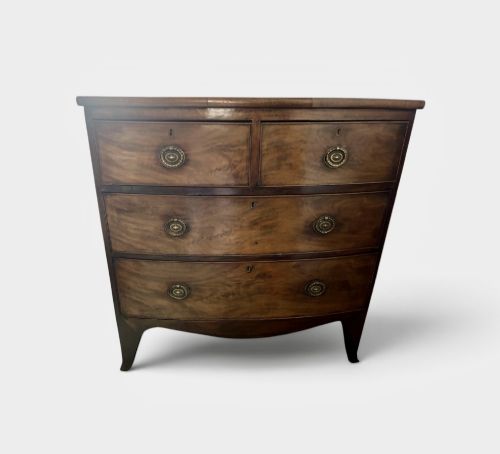
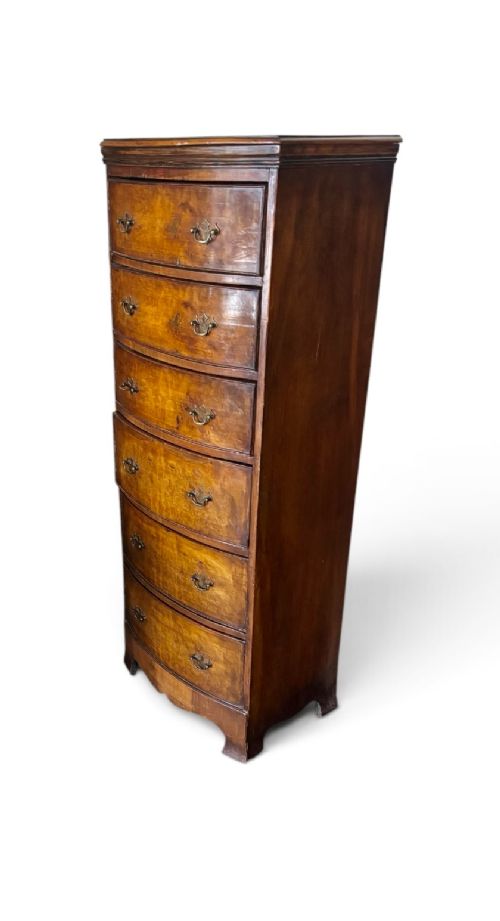
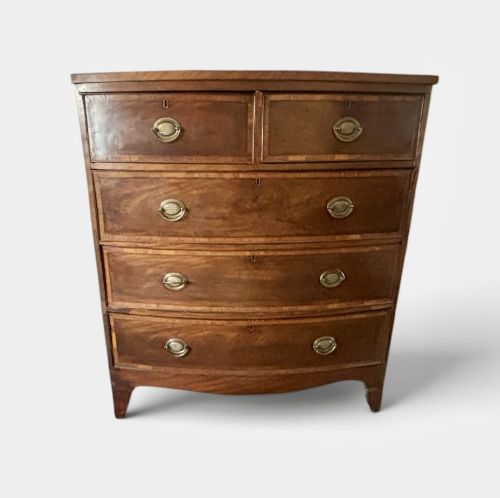
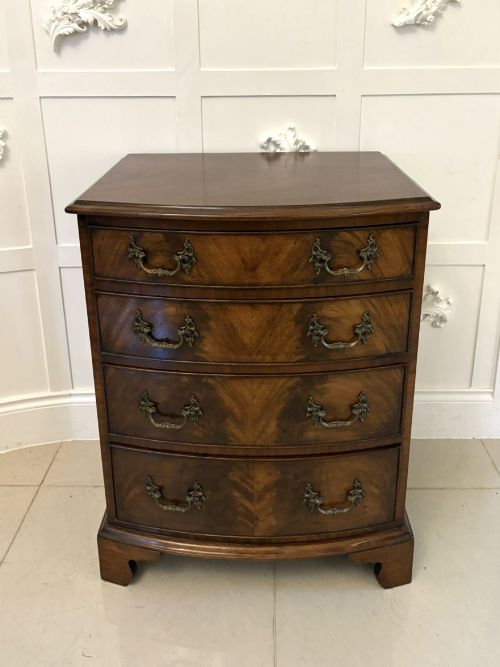
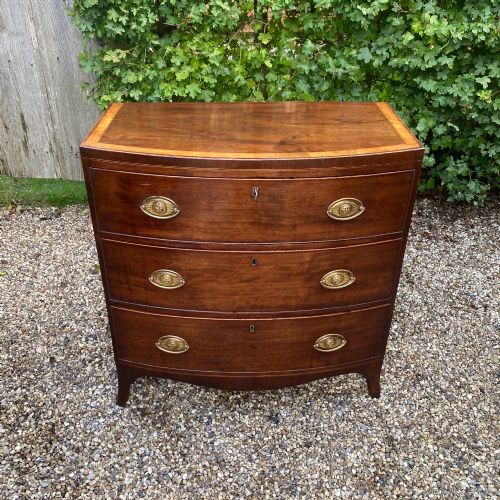
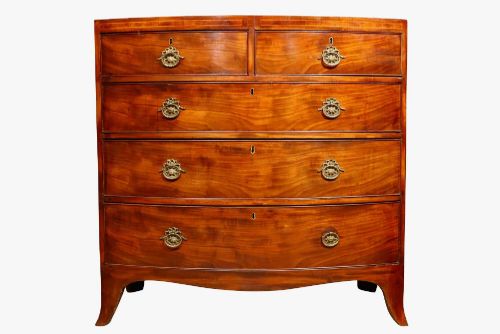
These bow fronted chest drawers bring curved fronts and generous storage to a room, offering practical elegance from past centuries.
Bow Fronted Chest Drawers
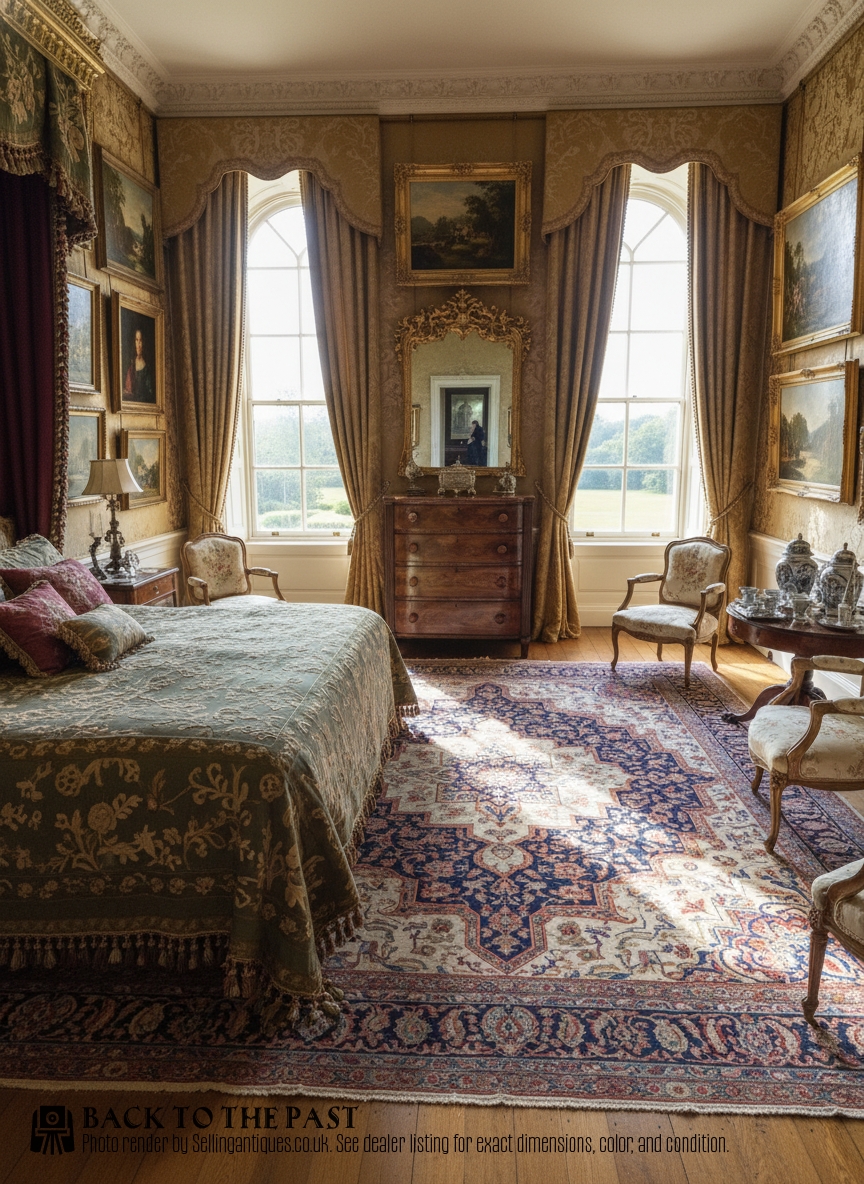
A bow fronted chest drawers provides structured storage with a distinctive outward-curving front that softens the silhouette of traditional case furniture. These pieces combine usefulness with presence, functioning equally well in bedrooms and living spaces.
Most examples encountered here date from the Georgian and Regency periods, alongside 18th century Swedish work and later 19th century Victorian pieces. Mahogany remains the dominant wood, often selected with figured veneers to accentuate the curve.
Configurations range from small bachelor chests with compact proportions to taller four or five-drawer formats. The curved facade requires precise cabinetmaking to maintain smooth drawer operation.
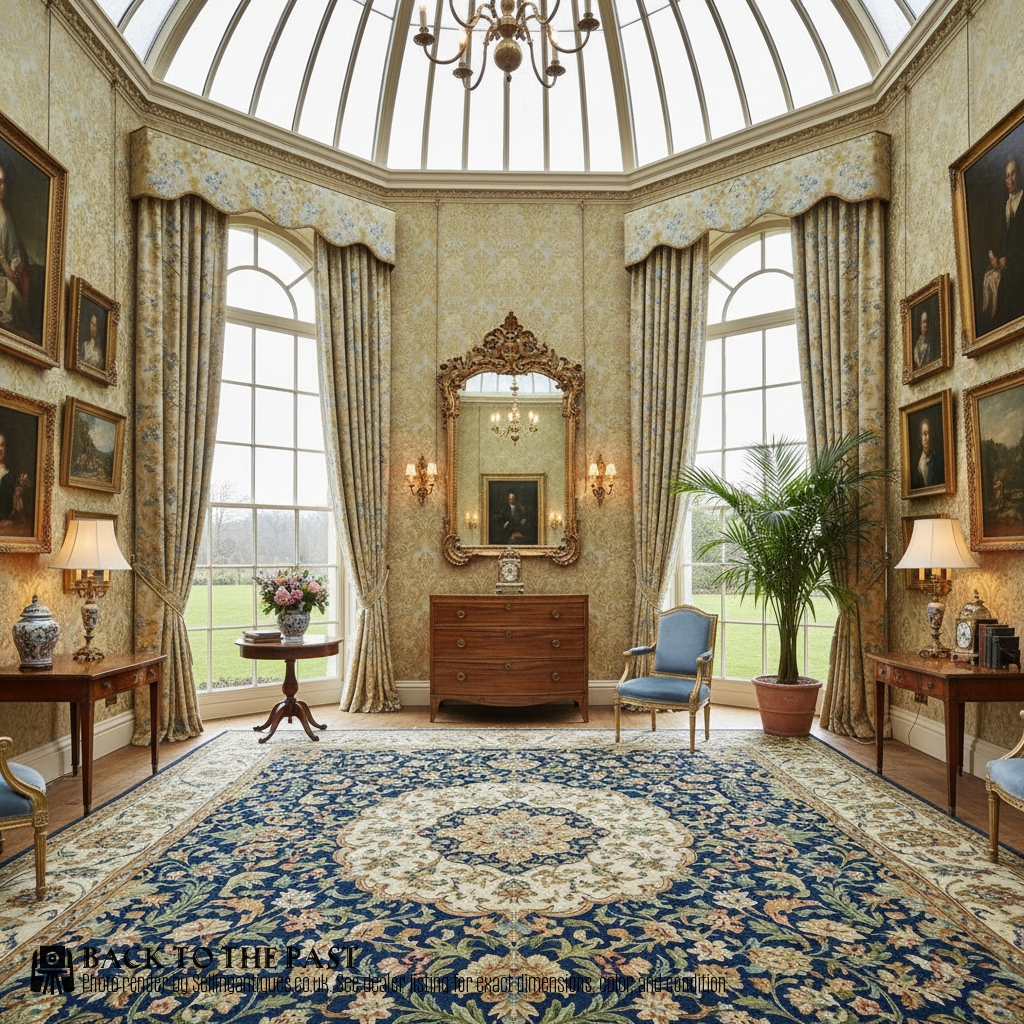
Materials and Construction
Makers built these carcases primarily using solid mahogany, birch, or pine, applying flame mahogany veneer to the drawer fronts to catch the light across the curved surface. Secondary woods appeared inside the drawer linings and backboards.
Brass handles and escutcheons provided contrast against the dark timber, while decorative elements like ebony stringing outlined the drawer edges on specific Regency and Victorian examples.
Curving the timber required specialised bending and shaping techniques, ensuring the drawer fronts followed the precise arc of the frame without warping or binding during use.
Retail Price Guide 2026
Typical UK retail prices for bow fronted chest drawers, calculated from the Sellingantiques database of over a million retail prices indexed since 2003. This retail price guide relies exclusively on Sellingantiques data; no external sources or auction records are used, so the figures do not describe the wider market.
Some small chests include secret compartments tucked away behind the drawers, designed to outsmart wandering servants.
Distinctions in Quality
The choice of timber sets the visual standard, with highly figured flame mahogany veneers and matched grain patterns elevating a piece far above plain boards. Superior examples display careful timber selection that wraps harmoniously around the curved facade.
Proportion and scale dictate desirability, particularly in smaller formats or bachelors variants where maintaining elegance on a reduced footprint demands exceptional design skill. Refined proportions separate standard utility items from distinguished pieces.
Gillows
The Bow Fronted Chest Drawers Glossary
- Bow front
- A cabinet front that curves outward in a convex arc, softening straight architectural lines. This shape requires advanced woodworking skill to construct accurately.
- Flame mahogany
- A veneer cut from timber where the grain creates a flickering, flame-like pattern. Makers applied this to prominent surfaces like drawer fronts.
- Stringing
- Thin inlay lines of contrasting wood or material used to outline drawers and panels. This subtle decoration defines the borders of the facade.
- Bachelors chest
- A compact chest of drawers traditionally featuring a pull-out writing slide above the primary drawers. These smaller pieces served multipurpose roles in private chambers.
- Escutcheon
- A protective plate surrounding a keyhole, frequently cast in brass. It prevents the key from damaging the surrounding wood during daily use.
Frequently Asked Questions
What periods do these chests come from?
The pieces span several eras, predominantly featuring Georgian, Regency, and 18th century Swedish examples. Later Victorian and early 20th century versions also appear.
Craftsmanship evolved through these periods, shifting from earlier Georgian proportions toward bolder Regency styling and later figured veneers.
How were these chests used historically?
They served primarily for storing garments, linens, and personal valuables within bedrooms and dressing rooms. Certain specialised forms included writing slides for correspondence.
The surface top provided space for decorative objects, mirrors, or lighting, making the piece central to room organisation.
How do I care for mahogany surfaces?
Maintain the timber by keeping it away from direct heat sources and strong sunlight, which can dry out the wood and fade the polish. Dust regularly with a soft, dry cloth.
Apply traditional beeswax sparingly when the finish appears dry, buffing gently to preserve the natural sheen of the grain.
How do I distinguish between periods?
Examine the overall proportions, leg styles, and hardware details, as Georgian pieces often display restrained elegance while Regency items feature bolder architectural lines. Secondary woods and construction methods inside the drawers also offer clues to the date.
Comparing handle designs and veneer patterns helps clarify whether a piece originates from the 18th century or later Victorian revivals.