

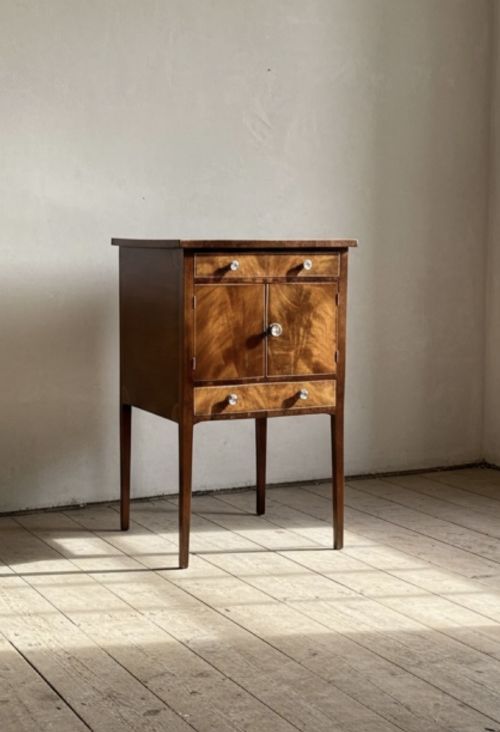
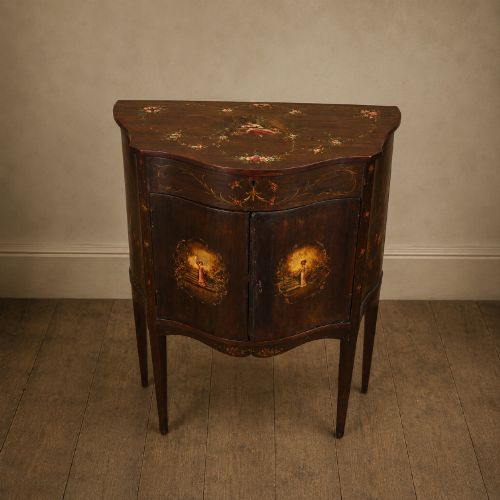

Edwardian Mahogany Commode
An edwardian mahogany commode brings disciplined proportion and rich timber tone to an interior, offering practical storage disguised as elegance.
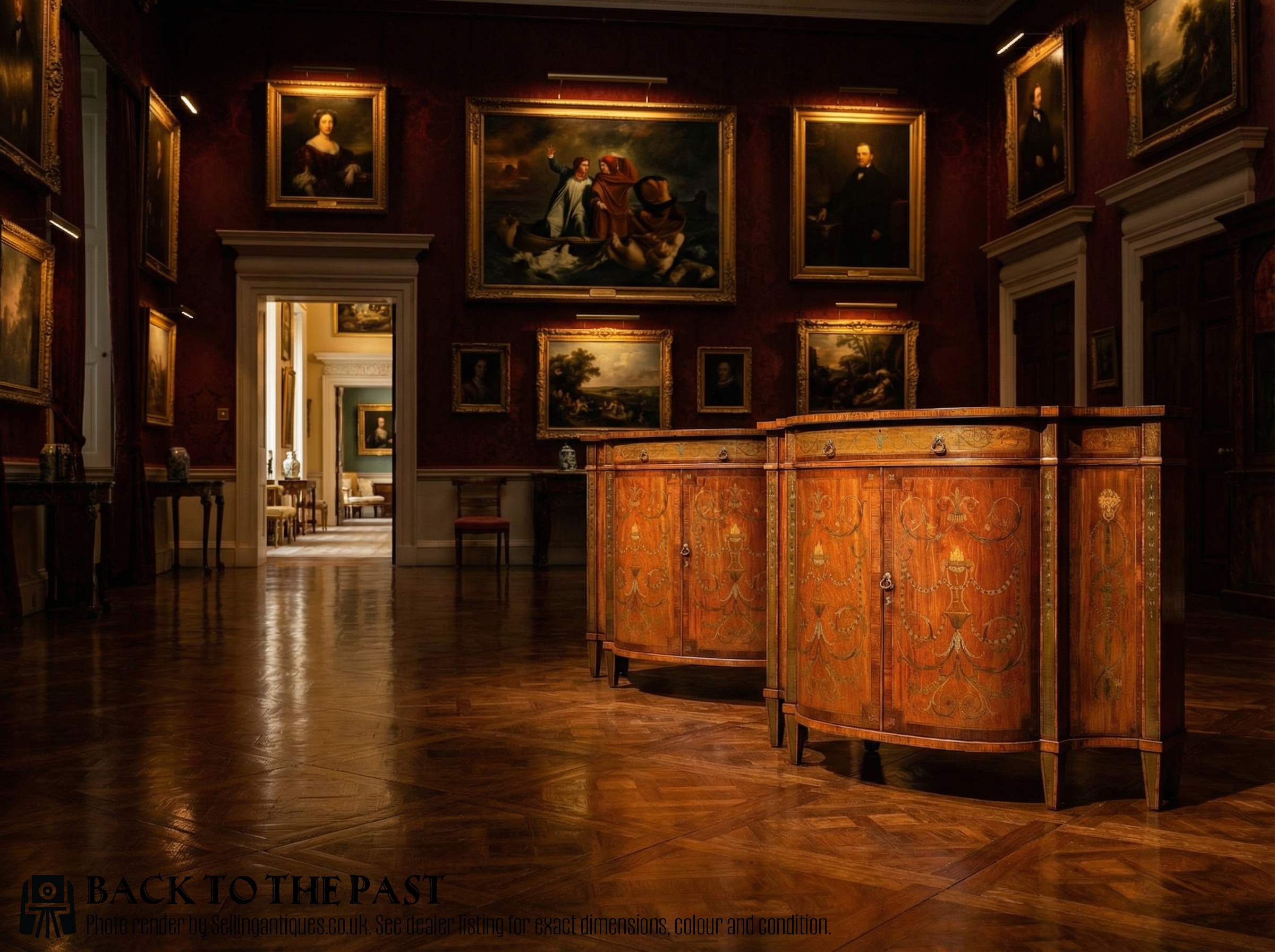
Edwardian Mahogany Commode
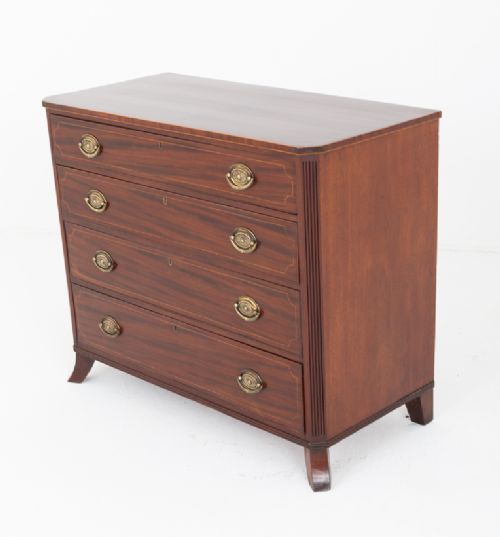
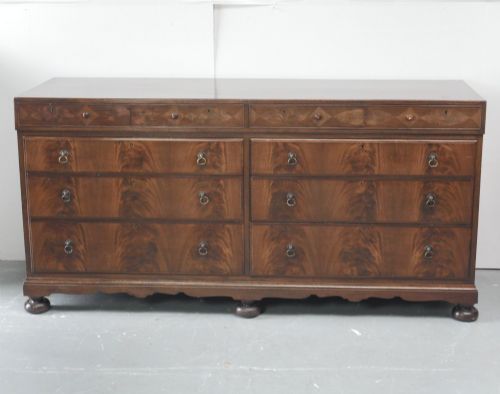
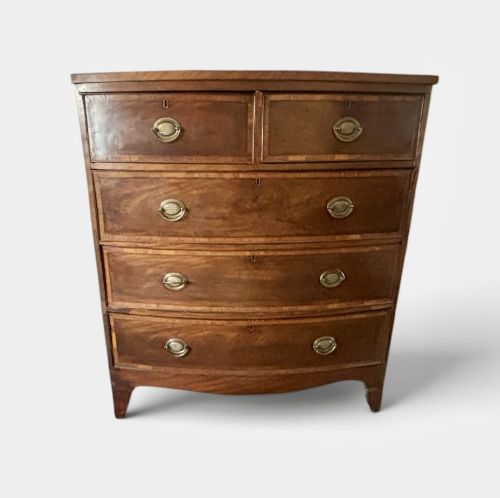
When searching for an edwardian mahogany commode, buyers encounter case furniture spanning multiple periods, with Edwardian examples sharing space with Georgian, Regency, and Victorian interpretations of the form. The listings reflect this diversity through chests of drawers, bedside cabinets, sideboards, and occasional commode chairs fitted with porcelain inserts.
The Edwardian pieces themselves often lean on Sheraton Revival styles, incorporating satinwood banding, delicate floral inlay, and bow fronts alongside straightforward rectangular proportions. While the primary search phrase points to specific early twentieth-century designs, the market groups these alongside earlier nineteenth-century prototypes and revival pieces that share the same fundamental vocabulary.
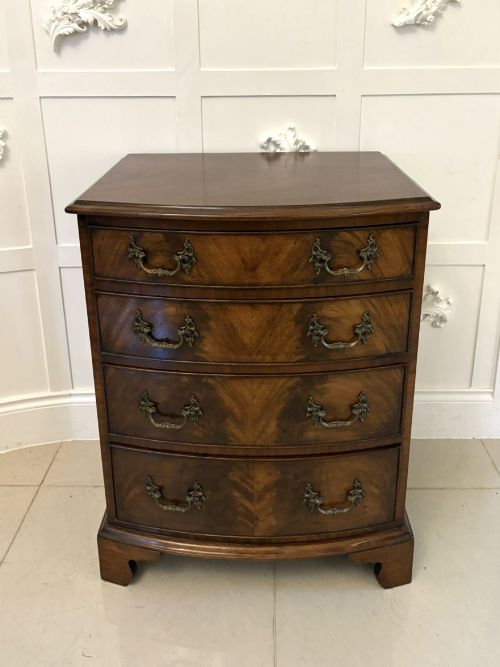
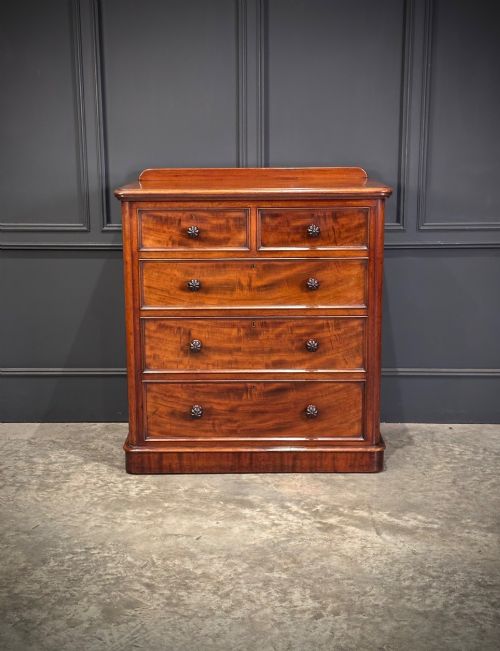
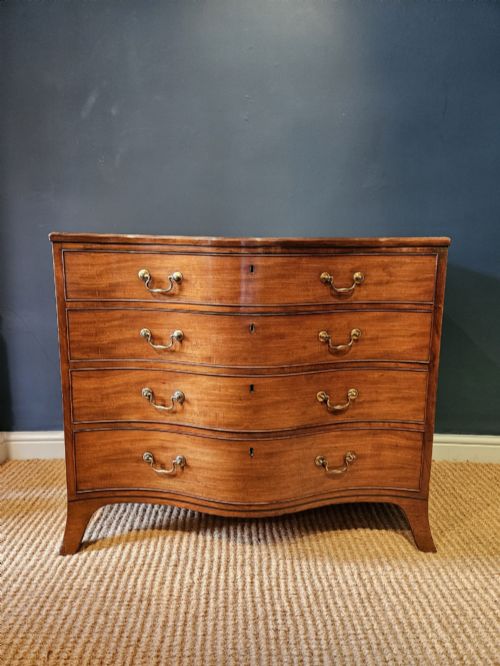
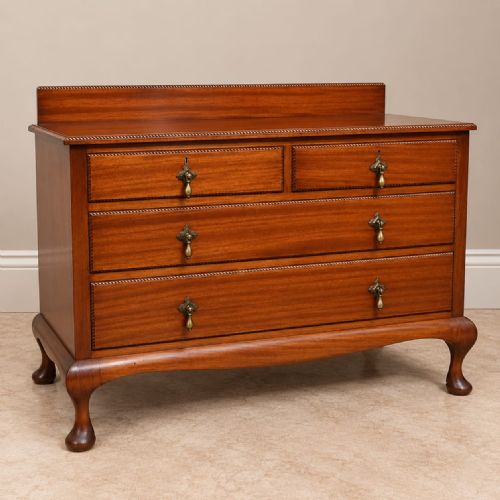
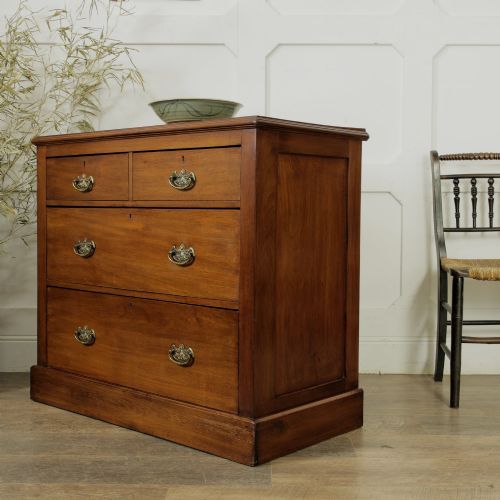
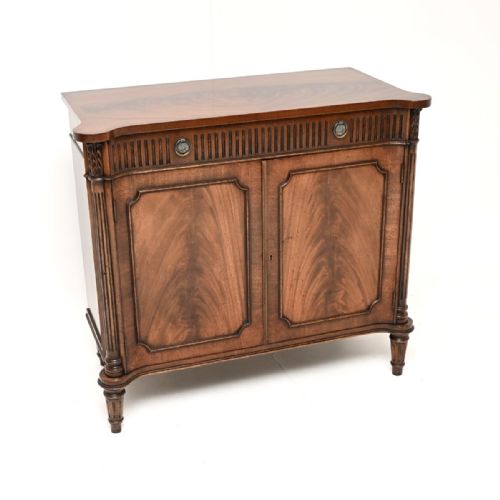
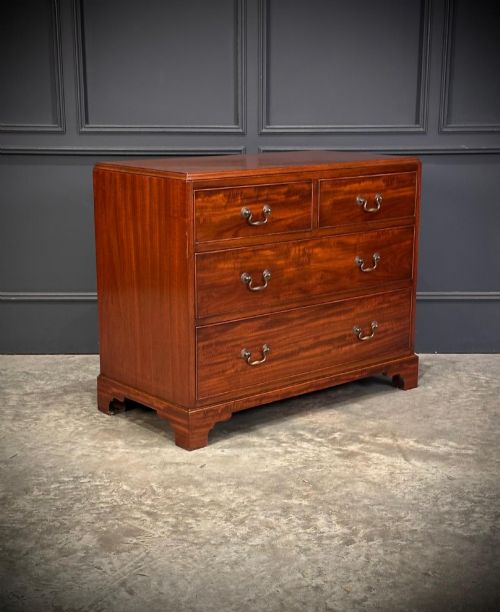
Buyers are most likely to meet bow-fronted chests of four drawers, pot cupboards, and occasional cabinets within this selection. These items demonstrate how cabinetmakers adapted traditional forms for domestic spaces, utilising mahogany solids and veneers to achieve a refined surface finish.
Materials and Construction
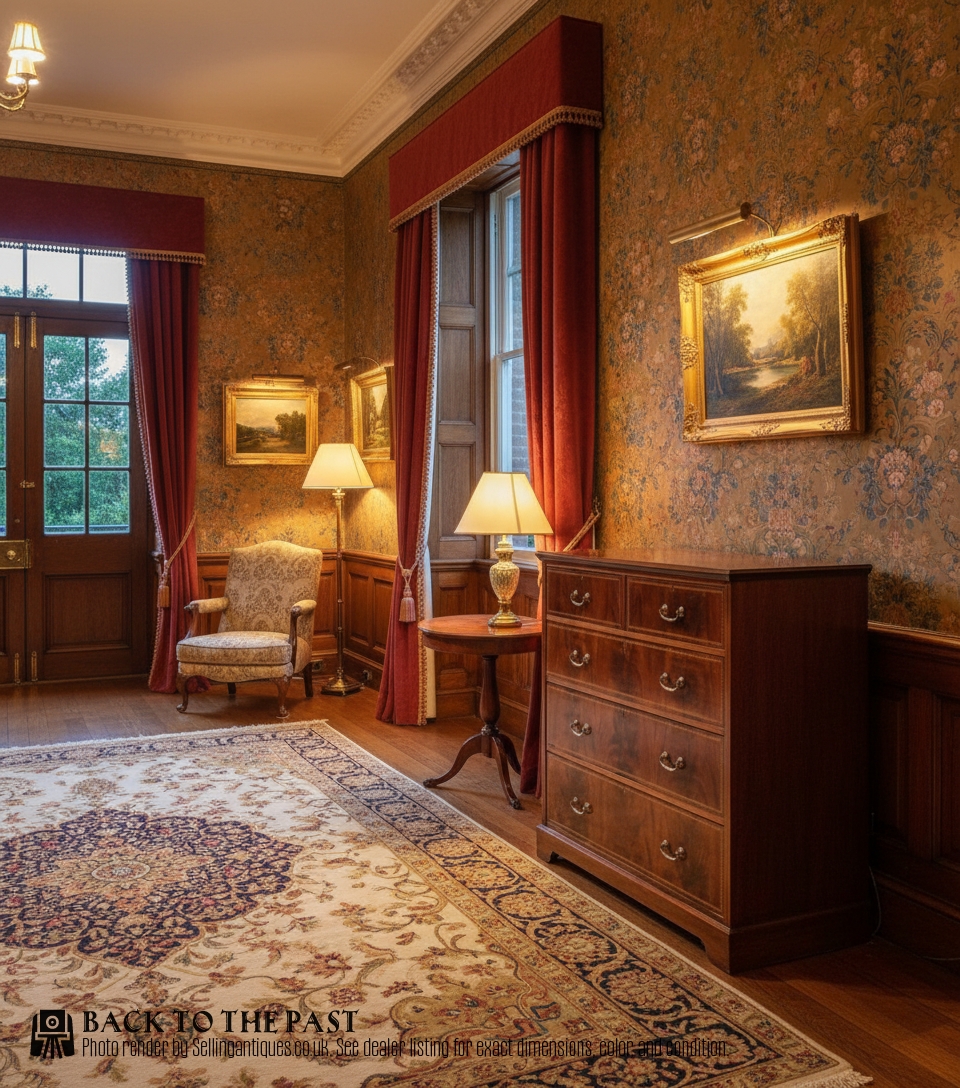
Makers relied heavily on mahogany as the principal timber, frequently selecting flame mahogany veneer for drawer fronts to create striking, figured grain patterns. Subsidiary timbers such as oak, pine, and boxwood appear in secondary framing, drawer linings, and stringing details.
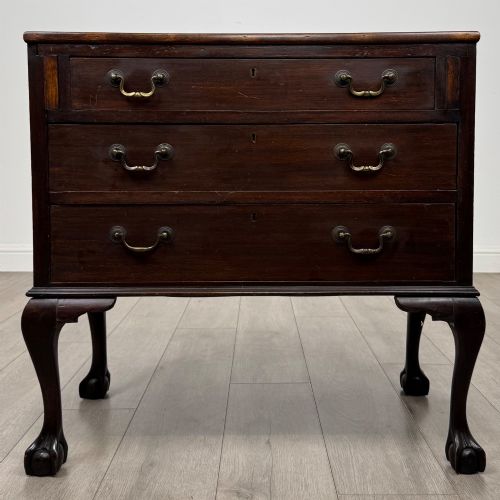
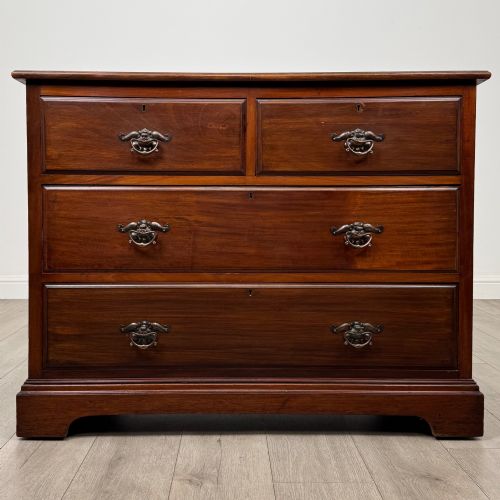
Surface enrichment often involved contrasting satinwood banding, hand-painted motifs, and fine brass hardware such as drop handles or backplates. Construction techniques combined solid timber framing with dovetailed drawer construction, ensuring structural endurance across the decades.
The object types span chests of drawers, side cabinets, bedside tables, console tables, and commode armchairs.
Judging Quality and Execution
Quality in these pieces rests upon the selection of timber and the precision of the cabinetmaker's joinery. Superior examples display carefully matched veneer grains across multiple drawers, maintaining visual continuity where lesser pieces show abrupt transitions.
The crispness of inlaid stringing, the integration of satinwood or boxwood banding, and the original state of brass fittings distinguish finer workshop output from more utilitarian production. Proportion and balance also separate standard items from superior pieces designed with serpentine or bow fronts.
Whytock & Reid·Druce & Co
The Edwardian Mahogany Commode Glossary
- Bow front
- A convexly curved cabinet front that projects outward in a smooth arc. This shape gained popularity during the Georgian period and remained a staple of later revival styles.
- Commode
- A low cabinet or chest of drawers, though the term also historically denotes enclosed chairs designed for sanitary purposes. Edwardian examples often bridge the gap between display storage and utility.
- Flame mahogany
- A veneer cut from the branch junction of the mahogany tree, displaying a distinctive flamed or feathered grain pattern. Cabinetmakers utilised this on primary surfaces for maximum visual impact.
- Satinwood banding
- A narrow strip of pale, yellow-toned exotic timber inlaid into the darker mahogany surface to create a contrasting border. It defines edges on table tops and drawer fronts.
- Sheraton Revival
- A late nineteenth and early twentieth-century design movement inspired by the lightness and classical ornamentation of eighteenth-century designer Thomas Sheraton. Pieces often feature painted details and delicate inlay.
Edwardian Mahogany Commode: Frequently Asked Questions
What is an edwardian mahogany commode?
An edwardian mahogany commode is a piece of domestic furniture produced around the start of the twentieth century, typically constructed from mahogany with decorative veneers.
These items range from small bedside cabinets and pot cupboards to drawer units and occasional commode armchairs fitted with original ceramic inserts.
How do I tell an edwardian piece from a georgian one?
Edwardian interpretations often show machine-sawn secondary timbers, lighter construction, and revival styling such as Sheraton Revival painted details.
Georgian originals feature hand-cut joinery, heavier timber scantlings, and patination developed over a longer operational lifespan.
Where were these pieces used in the home?
These cabinets served primarily in bedrooms as nightstands, pot cupboards, or drawer units for personal garments.
Bow-front chests and side cabinets also found placement in hallways and drawing rooms for general storage and display.
How should I care for mahogany furniture?
Keep mahogany pieces away from direct heat sources and strong sunlight to prevent the timber and veneer from drying out or fading.
Dust regularly with a dry cloth and apply occasional traditional wax polish to nourish the polished surface.