

Antique Pair of Cupboards
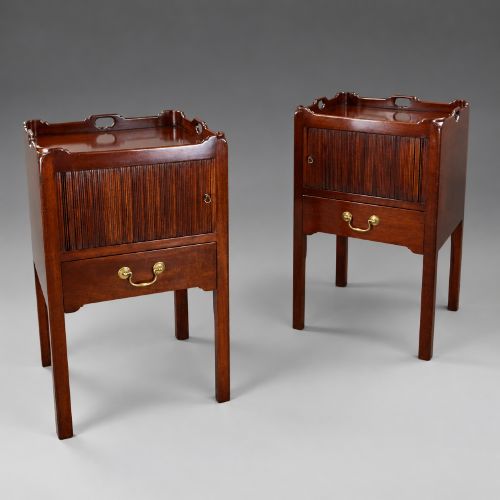
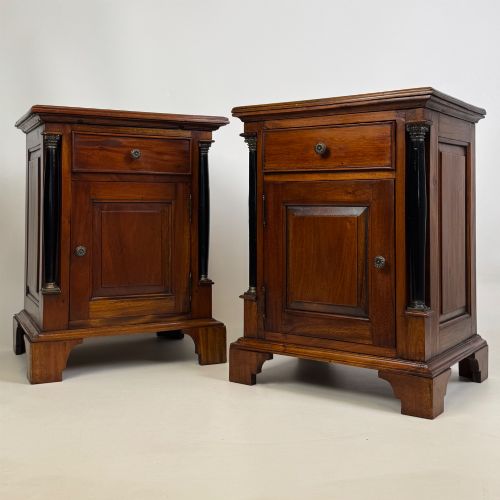
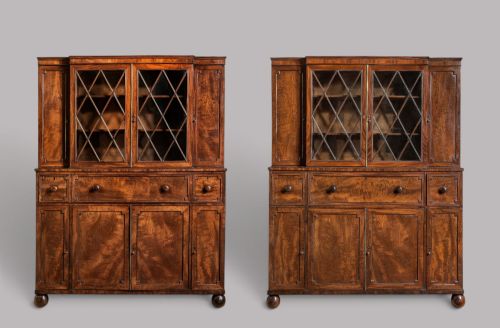
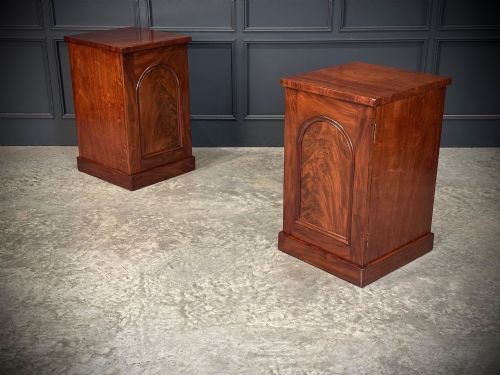
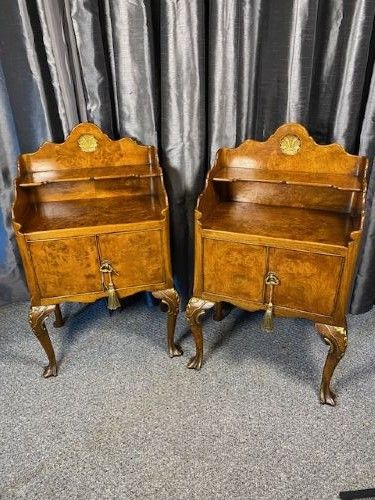
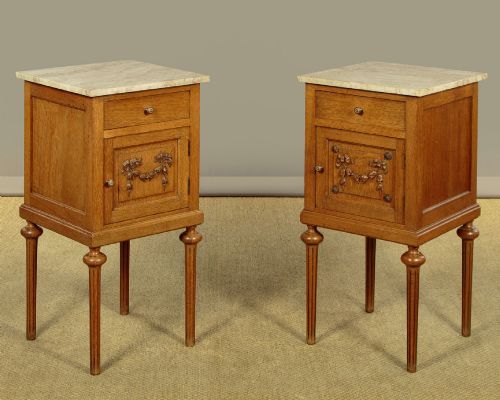
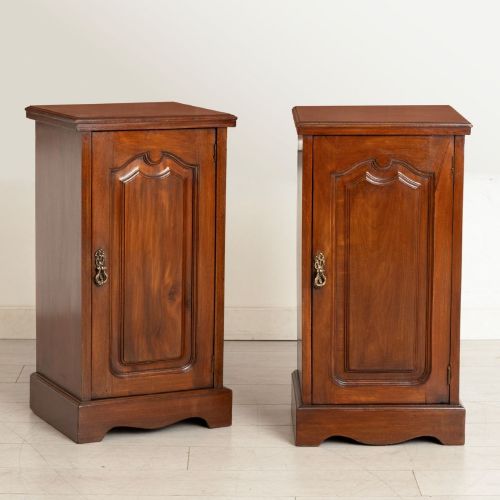
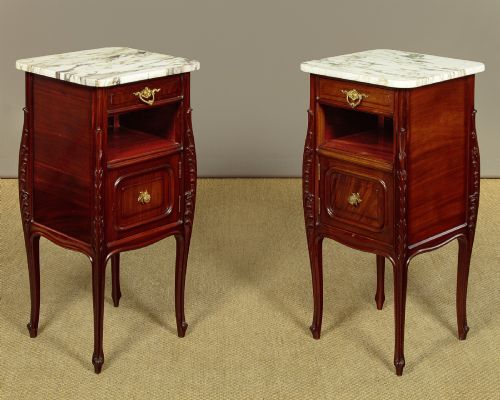
When you search for an antique pair of cupboards, you meet matched sets of small storage furniture mostly designed for the bedroom or bedside.
Antique Pair of Cupboards
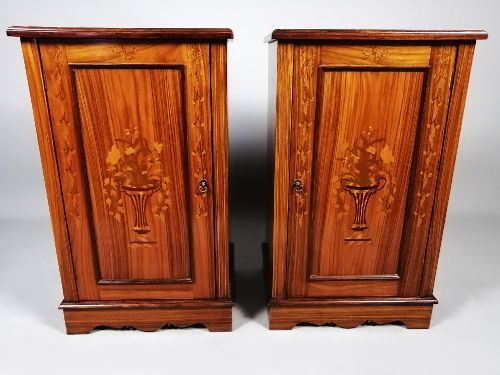
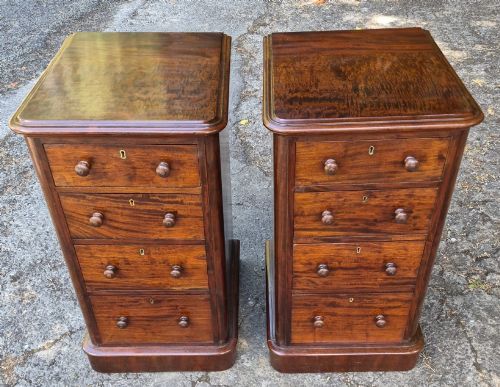
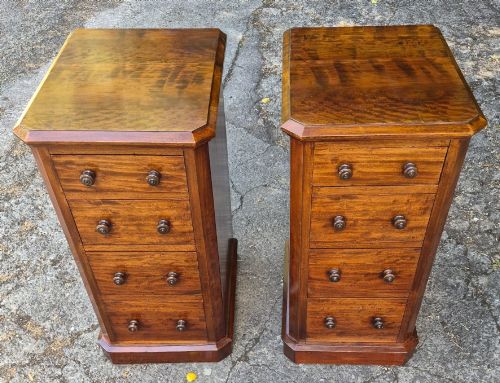
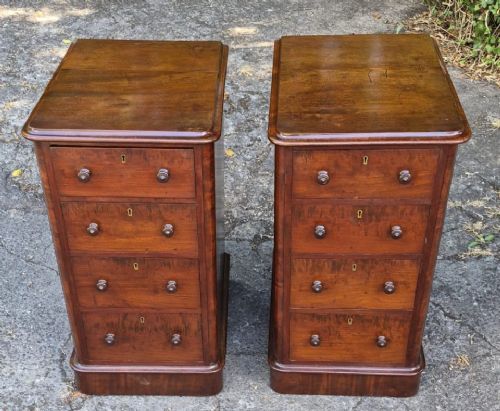
An antique pair of cupboards predominantly takes the form of bedside cabinets, nightstands, and small pedestal cupboards spanning the eighteenth, nineteenth, and early twentieth centuries.
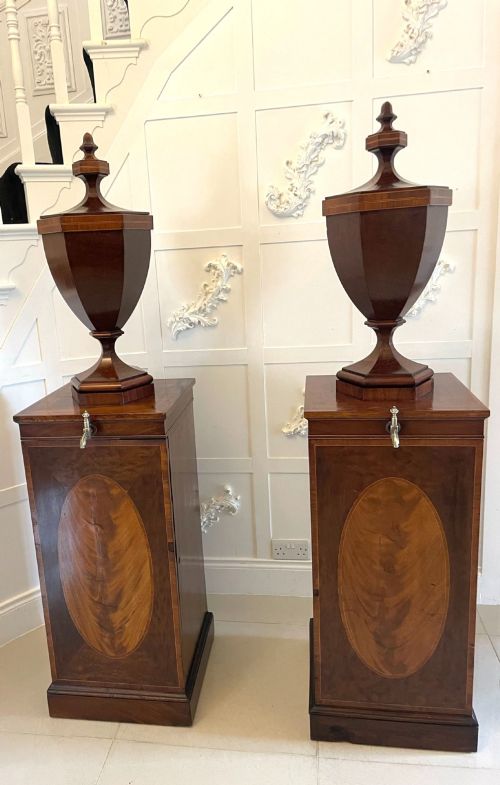
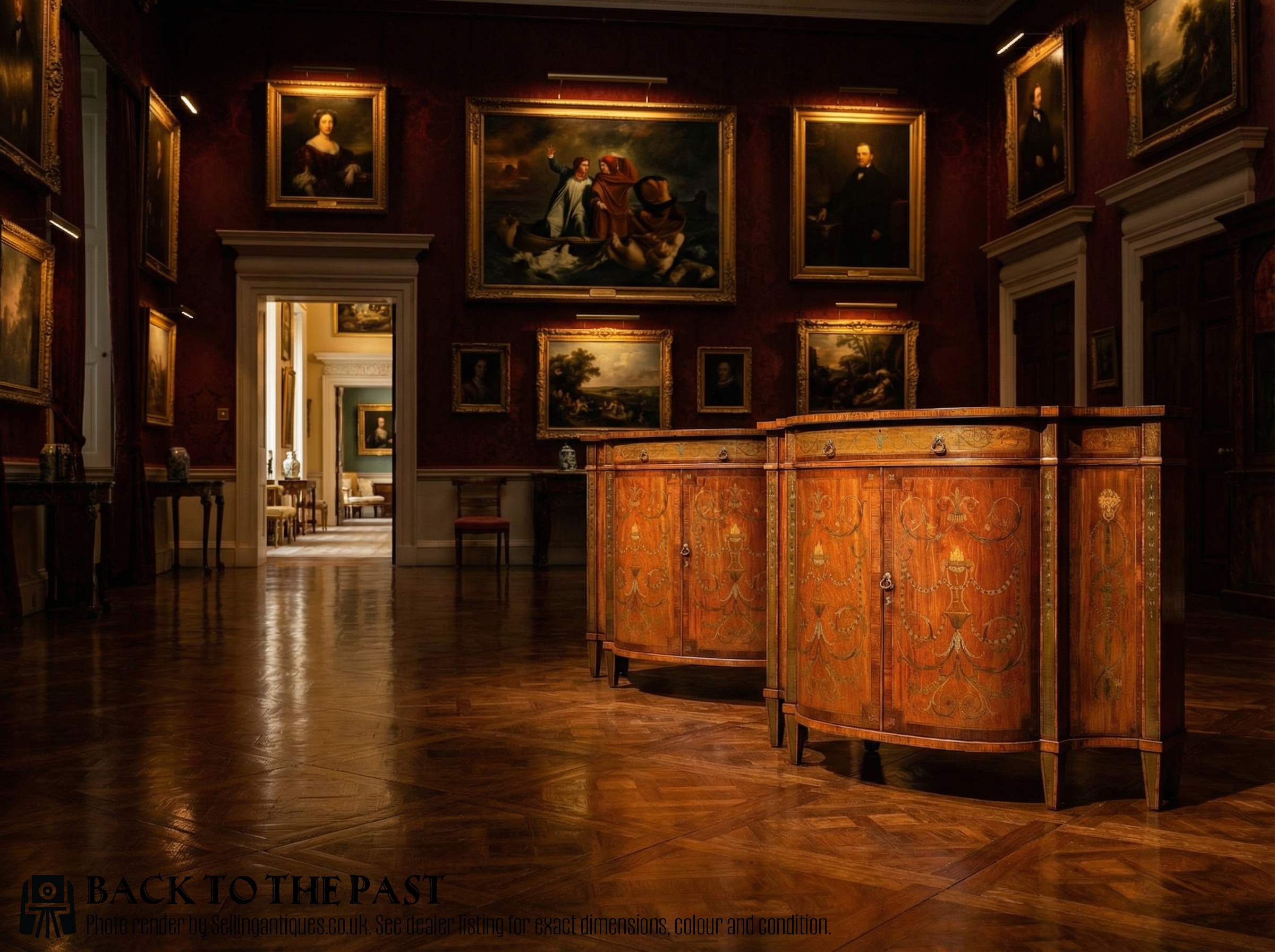
The selection ranges from Georgian mahogany pedestals and Victorian flame mahogany chests to Edwardian inlaid satinwood pieces and French walnut or oak designs.
Buyers commonly encounter these items configured as twin bedside units, alongside occasional side cabinets and corner cupboards suited for smaller spaces.
Materials and Construction
Cabinet makers relied heavily on dense hardwoods like mahogany, walnut, and oak, frequently applying finely figured veneers such as flame mahogany, burr walnut, and satinwood to primary surfaces.
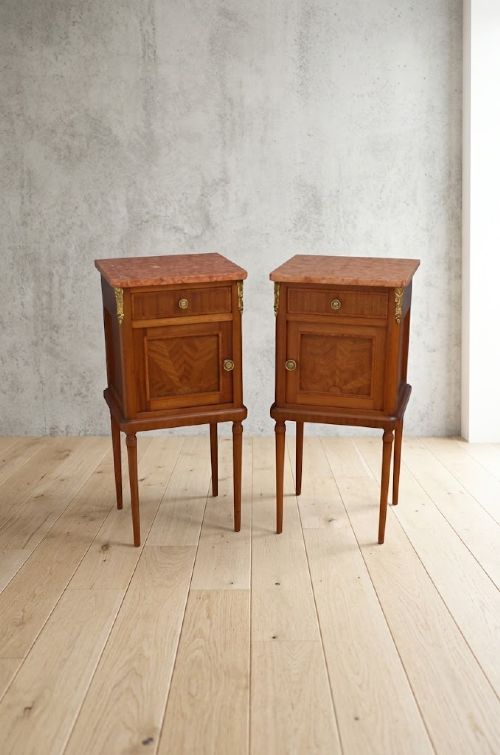
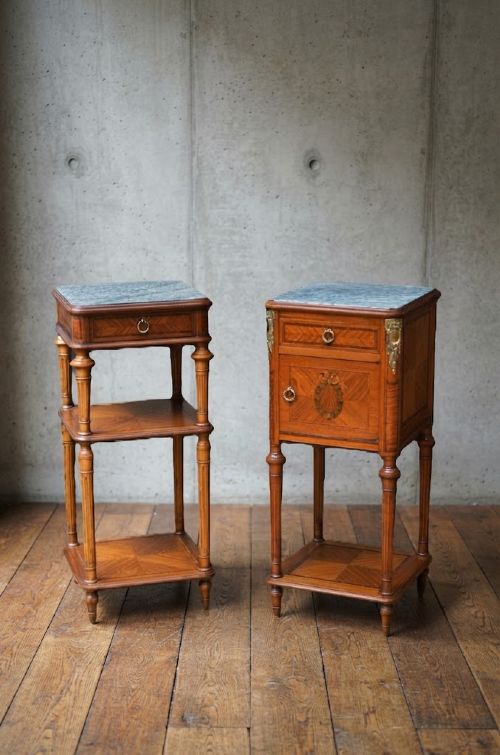
Many items incorporate contrasting inlays, marquetry, or brass fittings, while specific nineteenth and twentieth-century examples integrate inset marble tops for added durability and surface utility.
Some nineteenth-century bedside cabinets conceal pull-out porcelain chamberpot drawers disguised as innocent stacks of shallow wooden books.
Gradations in Quality
Superior examples demonstrate careful timber selection, where wood grains on matched doors and drawers mirror each other precisely across both pieces in the pair.
The refinement of internal carcase construction, subtle hand-carved decorative elements, and original brass or porcelain hardware separate standard utility items from exhibition-grade commissions.
Gillows·Warings Liverpool
The Antique Pair of Cupboards Glossary
- Pedestal cupboard
- A tall, single-door cabinet traditionally designed to stand beside a bed or support an urn. These units often feature a concealed interior shelf or drawer.
- Flame mahogany
- A veneer cut from the branching fork of a mahogany tree, producing a distinctive flickering, flame-like grain pattern. Cabinet makers prize this figure for principal drawer fronts and door panels.
- Marquetry
- The art of applying decorative veneer pieces in geometric or pictorial patterns onto a carcase structure. Craftsmen utilise various coloured woods to achieve tonal contrast.
- Serpentine
- A furniture front curving outward in the centre and inward at the sides in a gentle 'S' shape. This profile requires advanced woodworking skill to execute properly.
- Parquetry
- Geometric mosaic woodwork formed by small fitted veneer tiles arranged in repeating patterns. This technique frequently appears on French bedside cabinets from the nineteenth century.
Antique Pair of Cupboards: Frequently Asked Questions
Were these always used as bedside tables?
While the majority function as nineteenth and twentieth-century bedside storage, earlier eighteenth-century examples served as pedestal cupboards or wine urn stands in dining spaces.
Over successive decades, changing domestic habits transformed these small cabinets into standard bedroom fixtures for holding lamps and personal items.
How do I match mismatched cupboards?
Matching separate single cabinets requires careful comparison of timber species, cabinet height, and overall proportions rather than strict adherence to a single date.
Look for shared stylistic details such as bracket feet, similar handle placements, or matching veneer types to create a cohesive pair.
Are marble tops original to these cabinets?
Inset marble slabs commonly appear on nineteenth-century French and English bedside cabinets to provide a durable, heat-resistant surface for washing equipment and night-lamps.
Original marble tops typically fit flush into a rebated wooden frame designed specifically to support the weight of the stone.
How should I clean antique wood surfaces?
Maintain polished hardwood surfaces by applying traditional beeswax sparingly with a soft cloth, following the direction of the natural grain.
Avoid modern liquid silicones and excessive moisture, which can degrade fragile historic polishes and loosen delicate veneer work.