
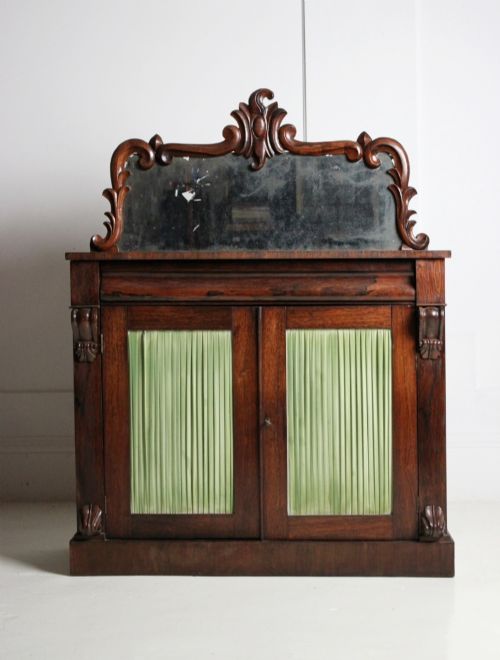
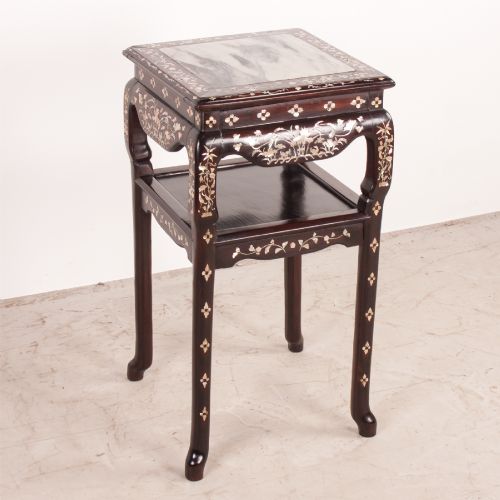
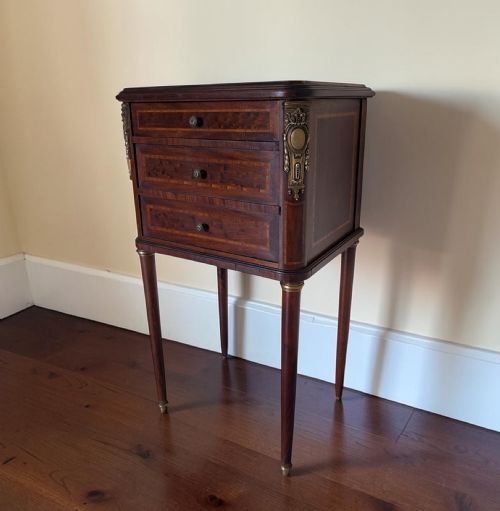
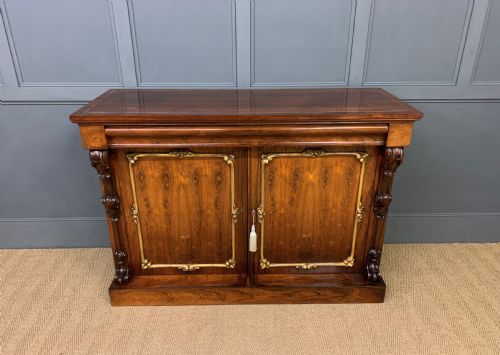

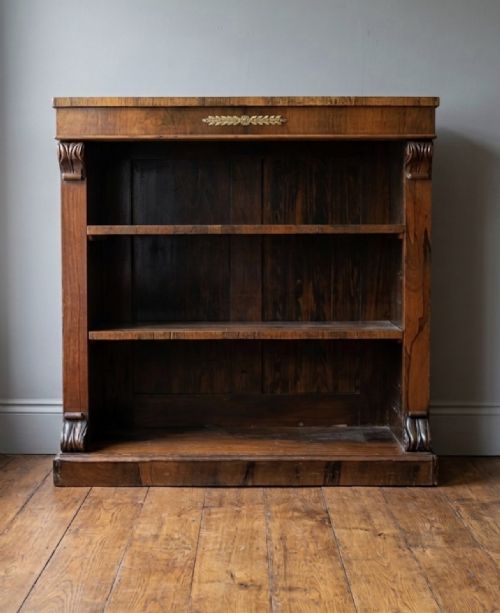


Carved Rosewood Side Cabinet
A carved rosewood side cabinet offers a dense tropical timber surface and practical display space for formal rooms.
Carved Rosewood Side Cabinet
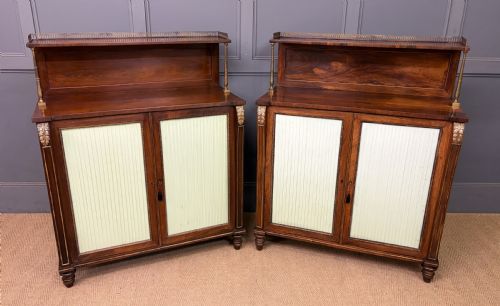
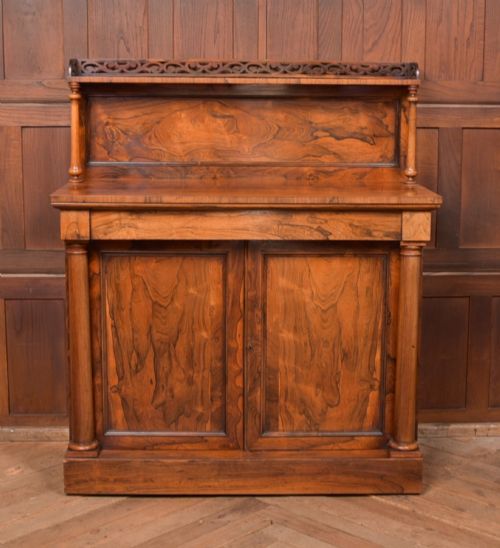
A carved rosewood side cabinet represents a functional storage piece originating primarily from nineteenth-century workshops, drawing on Regency, Victorian, and William IV designs.
The pieces on this page span British, French, and Chinese origins, encompassing low sideboards, chiffoniers, credenzas, and dwarf cabinets.
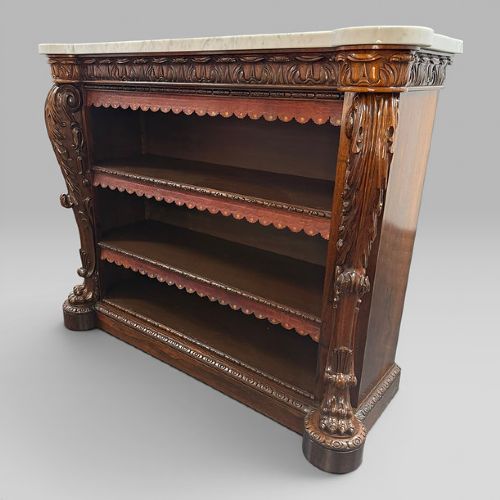
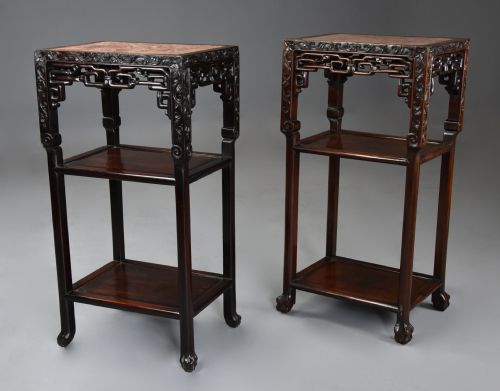
Buyers seeking a carved rosewood side cabinet encounter variants featuring marble tops, glazed doors, mirrored backs, or intricate oriental carvings.
Materials and Construction
Cabinet makers utilised dense exotic timbers, primarily rosewood and hardwood, often applied as veneers over secondary woods.
Structural embellishments frequently integrated marble tops, brass mounts, mirrored glass panels, and detailed hand carving.
Joining techniques relied on traditional cabinet-making methods suited to heavy tropical hardwoods and delicate inlay work.
Several diminutive tables hide intricate compartments designed for nineteenth-century card games and small personal treasures.
Assessing Craftsmanship
Quality rests in the depth and crispness of the carving, the selection of figured timber veneers, and the integrity of the structural joints.
Superior examples incorporate high-grade secondary materials such as original marble slabs, gilt bronze mounts, or finely preserved mother-of-pearl inlay.
The refinement of internal shelving, door alignment, and overall proportion separates standard utilitarian pieces from exceptional cabinet-maker commissions.
James Plunckett Art Furniture Makers·Gillows
The Carved Rosewood Side Cabinet Glossary
- Chiffonier
- A low sideboard or cabinet featuring shelves or a mirrored superstructure, common in Victorian interiors.
- Credenza
- A sideboard or display cabinet lacking high legs, frequently fitted with doors and central compartments.
- Rio Rosewood
- A dense, heavily figured Brazilian timber highly prized in Regency cabinet making for its rich dark grain.
- Shodana
- A traditional Japanese or Chinese multi-tiered display cabinet designed for small decorative objects.
- Veneer
- A thin layer of decorative rosewood applied to a stable secondary timber carcass to create patterned surfaces.
Carved Rosewood Side Cabinet: Frequently Asked Questions
Where did people use these cabinets?
These cabinets served primarily in dining rooms and drawing rooms to store china, linen, or books while displaying decorative ornaments on top.
Their substantial construction and formal appearance suited the reception rooms of grand nineteenth-century homes.
How do I identify a Regency piece?
Regency pieces often display classical architectural proportions, brass inlay, and dark Rio rosewood timbers without heavy Victorian ornamentation.
They rely on clean lines and restrained decorative mounts rather than the elaborate carving seen later in the nineteenth century.
Are marble tops original?
Many nineteenth-century side cabinets and tables incorporated fitted marble slabs to provide a durable, heat-resistant surface for serving or display.
White or veined marble tops were standard specifications for high-end French and English pieces intended for formal reception spaces.
How do I care for rosewood?
Rosewood requires stable indoor humidity away from direct sunlight and heat sources to prevent timber shrinkage and veneer splitting.
Periodic dusting with a soft dry cloth maintains the finish without the need for heavy modern polishes or silicones.