
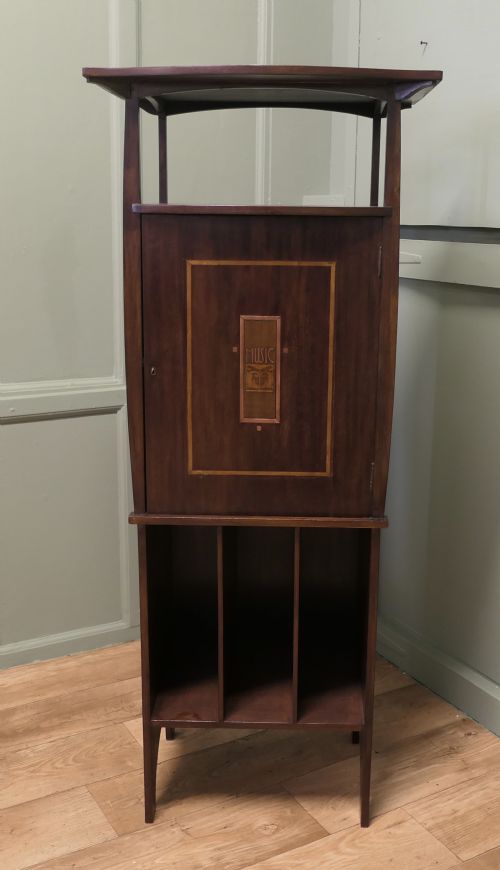
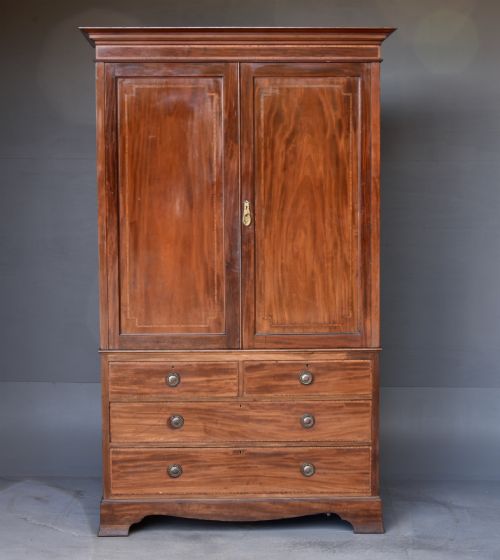


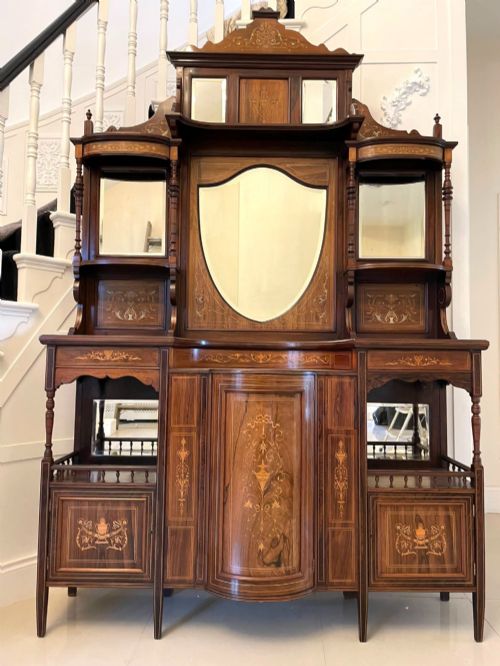
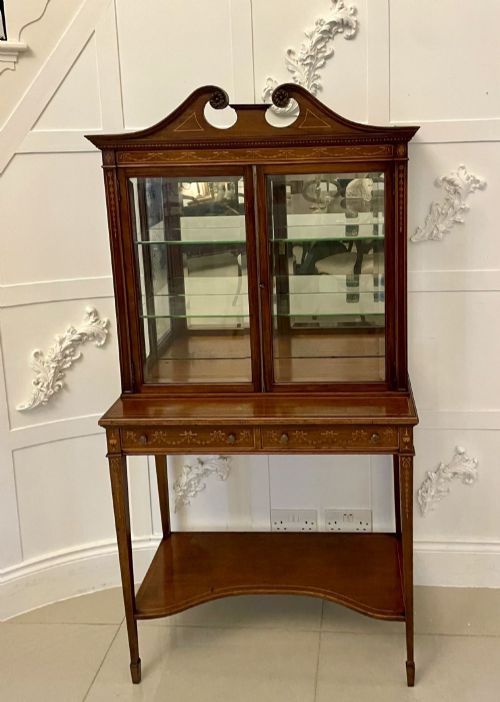
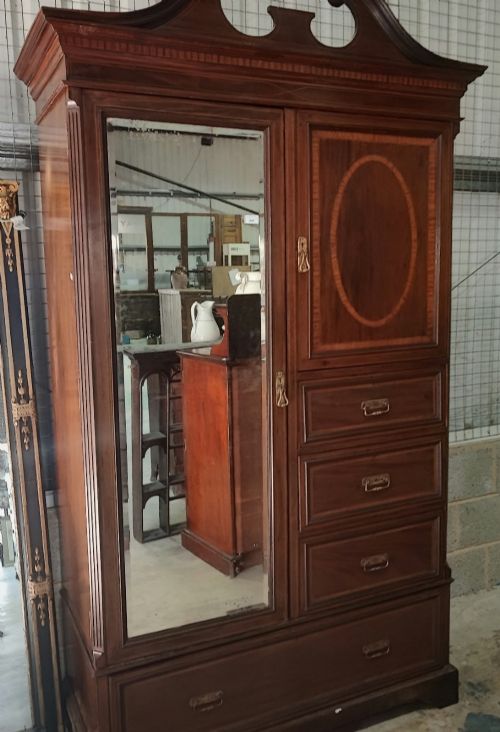
Victorian Inlay Cabinet
When you search for a victorian inlay cabinet, you seek the rich wood figures and delicate marquetry that defined nineteenth-century reception rooms.
Victorian Inlay Cabinet
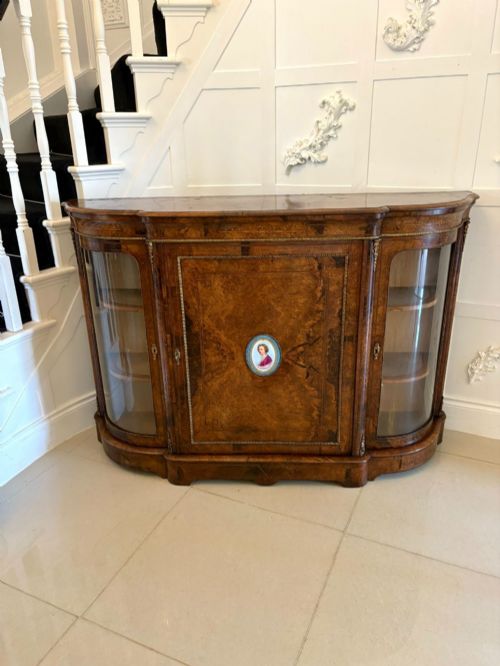
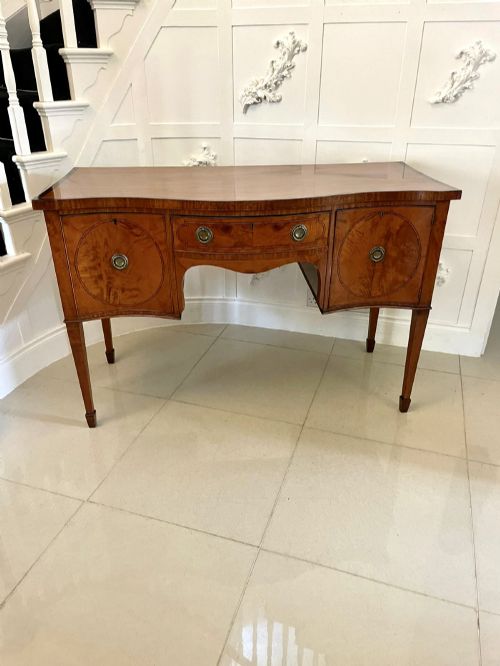
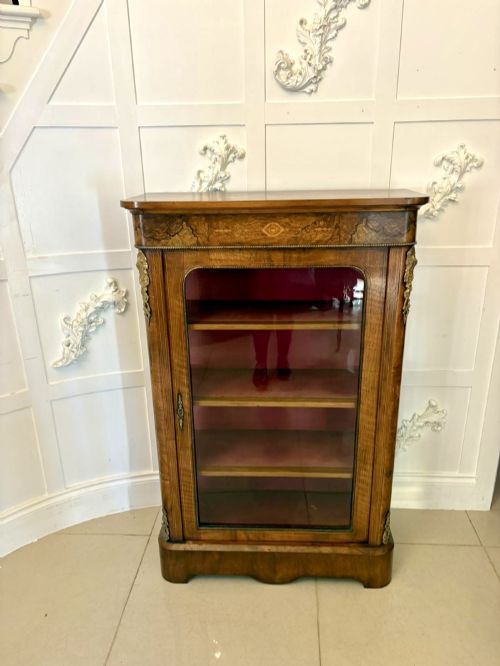
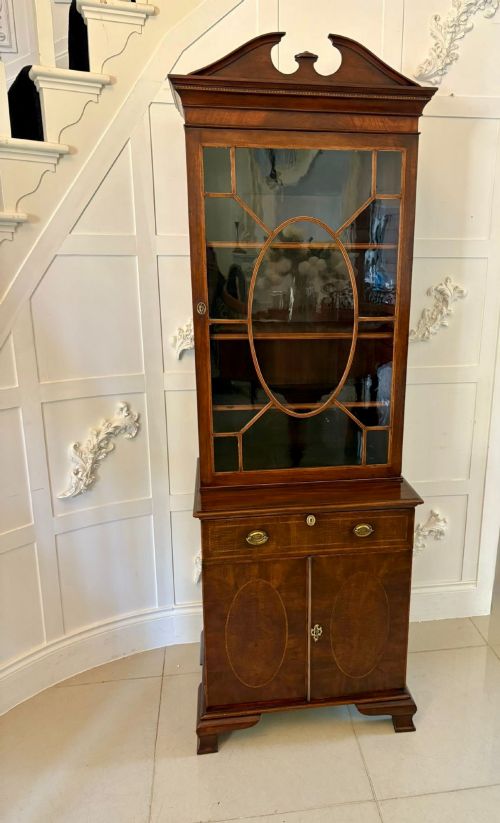
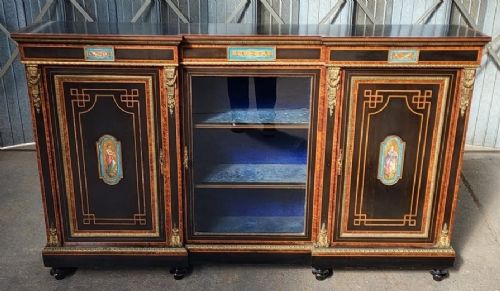
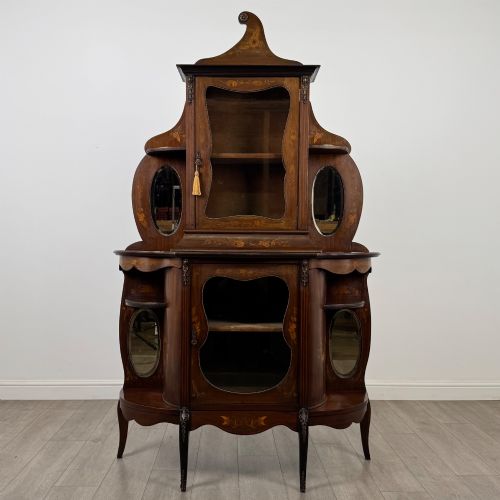
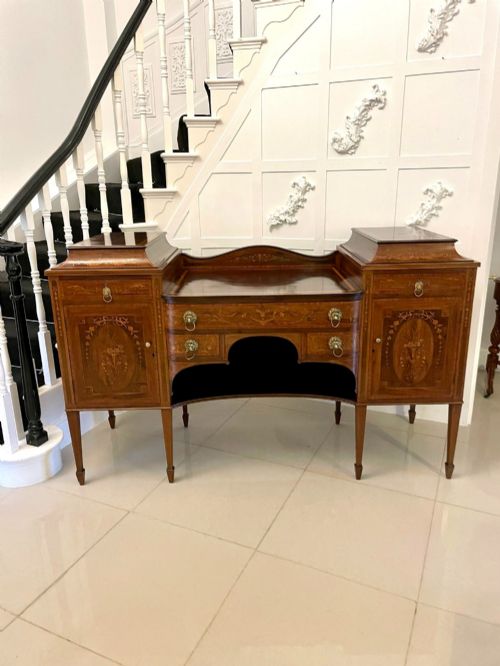
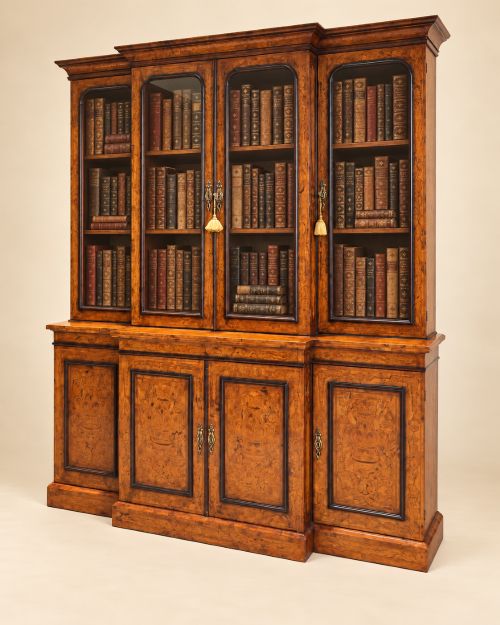
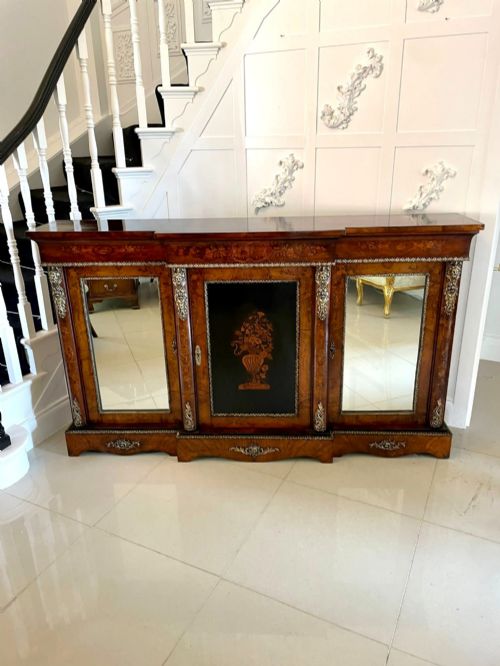
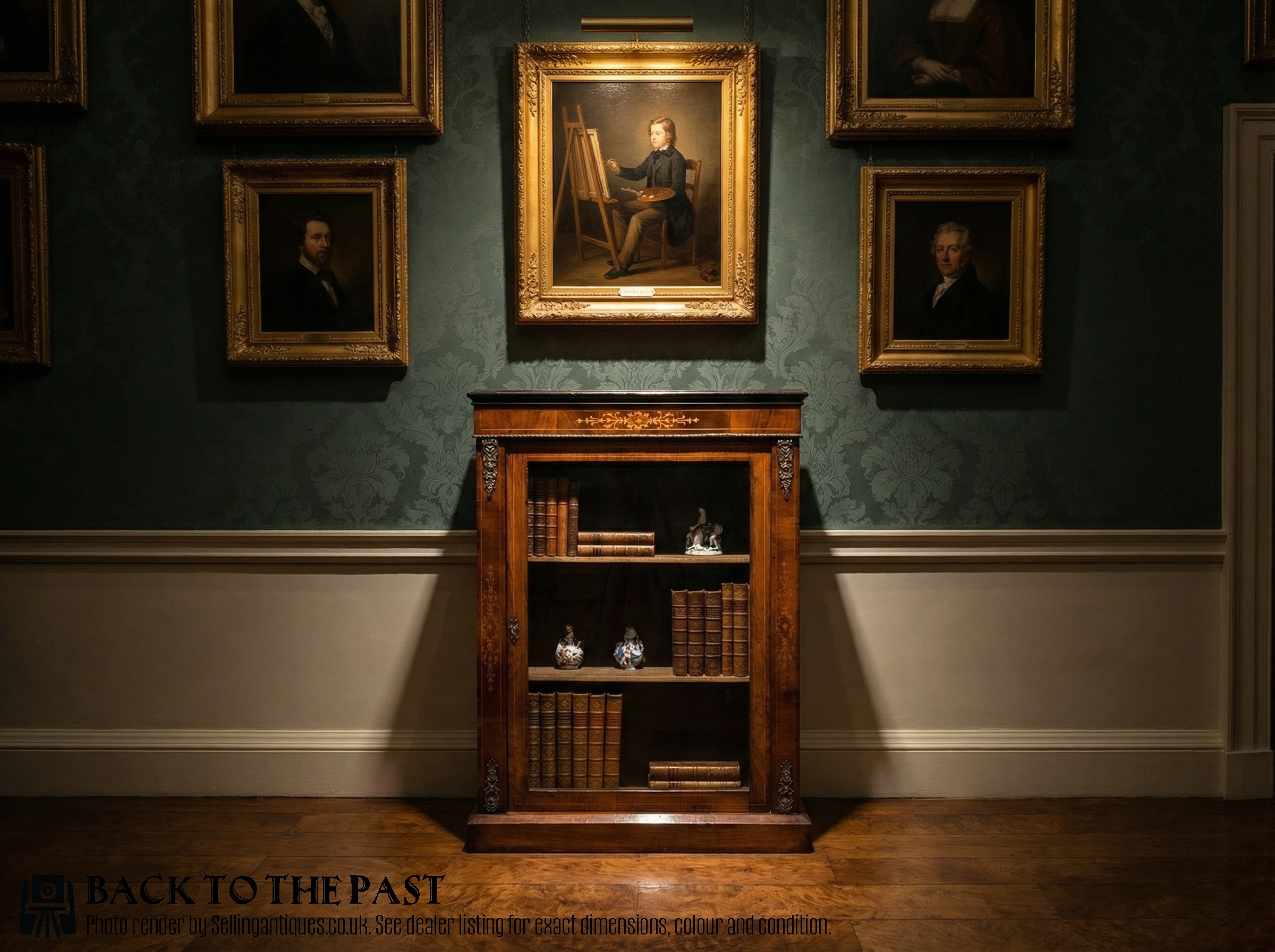
A victorian inlay cabinet encompasses a broad variety of domestic storage furniture from the nineteenth century, ranging from low pier cabinets and glazed display cases to substantial credenzas and bookcases. The pieces you meet most often on this page take the form of burr walnut pier cabinets and mahogany display furniture, frequently produced during the middle and late decades of the Victorian era.
Makers and workshops of the period utilised styles spanning from Sheraton Revival and Aesthetic Movement to Arts and Crafts, reflecting shifting interior tastes. Credenzas and side cabinets frequently incorporate glazed central doors flanked by curved side compartments, while smaller pier cabinets sit snugly against drawing room walls.
The material palette of these cabinets draws heavily on richly figured timbers such as burr walnut, rosewood and satinwood, contrasted with delicate boxwood stringing and floral marquetry motifs. Occasional examples integrate gilt brass or ormolu mounts and porcelain plaques, elevating the utility of the piece into a display of status.
Materials and Technique
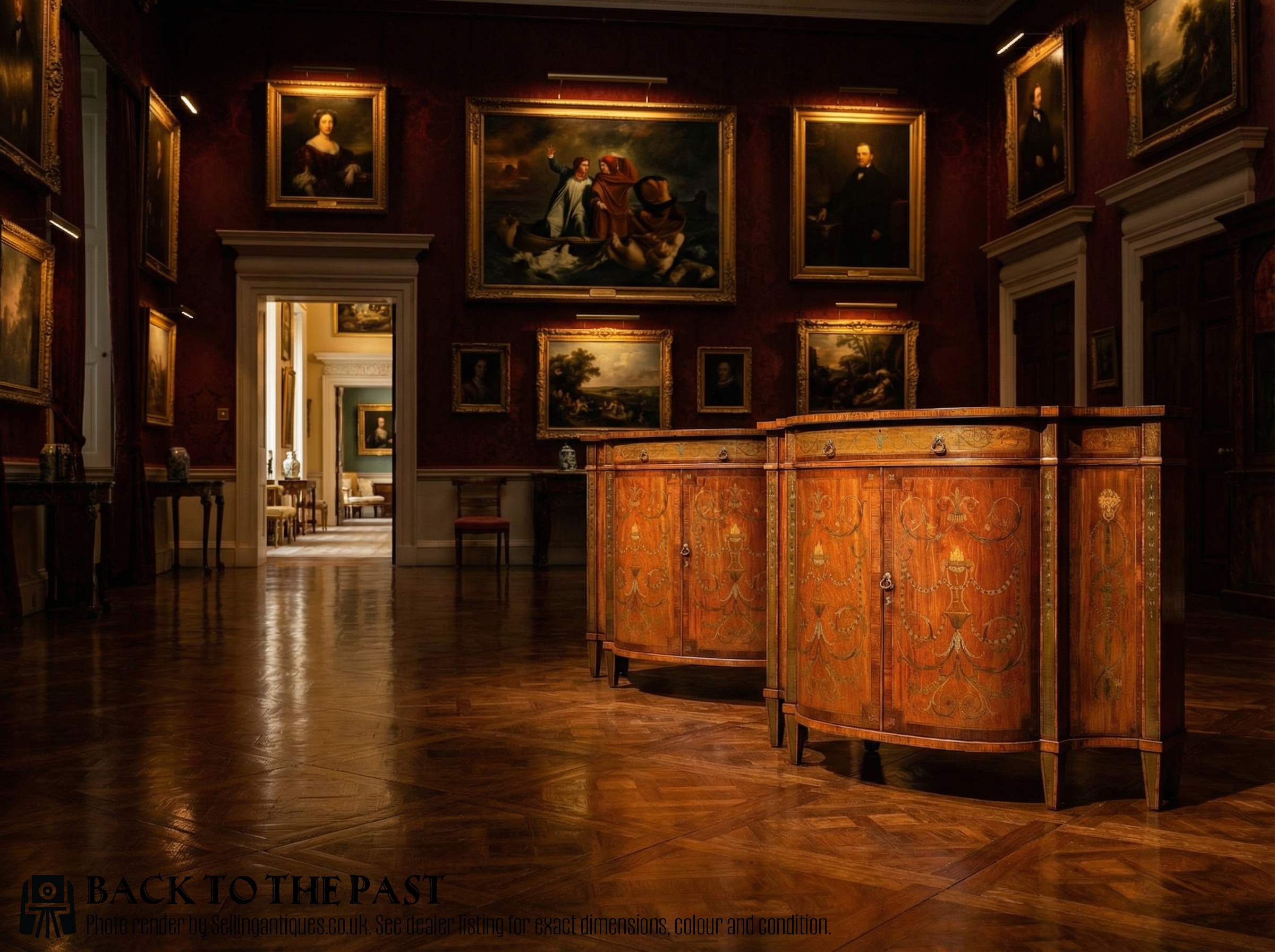
Cabinet makers of the period constructed carcasses from solid secondary timbers like pine or mahogany, applying fine veneers of burr walnut, rosewood or satinwood to the primary surfaces. The distinct swirling grain patterns observed on these cabinets stem from selecting growth burls, which required careful slicing and balancing across door panels.
Surface ornament relied upon precision marquetry and inlay, setting contrasting woods into recessed channels to form floral sprays, scrolls and geometric banding. Brass stringing, ormolu mounts and gilt bronze details were then cast and fitted by hand to accentuate the architectural lines of the credenzas and display cases.
Victorian Inlay Cabinet Retail Price Guide 2026
Typical asking prices for victorian inlay cabinet among the pieces listed under this phrase on Sellingantiques today, from the lower quarter to the upper quarter. They describe what is for sale here now, not the wider market.
Smokers cupboards appear among the archive records, offering miniature Victorian storage for tobacco and pipes.
Standards of Craftsmanship
The distinction between ordinary production and superior work lies in the depth of timber selection and the precision of the marquetry cut. Finer examples display tightly matched grain across all panels and meticulously fitted inlay where individual wood species retain sharp, clean junctions without visible filler.
Hardware and internal construction further separate the grades, as top-tier pieces employ heavy cast brass mounts, original working locks, and secondary timbers of solid mahogany rather than cheaper deal. The integration of hand-chased ormolu and hand-painted porcelain plaques indicates a commission intended for a high-status interior.
Hewetsons London·GM Elwood for JS Henry·maples and co·Edwards and Roberts·Collinson and Lock
The Victorian Inlay Cabinet Glossary
- Marquetry
- A decorative technique of applying veneer pieces to a structure to form picture designs or geometric patterns. It differs from inlay by covering the entire surface rather than resting inside carved channels.
- Burr walnut
- A prized timber harvested from the burl growths of walnut trees, yielding turbulent and highly decorative grain patterns. Makers utilised these veneers on primary display surfaces.
- Pier cabinet
- A narrow freestanding cabinet designed specifically to fit against the wall space between windows. These pieces often feature glazed doors to protect collections of ceramics and books.
- Ormolu
- Gilded bronze furniture mounts cast and chased by hand to provide metallic contrast against dark woods. The technique was widely applied during the Victorian revival periods.
- Credenza
- A low dining or drawing room sideboard featuring a central cupboard flanked by curved glass doors. Victorian iterations frequently incorporate extensive floral inlay and gilt mounts.
Victorian Inlay Cabinet: Frequently Asked Questions
Where should I place a pier cabinet?
These narrow cabinets were originally built to occupy the narrow wall spaces between drawing room windows. Today, they suit hallways, alcoves or compact sitting rooms where floor space is limited.
Because they frequently feature glazed doors, they function well for displaying small collections of porcelain, glassware or books while protecting them from dust.
How do I care for burr walnut veneer?
Burr walnut requires stable indoor humidity and protection from direct sunlight to prevent the thin historical veneers from drying and lifting. Avoid placing these cabinets near modern heat sources or radiators.
Maintenance involves occasional dusting with a dry, soft cloth and sparing applications of traditional beeswax to nourish the timber surface without building up residue.
How can I tell a Victorian cabinet from an Edwardian one?
Victorian pieces tend to employ heavier timbers like burr walnut and rosewood, accompanied by dense floral marquetry, dark ebonising and prominent ormolu mounts. The overall aesthetic leans toward rich, formal display.
Edwardian cabinets often shift toward lighter satinwood foundations, Sheraton Revival influences, and more restrained, delicate stringing reflecting a preference for airier domestic interiors.