
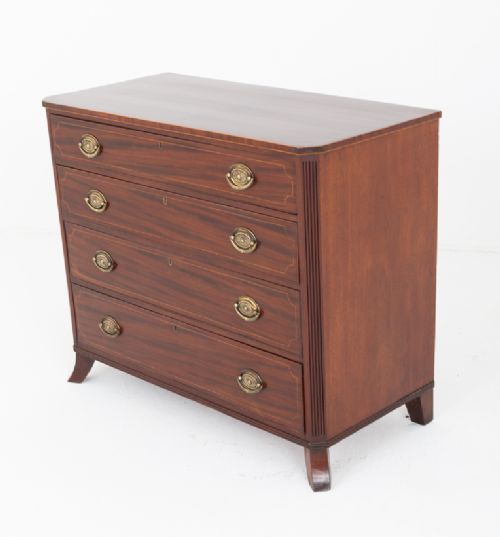
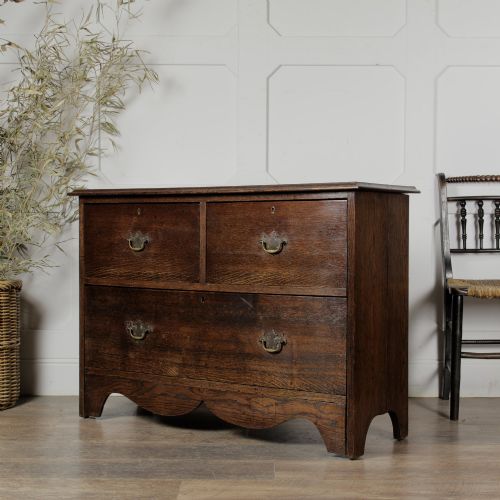
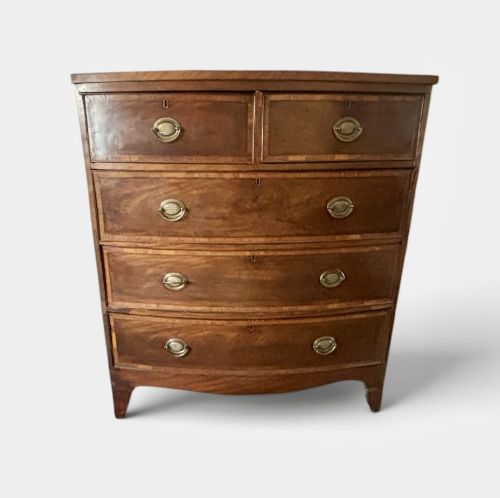


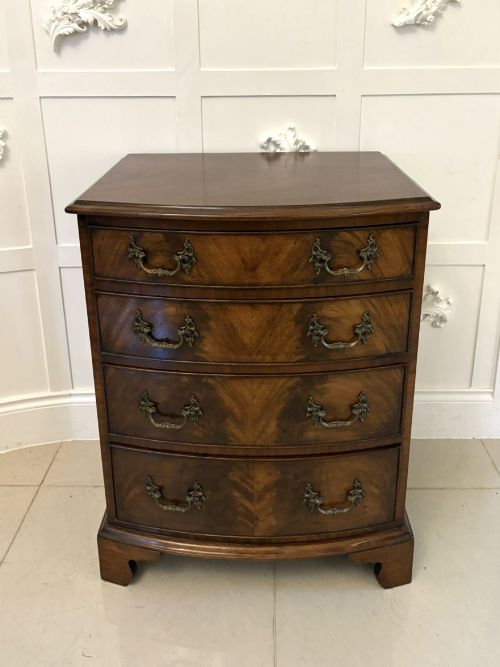
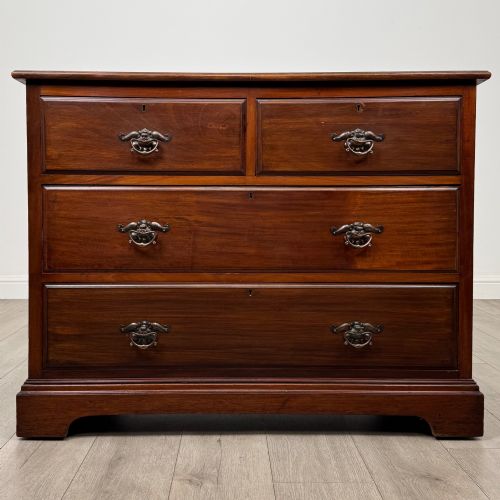
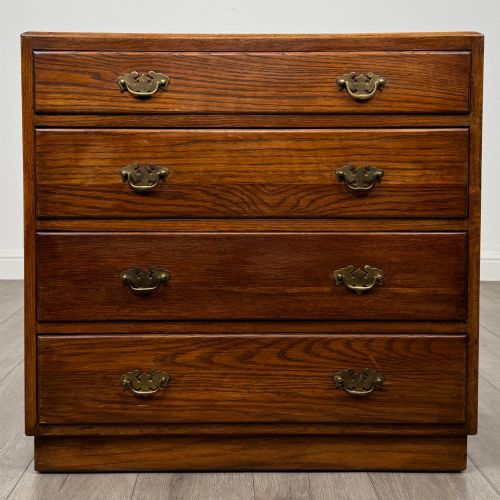
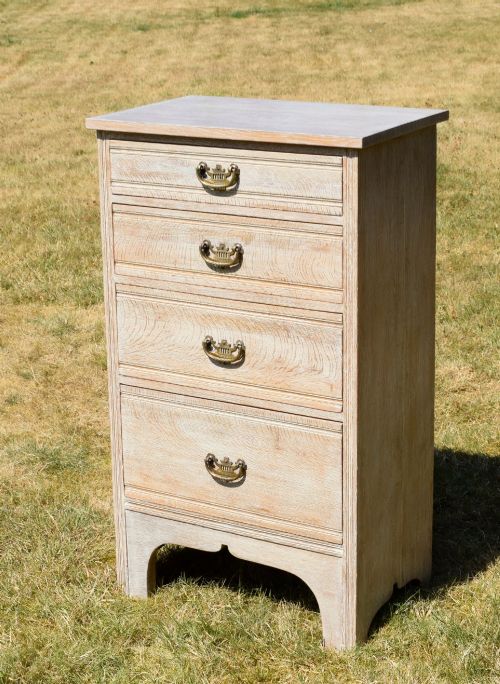
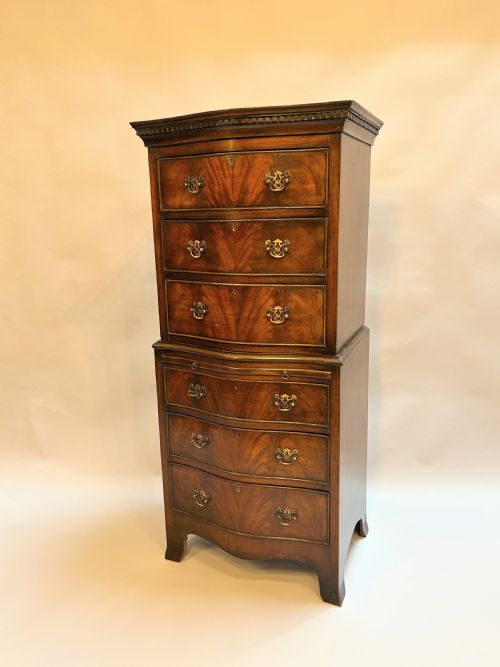
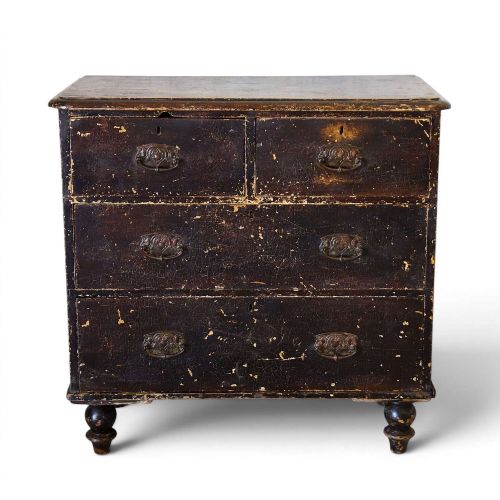
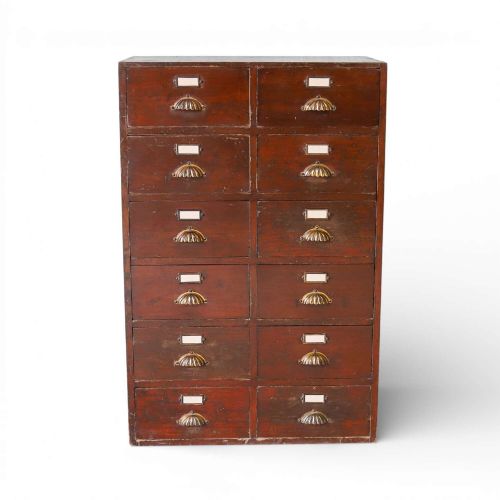
Edwardian Brass Handle Chest
An Edwardian brass handle chest brings sturdy timber and patinated metal together, offering a practical storage solution that anchors any bedroom.
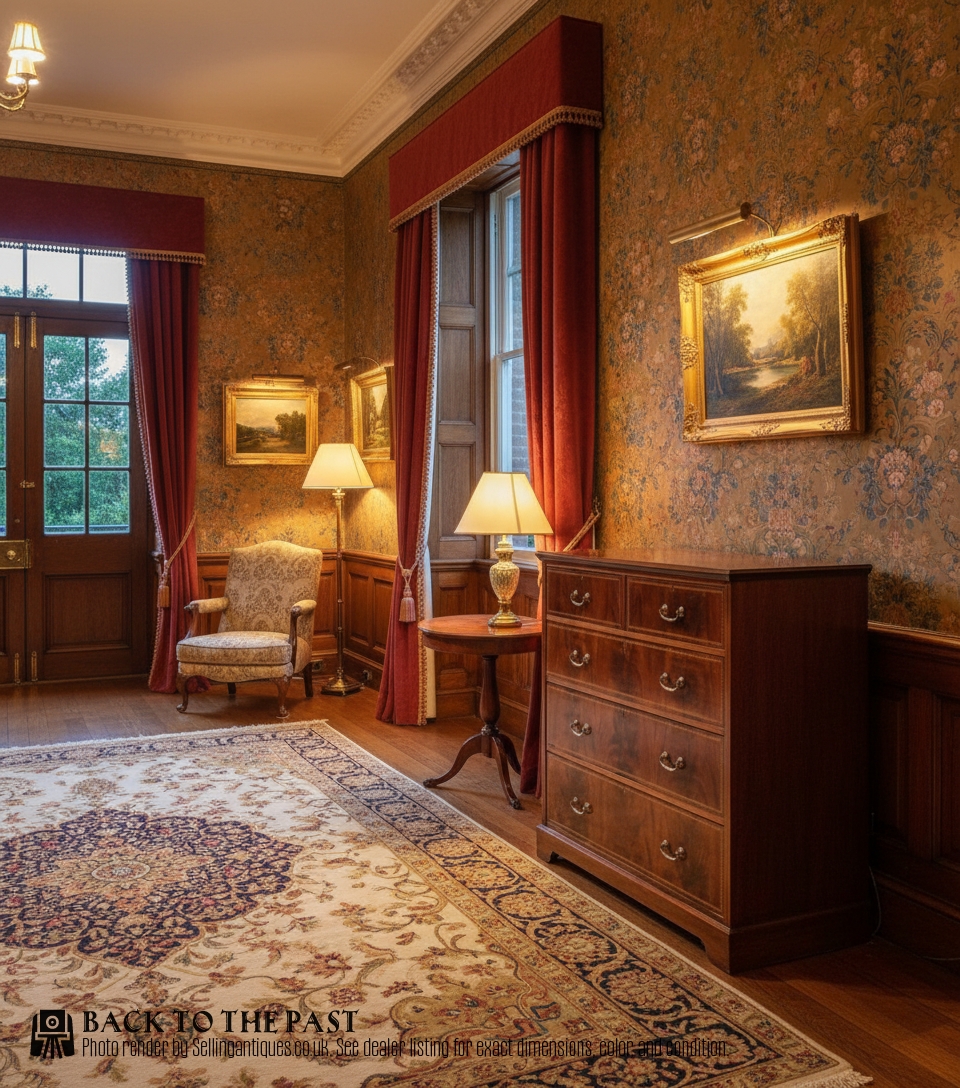
Edwardian Brass Handle Chest
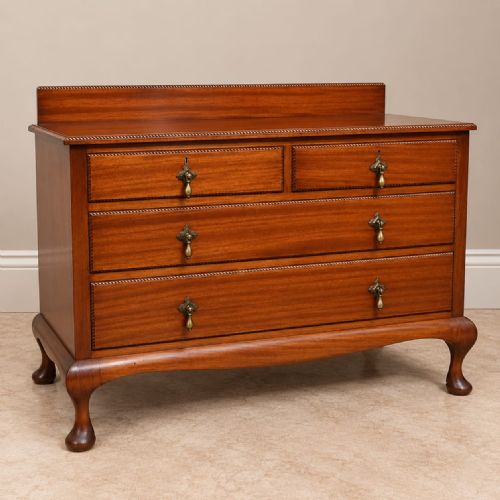
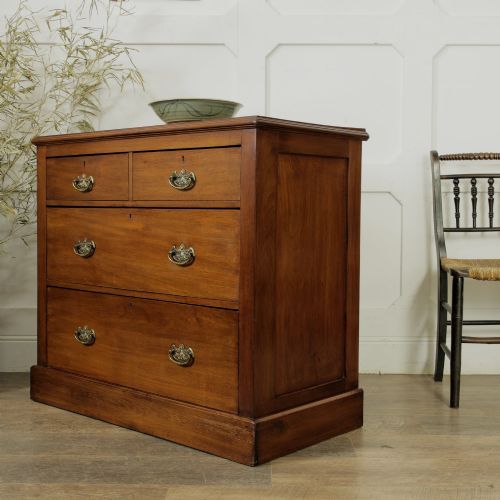
The edwardian brass handle chest combines period utility with domestic elegance, predominantly taking the form of mahogany or oak drawer units produced around the turn of the twentieth century. These pieces draw heavily on earlier georgian and regency proportions while serving contemporary household storage needs.
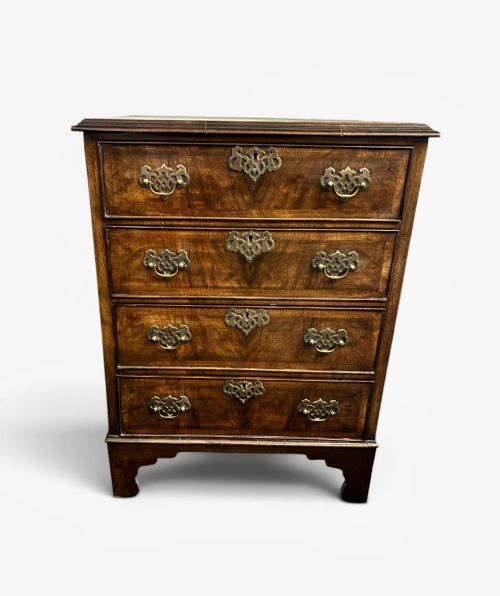
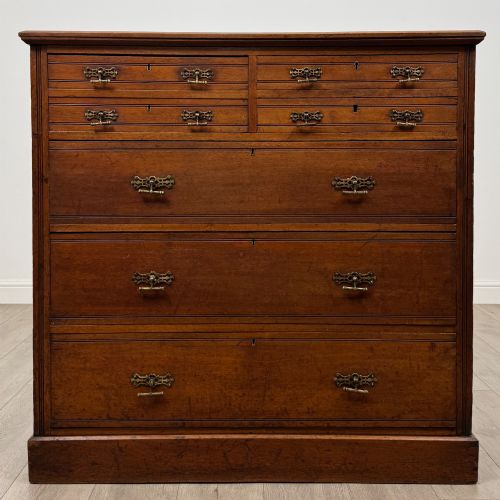
Buyers encounter numerous variations on this page, ranging from compact walnut bow fronts and tallboys to multi-drawer filing cabinets and satinwood dressers. The core design relies on clean rectilinear carcases fitted with robust metal pulls.
The material palette spans dark mahogany, golden oak, figured walnut, and painted pine, reflecting the diverse cabinet-making traditions active between eighteen eighty and nineteen twenty. Each timber brings distinct grain patterns that define the visual character of the storage unit.
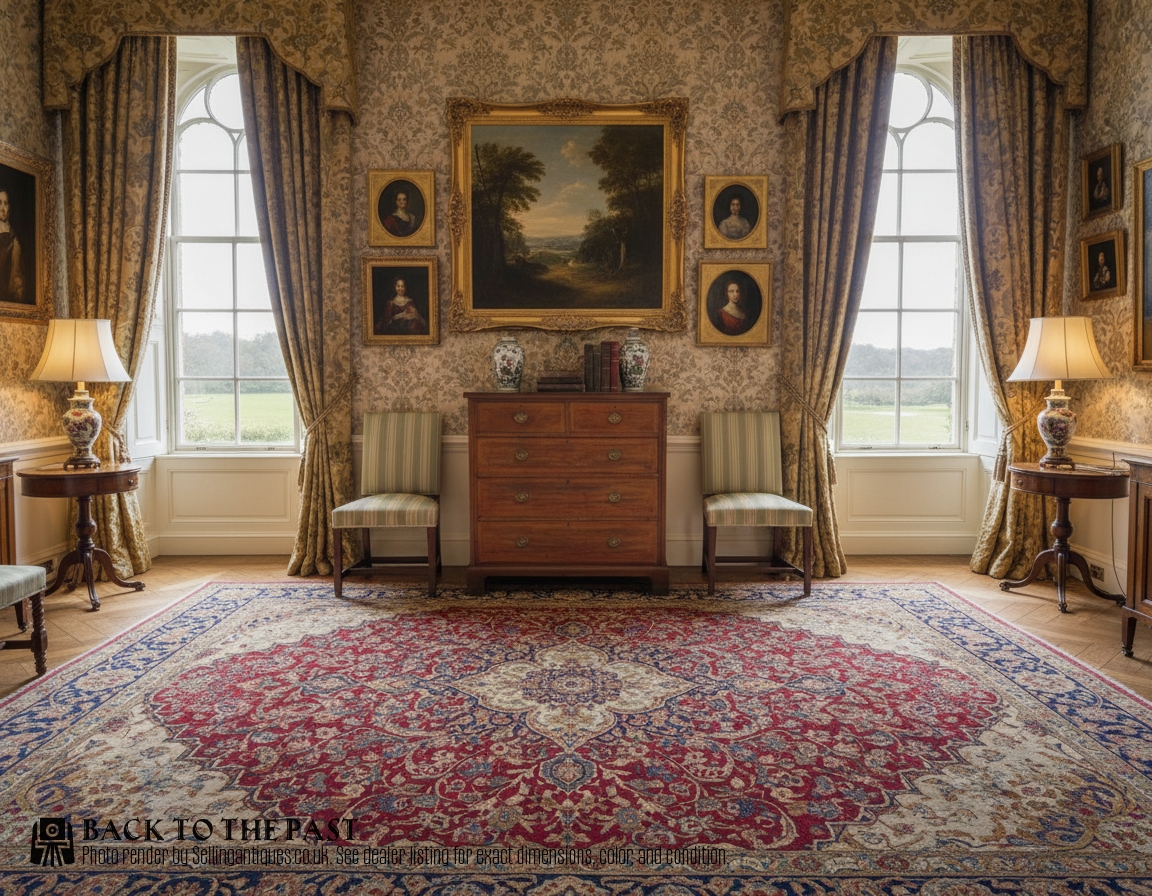
Construction and materials
Cabinet makers constructed these carcases using solid hardwoods such as mahogany and oak, frequently applying satinwood or boxwood bandings for decorative contrast. Drawer construction typically utilised tight dovetail joints to ensure durability under daily use.
Hardware forms an integral part of the manufacturing process, with cast brass drop handles, ring pulls, and shell handles secured through the drawer fronts. Original backplates and escutcheons complete the metalwork ensemble, anchored firmly to the timber.
Some office cabinets arrive equipped with original label holders designed to keep rogue paperwork from escaping into the wild.
Assessing quality
Quality rests heavily on the selection of timber veneers and the precision of the joinery, distinguishing standard utilitarian pieces from high-end cabinet work. Superior examples exhibit tightly figured mahogany or burr walnut matching across the drawer fronts.
The integrity of the original brass hardware and the smoothness of the drawer action separate standard items from finer survivals. Untouched metalwork with correct patination preserves the authentic integrity of the period piece.
Jas Shoolbred·Harris Lebus
The Edwardian Brass Handle Chest Glossary
- Bow front
- A convex curved drawer front that projects outward at the centre. This shape gained popularity during the georgian era and returned in later revivals.
- Crossbanding
- A narrow strip of veneer laid across the grain of the primary timber to form a decorative border. It frequently frames the drawer edges on mahogany pieces.
- Scumble paint
- A translucent paint layer manipulated with tools to simulate wood grain or create textured patterns. It appears on pine pieces from the arts and crafts period.
- Brushing slide
- A pull-out shelf integrated above the top drawer used for folding clothes or placing items temporarily. It represents a hallmark of finer eighteenth and nineteenth century cabinet making.
- Dovetail
- A traditional interlocking joint formed by wedge-shaped pins and tails. It secures drawer sides to fronts without relying on metal fasteners.
Edwardian Brass Handle Chest: Frequently Asked Questions
How do I identify an Edwardian chest?
Edwardian chests typically display lighter timber tones, slender proportions, and restrained decorative inlay compared to heavier victorian predecessors. They often utilise machine-sawn internal components alongside hand-cut dovetails.
Hardware on these pieces frequently includes stamped brass drop handles or ring pulls fixed to mahogany, oak, or satinwood carcases.
Are the brass handles usually original?
Many surviving pieces retain their original cast brass hardware, though replacements matching period patterns do occur on the market. Inspecting the interior of the drawer front reveals old fixing holes if handles were swapped.
Original handles develop a natural dark patination and fit the shadow marks left on the timber surface.
Where should I place this chest?
These chests suit bedrooms, hallways, or living spaces where surface display and concealed storage are both required. Their versatile footprints accommodate corners as well as flat wall placement.
Keeping the timber away from direct heat sources prevents the solid wood and veneers from drying out or splitting.
What woods were commonly used?
Mahogany remains the predominant timber, accompanied by oak, walnut, satinwood, and pine. Cabinet makers selected these woods for both structural stability and rich grain presentation.
Inlays of boxwood or contrasting veneers frequently accent the primary timber surfaces on revival styles.