


Traditional Flatweave Area Rug
These traditional flatweave area rug examples bring tribal artistry and heritage to floors, prized for their graphic geometry and historic provenance.
Traditional Flatweave Area Rug
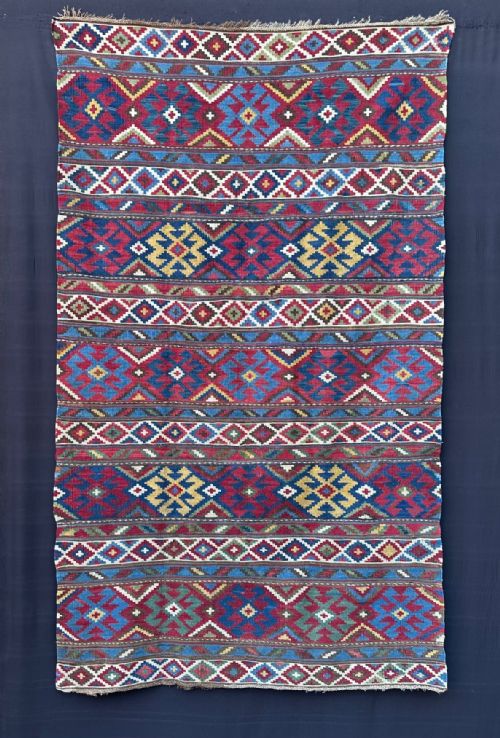
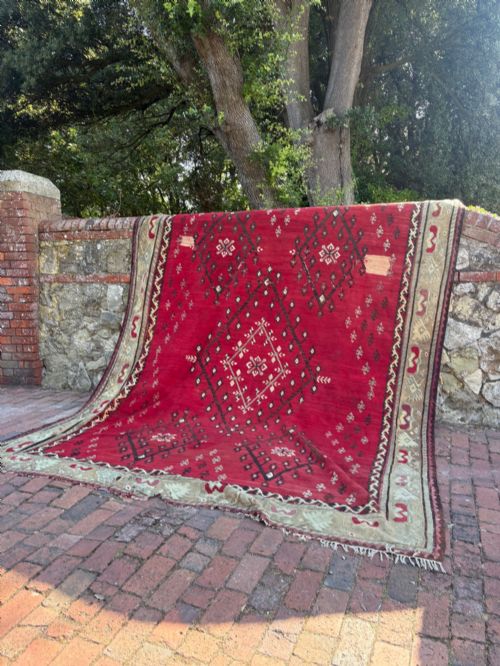
When searching for a traditional flatweave area rug, buyers encounter historic textiles originating from regions spanning the Caucasus, Anatolia, Persia, and Eastern Europe. These items provide durable, pileless floor coverings created through weaving techniques passed down through generations in tribal and village communities.
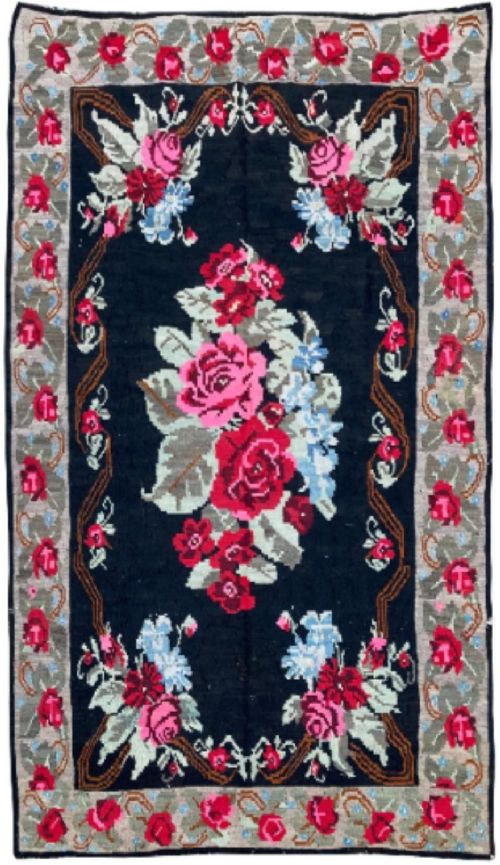
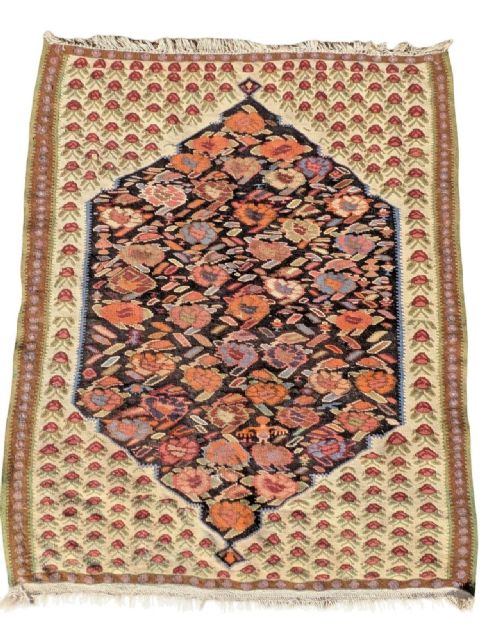
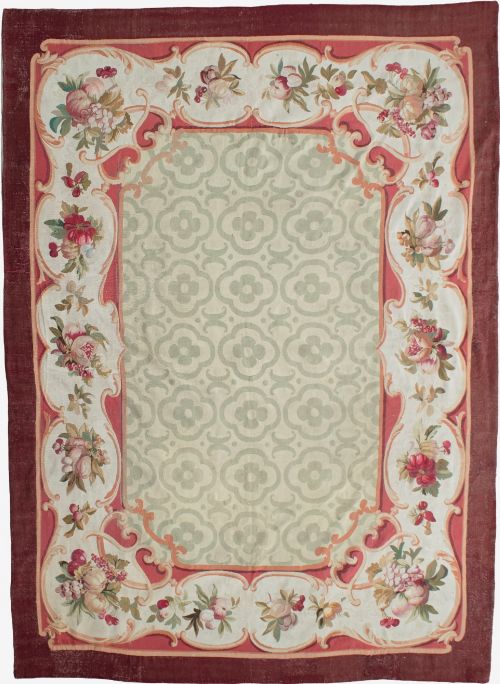
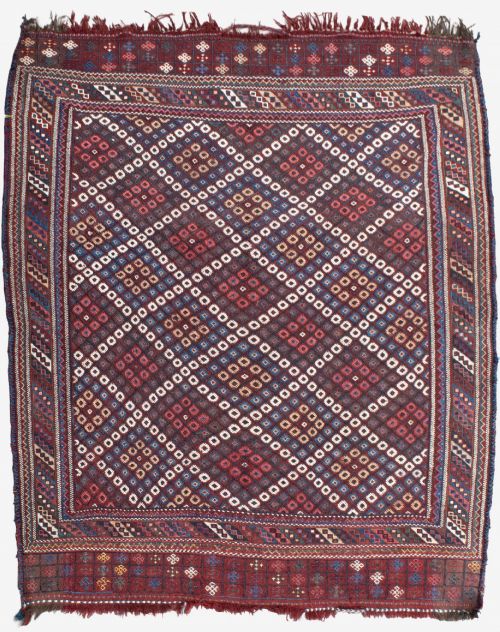
The most common examples on this page are kilims and soumaks dating from the mid-nineteenth century to the early twentieth century. These textiles exhibit distinct regional designs, ranging from bold geometric medallions to intricate floral patterns.
The selection encompasses large room-size carpets as well as smaller runners and scatter rugs. Each piece reflects the specific weaving traditions of its geographic origin, such as Shirvan, Bessarabia, or Pirot.
How they were made
These textiles rely on natural fibres like wool and cotton spun by hand and dyed using traditional methods to achieve lasting colour. Weavers interlace warp and weft threads tightly to produce a flat, durable surface without a raised pile.
Certain regional variations incorporate specialised techniques such as the Soumak wrap method, which creates a textured surface by wrapping supplementaryweft threads around the warp. Others involve weaving pieces in separate halves and joining them meticulously down the centre.
Embroidery and needlepoint techniques also appear in specific geographic styles, adding raised textural elements or intricate pictorial details directly onto the woven foundation.
Weavers occasionally wove large carpets in two separate longitudinal halves before joining them with invisible stitches down the middle.
What varies in quality
The degree of fineness in the weave dictates much of the visual and structural character of each textile. Tighter knotting and precise manipulation of the warp and weft threads allow for sharper geometric definition and greater longevity under foot.
The integrity of the dye work distinguishes superior examples. Textiles retaining rich, uniform hues derived from traditional dyestuffs display a depth of colour that remains visually engaging over decades of light exposure.
Structural preservation also plays a role. Pieces that retain their original kilim ends, selvedges, and uncompromised foundations represent the higher tier of surviving historic weaving.
The Traditional Flatweave Area Rug Glossary
- Kilim
- A pileless textile produced by tightly interweaving warp and weft strands to form a flat surface. These pieces often feature sharp geometric motifs dictated by the slit-weave technique.
- Soumak
- A flatweaving technique involving supplementary weft threads wrapped around the warp to create a textured, braided face. This method yields a sturdier structure than standard tapestry weaving.
- Warp
- The stationary vertical threads stretched across a loom that serve as the foundational skeleton for the textile. The weft threads are passed over and under these structural elements.
- Weft
- The horizontal threads driven through the warp to build the pattern and colour field of the rug. In flatweaves, these yarns are packed tightly to conceal the warp entirely.
- Selvedge
- The self-finished edges of a textile that prevent the outer warp threads from unravelling. Original selvedges indicate a well-preserved historic piece.
Traditional Flatweave Area Rug: Frequently Asked Questions
How do I clean a flatweave rug?
Gentle surface cleaning and regular gentle vacuuming without a rotating brush help maintain the wool and cotton fibres.
Professional textile conservation cleaning is recommended for deep maintenance to protect the historic dyes and weave structure.
Can I use these rugs in hallways?
Runner formats and smaller flatweaves fit narrow passages and high-traffic areas effectively due to their low, pileless profile.
Using a quality underlay prevents slipping and cushions the textile against hard stone or wooden flooring.
Are these rugs reversible?
Many traditional flatweaves display nearly identical patterns and colours on both sides because of the interlocked weaving method.
Reversing the textile periodically distributes wear evenly across both faces over years of use.
How do I identify regional designs?
Specific motifs, colour palettes, and structural traits point to particular weaving centres like the Caucasus, Anatolia, or Bessarabia.
Comparing medallion shapes, border structures, and wool textures clarifies the likely geographic origin of a piece.