

Nomadic Handwoven Wool Rug
A nomadic handwoven wool rug brings the enduring artistry and storied tribal traditions of Persian and Central Asian makers directly into your interior.
Nomadic Handwoven Wool Rug
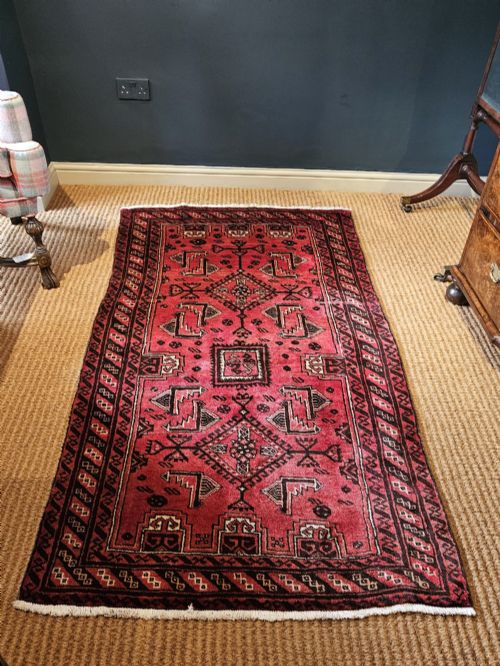
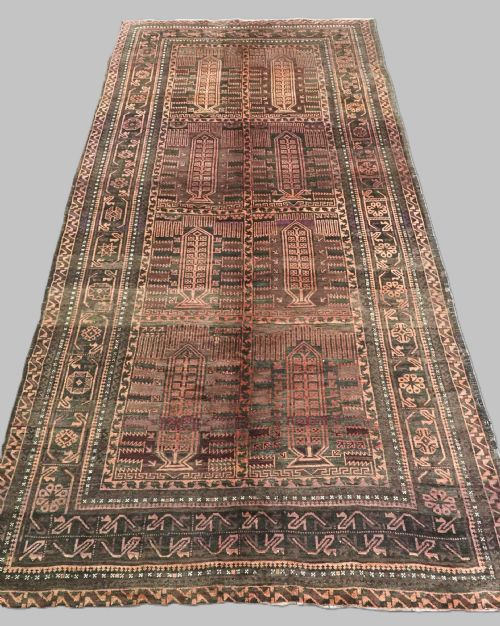
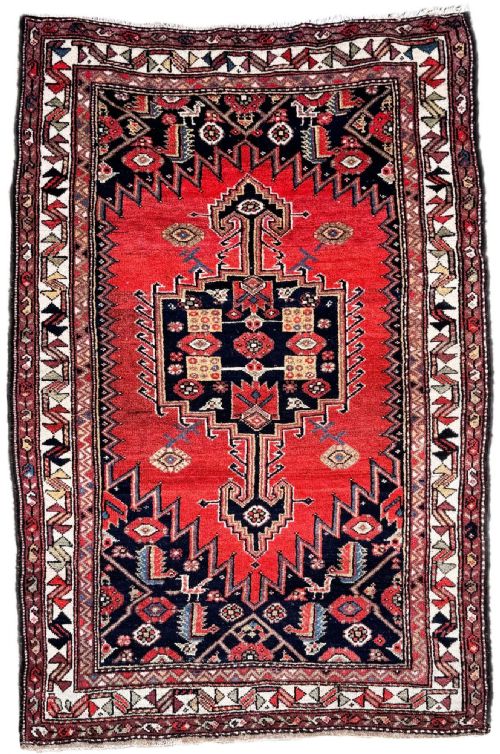
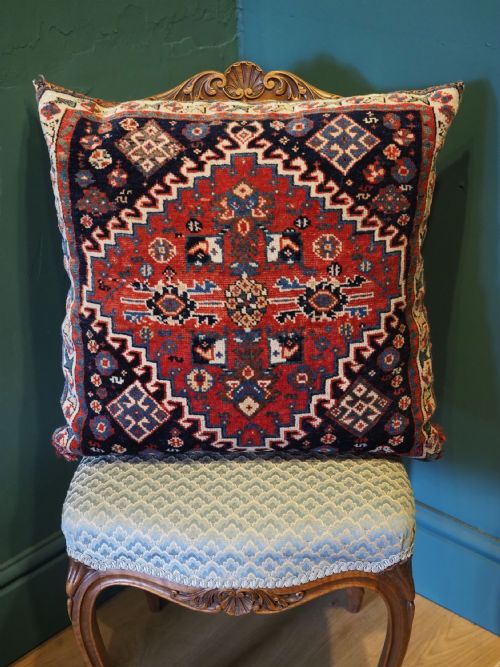
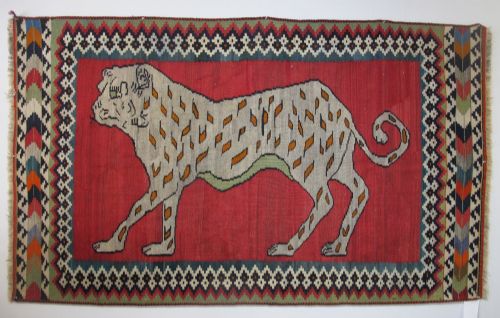
A nomadic handwoven wool rug encompasses an array of utilitarian tribal weavings, from full-scale carpets and prayer rugs to specialised storage bags, animal trappings, and flatweaves created across Persia, Afghanistan, and Turkmenistan. These textiles originate from distinct tribal confederacies and nomadic groups such as the Qashqai, Baluch, Afshar, Luri, and various Turkmen tribes working across the steppes and mountain regions. The selections available on this page reflect production spanning the latter half of the nineteenth century into the early decades of the twentieth century.
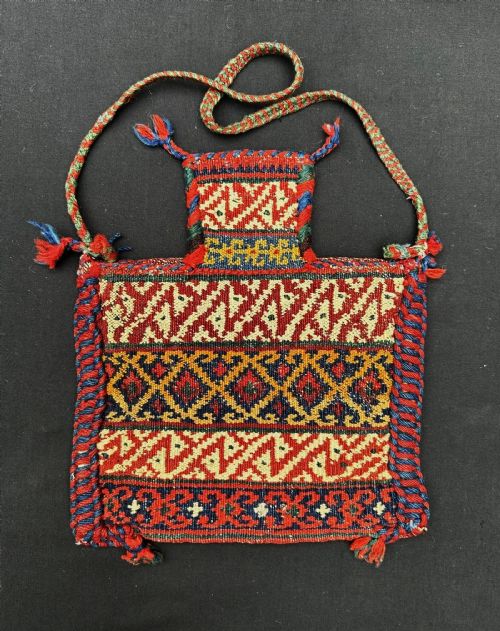
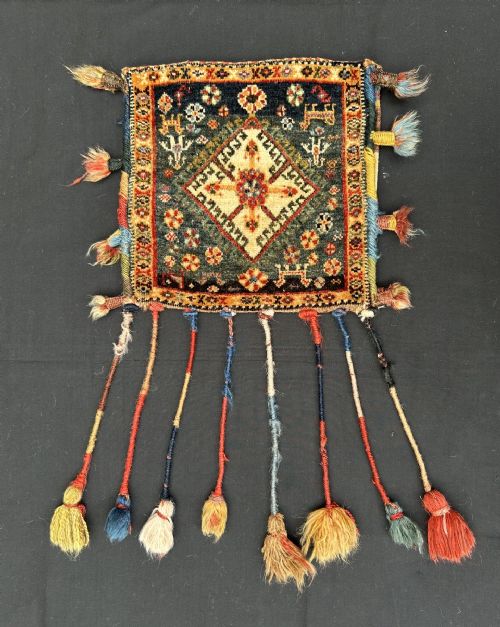
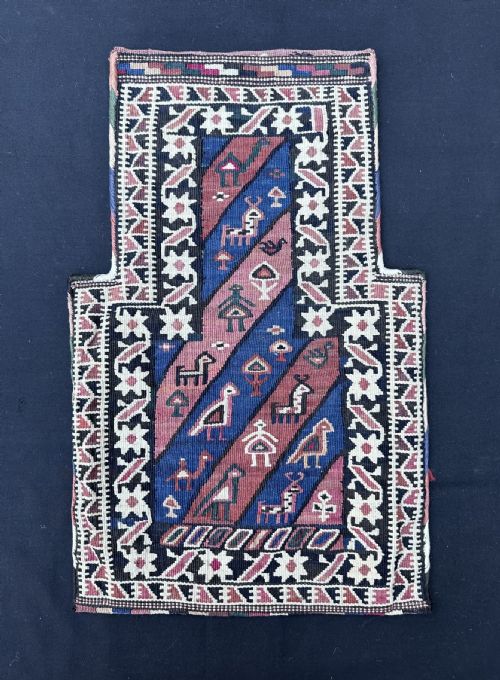
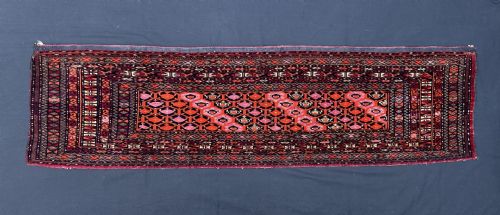
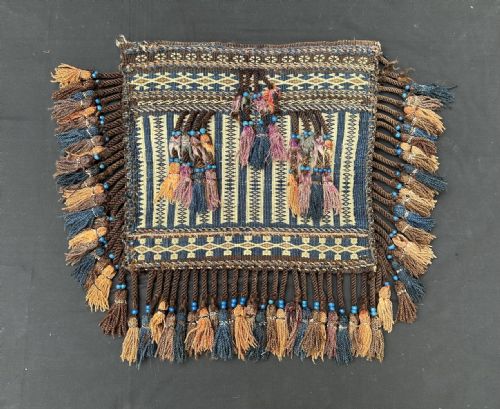
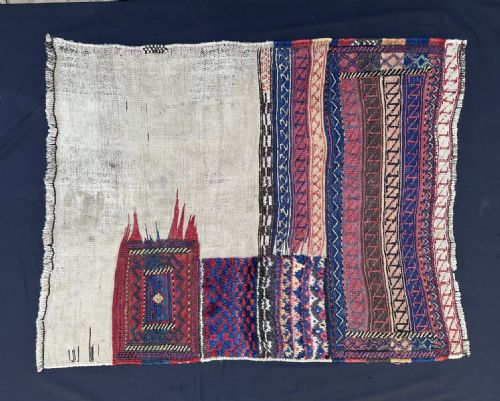
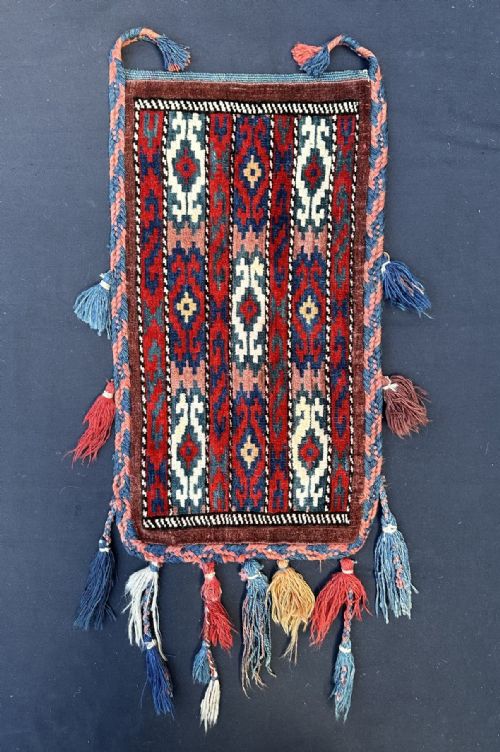
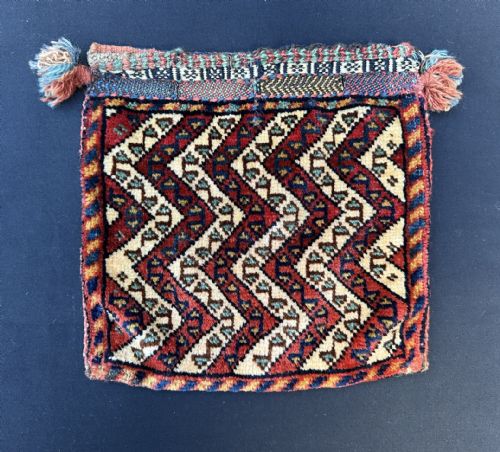
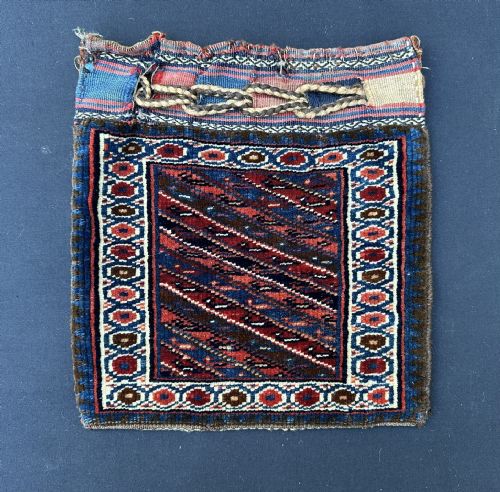
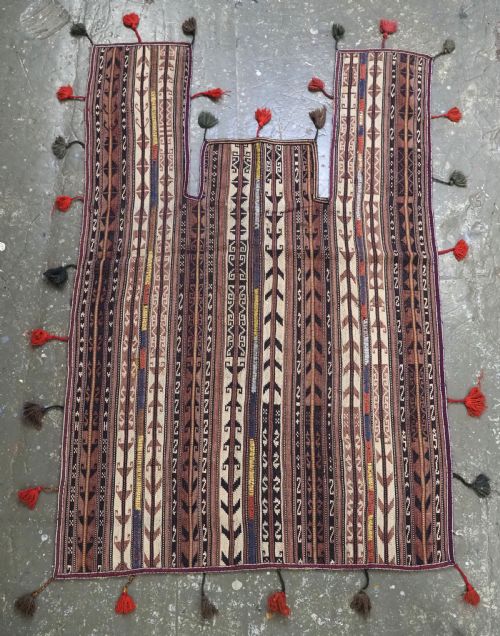
Buyers will encounter diverse formats, ranging from large main carpets and runner-sized pieces down to smaller domestic items like salt bags, vanity bags, saddle bags, and camel covers. Many of these smaller bags and trappings survive in remarkable condition, offering concentrated examples of tribal iconography and colour palettes on a manageable scale. Each piece serves as a tangible record of the specific regional group and landscape from which the weaver emerged.
Materials and construction
These textiles rely principally on wool and hand-spun wool for their pile and structural foundations, frequently incorporating cotton for warp and weft threads in certain regional workshops and later village productions. Artisans sourced natural dyes to achieve rich, saturated hues that mellow gracefully over decades of exposure and use. Additional tactile and visual elements such as glass beads and cowrie shells occasionally embellish specific storage bags and ceremonial trappings.
The construction involves meticulous hand-knotting and flatweaving techniques passed down through generations within specific tribal groups. Artisans utilised upright or horizontal looms set up in camps or temporary settlements, building dense structures designed to withstand the rigours of a nomadic lifestyle. The integration of hand-spun materials ensures a variable texture and subtle irregularities that distinguish genuine tribal work from later commercial imitations.
Listings feature wool, cotton, and natural dyes across periods spanning from the mid-nineteenth century to the mid-twentieth century.
Assessing quality and execution
The distinction between ordinary and exceptional examples rests upon the handling of materials, the precision and vitality of the tribal motifs, and the depth of the palette. Finer pieces display tightly packed knots, supple foundations, and a judicious use of natural dyes that yield harmonious abrash and tonal variation across the surface. The rhythm of the design and the confidence with which tribal symbols are executed dictate the artistic standing of any given rug or textile.
Condition and completeness also play a significant role in determining the quality tier of these survivals. Bags retaining their original plain-weave backs, closing mechanisms, and decorative adornments command particular respect from collectors who value structural integrity alongside visual appeal. Conversely, heavy pile loss, crude repairs, or compromised foundations diminish the aesthetic and historical coherence of the piece.
The Nomadic Handwoven Wool Rug Glossary
- Abrash
- Variation in colour within a field of a rug, caused by shifts in natural dye batches or distinct lots of hand-spun wool. This tonal banding is a mark of traditional craft rather than a fault.
- Sofreh
- A flatwoven spread or cloth traditionally used for serving meals or processing bread dough within nomadic households. These textiles often feature minimalist geometric compositions.
- Jollar
- A type of decorative bag or hanging produced by Turkmen tribes, traditionally used within the nomadic tent or yurt for storage. They frequently showcase distinct guls and secondary motifs.
- Gupylak
- Also spelled gapylyk, this is a specialised Turkmen tent-door hanging placed above the entrance. These architectural textiles display specific formats adapted to tribal dwelling structures.
- Kizil
- A term denoting red-ground Turkmen trappings, particularly associated with Tekke or Salor weaving traditions. The saturated madder-red fields form the visual foundation for intricate subsidiary patterns.
Nomadic Handwoven Wool Rug: Frequently Asked Questions
How do I care for a nomadic rug?
Vacuum gently without using a rotating brush roll to prevent snagging the hand-spun wool pile. Keep the textile out of direct sunlight to protect the natural dyes from fading over time.
Professional cleaning should be undertaken sparingly and entrusted to specialists experienced in antique tribal textiles. Avoid soaking or using harsh chemical detergents that can strip the lanolin from the wool.
Where were these tribal rugs made?
These pieces originated across the pastoral landscapes, steppes, and mountain ranges of Persia, Afghanistan, and Turkmenistan. Nomadic groups such as the Qashqai, Baluch, Afshar, and Turkmen produced them during seasonal migrations or in permanent settlements.
Each region developed distinct weaving traditions, colour palettes, and iconographic repertoires. Identifying the specific tribe often depends on structural characteristics and the arrangement of motifs.
How are tribal motifs interpreted?
Tribal motifs often derive from ancient zoomorphic symbols, flora, protective amulets, and geometric representations of the natural environment. Generations of weavers adapted these visual elements to express group identity and familial heritage.
Symbols varied significantly between confederacies, allowing knowledgeable observers to distinguish a Qashqai composition from a Baluch or Turkmen design. These patterns functioned as a shared cultural language among makers.