



Yomut Turkmen Rug
These woven pieces are authentic yomut turkmen rug examples from the Trans-Caspian steppes, sought after for tribal history and traditional motifs.
Yomut Turkmen Rug
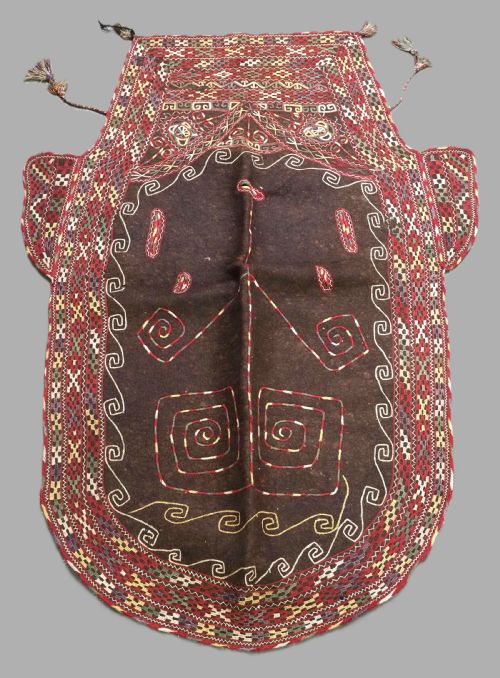
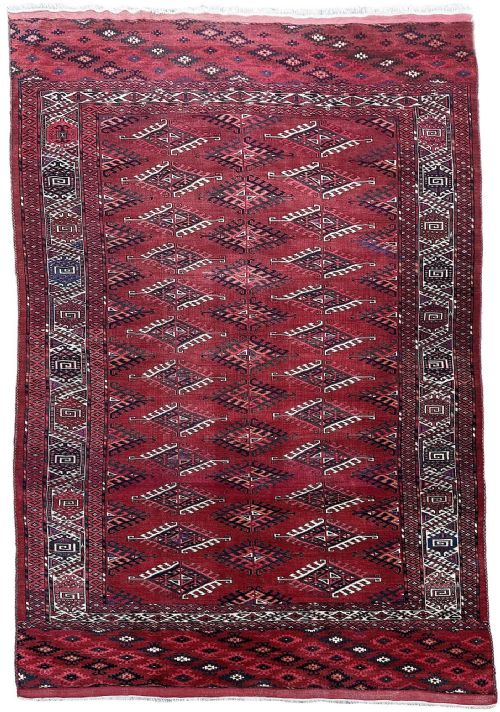
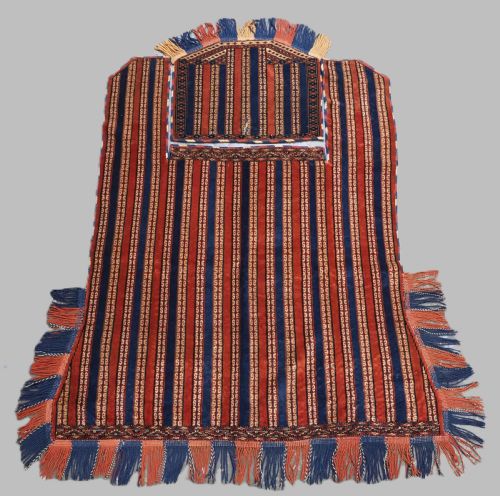
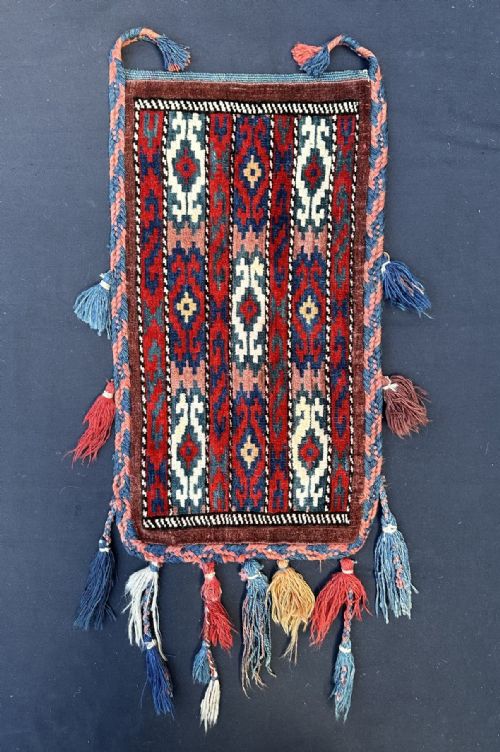
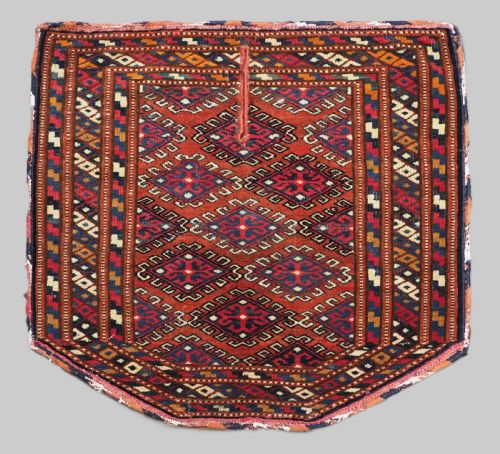
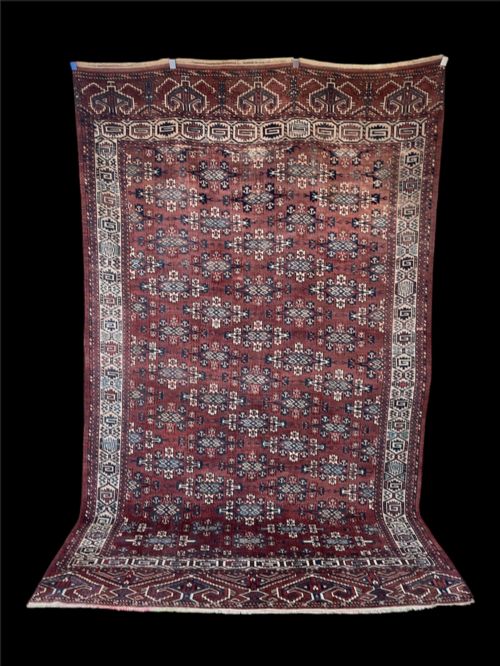
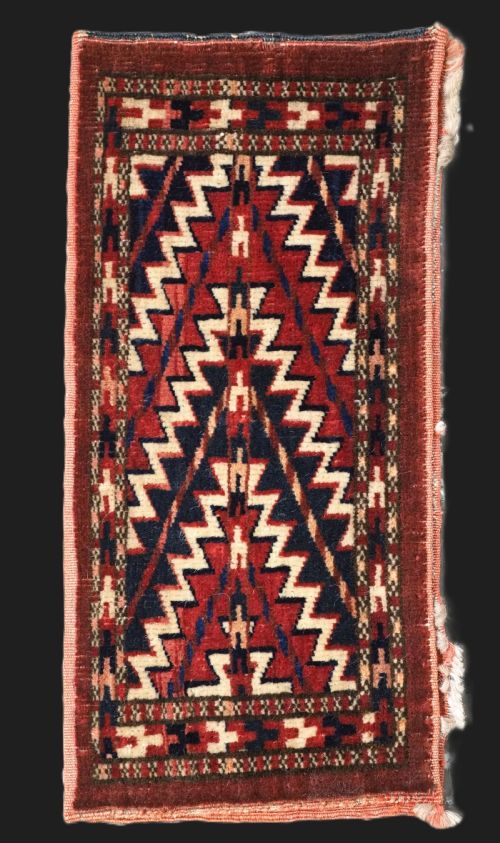
A yomut turkmen rug encompasses a diverse range of tribal weaving traditions originating from the Central Asian steppes. Collectors encounter larger main carpets alongside functional utilitarian items such as storage bags, tent door hangings, and ceremonial horse covers.
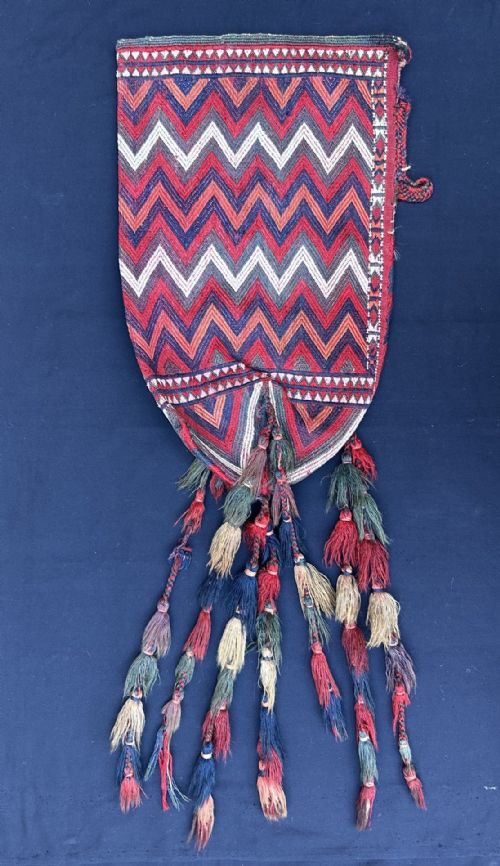
The historical span represented on this page reaches from the nineteenth century into the early decades of the twentieth century. Traditional formats include asmalyks, torbas, chuvals, and spindle bags woven by tribal makers.
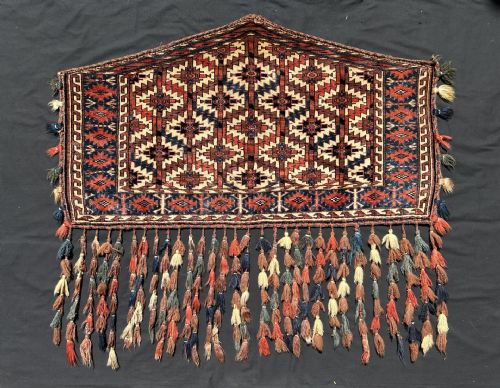
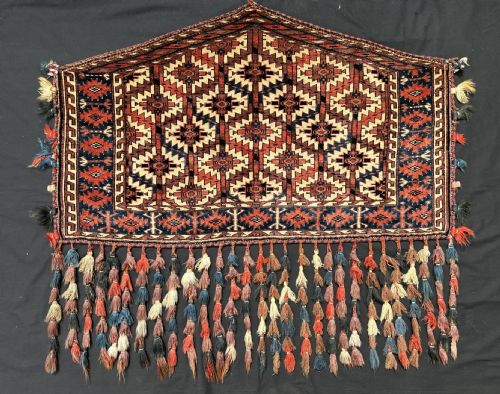
Geometric motifs and repeating patterns define the visual language of these textiles. Buyers frequently find traditional gul designs, lattice fields, and banded flatweave structures embedded in the pile and flatweave construction.
How they were made
Weavers utilised hand-spun wool for the primary pile and structure, combined with cotton and silk thread details for specific design elements. Natural dyes provided the characteristic deep red and blue ground colours seen across the tribal output.
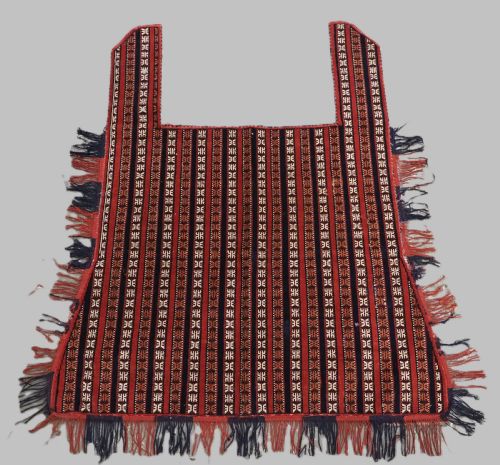
Construction techniques range from dense wool pile knotted directly onto foundation warps to soumak kilim flatweaves and embroidered felt horse blankets. Plain weave backs and specialised finishes like long kilim ends complete the utilitarian build of these nomadic textiles.
Listings feature pieces dated across the nineteenth and early twentieth centuries, constructed from hand-spun wool and natural dyes.
What varies in quality
The density and fineness of the weave dictate the structural integrity and precision of the geometric motifs. Higher grade examples display meticulous knotting and sharper definition within complex gul designs and borders.
The vibrancy and depth of the natural dyes influence the overall visual impact of the textile. Pieces retaining saturated, varied colour palettes command greater appreciation among collectors of nomadic tribal art.
The Yomut Turkmen Rug Glossary
- Gul
- A primary octagonal medallion or motif repeated across Turkmen carpets. This design element identifies specific tribal groups and regional weaving traditions.
- Asmalyk
- A ceremonial pentagonal trapping traditionally hung on the flanks of a bride's camel during wedding processions. These decorative pieces display intricate geometric layouts.
- Torba
- A small storage bag produced by nomadic tribes for domestic use inside the yurt. They feature detailed face designs while retaining plain weave backs.
- Chuval
- A large tent storage bag utilised for bedding and household possessions. These wider formats showcase prominent tribal guls.
- Engsi
- A tribal rug functioning as a tent door hanging rather than a floor covering. They typically feature a segmented field divided by a candelabra motif.
Yomut Turkmen Rug: Frequently Asked Questions
How were these rugs used originally?
Nomadic families used these textiles for daily domestic storage, tent partitions, and domestic flooring inside traditional dwellings.
Specialised pieces also served ceremonial roles during weddings and tribal festivities, including horse covers and camel trappings.
How do I care for a tribal rug?
Protect the wool pile from direct sunlight and damp conditions to preserve the integrity of the natural dyes.
Gentle vacuuming without a beating brush and professional textile cleaning help maintain the condition over time.
What period do these textiles date from?
The available pieces originate primarily from the nineteenth century up through the early twentieth century.
Earlier examples reflect traditional nomadic weaving practices before industrial dyes and commercial pressures altered local production.
How are different tribal formats distinguished?
Formats are classified by their original function, such as small asmalyks, wide chuvals, and elongated main carpets.
Specific border arrangements and structural proportions also help identify particular bag faces and tent hangings.