
Central Asian Wall Hanging
Central Asian wall hanging pieces are traditional tribal embroideries and woven covers that bring tactile history and bold geometry into modern interiors.
Central Asian Wall Hanging
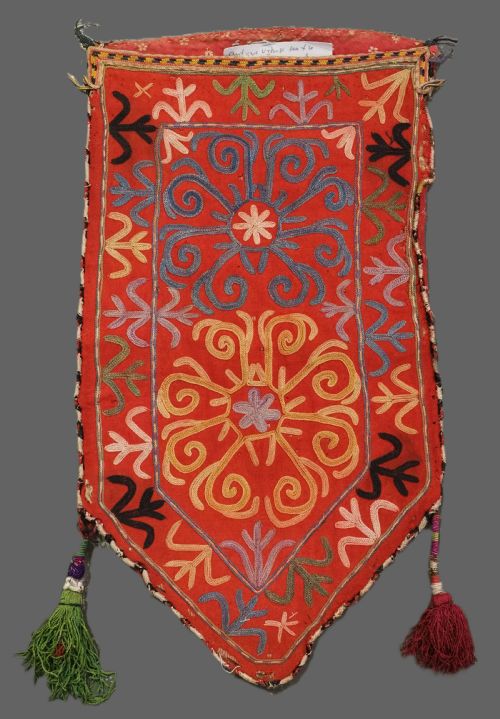
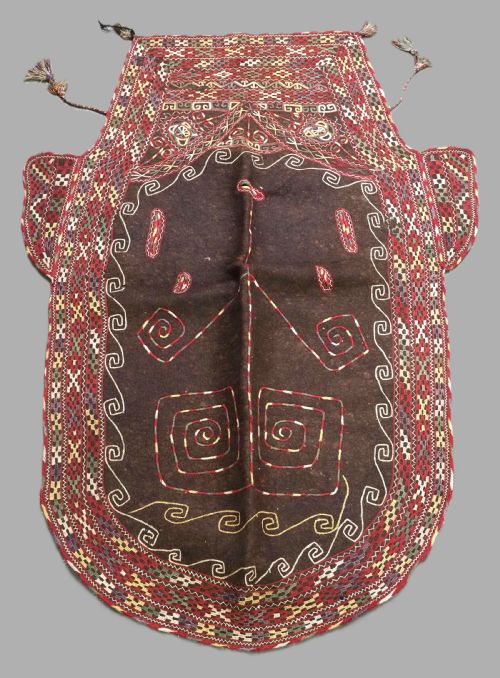
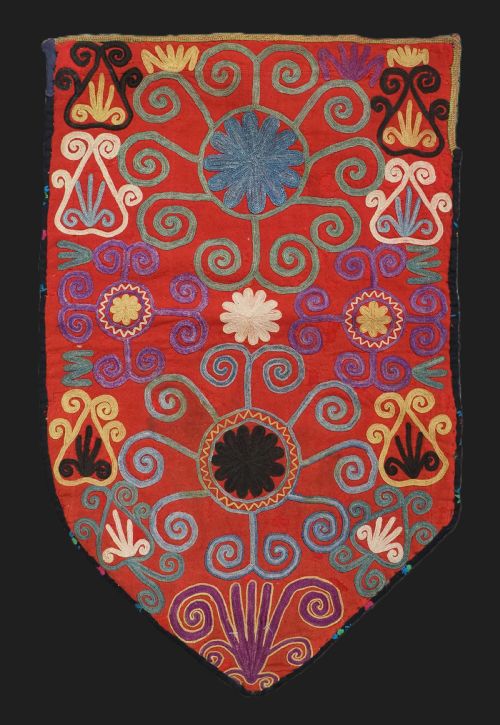
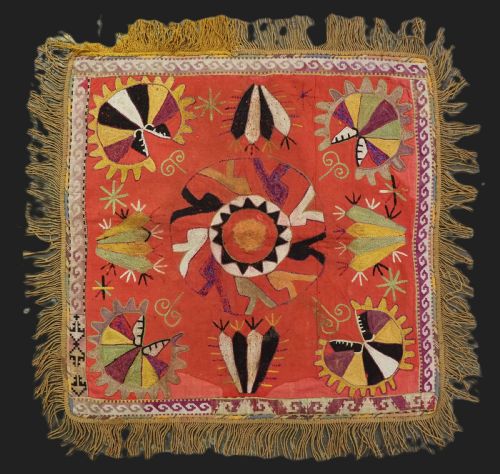
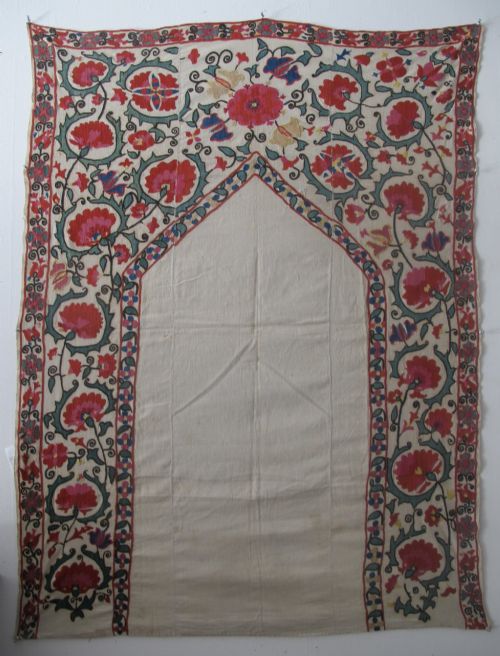
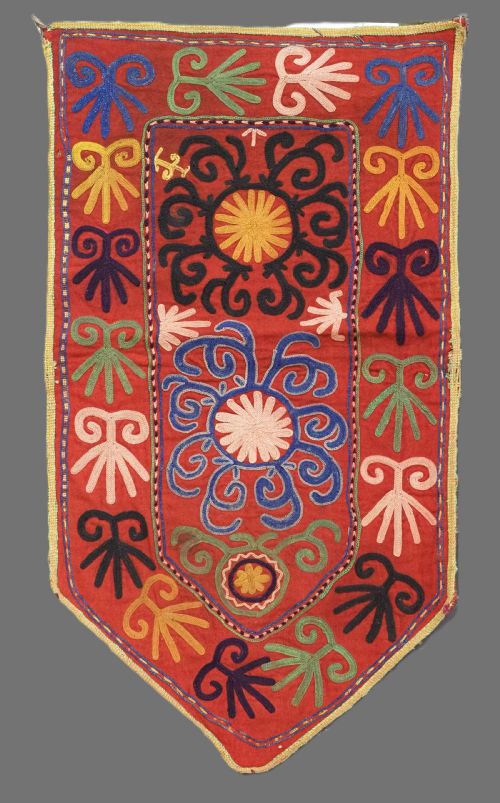
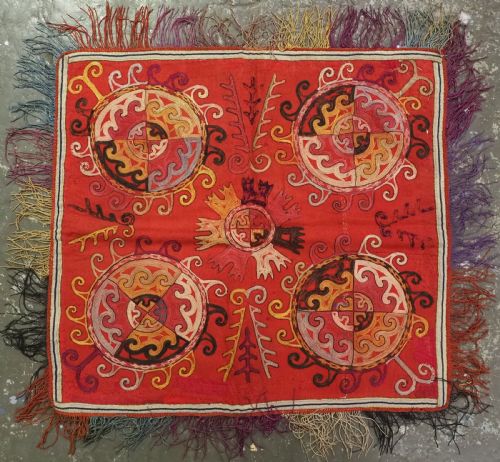
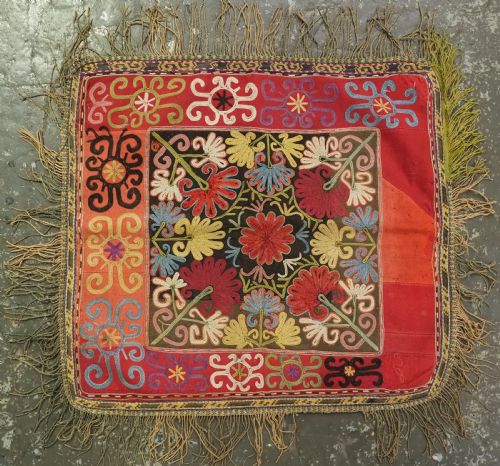
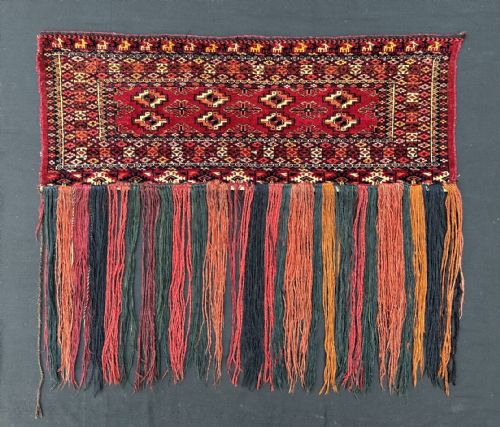
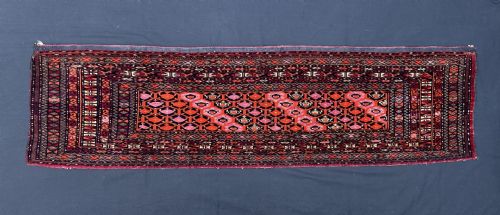
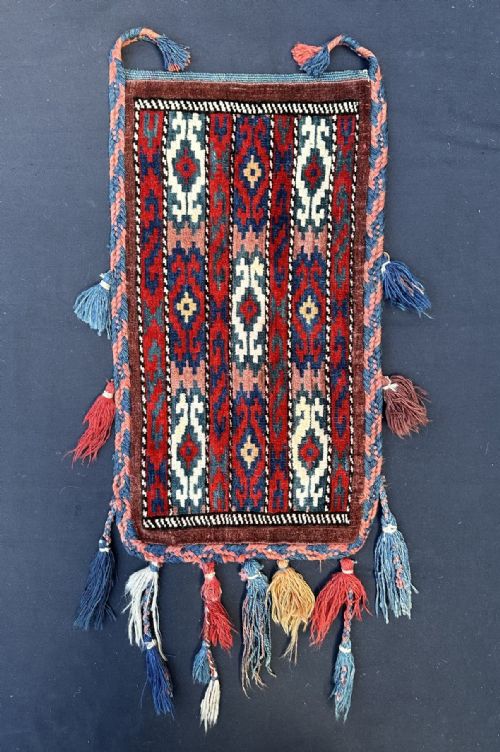
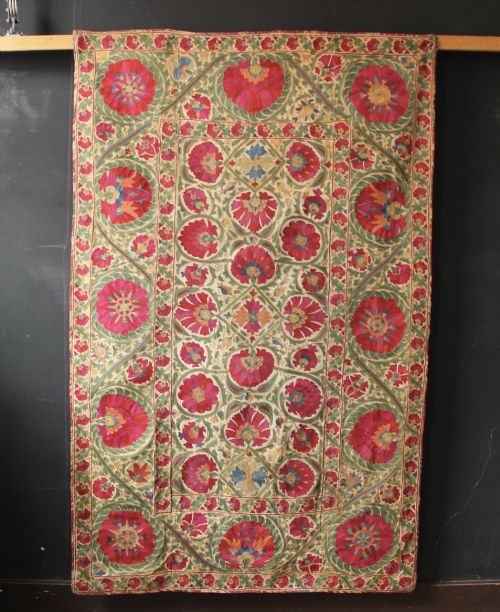
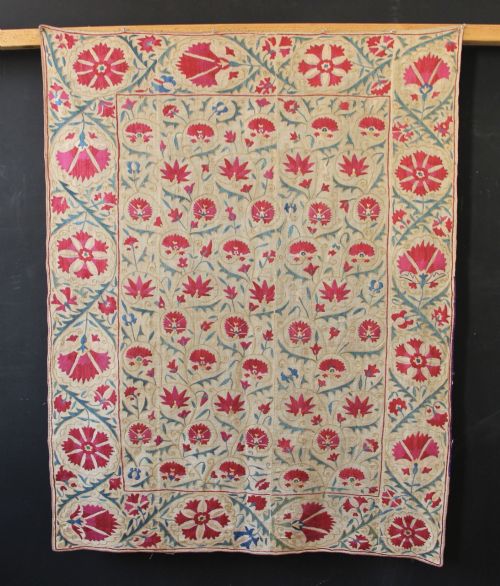
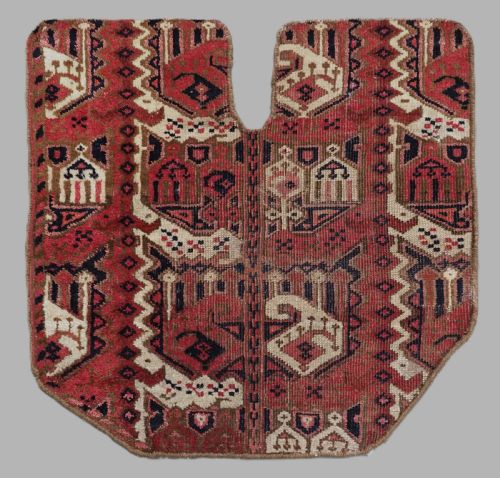
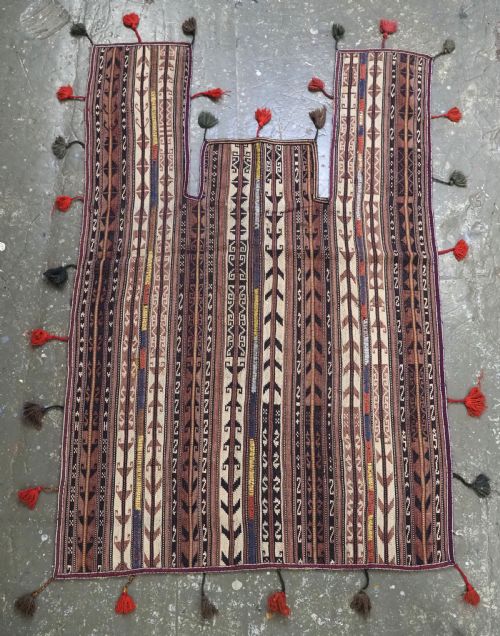
A central asian wall hanging encompasses a diverse range of tribal and nomadic textiles originating from regions like Uzbekistan and Turkmenistan. Buyers frequently encounter dowry embroideries, ceremonial horse blankets, and tent bags adapted for display.
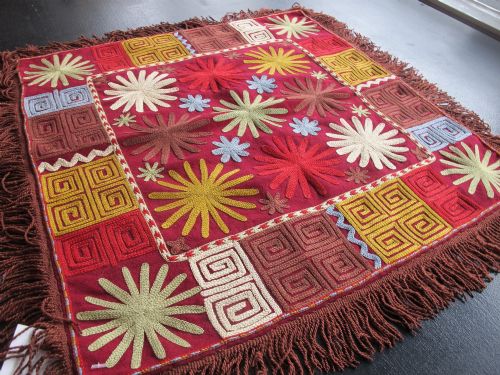
The selection on this page spans from the mid-nineteenth century into the early twentieth century, capturing distinct tribal identities. Pieces range from small squareilgich embroideries to larger suzani panels carrying architectural or floral motifs.
How they were made
Artisans constructed these textiles using hand-spun wool, cotton, and silk threads worked onto woven foundations or felted wool. Natural dyes provided the deep reds, golds, and indigos that define the palette of these nomadic workshops.
Tribal makers employed intricate needlework techniques, including chain stitch and silk embroidery, often executed on fine cotton or wool. Heavy felting and dense supplementary weft wrapping ensured the utility and durability of horse covers and storage bags before their transition to wall displays.
Central Asian Wall Hanging Retail Price Guide 2026
Typical asking prices for central asian wall hanging among the pieces listed under this phrase on Sellingantiques today, from the lower quarter to the upper quarter. They describe what is for sale here now, not the wider market.
What varies in quality
Quality rests upon the fineness of the needlework, the saturation and complexity of the natural dye palette, and the structural integrity of the textile. Pieces exhibiting tight, meticulous stitching and balanced composition command greater attention from collectors.
The preservation of original borders, tassels, and secondary backs significantly influences the character of a textile. Examples displaying unusual tribal motifs or exceptionally crisp layout retain higher visual impact and historical fidelity.
The Central Asian Wall Hanging Glossary
- Suzani
- An embroidered tribal textile originating from Uzbekistan, typically worked in silk on a cotton or silk foundation with floral or architectural motifs.
- Ilgich
- A specific type of dowry embroidery produced by the Lakai tribe, often featuring dynamic, abstract geometric designs.
- Asmalyk
- A ceremonial pentagonal horse trapping created by Turkmen tribes, traditionally displayed during wedding processions.
- Chuval
- A large Turkmen tent bag face woven in pile technique, utilised for household storage within the yurt.
- Torba
- A smaller storage bag produced by nomadic tribes, sharing structural weaving methods with larger tent trappings.
Central Asian Wall Hanging: Frequently Asked Questions
What is a suzani?
A suzani is a large embroidered panel from Uzbekistan, traditionally stitched by brides as part of their dowry.
These textiles usually feature bold floral or botanical motifs worked in vibrant silk threads on a cotton foundation.
How were these textiles used?
Many items served practical or ceremonial roles within nomadic life, functioning as horse blankets, storage bags, or wedding trappings.
Tribal groups such as the Yomut and Tekke utilised these woven and embroidered pieces for daily transport and tent decoration.
How do I hang a textile?
Mounting requires a method that distributes weight evenly across the top edge without puncturing or straining the historic fibres.
A fabric sleeve can be stitched to the reverse to slide onto a concealed rod, or a professional conservator can apply velcro backing.
How are periods identified?
Dating relies on analysing the wool spin, the chemical composition of natural dyes, and the specific tribal design canon.
Pieces from the nineteenth century often display softer dye patination and distinct regional wool preparation compared to later works.