



Vintage Yomut Rug
A vintage yomut rug brings tribal geometry and deep madder tones from the Central Asian steppes directly into a modern room.
Vintage Yomut Rug
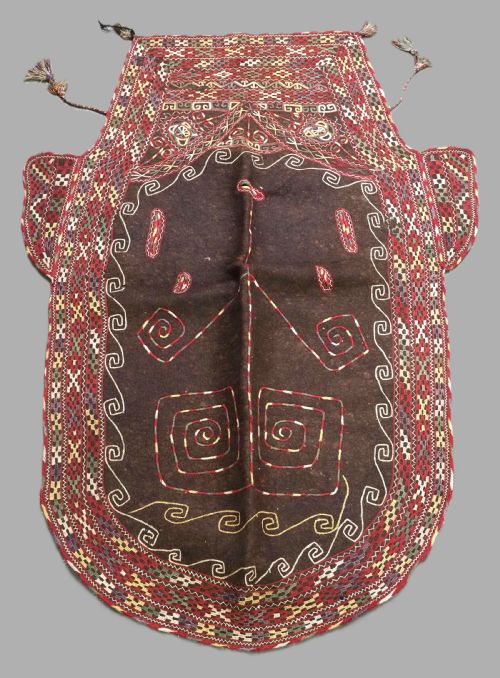
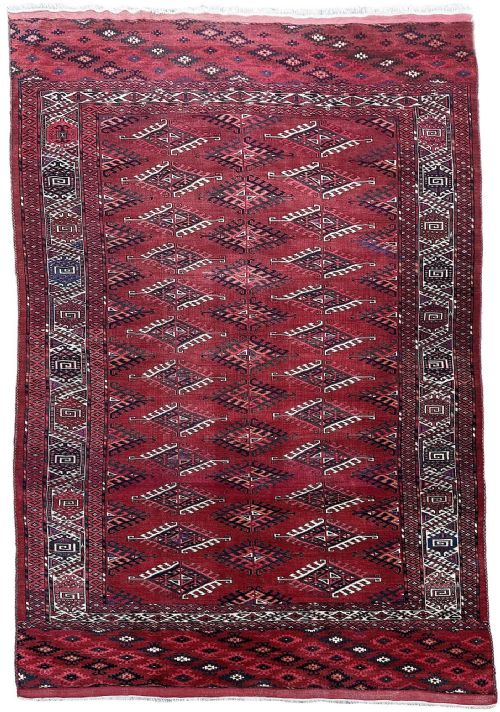
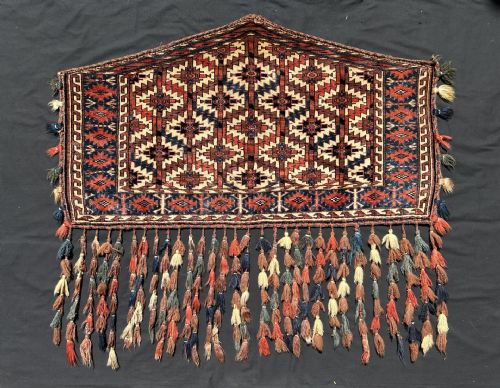
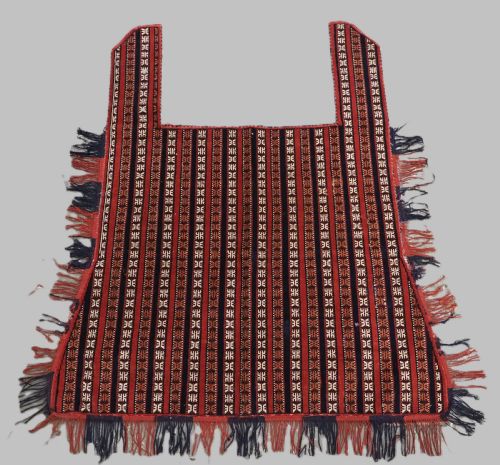
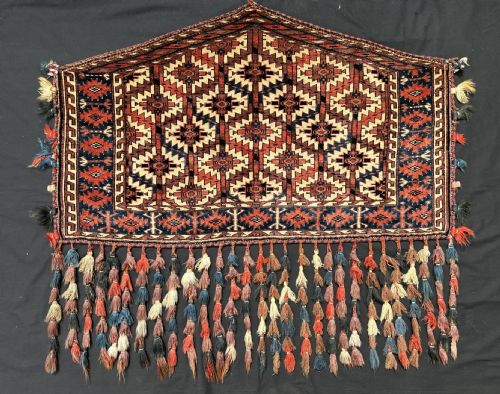
A vintage yomut rug encompasses woven carpets, animal trappings, and functional bags created by Turkmen tribal groups. These items range from large main carpets featuring traditional gul patterns to smaller asmalyks and horse covers intended for ceremonial use.
The objects seen here span the late nineteenth century through to the early decades of the twentieth century. Forms include chuvals, torbas, and flatwoven soumak kilims originating from the Trans-Caspian steppes.
Buyers will encounter both floor coverings and wall hangings, alongside fragments that demonstrate the dense knotting and flatweave techniques characteristic of the region.
Assessing the weaving standard
Quality rests upon the fineness of the knotting and the crispness of the geometric design execution. Tighter structures and well-preserved kilim ends distinguish superior examples from standard household pieces.
The vibrancy and depth of the natural dyes also dictate worth, as skilled colour mixing yields lasting richness across the lattice and gul motifs.
Vintage Yomut Rug Retail Price Guide 2026
Typical asking prices for vintage yomut rug among the pieces listed under this phrase on Sellingantiques today, from the lower quarter to the upper quarter. They describe what is for sale here now, not the wider market.
Several horse blankets managed to survive centuries of nomadic travel entirely intact, ready to trade camel transport for living room walls.
The Vintage Yomut Rug Glossary
- Asmalyk
- A ceremonial pentagonal trapping often hung on the flanks of a camel during Turkmen wedding processions. These decorative pieces display intricate tribal motifs.
- Chuval
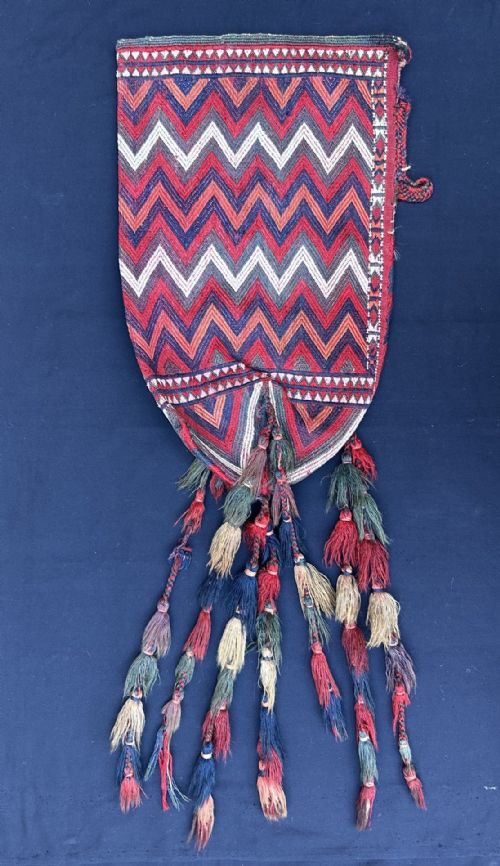
- A large tent bag used for nomadic storage inside the yurt. They frequently feature multiple rows of guls.
- Soumak
- A flatweave technique where coloured threads wrap over and under the warp threads before returning across the face. This creates a durable surface with texture akin to embroidery.
- Gul
- A primary medallion or repeating motif used in Turkmen rug design. Each pattern often identifies the specific tribe or clan.
- Uk Bash
- A tent band or specialised cover associated with nomadic dwellings. These textile pieces complete the traditional furnishings of the Central Asian tent.
Vintage Yomut Rug: Frequently Asked Questions
How were these rugs used originally?
Nomadic tribes utilised these textiles for practical storage, tent decoration, and ceremonial processions. Many pieces served as grain bags, bedding sacks, or horse blankets.
Over time, utilitarian items transitioned into prized household furnishings and decorative wall art due to their striking geometric patterns.
What is an asmalyk?
An asmalyk is a large, pentagonal trapping created for Turkmen wedding ceremonies. They were traditionally mounted on the flanks of wedding camels.
These textiles showcase some of the finest tribal weaving and design work found within the region.
How do I care for a tribal rug?
Gentle vacuuming without a rotating brush helps remove embedded dust and debris. Professional textile cleaning is recommended for deeper maintenance.
Keeping the piece out of direct sunlight preserves the natural dyes used in the wool.
How can I date a piece?
Dating relies on material analysis, natural dye identification, and stylistic traits associated with specific decades. Structural characteristics like wool quality and fringe condition offer further clues.
Most antique examples date from the late nineteenth century to the early twentieth century.