


Central Asian Tribal Kilim
Central Asian tribal kilim rugs and flatweaves bring graphic nomadic artistry, bold patterns and rich historical textiles into modern interior spaces.
Central Asian Tribal Kilim
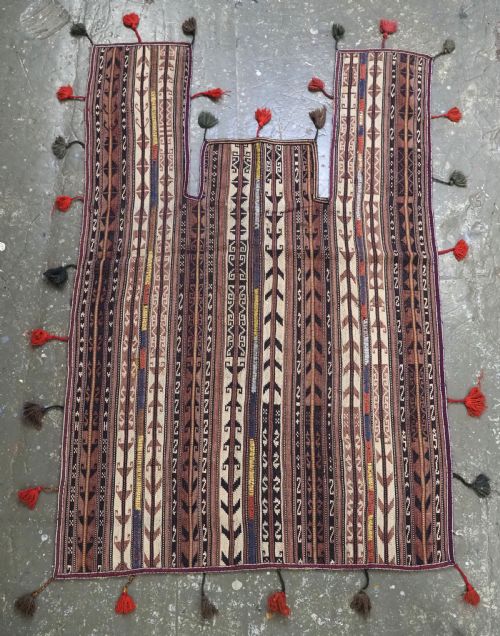
When someone searches for a central asian tribal kilim, they are looking at flatwoven textiles originating from nomadic and village traditions across regions such as Turkmenistan, Uzbekistan, and Afghanistan. These pieces include utilitarian items such as storage bags, tent bands, horse blankets, and floor coverings made by specific regional groups like the Yomut, Tekke, Ersari, and Uzbek tribes. The selection on this page consists predominantly of antique flatweaves and kilims dating from the late nineteenth century to the early decades of the twentieth century.
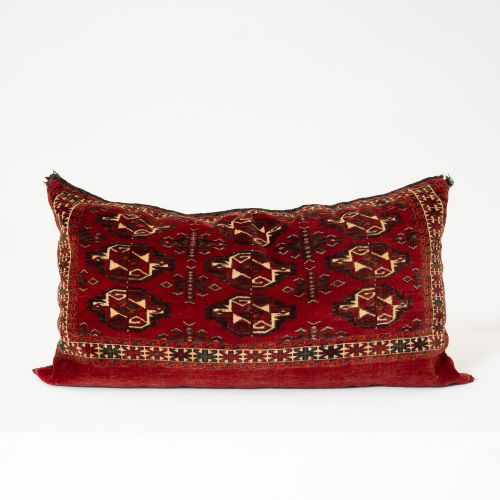
The forms vary widely from complete rugs and carpets to smaller panels, cushion faces, and saddlebags, reflecting the practical domestic needs of nomadic life. Many examples display banded flatweave designs, geometric motifs, or repeated graphic patterns arranged across narrow strips that were often joined together to form larger pieces. Others incorporate supplementary techniques such as embroidery or soumak wrapping, shifting the textile from a purely functional object to a decorative cover or hanging.
What varies in quality
Quality in these nomadic flatweaves is determined by the tightness of the weave, the precision of the geometric design, and the integrity of the structural construction. Finer examples display meticulous attention to detail in the interlacing of the weft yarns and the complexity of the banded patterns.
The condition of the edges, the completeness of original tassels or backing materials, and the survival of long kilim ends elevate certain pieces above standard utility grades. Furthermore, the vibrancy and chemical stability of the natural dyes used across the wool and camel hair grounds contribute significantly to the visual longevity of the textile.
Some runners are simply former tent bands that spent years keeping a nomadic home upright before starting a second career on a drawing-room floor.
The Central Asian Tribal Kilim Glossary
- Kilim
- An untufted flatwoven textile produced by tightly interweaving the warp and weft strands to create a flat surface. These pieces rely entirely on the interaction of the coloured weft threads to form geometric patterns.
- Soumak
- A supplementary weft-wrapping technique that produces a textured, braided surface effect resembling embroidery on the face of the textile. This method adds structural durability and raised pattern definition.
- Chuval
- A large storage bag traditionally used by Turkmen tribes within nomadic dwellings for household possessions. Their faces are frequently preserved as decorative panels.
- Mafrash
- A rectangular storage bag or chest face designed for camel transport, commonly featuring banded flatweave designs. Surviving examples showcase inventive geometric repeat motifs.
- Gajeri
- A regional style of flatweave associated with Uzbek weavers, often characterised by fine banded arrangements and bold graphic compositions. They are frequently constructed from narrow woven panels.
Central Asian Tribal Kilim: Frequently Asked Questions
What is a central asian tribal kilim?
A central asian tribal kilim is an antique flatwoven textile produced by nomadic and semi-nomadic groups in regions including Uzbekistan, Turkmenistan, and Afghanistan. These utilitarian and decorative pieces include floor rugs, tent bands, storage bags, and covers.
Created using hand-spun wool, cotton, and natural dyes, these textiles feature distinctive geometric patterns, banded layouts, and structural techniques like slit-weaving and soumak wrapping.
How were these tribal textiles used originally?
Nomadic communities used these flatweaves for everyday practical functions within tents and portable dwellings. Items functioned as floor coverings, animal trappings, bedding storage bags, and architectural bands that secured the tent framework.
Many surviving pieces were once part of larger functional objects, such as horse blankets, saddlebags, or storage chests, which have since been repurposed as decorative wall hangings or small floor rugs.
How do I care for an antique kilim?
Protect antique flatweaves by placing a quality rug underlay beneath them to prevent slipping and reduce friction against hard flooring. Regular gentle vacuuming without a rotating power brush helps remove embedded dust from the wool fibres.
Keep these textiles away from prolonged direct sunlight to prevent natural dye fading, and consult a specialist in antique textile conservation for professional washing or repairs.
How can I tell the tribal origin of a kilim?
Tribal attribution is identified through specific combinations of colour palettes, structural techniques, and geometric motif structures. Groups such as the Yomut, Tekke, Ersari, and Uzbek weavers utilised distinct design vocabularies and weaving traits.
Examining the structure of the ends, the presence of camel hair grounds, and the specific composition of banded patterns provides clear indicators of regional and tribal provenance.