


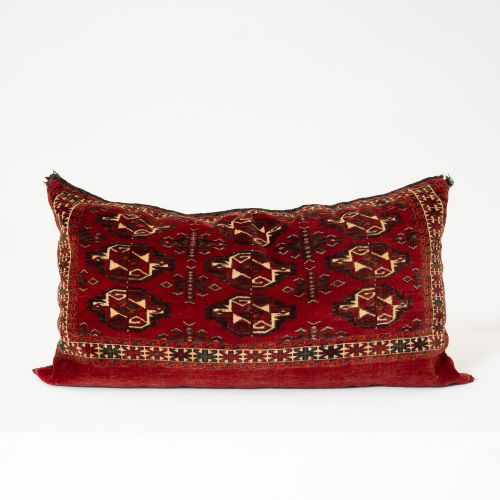
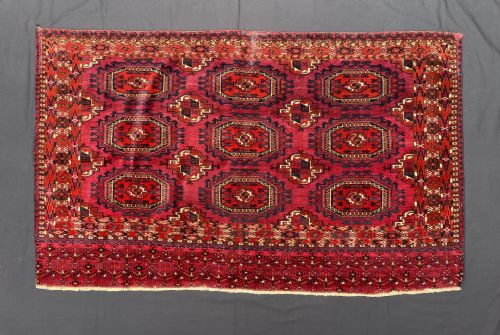


Vintage Turkmenistan Rug
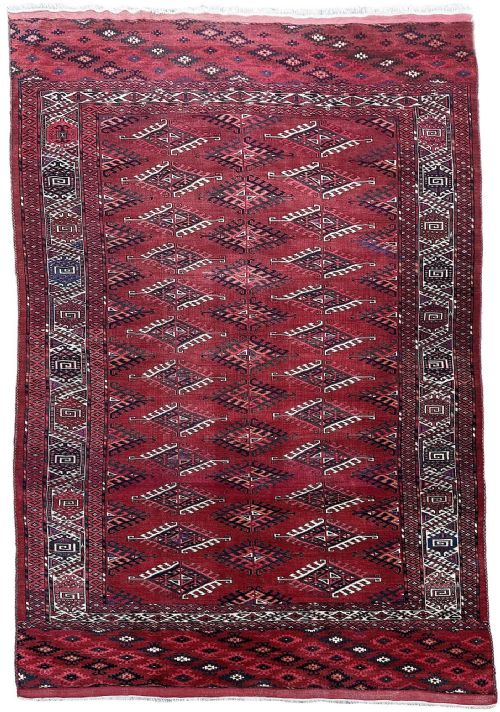
A vintage turkmenistan rug brings deep madder tones and tribal geometry into a room, offering genuine nomadic history for the floor.
Vintage Turkmenistan Rug
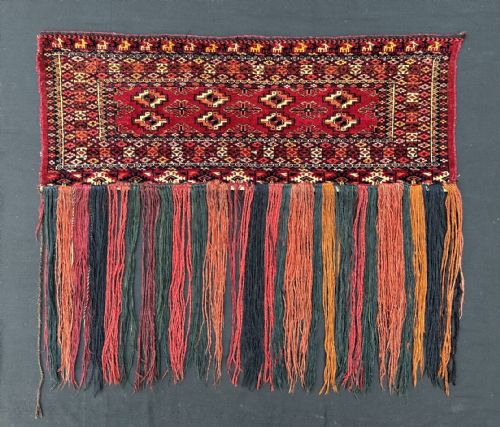
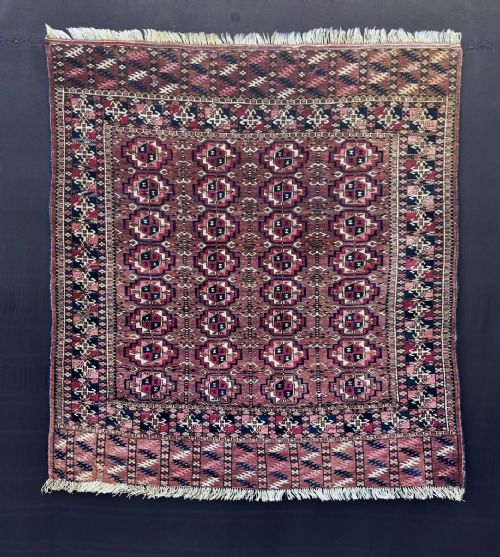
A vintage turkmenistan rug encompasses tribal carpets, tent trappings, and household bags originating from Central Asian steppes and oases. Buyers encounter diverse functional formats here, ranging from large main carpets to smaller wedding rugs and asmalyks.
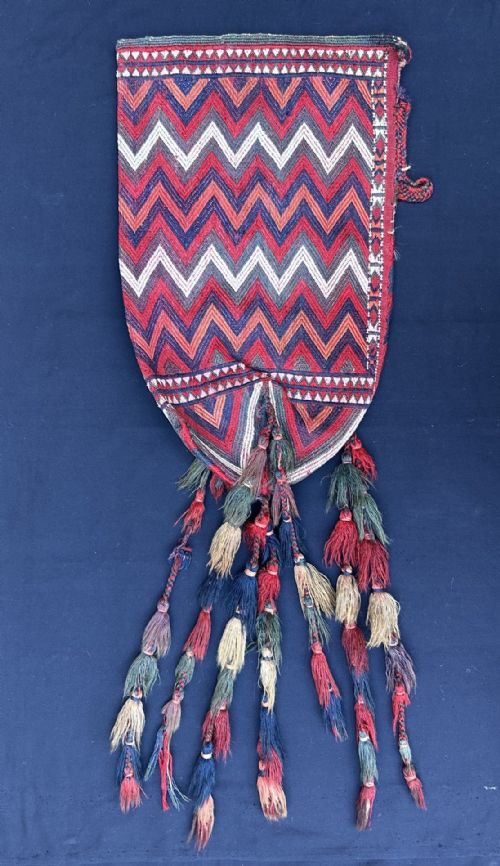
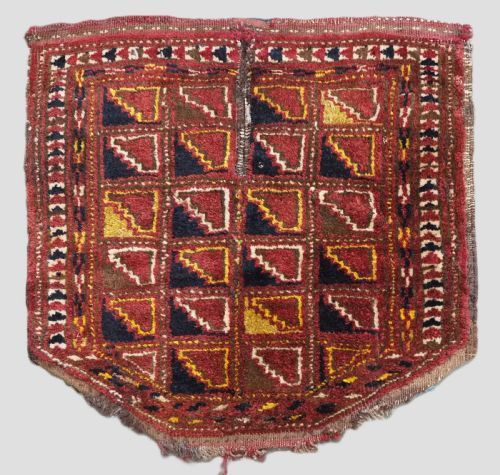
Smaller formats like torbas, chuvals, and kaplyks appear alongside full-scale carpets and prayer rugs. Each object reflects the specific nomadic or settled traditions of the region it represents.
How they were made
Weavers utilised hand-spun wool for the pile and foundation yarns, providing durability and a tactile surface texture. Natural dyes supplied the characteristic deep reds, browns, and contrasting accents found across these textiles.
Cotton appears in foundation structures and subsidiary details alongside wool. Flatweave techniques such as soumak also feature in specific trapping formats.
Nomadic workshops employed structural knots and precise geometric planning passed down through generations. These methods ensured the resilience of items intended for daily camp life or transport.
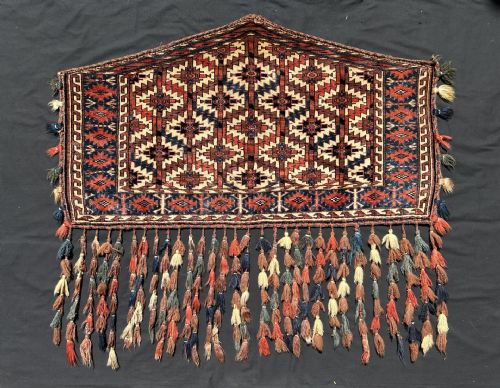
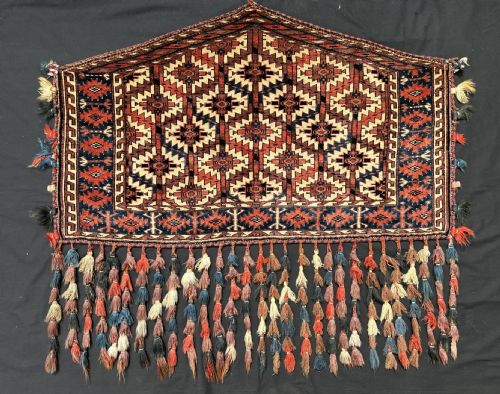
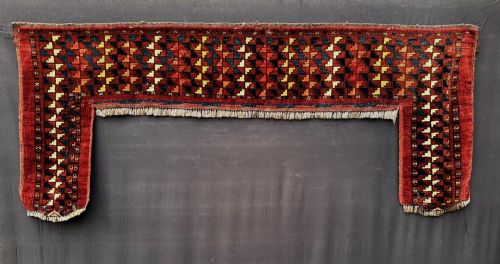
Several wedding-camel trappings survive here, once tasked with looking magnificent while swaying across the desert on a very tall animal.
What varies in quality
The precision of the guls and secondary motifs indicates the weaver's mastery of proportion and symmetry. Crisp execution of repetitive patterns elevates a piece beyond standard utilitarian weaving.
Depth and saturation of natural dye colours contribute significantly to visual impact. Richness in the red palette relies on skillful mordanting and consistent material preparation.
The integrity of the wool and survival of complete borders determine the structural merit of surviving textiles. Well-preserved selvedges and intact pile density maintain the strength of older tribal formats.
The Vintage Turkmenistan Rug Glossary
- Gul
- The primary octagonal medallion motif repeated across tribal carpets and trappings. These design elements often identify the specific weaving tribe.
- Chuval
- A large storage bag face produced by nomadic tribes for domestic use inside the tent. They typically display multiple rows of guls.
- Asmalyk
- A pentagonal trapping traditionally hung on the flanks of a bride's camel during wedding processions. These decorative pieces are highly collectable.
- Soumak
- A flatweave technique where supplementary decorative threads wrap over the warp yarns. This method creates a textured, durable surface without a cut pile.
- Torba
- A smaller wall-hanging bag used for storage within a nomadic dwelling. They share the intricate palette and secondary motifs of larger main carpets.
Vintage Turkmenistan Rug: Frequently Asked Questions
What is a vintage turkmenistan rug used for?
These textiles served practical functions in nomadic life as tent floor coverings, storage sacks, and camel trappings for weddings.
Today, collectors place them as floor rugs, hang them on walls, or use smaller bags as cushions.
How do I identify a Yomut weaving?
Yomut pieces often display distinct diamond-shaped guls and specific hooked border motifs associated with the Trans-Caspian steppes.
Their palette frequently contrasts deep madder grounds with ivory, dark blue, and warm yellow highlights.
What distinguishes a Teke rug?
Teke carpets and trappings usually feature the dense, orderly repetition of primary guls with characteristic quarter-gul subsidiary ornaments.
They originate largely from oasis regions like Merv and Akhal, showing finely clipped pile and rich red tones.
How are different nineteenth-century tribes told apart?
Tribal attribution relies on structural traits, knotting direction, specific secondary gul designs, and unique border arrangements.
Comparing the specific structural geometry and wool preparation helps isolate Yomut, Teke, and Ersari origins.
Can these rugs be placed on the floor?
Many examples were originally woven for heavy domestic use, including floor placement inside felt tents.
While older fragile pieces benefit from low-traffic placement or wall mounting, sturdy main carpets handle gentle floor walking well.