

Geometric Patterned Carpet
A geometric patterned carpet brings disciplined tribal structure and rich colour to a room through centuries-old village and nomadic weaving traditions.
Geometric Patterned Carpet
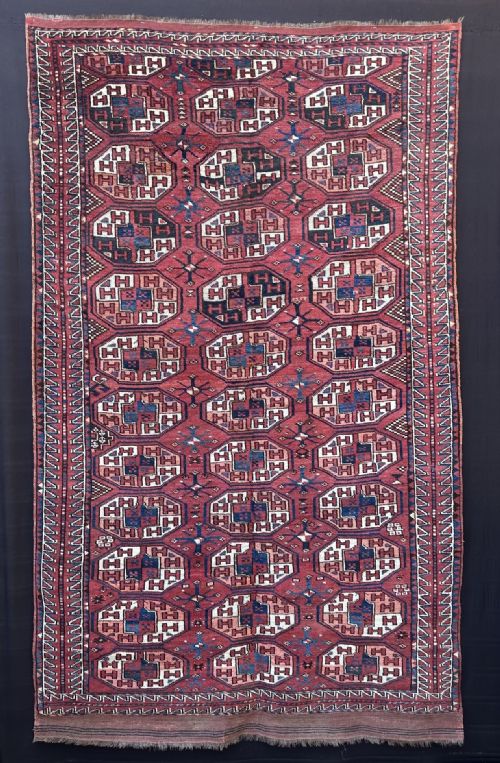
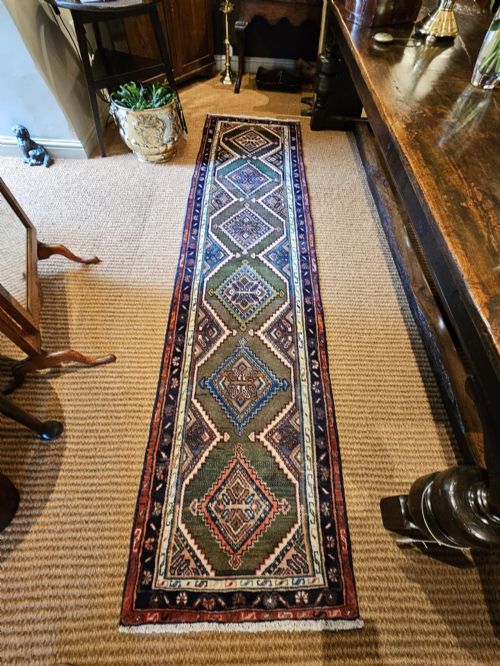
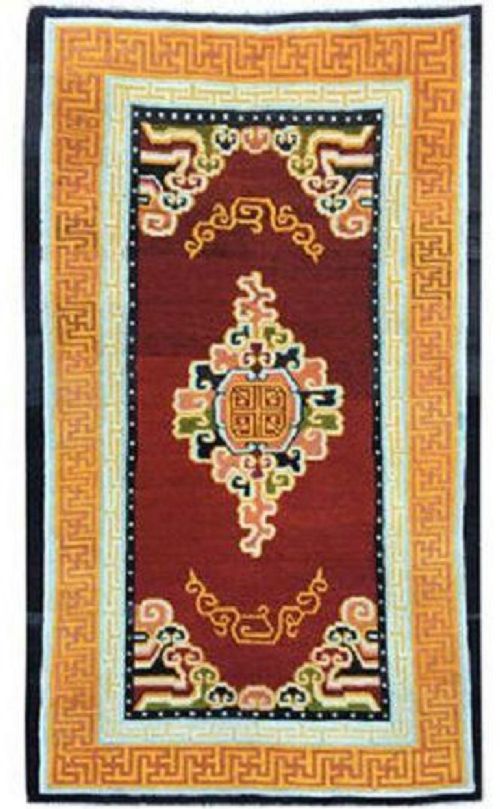
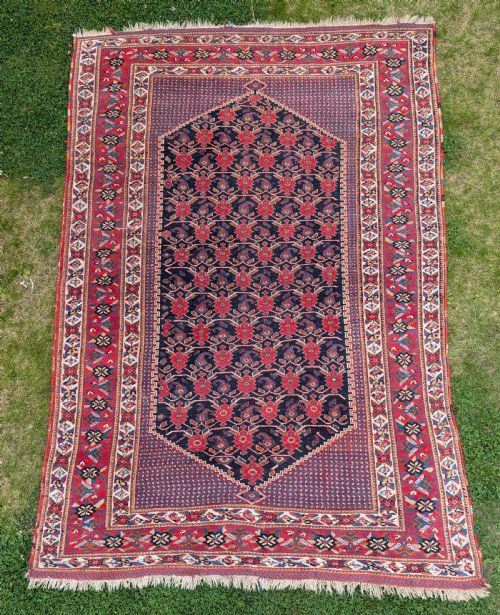
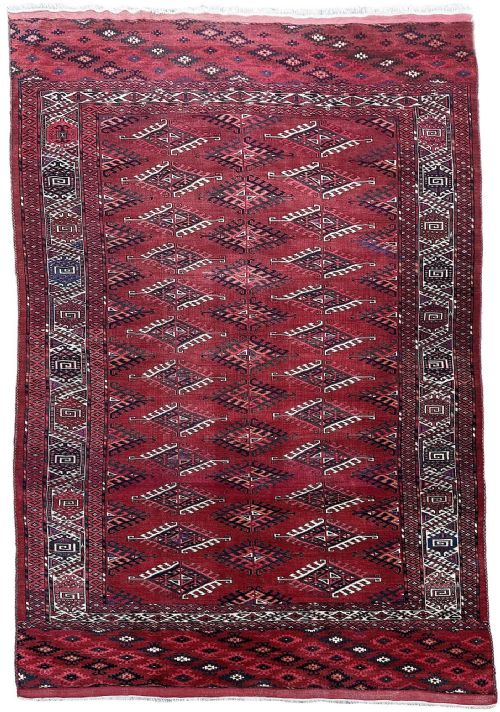
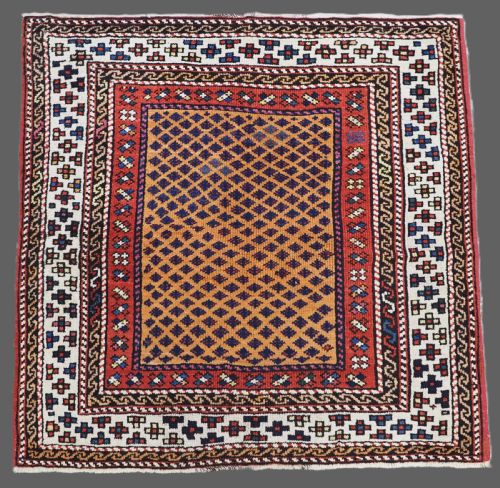
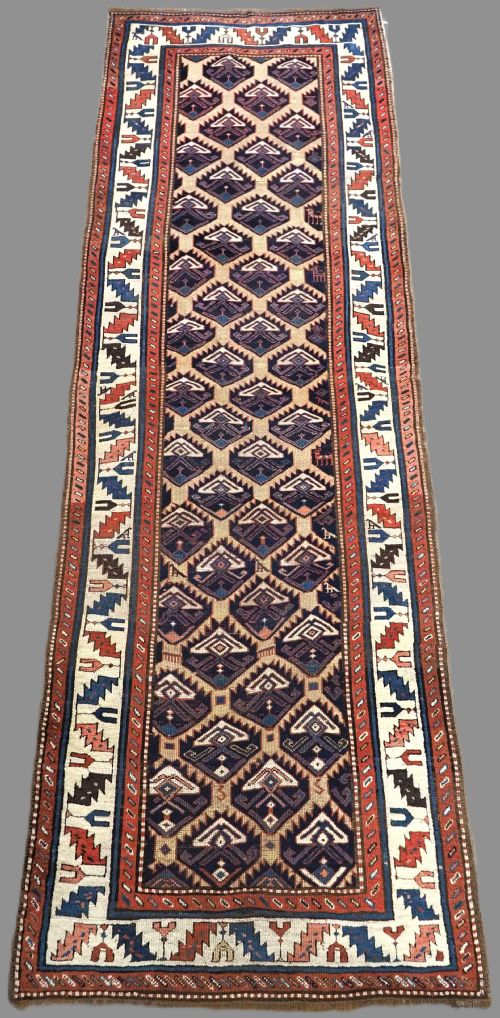
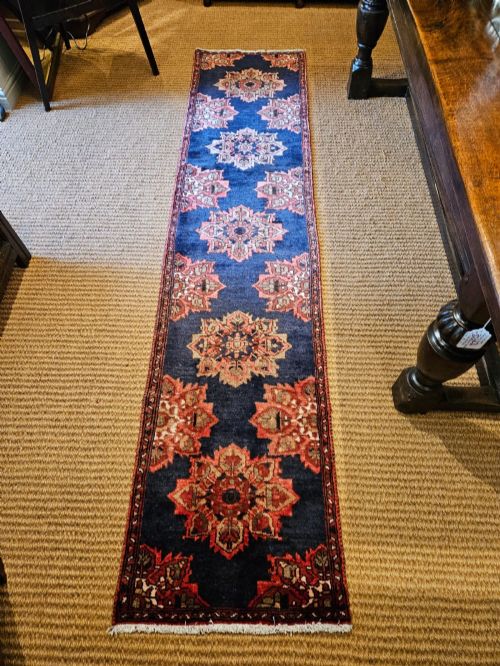
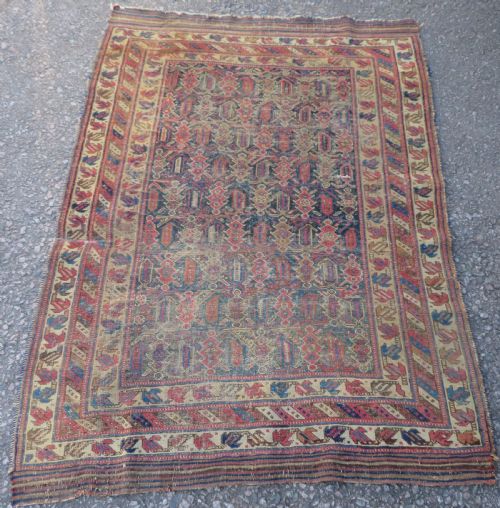
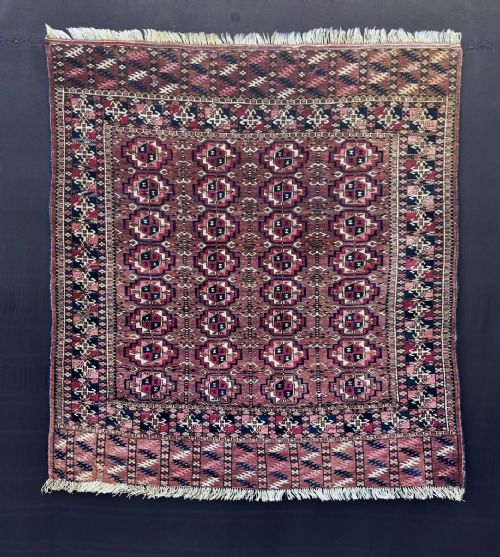
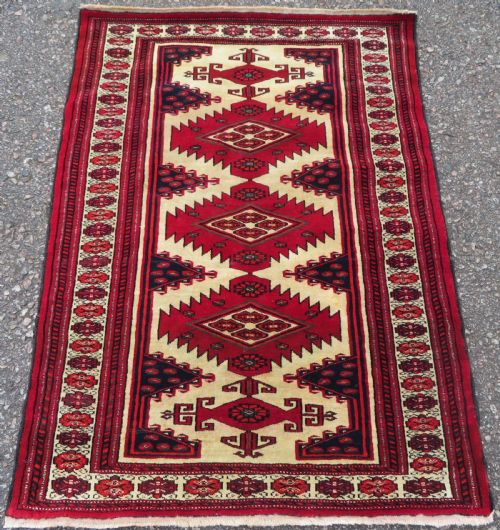
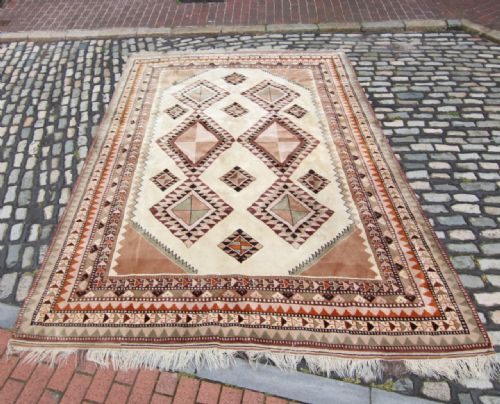
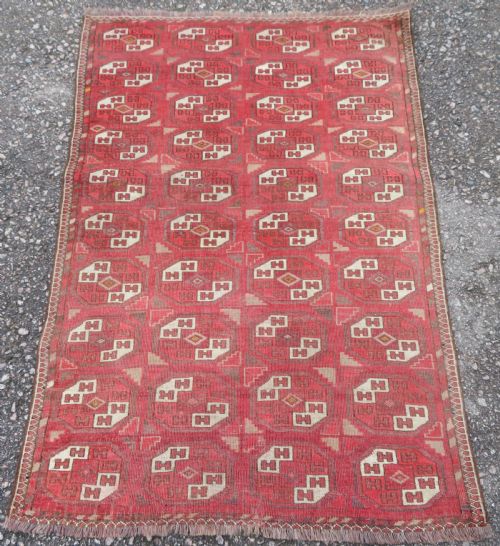
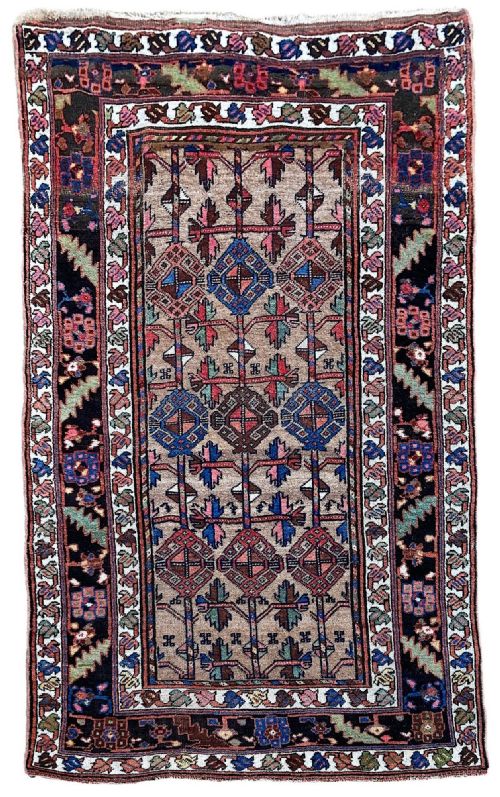
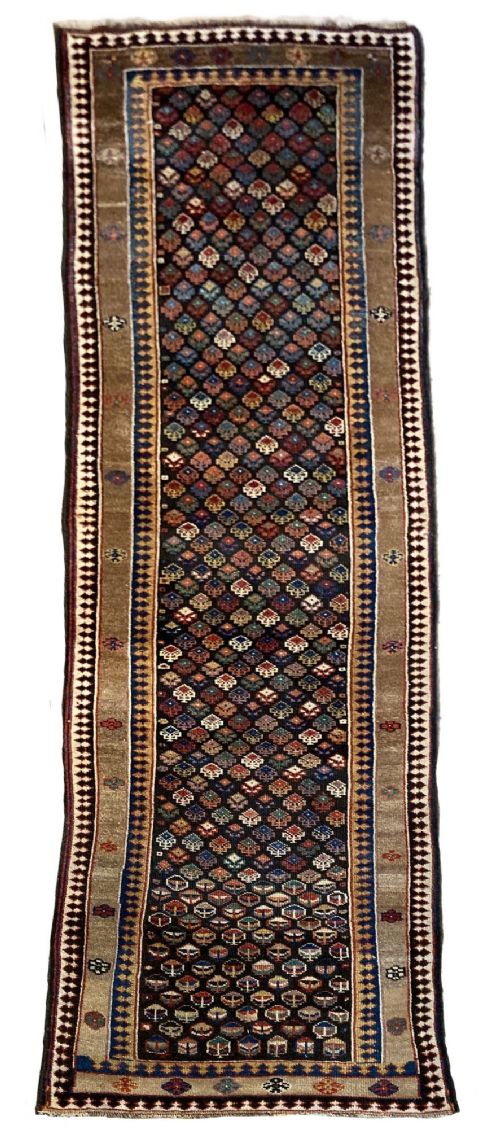
A geometric patterned carpet comprises floor coverings featuring repeating rectilinear motifs, lattice layouts, and tribal field designs originating from Central Asia, Persia, the Caucasus, and Anatolia. These pieces span from the mid-nineteenth century through the early decades of the twentieth century, encompassing both large formats and long hallway runners.
The most common versions met on this page are tribal and village rugs created by groups such as the Turkmen, Kurdish, Afshar, and Kazak weavers. These works typically display bold medallions, repeated guls, or diagonal lattice networks worked in wool across formats ranging from square mats to elongated runners.
Materials and construction
These floor coverings rely primarily on hand-spun wool and natural dyes, utilising cotton foundations in many Persian and village productions. Weavers knotted or flat-wove these materials by hand, resulting in dense structures designed for durability.
The use of natural colourants yields varied palettes, from deep indigo navies and olive greens to warm madder reds, which develop a soft patina as the wool ages.
Geometric Patterned Carpet Retail Price Guide 2026
Typical asking prices for geometric patterned carpet among the pieces listed under this phrase on Sellingantiques today, from the lower quarter to the upper quarter. They describe what is for sale here now, not the wider market.
Several runners embrace their handmade origins proudly, catalogued with delightfully wonky geometry and charmingly crooked borders.
Assessing the weave and design
Quality in these carpets rests upon the tightness of the hand-knotting, the precision of the geometric layout, and the depth of the wool pile. Finer knot density allows intricate lattice designs and tribal motifs to maintain sharp definition across the field.
The vitality of the natural dyes and the integrity of the original wool supply further distinguish finer examples, as well-preserved foundations and intact outer borders indicate careful historic usage.
The Geometric Patterned Carpet Glossary
- Gul
- A medallion motif repeated across Turkmen and Central Asian carpets. It often forms the primary geometric focus of the field.
- Kilim
- A flat-woven carpet or rug produced without a pile. These pieces rely on interlocking weft threads to create sharp geometric patterns.
- Runner
- A long, narrow carpet format designed for hallways and corridors. They frequently employ repeating lattice or medallion designs to guide the eye.
- Lattice
- A repeating network of diagonal lines forming geometric compartments across the field. This framework often encloses secondary motifs or floral elements.
Geometric Patterned Carpet: Frequently Asked Questions
How do I clean an old wool rug?
Surface dirt is best managed through gentle regular suction without a rotating brush bar, avoiding deep immersion unless handled by a textile specialist.
Harsh chemical treatments damage natural wool fibres and alter the historic dyes, so professional dry cleaning or specialist washing is recommended for thorough maintenance.
Where should I place a long runner?
Hallway runners suit high-traffic thoroughfares like corridors, entryways, and narrow landings where linear geometric patterns draw movement through the space.
Using a secure underlay prevents slip and protects the wool foundation from friction against hard timber or stone floors.
How do I identify a tribal design?
Tribal designs feature repeated geometric emblems, stylised animal forms, and bold medallions rooted in the cultural traditions of specific weaving groups rather than court workshops.
Asymmetrical details and spontaneous colour shifts often indicate that a nomad or village weaver worked from memory rather than a rigid cartoon.
Why do antique rugs show colour variations?
Natural dyes react differently to organic wool fibres over decades of light exposure and washing, creating subtle shifts known as abrash.
This tonal variation is a natural characteristic of antique vegetable-dyed wool rather than a defect, adding visual depth to the surface.