
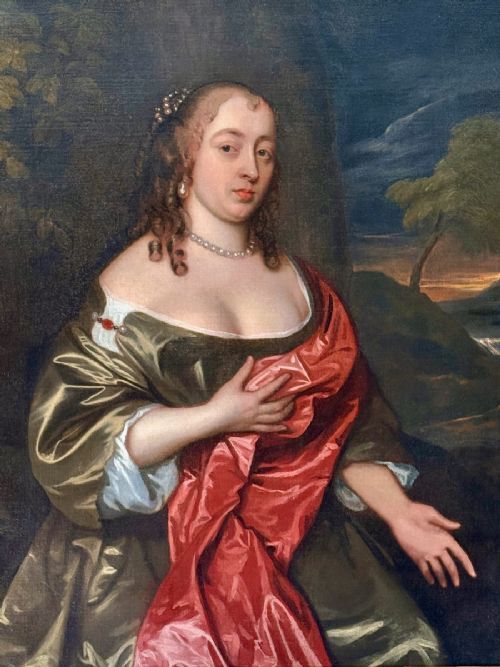


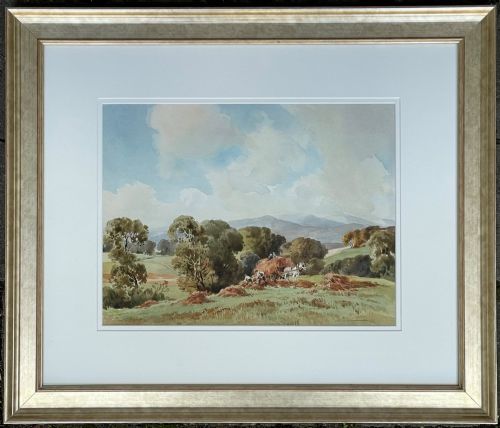
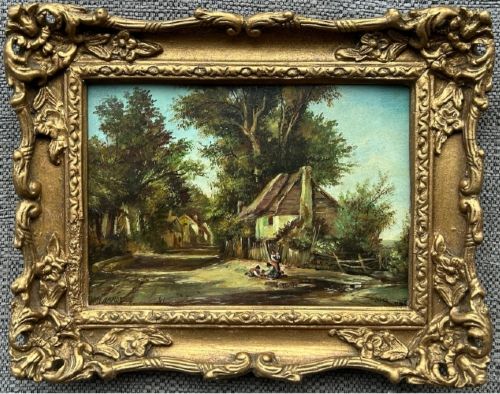
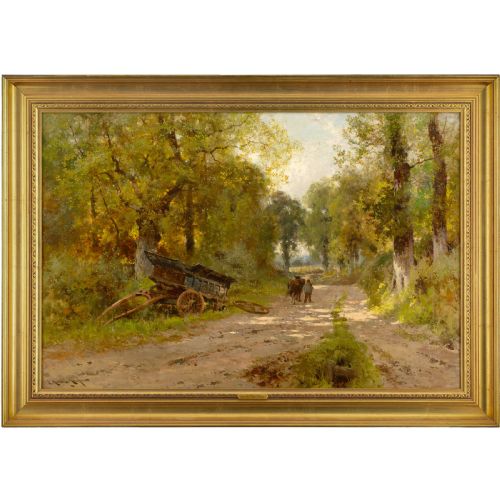

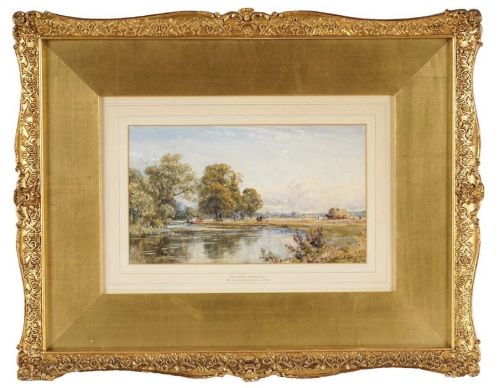
Traditional English Landscape Painting
Traditional English landscape painting captures the pastoral beauty and rural charm of the countryside through oil and watercolour.
Traditional English Landscape Painting
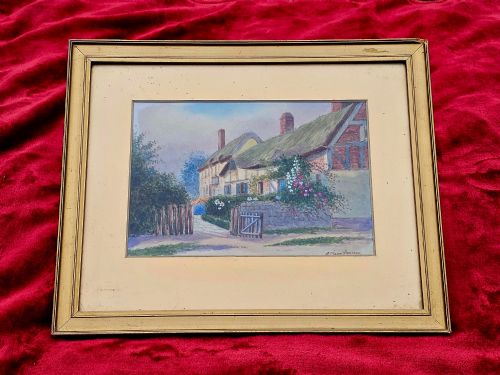
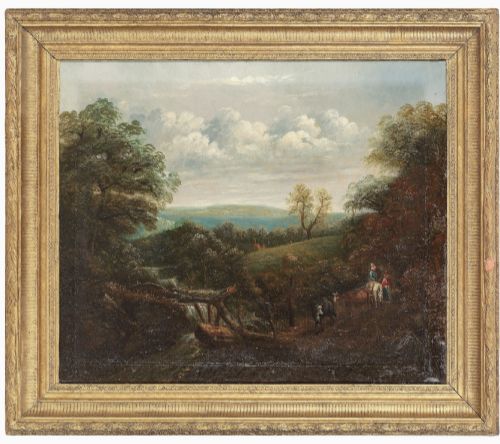
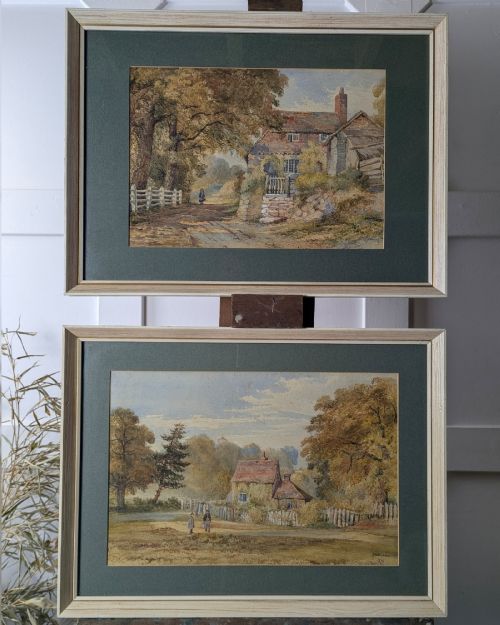
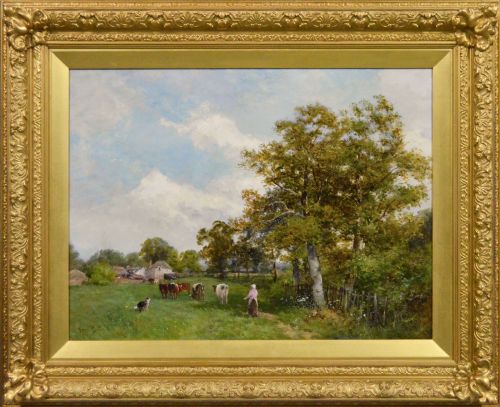
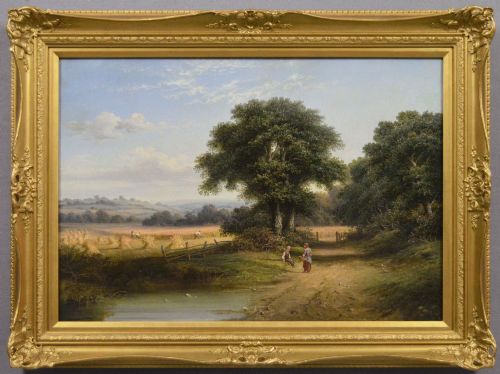
Traditional English landscape painting embraces rural scenes, river views, and pastoral life created across the nineteenth and early twentieth centuries. These artworks often depict harvest fields, wooded paths, and country cottages set within recognizable regional locations.
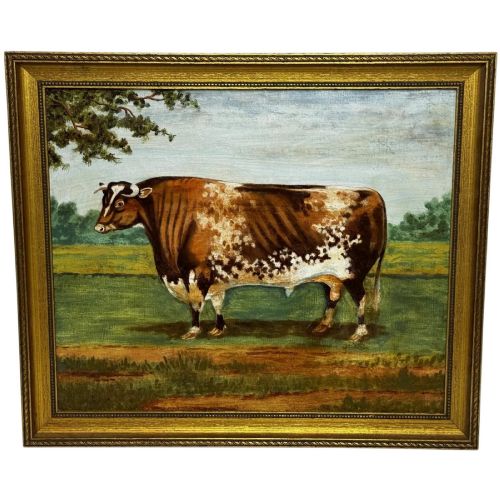
Most examples encountered on this page originate from the Victorian and Edwardian periods, utilising canvas, panel, board, and paper as mediums. The compositions frequently incorporate figures, livestock, or local waterways to ground the natural scenery in everyday rural existence.
Makers and regional schools across Britain developed distinct approaches to these subjects, ranging from detailed topographical watercolours to broader impressionistic oils. Buyers will find works attributed to named artists alongside pieces bearing the designation of the English School.
Materials and techniques
Artists painted primarily with oil paint on stretched canvas, wooden board, or card, and applied watercolours onto prepared paper. Gilt wood frames frequently house these finished works, adding structural support and period presentation.
Techniques varied from precise brushwork recording topographical detail to looser applications of pigment that prioritized atmospheric light and weather. Pigments were layered to create depth in foliage, water, and skies, often utilising panels or canvas primed with a traditional ground.
Distinctions in execution
Quality rests upon the artist's ability to render light, spatial depth, and natural texture convincingly within the composition. Stronger works demonstrate confident handling of brushwork in foliage and water, whereas weaker examples rely on formulaic repetition.
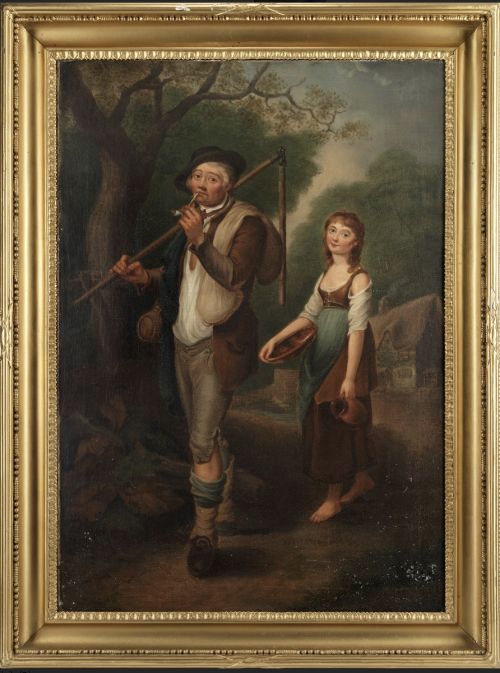
The integration of figures and animals into the surrounding topography distinguishes superior pieces from standard decorative works. Condition of the pigment, stability of the support, and the presence of a period frame further separate the top tier of paintings.
George Graham·Percy Lancaster·John Horace Hooper·David Bates·Walter Heath Williams·George Oyston·Henry Yeen King·Sydney Yates Johnson
The Traditional English Landscape Painting Glossary
- Watercolour
- A painting method where fine pigment is suspended in a water-soluble binder and applied to paper. This medium allows for luminous washes and delicate atmospheric effects.
- English School
- A designation applied to artworks created by British artists whose specific identities remain unrecorded or broadly attributed. It groups regional characteristics rather than a single master.
- Gilt wood
- Wood carved and coated with a thin layer of gold leaf or metallic gilt. These frames were standard for presenting finished oil paintings.
- Panel
- A flat piece of wood or wooden board utilised as a rigid support for oil painting. Panels were favoured for their stability and smooth painting surface.
Traditional English Landscape Painting: Frequently Asked Questions
What periods do these paintings date from?
The available artworks largely span the nineteenth century through the early twentieth century, encompassing the Victorian and Edwardian eras. Painters of this timeframe frequently recorded rural topography and pastoral scenes.
Specific dates on panels or canvases sometimes indicate the precise year of execution, while others reflect the broader stylistic conventions of a reign or decade.
How do oils and watercolours differ?
Oils utilise pigment suspended in drying oils applied to canvas, wood, or board, resulting in rich textures and deep colour saturation. Watercolours employ water-soluble pigments on paper to achieve transparent washes and lighter luminosity.
Both mediums captured the British countryside, with watercolours traditionally reserved for lighter topographical views and oils chosen for more substantial compositions.
What subjects are most common?
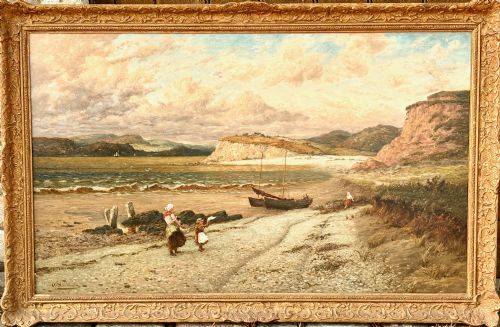
Common subjects include river valleys, harvest fields, country paths, and coastal harbours set across various British counties. Figures engaged in rural labour, livestock, and cottages frequently inhabit these views.
Artists frequently documented specific local waterways and named landmarks, connecting the picturesque scenery to identifiable regional geography.
How should I care for a framed painting?
Paintings require stable indoor environments away from direct sunlight and excessive humidity to protect the canvas, paper, and wooden supports. Glazed watercolours particularly benefit from protection against ultraviolet light.
Dusting gilt frames and painted surfaces gently with a soft, dry brush preserves the materials without introducing moisture or abrasive friction.