







British Landscape Wall Art
British landscape wall art captures the changing terrain and coastal views of these islands through historical paintings and watercolours.
British Landscape Wall Art
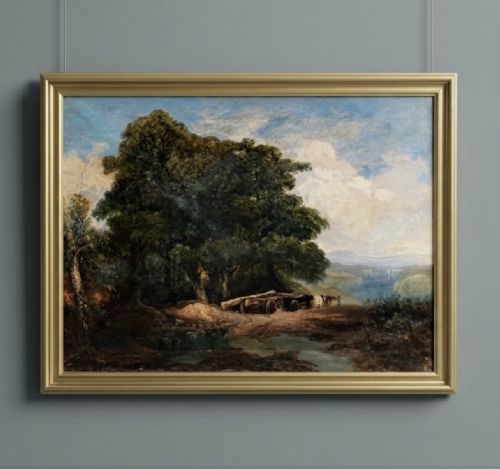
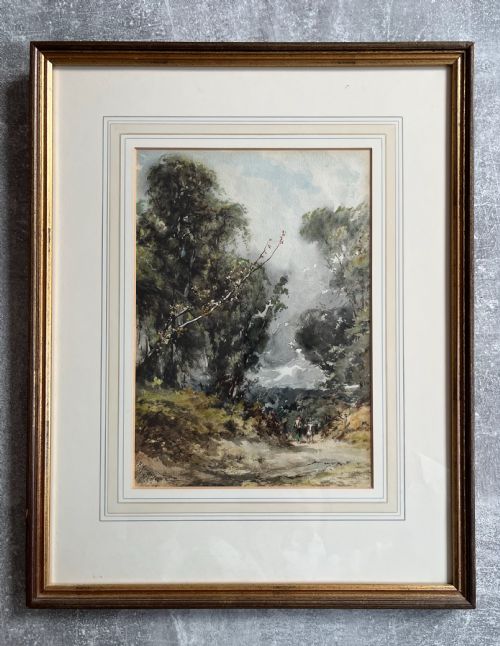
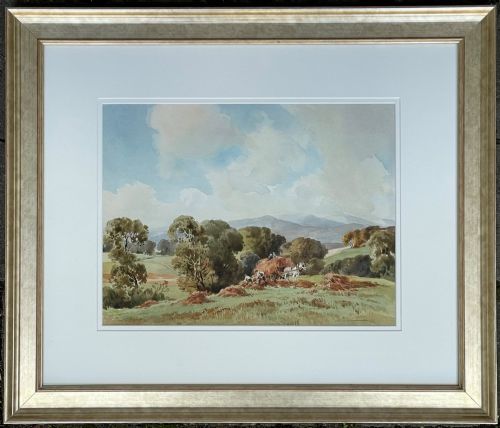
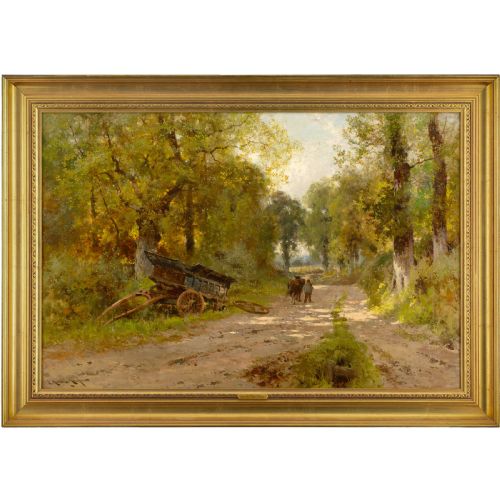
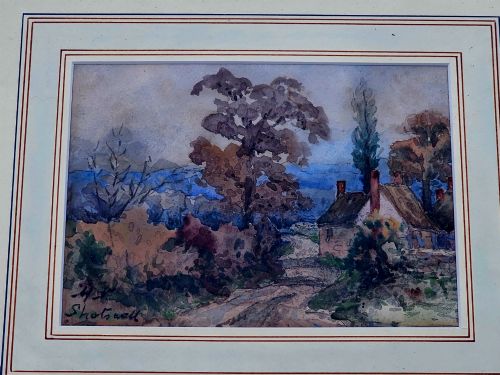
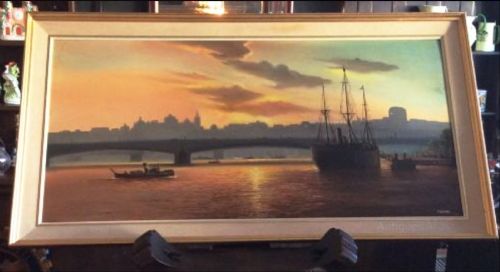
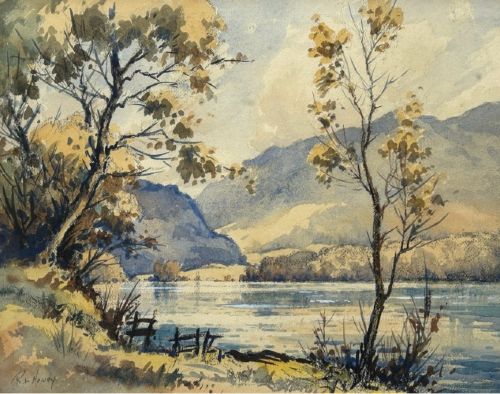
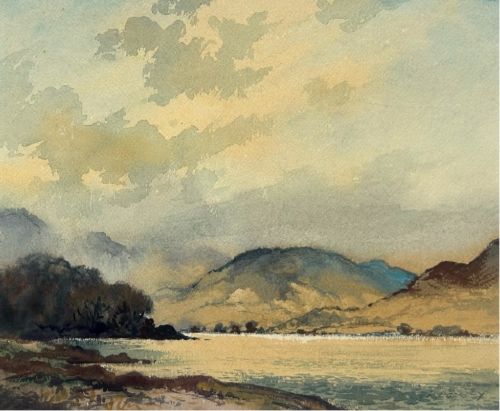
British landscape wall art encompasses oil paintings, watercolours and etchings depicting rural scenes, coastal villages and rivers across the British Isles. These works range from nineteenth-century romantic watercolours to mid-twentieth-century impressionist views on board or canvas.
Buyers frequently encounter framed works dating from the Victorian period through to the nineteen-sixties. Subjects vary from Scottish highlands and Cumbrian lakes to Cornish harbours and Thames valley rivers, often mounted in traditional frames.
How they were made
Painters applied oil paint or watercolour using brushes, and occasionally palette knives for impasto textures, onto supports of canvas, paper, wood panels or boards. Artists frequently worked en plein air to capture natural light and atmospheric weather conditions directly from the scenery.
Works are typically protected by glass in the case of works on paper, or presented in gilt wood frames for oils on canvas and board.
Sheep appear in a surprising number of Scottish and Cumbrian hillsides.
What varies in quality
Quality rests upon the artist's handling of light, depth and perspective, alongside the preservation of the pigment and support over time. Skilled brushwork conveys movement in water and weather in skies more convincingly than flat or rigid application.
The sensitivity of the composition and the integrity of the original frame further distinguish finer examples from standard decorative works.
Richard Sebastian Bond·George Fotherly Hargitt·James Orrock·William H Myers·Tom Campbell·Alfred Young Nutt·Percy Lancaster·John Horace Hooper·Sidney A Court·Edward Mills·Robert Leslie Howey·Kershaw Schofield·Herbert Royle·John E Aitken·William Banks Fortescue·Robert Morson Hughes·Thomas Barker of Bath·Thomas W Lascelles·David Bates·Benjamin Barker of Bath·Thomas Smythe·Walter Heath Williams·Robert W Macbeth·John Smith Atherton·Lucy Pratt
The British Landscape Wall Art Glossary
- Oil on canvas
- Pigments bound in a drying oil applied to stretched fabric. This medium allowed artists to build rich textures and deep tones.
- Watercolour
- Pigments suspended in a water-soluble vehicle applied to paper. It produces translucent washes and delicate atmospheric effects.
- Impasto
- Paint laid thickly on the surface so that brush or palette knife marks remain prominent. This technique adds literal dimension and texture to the scene.
- En plein air
- Painting outdoors to observe landscape details directly in natural light. This method became central to impressionist and landscape practices.
- Etching
- A printmaking process where lines are bitten into a metal plate with acid before being inked and pressed onto paper. It produces fine, detailed linear graphics.
British Landscape Wall Art: Frequently Asked Questions
How do I identify the period?
Examine the support material, framing style and the artist's recorded dates. Canvas and heavy wood panels frequently align with nineteenth-century works, while mid-century pieces often utilise thinner boards or distinct paper weights.
Signatures and gallery labels on the reverse also provide definitive clues to the decade of creation.
Where should I hang these?
These pieces suit living rooms, studies and hallways where natural light complements the tones of the landscape. Traditional oils in gilt frames anchor a room with darker walls, while lighter watercolours suit neutral spaces.
Keep them away from direct sunlight to protect pigments from fading over the years.
How do I care for watercolours?
Watercolours require framing under glass with acid-free mounts to prevent humidity and dust from damaging the paper. Ensure they are positioned away from damp walls and direct heat sources.
Routine dusting of the frame with a dry cloth is sufficient for maintenance.
What subjects are most common?
Coastal harbours, rivers, and highland pastures dominate the available selection. Artists frequently returned to familiar locations like Cornwall, the Thames valley, and northern lakes to record changing seasons.
Figures working in fields or rounding up livestock also appear regularly within nineteenth-century rural scenes.