




Green Coastal Landscape Painting
When you search for a green coastal landscape painting, you are looking at works capturing shorelines and maritime views across British locations.
Green Coastal Landscape Painting
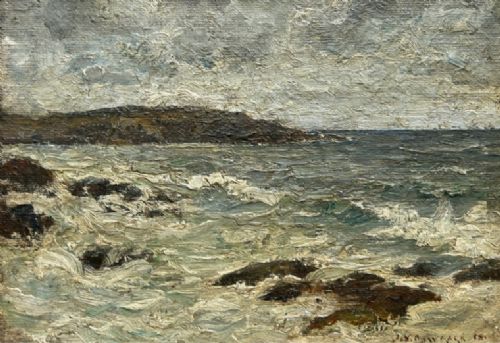
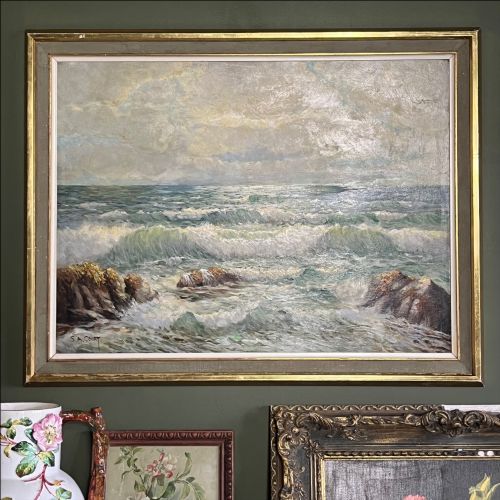
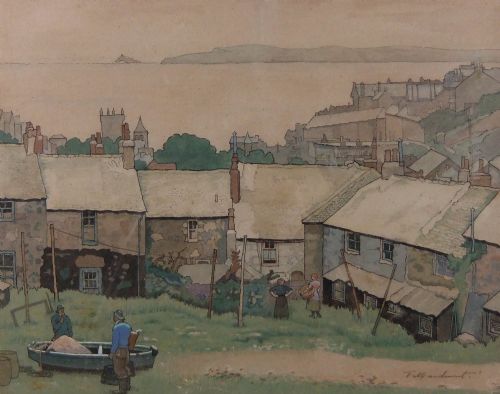
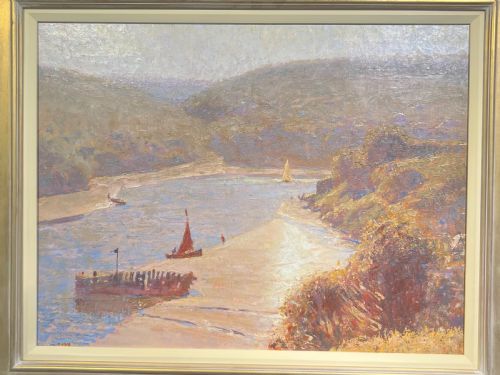
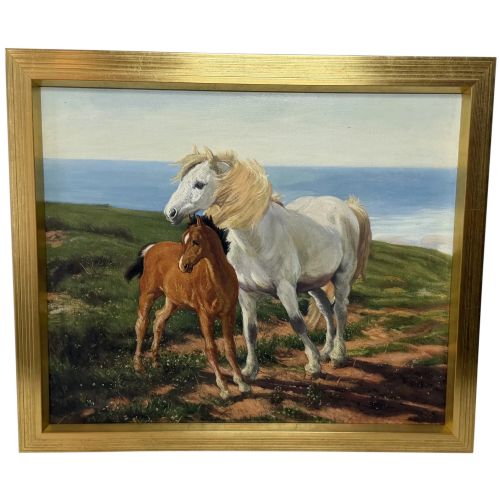
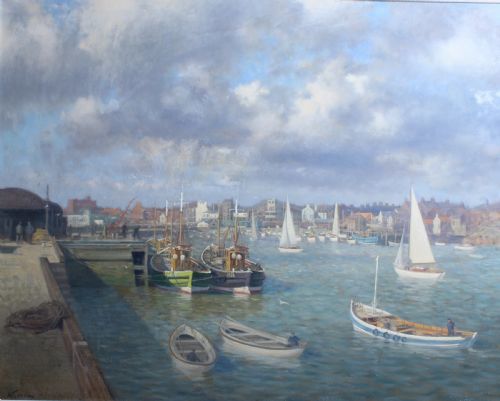
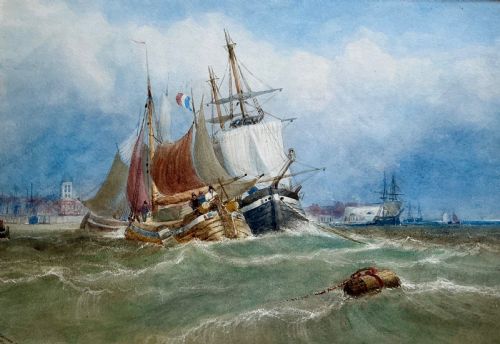
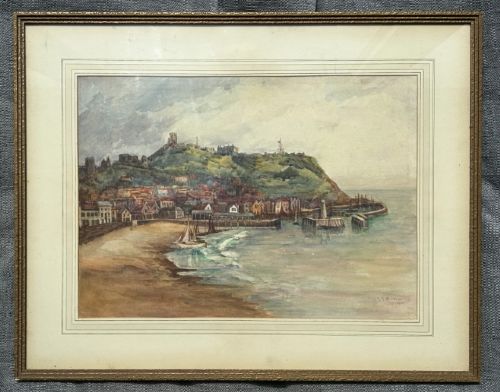
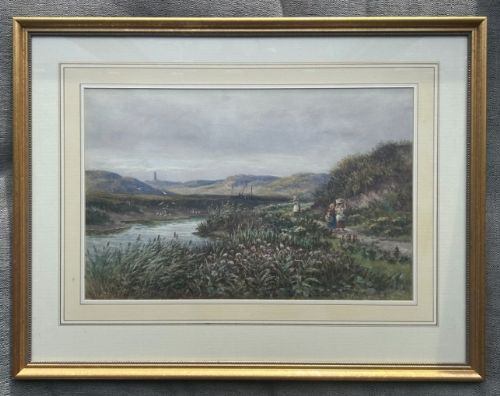
A green coastal landscape painting depicts maritime scenes, harbours, estuaries and cliffs utilising green and earthy tones. These works capture specific shorelines around Britain, from Cornwall and Dorset to Yorkshire and the Isle of Man.
The pieces on this page span from the nineteenth century through the Edwardian period to the mid-twentieth century, encompassing both traditional watercolours and textured impasto oils. Buyers will encounter framed original artworks executed en plein air or finished within the studio.
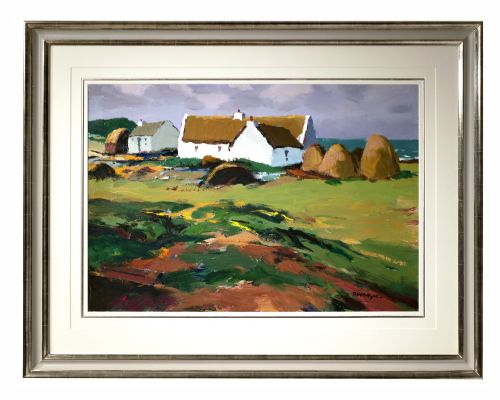
Most examples present coastal topography integrated with rural greenery, capturing harbours, sandy bays and cliff paths. The styles range from Victorian realism and British Impressionism to mid-century modern interpretations.
How they were made
Artists painted primarily with oil paint or watercolour, applying pigment onto prepared canvas, paper, wood panels or board. Oil formulations allowed for heavy impasto application where texture builds up on the surface, while watercolours utilised fluid washes on paper support.
Many works were executed en plein air directly on location by the coast, capturing immediate atmospheric conditions before being mounted behind glass or housed in wood frames.
One canvas captures a bustling seaside scene complete with a boxer, a photographer, and a lady in white enjoying the fresh air.
What varies in quality
Quality rests in the handling of light and the surety of the brushwork rather than the mere recording of topographical detail. Stronger paintings convey the atmosphere of the coast with confident marks, whereas weaker examples remain stiff and literal.
The harmony of the palette dictates success, particularly how the verdant green tones balance against the marine hues of sea and sky. Materials also play their part, with sound canvas preparation and stable paper supports preserving the vitality of the pigment over decades.
Sidney A. Court·Thomas Maidment·Donald McIntyre·Cecil Allan Mould·Walter Goodin·Henry Barlow Carter·F A Roylance·Joseph Edward Hennah·Helen Layfield Bradley·James Fry·William J B Jenkins·Colin H Greenwood·Florence Hess·Frank Wood·H.E. Tidmarsh·Harry Pennell·John Hobson Nicholson·Frederick Williamson·Gudrun Sibbons·William Lambert Bell·William Tatton Winter·John Abernethy Lynas-Gray·William Moore Junior·Walter Henry Sweet·Clarence Woodburn
The Green Coastal Landscape Painting Glossary
- Impasto
- Paint applied thickly to a canvas or board, standing out from the surface so that the marks of the brush or palette knife remain visible. This technique adds tactile depth and catches light across the scene.
- En plein air
- Painting outdoors in direct natural light to capture the shifting effects of weather and atmosphere on the landscape. Artists working this way often completed pieces in a single sitting.
- Watercolour
- A paint consisting of pigment suspended in a water-soluble binder, traditionally applied to paper. It relies on the white of the paper showing through translucent washes to create luminosity.
- Provenance
- The documented history of a painting's ownership and origin, establishing its authenticity. This record helps link a piece to a specific artist or exhibition.
- Estuary
- The tidal mouth of a large river, where the tide meets the stream. These environments offered artists a blend of marine water and surrounding green marshland.
Green Coastal Landscape Painting: Frequently Asked Questions
How do I date a coastal painting?
Examine the materials, framing style, and any artist signatures or inscriptions on the reverse of the canvas or board. Costume details in figures or architectural elements within the landscape can also point to a specific decade.
Comparison with documented works by the same hand in archives helps narrow the timeframe further. Exhibition labels glued to the back often provide precise historical markers.
Where should I hang an oil painting?
Keep oil paintings away from direct sunlight and damp environments to protect the canvas and pigments from degradation. Stable indoor temperatures prevent the wood stretcher frames and paint layers from expanding and contracting.
Ensure the wall can bear the weight of the frame and use secure fixings suited to your wall type. Hanging them at eye level in a principal room allows the brushwork to be appreciated properly.
What is the difference between oil and watercolour?
Oils use slow-drying pigments suspended in medium, allowing artists to rework surfaces and build thick impasto textures. Watercolours use water-soluble binders on paper, creating translucent effects that require protection behind glass.
Oils generally offer greater durability over time without needing immediate framing under glass. Watercolours depend entirely on dry, sealed framing conditions to avoid moisture damage.
Are these paintings original works?
The listings feature hand-painted original artworks created directly by the artists rather than mass-produced prints or reproductions. Each piece bears unique brush marks and individual compositional choices.
Signatures, dates, and studio inscriptions frequently accompany these original pieces, confirming their status as unique historical items. Catalogues and artist registers support attribution to specific hands.