
Victorian Pastoral Landscape Artwork
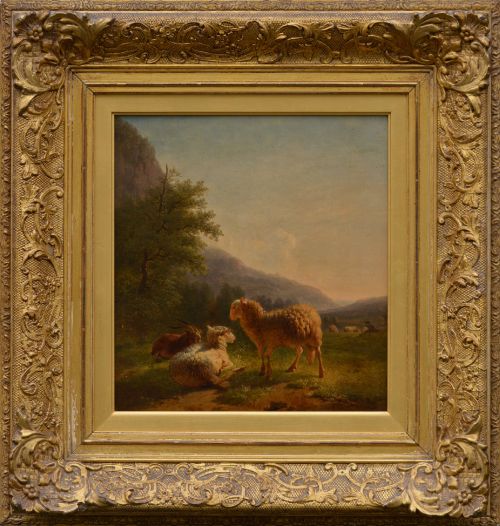
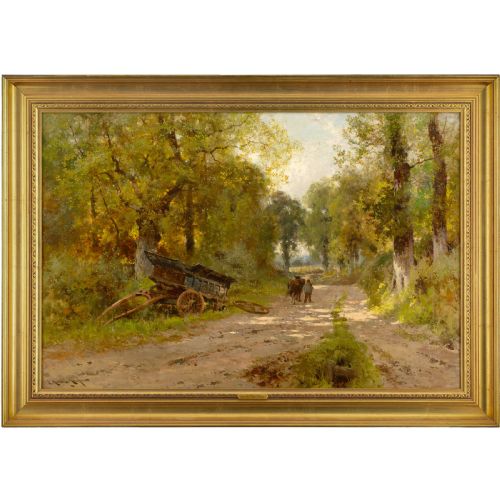
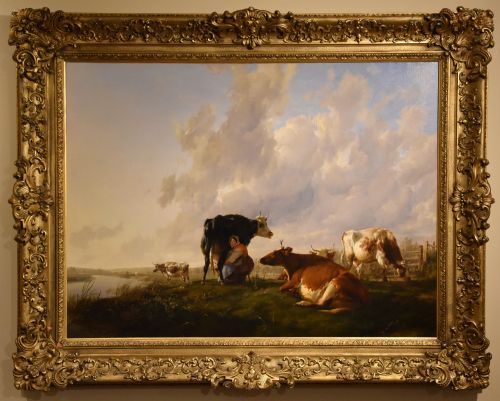
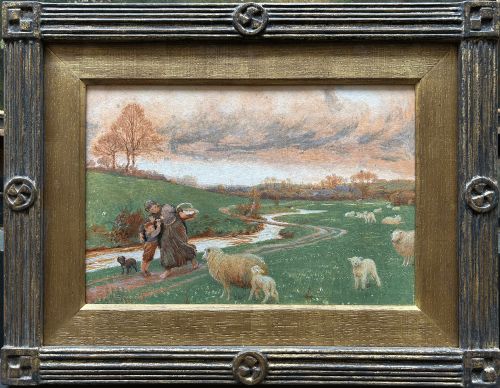
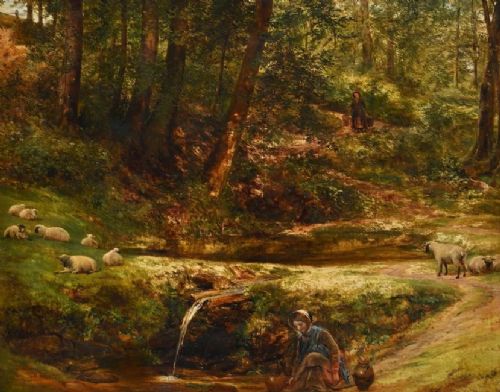
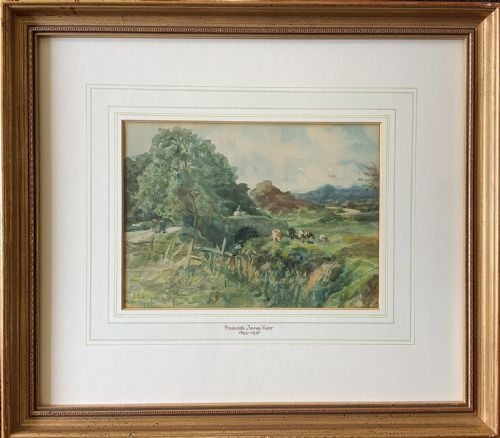
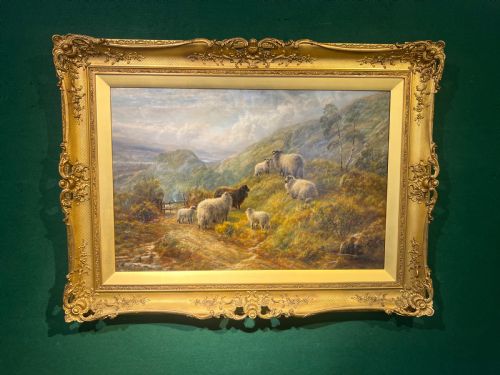
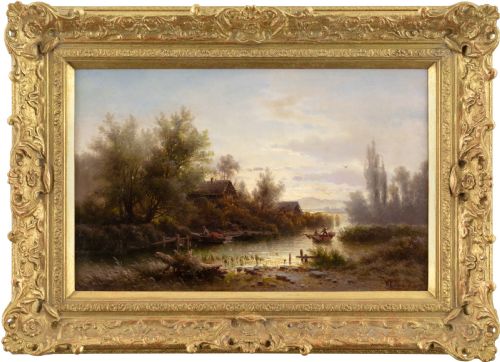
These Victorian pastoral landscape artwork pieces capture quiet rural scenes of fields, rivers, and farm animals to bring traditional countryside atmosphere into a room.
Victorian Pastoral Landscape Artwork
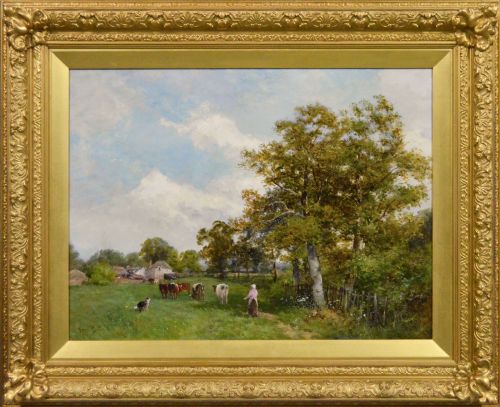
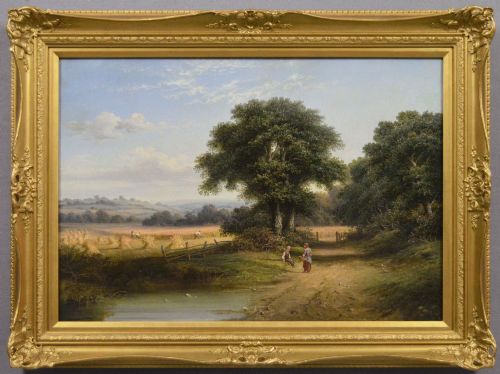
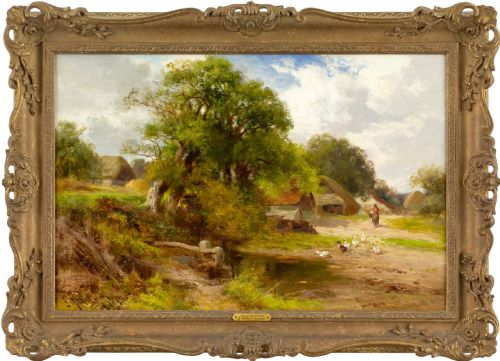
When you search for victorian pastoral landscape artwork, you encounter painted scenes of the British and European countryside featuring shepherds, cattle, riversides, and harvest fields. These pieces date principally from the nineteenth century into the early twentieth century, spanning periods from eighteen-fifty to nineteen-ten.
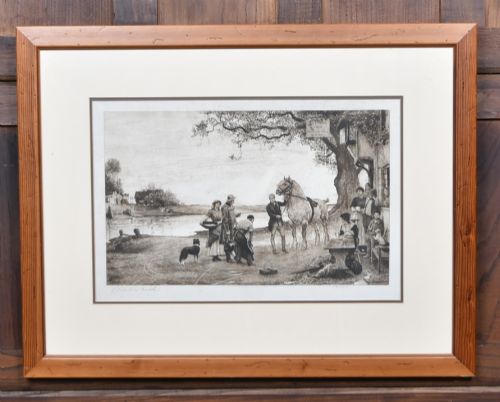
The format you meet most often on this page is an oil painting on canvas, housed within a giltwood or gesso frame. Watercolours on paper and occasional etchings or lithographs also appear, reflecting the diverse fine art methods utilised during the Victorian era and the subsequent Edwardian period.
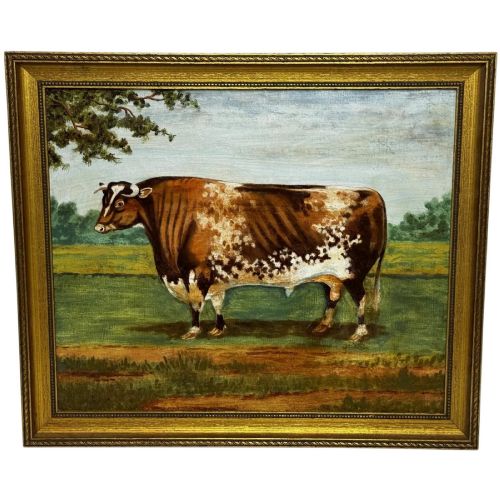
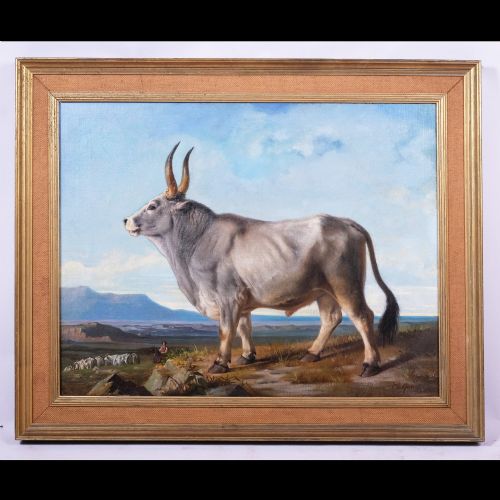
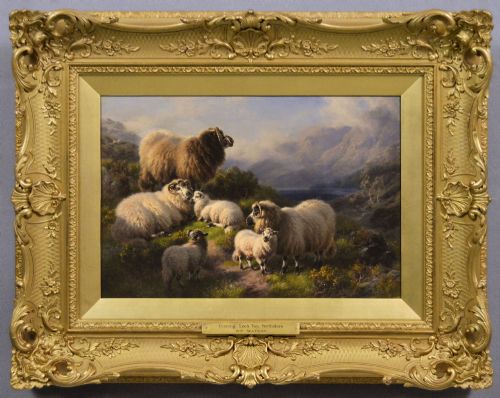
Subjects frequently centre on rural animals and agricultural life, including depictions of sheep, shorthorn bulls, milkmaids, and hay carts. Artists worked within movements such as nineteenth-century realism, romanticism, and the British school to record disappearing agrarian traditions.
Materials and Technique
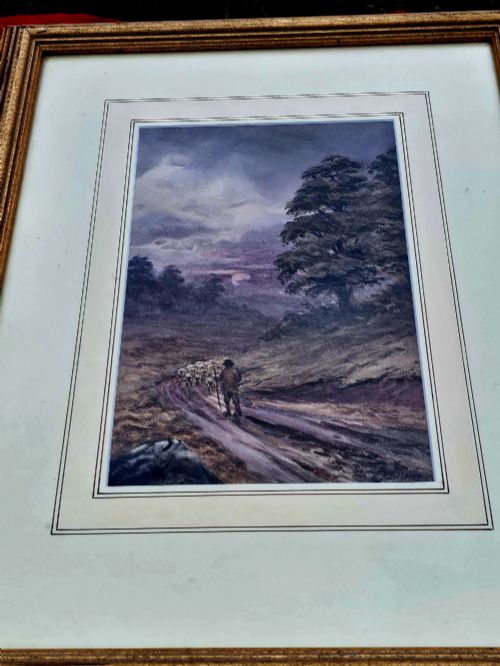
Painters applied oil pigments onto woven canvas or wood boards, building depth through layered brushwork. Watercolour paintings on paper utilised translucent washes to capture natural light across river valleys and morning meadows.
Frames made from wood with applied gesso and gilt finishes secured the works, often incorporating ornate moulded details characteristic of nineteenth-century presentation. Paper works relied on protective glass glazing within framed enclosures to prevent environmental degradation.
Numerous canvases diligently record prize-winning shorthorn bulls, proving that Victorian farmers loved showing off their livestock.
Indicators of Quality
Quality rests in the precision of draughtsmanship, particularly in the anatomical accuracy of livestock and the convincing depiction of natural light and atmospheric mood. Superior works display confident handling of pigment that creates genuine spatial depth rather than flat decoration.
The preservation of the original surface and the matching period frame influence the integrity of the piece. Works exhibiting clear provenance and the artist's signature carry greater documentary weight within nineteenth-century fine art.
Eugène Verboeckhoven·John Horace Hooper·Thomas Sidney Cooper·Robert Watson·William Watson Jnr·Franz van Severdonck
The Victorian Pastoral Landscape Artwork Glossary
- Oil on Canvas
- Pigment mixed with drying oil applied to a stretched woven fabric support. This combination allowed artists to work with rich textures and blend tones smoothly over time.
- Giltwood
- Wood carved and coated with a thin layer of gold leaf or metallic powder. It provided traditional ornate framing for nineteenth-century paintings.
- Watercolour
- Paint consisting of water-soluble pigments dissolved in water, used on paper supports. It created luminous transparency suited to atmospheric landscape views.
- Gesso
- A paint mixture consisting of a neutral binder mixed with chalk or gypsum. It formed the smooth white base applied to wooden frames before gilding.
- Etching
- A printmaking technique where acid cuts lines into a metal plate to hold ink. Artists used this method to produce detailed works on paper.
Victorian Pastoral Landscape Artwork: Frequently Asked Questions
What subjects define these pastoral scenes?
These artworks typically show rural life, featuring shepherds tending flocks, cattle grazing by rivers, and agricultural workers in harvest fields. Domestic animals and quiet country waterways form the core of the composition.
Such imagery reflects nineteenth-century interest in traditional agrarian trades and untouched natural environments away from growing industrial centres.
How do I care for an antique oil painting?
Keep paintings away from direct sunlight and fluctuating humidity to protect both the canvas support and the pigmented surface. Gentle dusting with a soft dry cloth maintains the frame and canvas.
Avoid using liquid cleaners or chemical solvents on the paint layer. Professional conservators should handle any deep cleaning or canvas tension adjustments.
Where were these landscape paintings displayed?
Original owners hung these framed works in domestic drawing rooms, parlours, and country houses throughout the nineteenth century. They served to bring views of the external countryside indoors.
Today, they suit traditional interiors, study rooms, and spaces dedicated to historic fine art collections.
How can I tell watercolors from oil paintings?
Watercolours are painted on paper, sit behind protective glass, and display translucent colour washes where the paper texture remains visible. Oil paintings use thicker pigments on canvas or wood and have textured brushstrokes without glass.
Examining the surface under magnification reveals the woven canvas threads or the absorbent paper fibres beneath the pigment.