

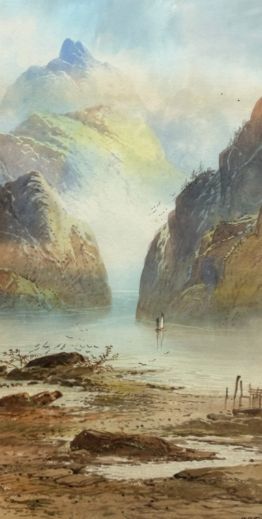

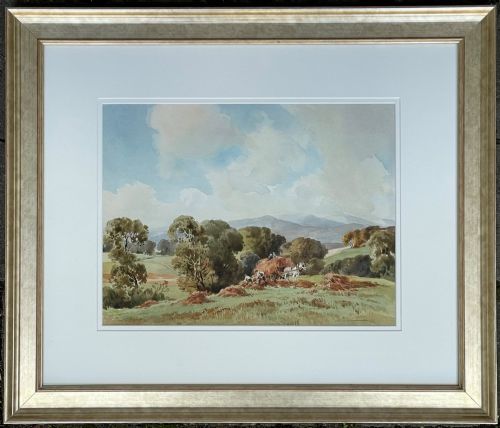
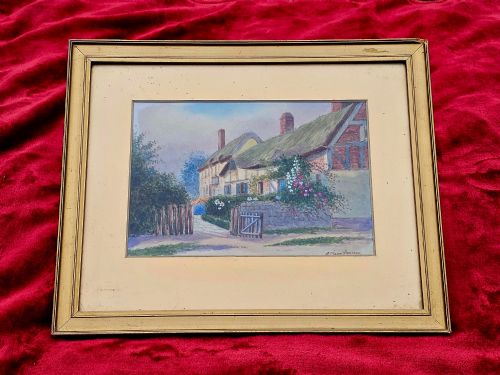
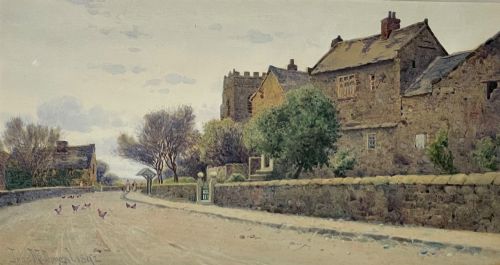
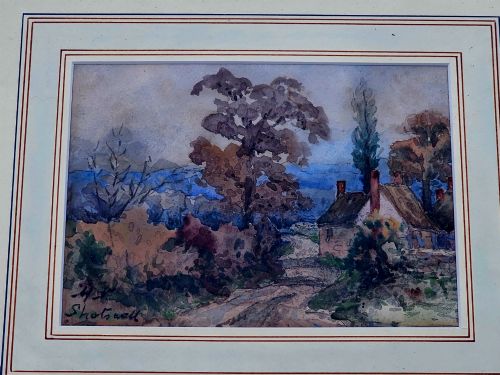
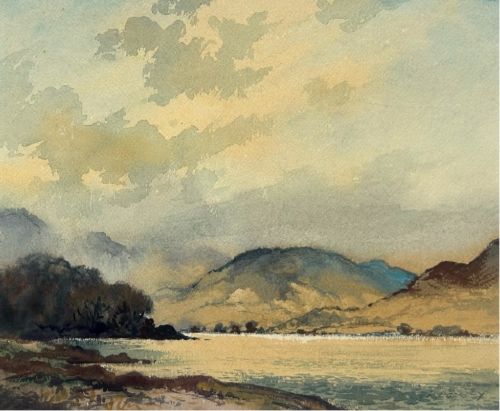
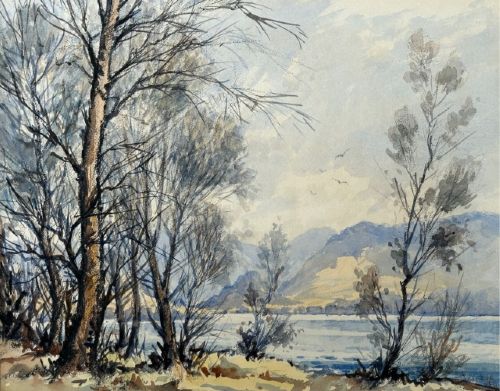
Framed Paper Landscape Painting
A framed paper landscape painting brings the quiet expanse of the countryside or coast directly into a room behind protective glass.
Framed Paper Landscape Painting
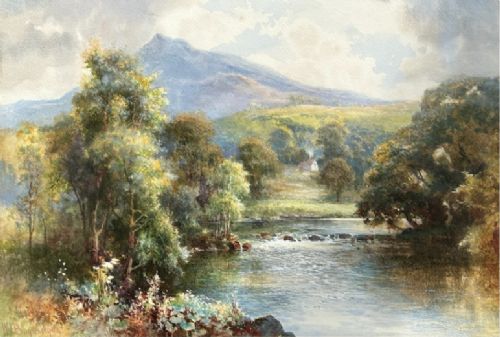
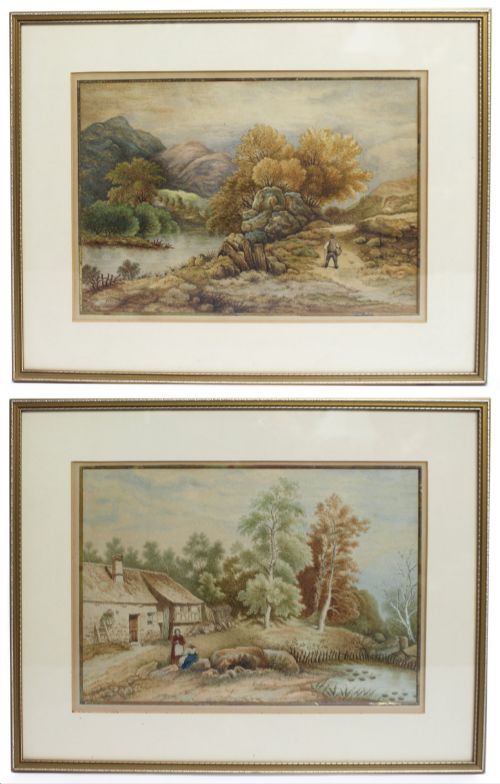
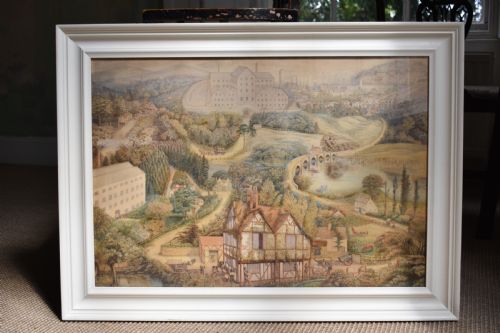
A framed paper landscape painting captures natural scenery, coastal views, and rural life on a paper support. When browsing this selection, buyers encounter works spanning the nineteenth century through the mid twentieth century, reflecting traditional British styles and early twentieth century movements.
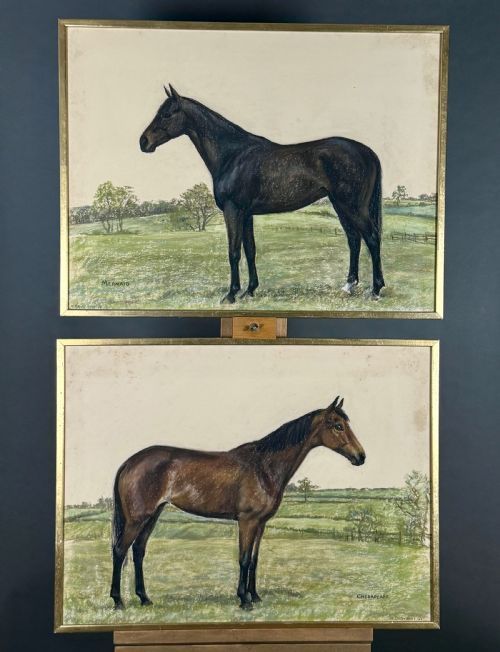
Most examples originate from British hands, depicting local scenes from Yorkshire, Scotland, Wales, and the Lake District alongside occasional continental views. These works typically take the form of original watercolours, pastels, and mixed media drawings housed in period wooden frames with glass protection.
How they were made
Artists built these compositions primarily using watercolour pigments and water-soluble paints applied directly to absorbent paper sheets. Selected pieces incorporate pastel chalks or ink to add texture and depth to pastoral scenes and coastal harbours.
Finished works received custom wooden framing paired with glass sheets to shield the delicate paper surface from moisture and atmospheric dust over decades of display.
Several artists preferred capturing stubborn sheep blocking country lanes over grand architectural monuments.
What varies in quality
The strength of the composition and the artist's command of light and atmosphere dictate the standing of a framed paper landscape painting. Accomplished brushwork captures movement in water and skies with economy, whereas lesser examples rely on heavy outlines and flat colour washes.
The integrity of the paper support and the vibrancy of the pigments also influence worth. Works preserved under proper glass without heavy fading or moisture staining maintain their visual impact far better than those exposed to harsh sunlight.
James Orrock·William Henry Earp·Percy Lancaster·John McDougal·Robert Leslie Howey·Edwin Lord Weeks·Fred Lawson
The Framed Paper Landscape Painting Glossary
- Watercolour
- A painting method where paint is made from pigments suspended in a water-based solution. It relies on the white of the paper showing through transparent washes to create light.
- Pastel
- A dry drawing medium consisting of powdered pigment and a binder. It creates velvety tones well suited for soft atmospheric effects in rural studies.
- Gouache
- An opaque watercolour paint that includes a white pigment filler. It allows artists to introduce solid highlights and dense opaque areas into a transparent wash painting.
- Support
- The physical surface upon which the artist applies paint or drawing materials. In these listings, the primary support is paper.
- Provenance
- The documented history of ownership surrounding an artwork. It establishes authenticity and traces the journey of a piece from the artist's studio onward.
Framed Paper Landscape Painting: Frequently Asked Questions
How should I hang my framed paper landscape painting?
Position the artwork away from direct sunlight and damp environments to protect the fragile paper support and pigments. Use sturdy wall fixings suited to the weight of the timber frame and glass.
Keep the piece at a stable room temperature to prevent warping of the wooden frame or degradation of the paper backing over time.
Can I remove the painting from its frame?
Removing the paper from its historical frame risks damaging the edges and exposing the delicate medium to airborne pollutants. Original frames often form part of the documented history of the piece.
Consult a professional paper conservator before attempting any reframing or dismantling of the protective glass assembly.
How do I identify the period of a landscape watercolour?
Examine the framing style, paper type, and artist signatures against known exhibition dates and biographical records. Stylistic shifts from Victorian narrative detail to twentieth century impressionism offer further clues.
Detailed examination of the backing boards and any written inscriptions on the reverse often reveal historical dates and geographical locations.
What subjects are most common in British landscape watercolours?
Coastal harbours, rolling agricultural fields, and mountainous lakes dominate the regional subject matter across these works. Scenes frequently capture specific locales in Yorkshire, Wales, and Scotland.
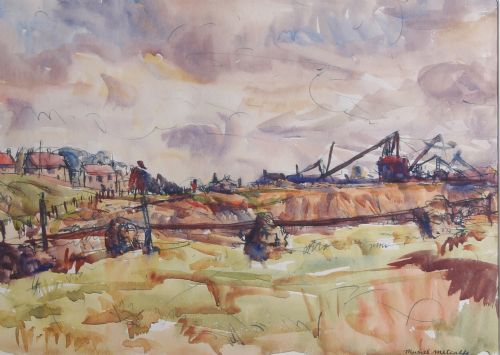
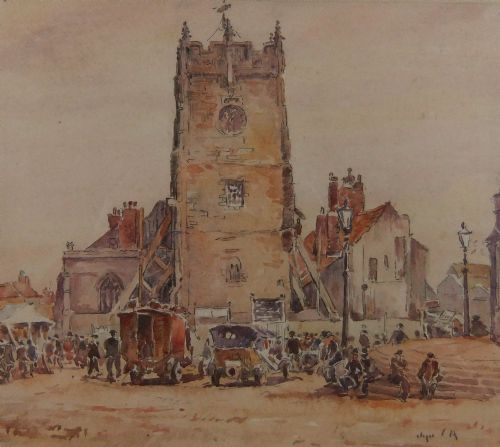
Artists also documented rural architecture, such as village cottages, country bridges, and local industrial sites integrated into the natural terrain.