


Traditional Watercolour Landscape Art
Traditional watercolour landscape art brings the quiet expanse of rivers, fields and coastal shores directly into your room through the delicate wash of pigment on paper.
Traditional Watercolour Landscape Art
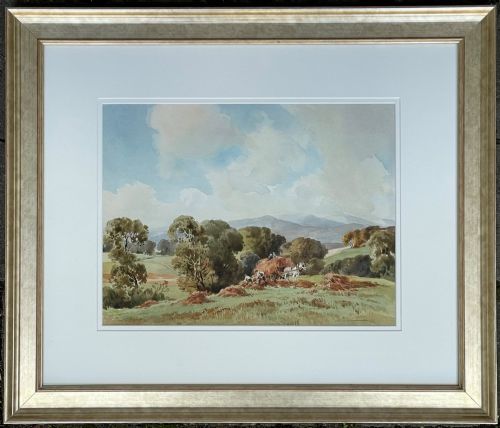
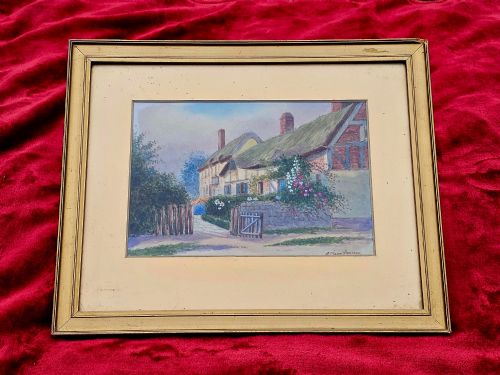
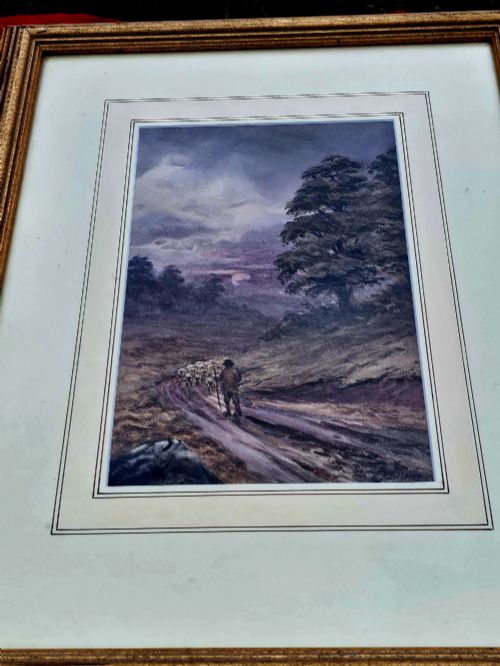
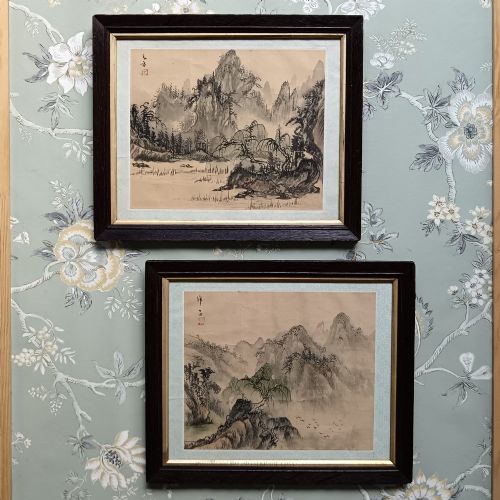
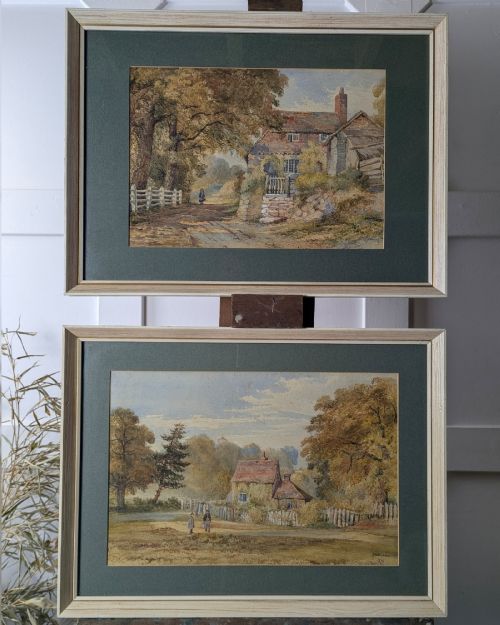
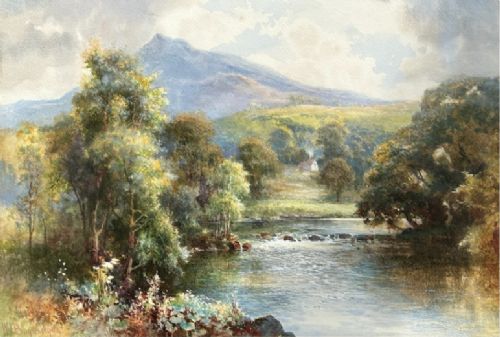
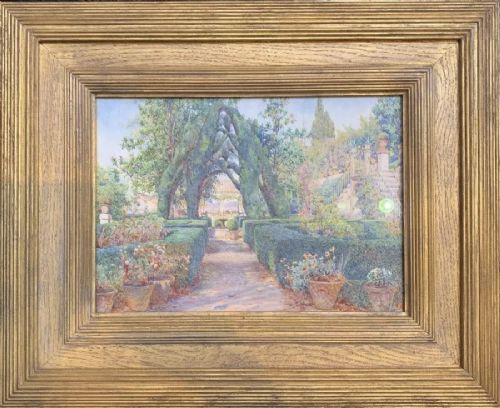
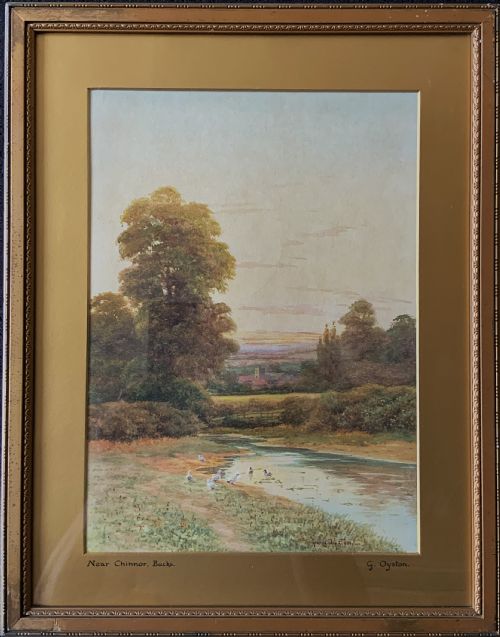
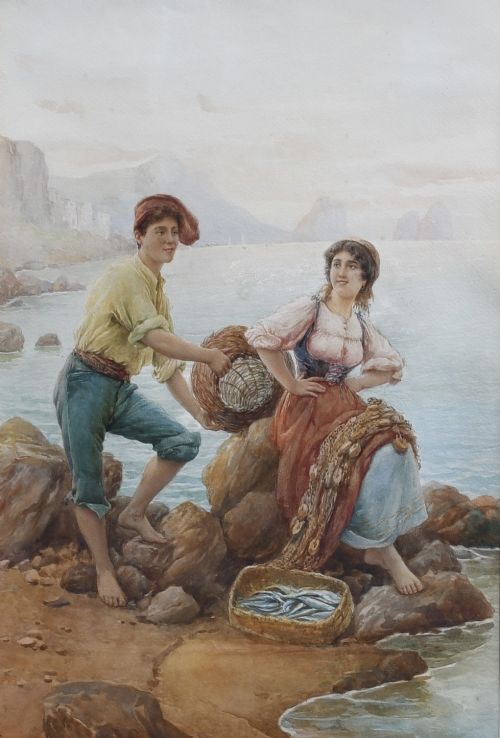
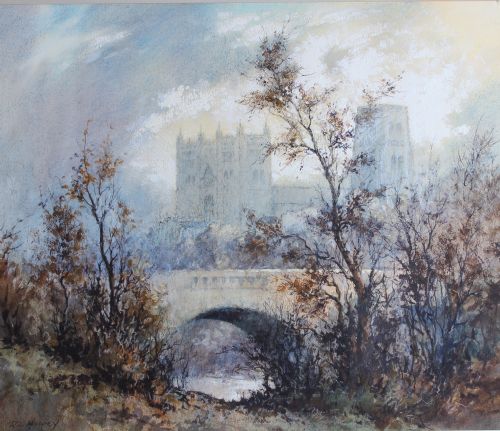
Traditional watercolour landscape art comprises framed works on paper capturing rural scenes, river valleys, coastal harbours and pastoral views. These paintings span the Victorian era, the Edwardian period and the early twentieth century, reflecting a sustained British and European focus on topography and nature.
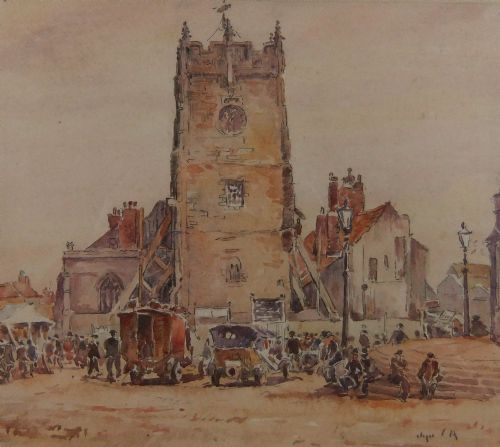
You are most likely to encounter nineteenth-century and early twentieth-century framed pieces on this page, often signed by listed artists and depicting recognisable regional locations. The subjects range from Welsh mountain passes and Yorkshire market towns to quiet riverside backwaters and cottage gardens.
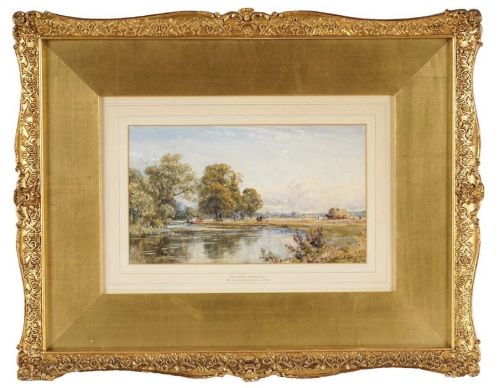
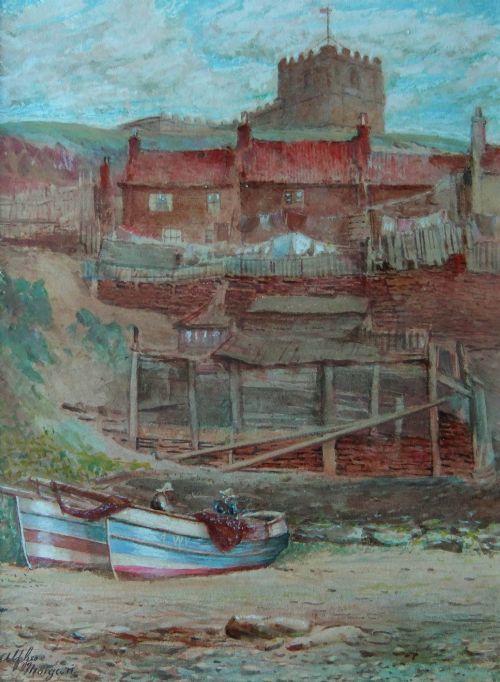
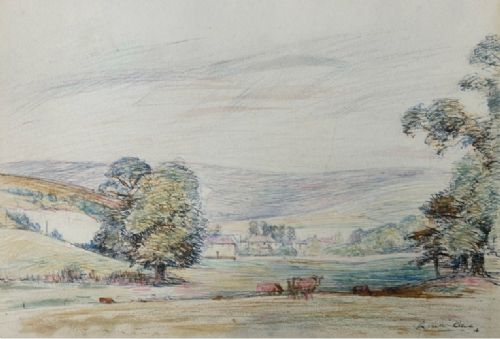
The category also encompasses maritime scenes and coastal vistas alongside inland fields, herds and pastoral views. These paintings utilise paper supports, occasionally held within period wooden and gilt frames under glass.
How they were made
These works rely primarily on watercolour pigment applied to paper, sometimes supplemented with ink lines or bodycolour to define details. Artists utilised transparent washes built up in layers to create atmospheric skies, water and foliage.
Many surviving examples remain preserved in their original wooden frames, frequently enhanced with gilt mouldings and protected by glass. The combination of water-based pigment on paper required precise brushwork, as alterations proved difficult once the colour settled.
Several Victorian sheep appear to have spent centuries heading diligently toward market across multiple quiet rural valleys.
What varies in quality
Quality rests upon the artist's handling of light, atmosphere and perspective within the watercolour medium. Stronger works demonstrate confident brushwork and a subtle command of tone, particularly in the depiction of skies and moving water.
The condition of the paper and the preservation of the original pigments also dictate the standing of a piece. Fading from prolonged exposure to light diminishes the vibrancy of the washes, whereas well-preserved examples retain their intended depth and balance.
Alfred Young Nutt·Percy Lancaster·A. Marie Parsons·EJ Letheren·William Banks Fortescue·Robert A. Nottingham·William Joseph Boyes·Robert Thorne Waite·John Smith Atherton·Ernest Arthur Rowe·George Oyston·Alfred G. Morgan·Russell Sidney Reeves·Carlo Ferranti·Robert Leslie Howey·Henry Martin Pope·Henry Barlow Carter·Henry Charles Fox·Robert Little·Henry John Kinnaird·Fred Lawson·George Graham·Arthur Tucker·Thomas Bush Hardy·J S Ainley
The Traditional Watercolour Landscape Art Glossary
- Watercolour pigment
- Finely ground colour particles mixed with a water-soluble binder, applied in translucent washes to paper. This medium allows light to reflect through the pigment from the white paper beneath.
- Gilt frame
- A wooden picture frame coated with a thin layer of gold leaf or metallic paint. These frames often accompany Victorian and Edwardian works to complement the tones of the painting.
- Pastoral landscape
- A genre of art depicting rural life, shepherds, farms and gentle countryside. These scenes emphasise a calm, idealised view of agricultural existence.
- Bodycolour
- Watercolour mixed with a white pigment to make it opaque rather than transparent. Artists utilised this technique to add highlights and solid details to landscape watercolours.
- Topographical art
- Paintings and drawings focused on specific, identifiable real-world locations. Many traditional landscape watercolours record actual towns, rivers and historical buildings.
Traditional Watercolour Landscape Art: Frequently Asked Questions
How should I hang traditional watercolour landscape art?
Keep these works away from direct sunlight to prevent the watercolour pigments from fading over time. Direct window light and damp walls can damage both the paper support and the original frame.
Use picture wire securely fastened to studs and ensure the piece hangs level at eye height. Professional framing with conservation glass offers further protection against environmental wear.
Are these paintings original works?
The listings on this page consist of original hand-painted watercolours rather than modern prints or reproductions. Each piece represents a unique application of pigment onto paper by the credited artist.
Signatures, dates and inscriptions on the front or reverse often verify the direct authorship of the painting. Many retain their period wooden and gilt frames from the nineteenth or early twentieth century.
How do I identify the period of a watercolour?
Stylistic clues, framing materials and artist signatures help date traditional watercolour landscape art. Victorian works frequently feature heavy gilt frames and detailed pastoral or maritime subjects, while early twentieth-century pieces often display looser brushwork.
Biographical dates of the artists, when known, provide a reliable window of creation. Paper types and backing boards can also offer evidence of age during closer inspection.
What subjects are most common in these landscapes?
River valleys, coastal harbours, pastoral fields with sheep and Welsh mountain passes recur frequently across these nineteenth and twentieth-century watercolours. Artists frequently recorded identifiable regional landmarks, from Yorkshire rivers to Durham Cathedral.
Scenes of rural daily life, such as hay cutting, herding and fishing boats returning to shore, also appear regularly. These subjects reflect a broader historical interest in documenting local British scenery and traditional trades.