

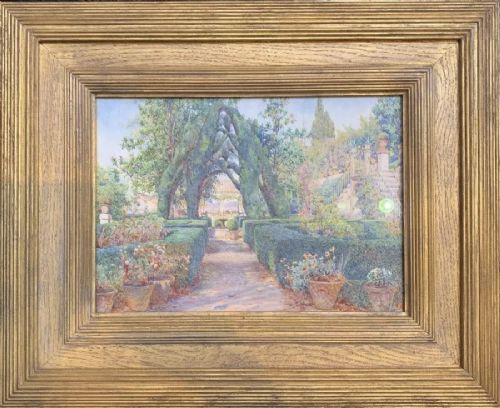
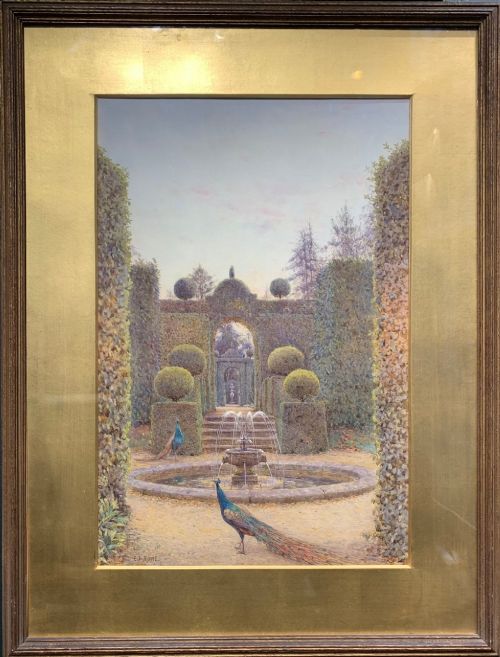
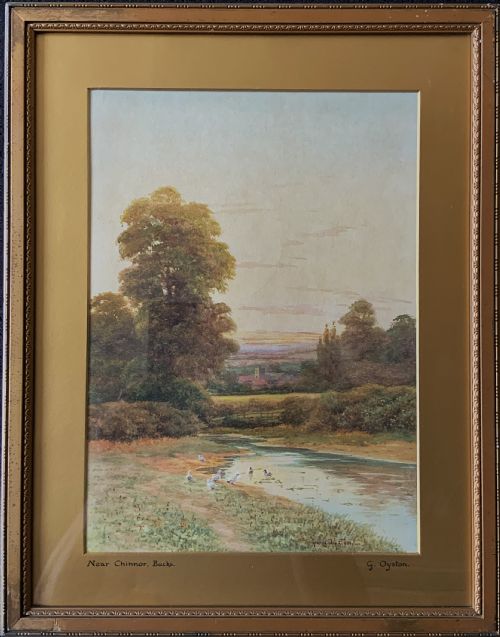
Edwardian Watercolour Artwork
Edwardian watercolour artwork captures the character of the early twentieth century through pigment applied directly to paper.
Edwardian Watercolour Artwork
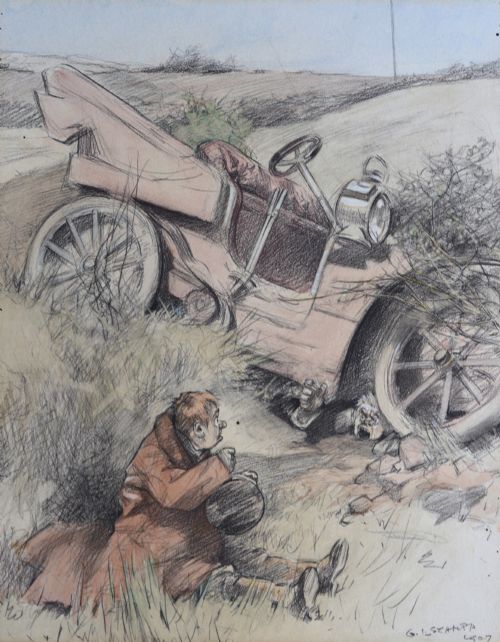
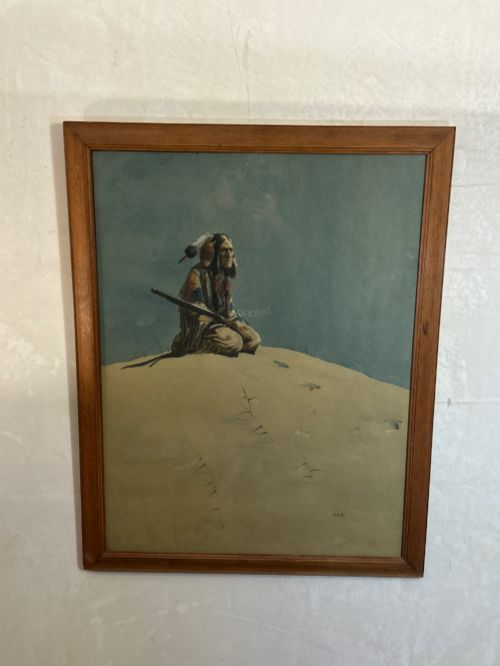
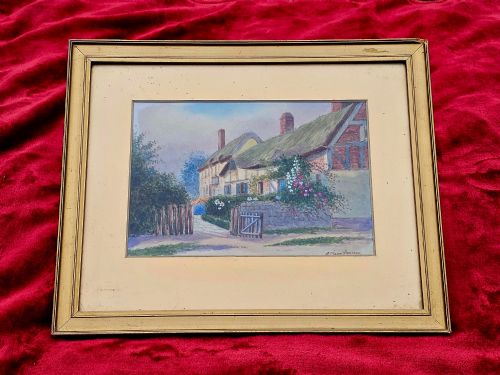
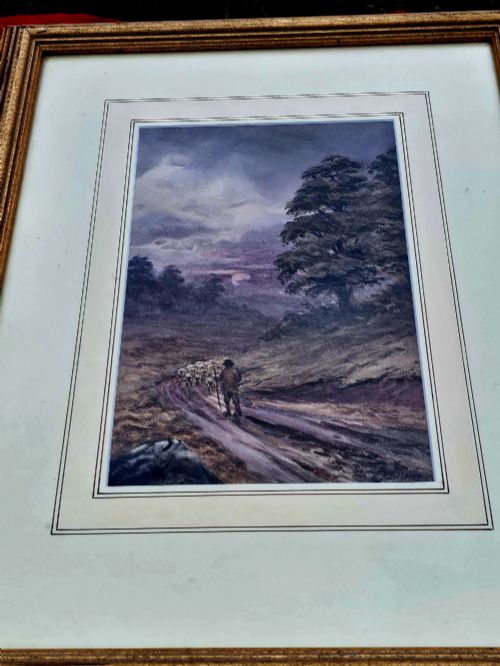
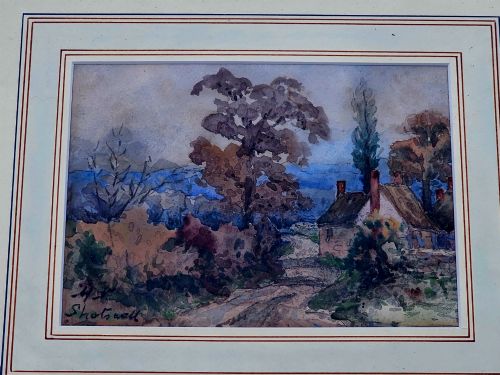
When you search for edwardian watercolour artwork, you encounter paintings on paper created across the 1900s, 1910s, and adjacent periods like the Victorian era and the 1920s. These pieces record landscapes, maritime scenes, town views, and portraits executed by British and continental painters.
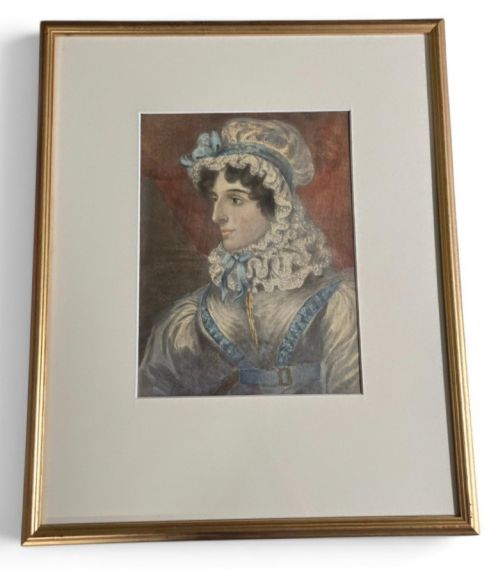
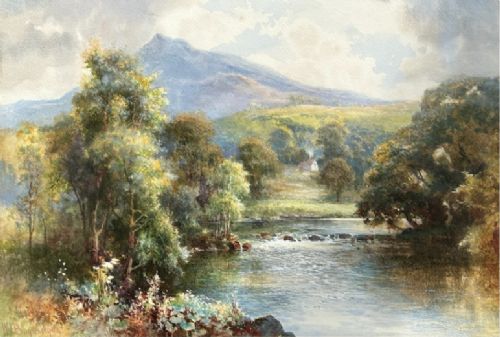
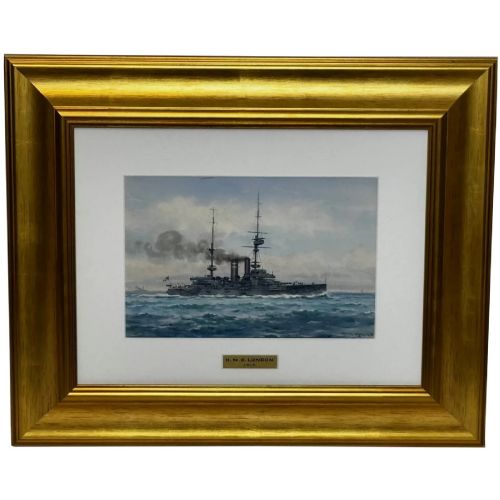
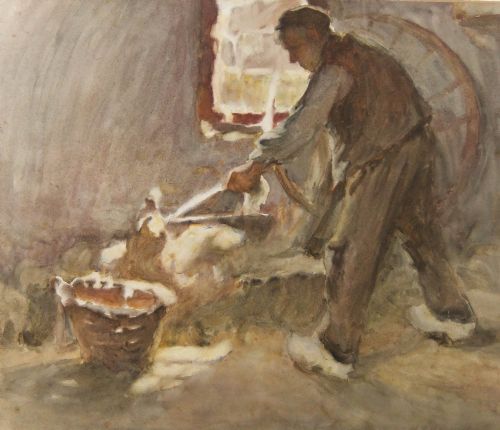
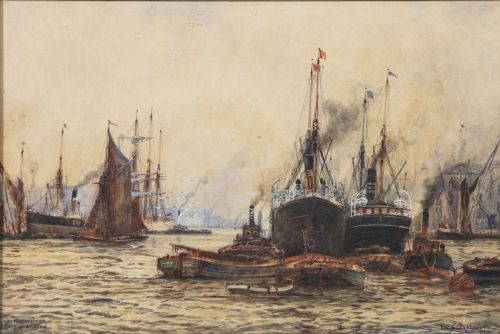
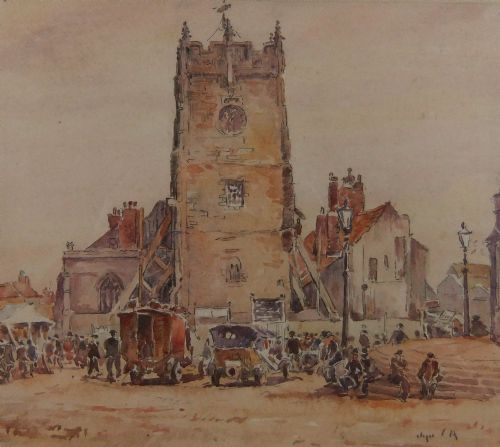
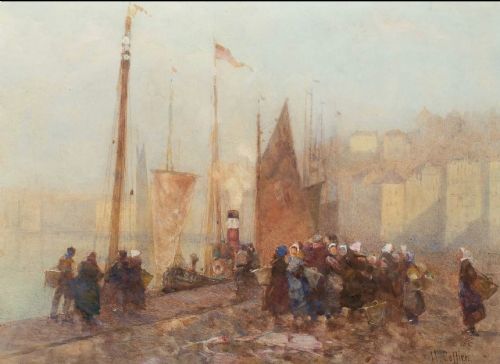
The selections on this page range from detailed architectural studies and coastal harbours to illustrative works and miniature portraits. Subjects often include Welsh landscapes, Venetian markets, and London dockyards framed behind glass in wood surrounds.
Materials and Techniques
These works rely primarily on watercolour pigment applied to paper support, sometimes supplemented with gouache, ink, or pastel to build opacity and detail. Gold leaf occasionally appears on frames or highlights, while wood and glass protect the delicate paint surface.
Artists worked en plein air or in studios, utilising fluid brushwork for atmospheric skies and water, alongside controlled pen and ink lines for architectural precision.
Edwardian Watercolour Artwork Retail Price Guide 2026
Typical asking prices for edwardian watercolour artwork among the pieces listed under this phrase on Sellingantiques today, from the lower quarter to the upper quarter. They describe what is for sale here now, not the wider market.
Listings feature paper, glass, wood, and gold leaf alongside traditional watercolour pigment and ink.
Distinctions in Quality
Quality rests upon the artist's handling of light, atmosphere, and perspective, distinguishing skilled practitioners from amateur Sunday painters. Strong composition and confident brushwork separate the most accomplished landscape and maritime records from simpler decorative sheets.
The condition of the paper and pigment integrity also matter, as excessive light exposure fades fugitive watercolours. Original framing materials, including period wood mouldings and protective glass, preserve the integrity of the piece.
George Lorain Stampa·Thomas Ellison·John Hassall·Frank Watson Wood·Henry Silkstone Hopwood·Frank William Scarbrough·Hector Caffieri·Ernest Arthur Rowe·George Oyston·Frederick James Kerr·William Matthison·Arthur Dudley·Percy Lancaster·Alexander Harwood·Robert George Talbot Kelly·Albert Ludovici Jnr·Charles Edward Wilson·Warwick Goble·F A Roylance·F J Snell·George F Pennington·Alfred George Morgan
The Edwardian Watercolour Artwork Glossary
- Watercolour pigment
- Finely ground colour particles suspended in a water-soluble binder. This medium allows transparent washes that reveal the texture of the paper beneath.
- Gouache
- An opaque water-based paint containing pigment mixed with a binding agent and white filler. Painters use it alongside watercolour for solid highlights and dense colour.
- Framed artwork
- A picture enclosed within a protective border and glass. This presentation keeps atmospheric moisture and dust away from fragile paper surfaces.
- Miniature painting
- A highly detailed portrait or scene executed on a small scale. These compact works demand precise brush control and close observation.
Edwardian Watercolour Artwork: Frequently Asked Questions
How should I frame an antique watercolour?
Antique watercolours require framing behind glass with acid-free mounts to prevent the paper from touching the glazing. This barrier stops moisture condensation and guards the pigments against atmospheric pollutants.
Keep these works away from direct sunlight to prevent the watercolour pigments from fading over time. Professional conservation framing preserves the long-term stability of paper-based art.
What subjects are common in these paintings?
Artists frequently painted British and European landscapes, coastal harbours, and maritime vessels during this era. Architectural street views and genre scenes depicting daily life also appear regularly.
Illustrative works and portraiture form another significant category within the period output. These subjects reflect contemporary tastes for naturalism and topographical record.
How do I identify this period?
Dating relies on artist signatures, contemporary framing styles, and exhibition labels attached to the reverse of the wood backing. Subject matter and costume details in portraits offer further chronological clues.
Paper watermarked from the era or ink inscriptions on the back often confirm the date of execution. Stylistic traits bridge late Victorian academic approaches and early modern movements.
Are gouache and watercolour the same?
Watercolour relies on transparent washes where the white of the paper illuminates the pigment. Gouache incorporates white filler, creating an opaque paint layer that blocks out the paper.
Artists frequently combined both mediums on a single sheet to achieve textural contrast. Opaque gouache works well for highlights on water, clouds, and architectural details.