


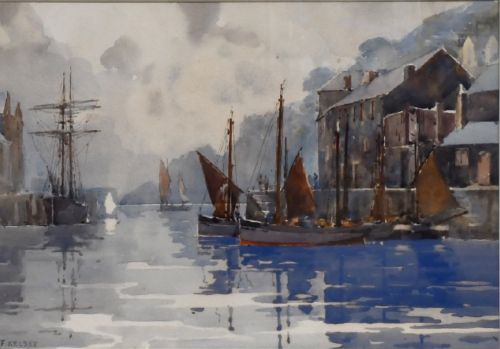


Impressionist Watercolour Painting
An impressionist watercolour painting captures fleeting light and atmosphere on paper through fluid pigment, offering an intimate glimpse into past landscapes and daily scenes.
Impressionist Watercolour Painting
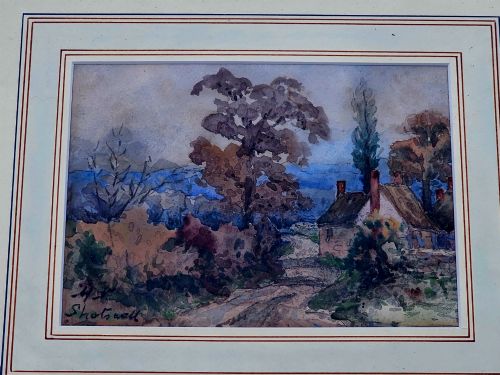
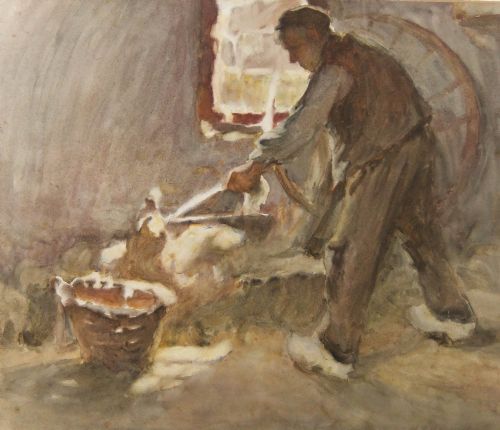
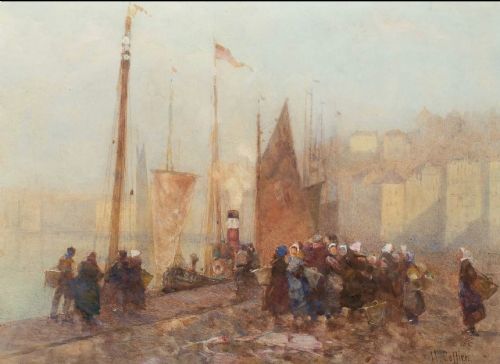
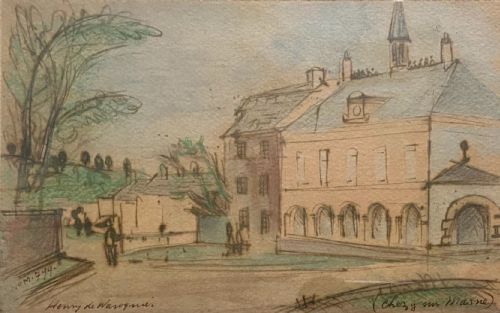
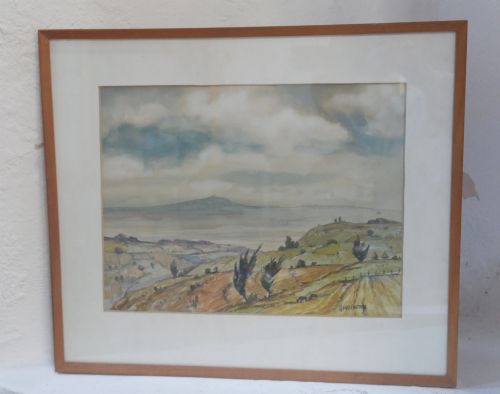
When you search for an impressionist watercolour painting, you encounter works executed primarily on paper during the nineteenth and twentieth centuries. These pieces record landscapes, coastal harbours, genre scenes, and townscapes with an emphasis on natural light rather than rigid detail.
The selections span British Impressionism, Edwardian interpretations, and mid-century compositions. Many originate from British and French artistic traditions, capturing subjects ranging from quiet Yorkshire valleys to bustling Parisian streets.
How they were made
Artists applied watercolour pigment suspended in water directly onto paper, often utilising the white of the unpainted paper to create luminosity. Watercolour and ink, or occasional touches of gouache, built up transparent washes that dried rapidly to preserve spontaneity.
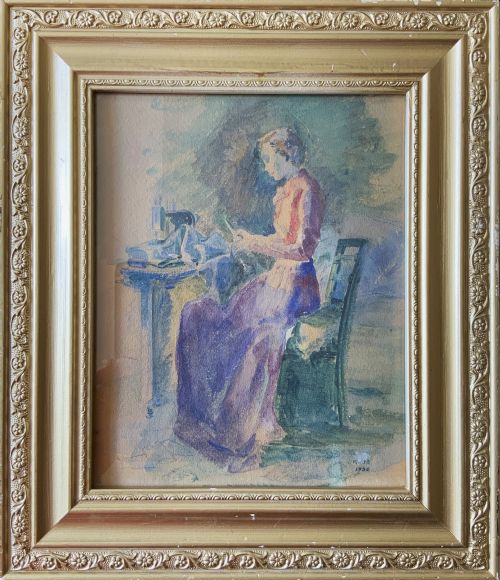
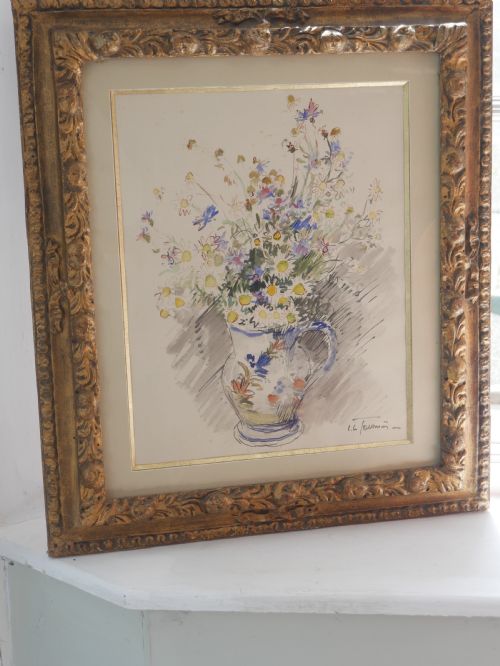
Finished works found protection beneath glass and within wood or gilt wood frames. The combination of water-soluble pigment on paper required precise brushwork because alterations were difficult to conceal.
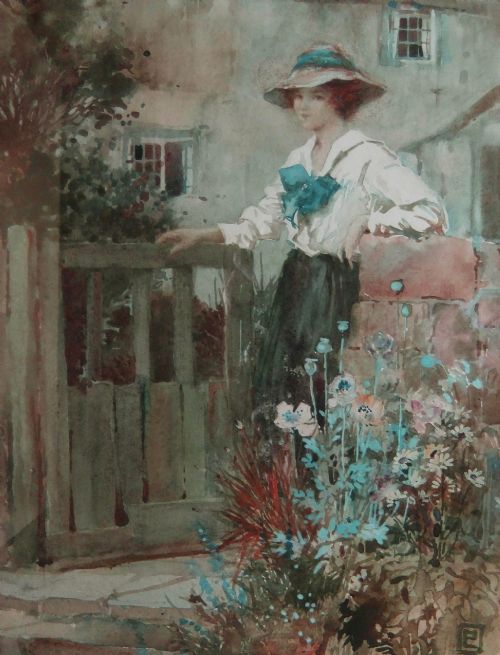
Romany caravans and remote mountain canyons share space here with bustling city cab stands and quiet garden gates.
What varies in quality
The distinction between standard works and exceptional examples lies in the confidence of the brushwork and the management of atmospheric light. Masterful handling allows washes to merge organically, creating depth and movement without heavy reworking.
Compositional strength and the artist's ability to render a transient moment dictate the standing of a piece. Superior works demonstrate an economy of marks where every stroke contributes to the vitality of the scene.
William Banks Fortescue·Henry Silkstone Hopwood·Hector Caffieri·Percy Lancaster·Albert Ludovici Jnr·Frank Kelsey·Edgar Woollatt·Gaston Cornil·William Lee Hankey·Fred Lawson·Arthur Reginald Smith·Edward Seago·George Graham·Arthur Tucker·Charles James Lauder·Ernest Pile Bucknall·Rowland Henry Hill·John Atkinson·Florence Hess·James Watson·Lester Sutcliffe·Owen Bowen·Jules Evarist van Biesbroeck·George Soper·Henri Joseph Harpinies
The Impressionist Watercolour Painting Glossary
- Watercolour pigment
- Finely ground colour particles mixed with a binder, soluble in water and applied in translucent layers.
- Gouache
- An opaque water-based medium sometimes combined with watercolour to add solid highlights.
- British Impressionism
- A stylistic approach adopted by British artists focusing on light and plein-air observation.
- Genre watercolour
- A painting depicting scenes of everyday life and ordinary people.
- Works on paper
- A collective classification covering drawings, watercolours, and prints executed on a paper support.
Impressionist Watercolour Painting: Frequently Asked Questions
How do I frame an old watercolour?
Watercolours require framing behind glass with acid-free mounts to prevent the paper from touching the glazing. This barrier protects the delicate pigments from moisture and atmospheric pollutants.
Keep these paintings away from direct sunlight to avoid fading the water-soluble colours. Professional framing using conservation-grade materials ensures the longevity of the paper support.
How do I distinguish Edwardian watercolours?
Edwardian pieces often feature softer palettes and bright, open-air subjects reflecting a period of relative peace and prosperity. Artists working in this era favoured pastoral landscapes, coastal views, and sunlit domestic gardens.
Brushwork became increasingly loose compared to strict Victorian academic painting, embracing continental impressionist ideals. Signatures and exhibition labels on the reverse frequently help confirm this specific timeframe.
Were these paintings made outdoors?
Many artists worked directly from nature, carrying portable boxes of watercolours and paper into the fields or streets. This plein-air method allowed them to capture transient weather and shifting light immediately.
Studio finishing sometimes followed initial outdoor sketches, combining rapid observation with more considered compositional adjustments. The resulting works retain the energetic spontaneity of the initial encounter.
What is mixed media in these works?
Mixed media describes the combination of watercolour pigment with other substances such as ink, bodycolour, or gouache on the same sheet. Artists utilised ink lines to define contours before applying translucent washes of colour.
This technique added graphic clarity and tonal strength to the composition. It allowed creators to blend linear drawing with painterly atmospheric effects.