




Coastal Landscape Watercolour
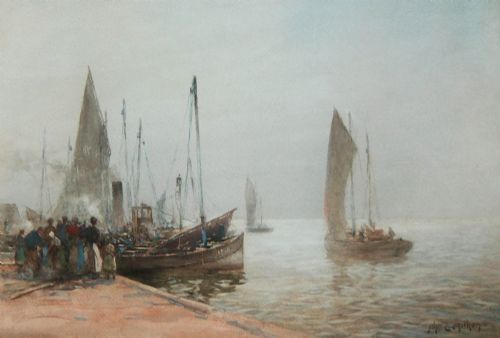
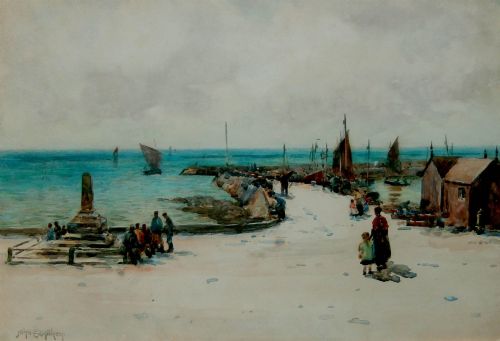
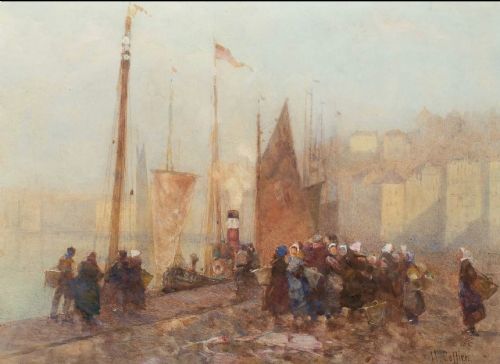
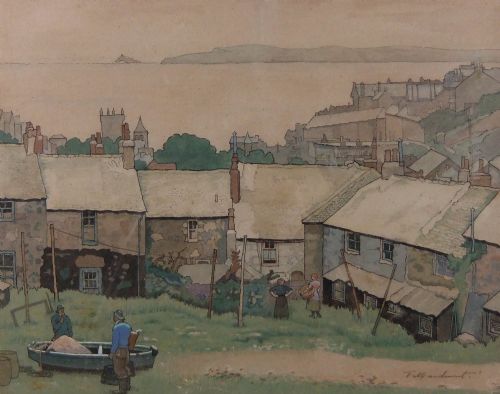
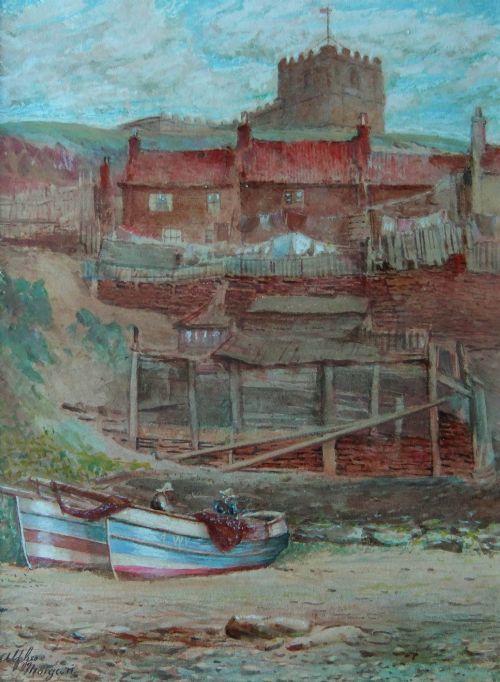
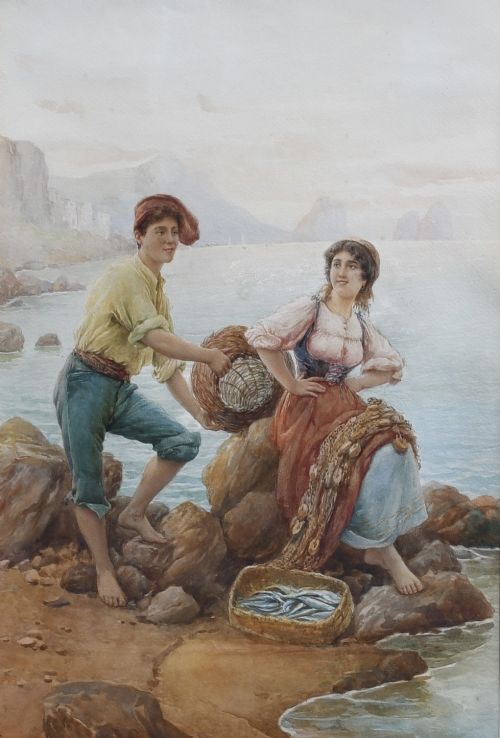
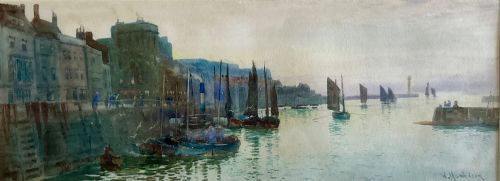
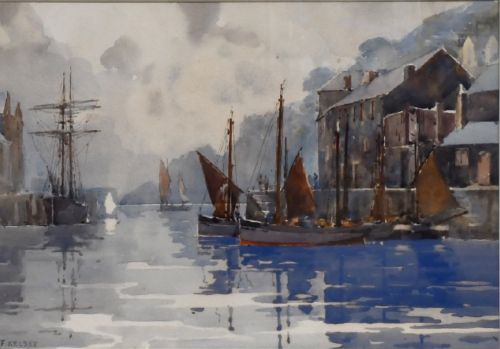
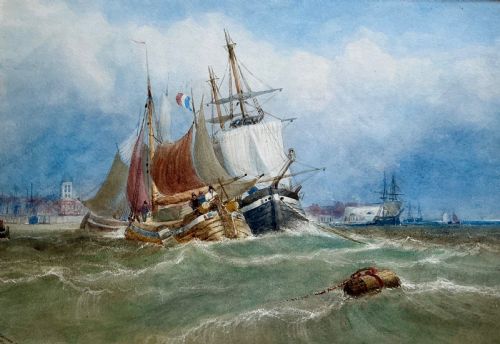
A coastal landscape watercolour captures maritime shores and rugged harbours with delicate pigment on paper, offering a timeless window into nineteenth- and twentieth-century seaside life.
Coastal Landscape Watercolour
A coastal landscape watercolour brings maritime scenery, fishing harbours, and seaside cottages directly into domestic spaces through delicate pigment applied to paper. Buyers searching this phrase encounter original works originating predominantly from the Victorian era, alongside pieces dated to nineteen-ten and nineteen-thirty.
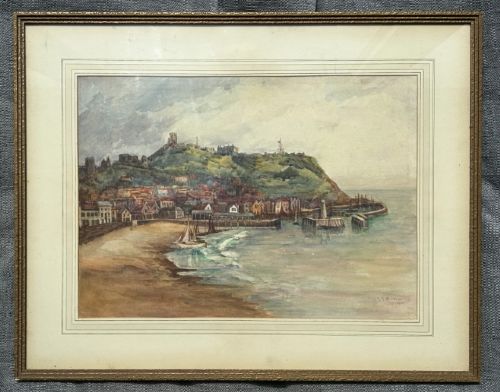
The selections span distinct stylistic movements, including British Impressionism, Victorian, and Edwardian aesthetic approaches. These paintings record specific coastal locations across Britain, ranging from Whitby and North Wales to Cornwall, Devon, and Scottish shores.
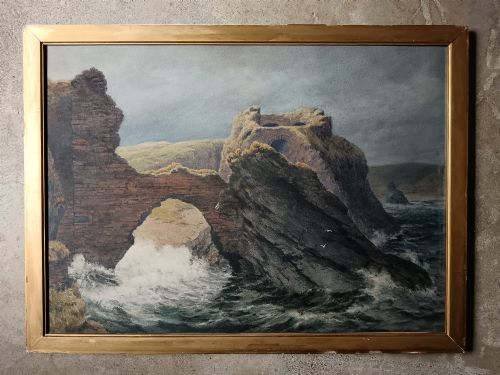
Most examples present framed compositions behind glass, utilising wood for the protective surrounds. The subject matter frequently incorporates coastal cottages, fishing boats, castles, and figures engaged in seaside settings.
Materials and construction methods
These works rely fundamentally on water-soluble pigment spread across paper surfaces using traditional fine art brushes. Artists applied washes of varying opacity to establish atmospheric skies, rocky shorelines, and reflective sea surfaces.
Physical protection is provided by wooden frames holding glass panes directly over the delicate paper substrate. This framing method shields the water-based pigments from atmospheric moisture and handling damage.
Coastal Landscape Watercolour Retail Price Guide 2026
Typical asking prices for coastal landscape watercolour among the pieces listed under this phrase on Sellingantiques today, from the lower quarter to the upper quarter. They describe what is for sale here now, not the wider market.
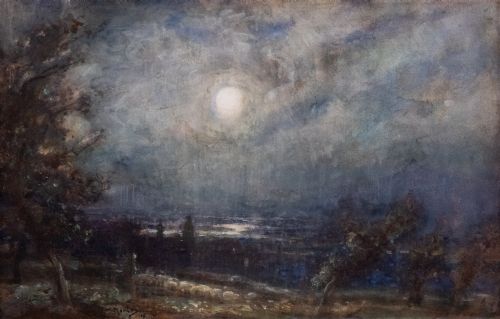
Cattle occasionally wander into nineteenth-century coastal views to inspect the sea.
Distinctions across the range
Quality rests upon the artist's handling of light, atmospheric depth, and topographical precision within the maritime scene. Works by named practitioners holding professional memberships or regional associations demonstrate superior brushwork and compositional confidence.
Condition plays a central role, distinguishing pieces with stable pigment and clean paper supports from those exhibiting fading or foxing. Original framing materials and documented provenance further elevate particular examples above unsigned school works.
James Watson·Thomas Swift Hutton·A G Stevens·R J S Bertram·William Collingwood Smith·T L Rowbotham·William Stephen Coleman·Lady Fanny Maxwell Lyte·Alfred George Webster·C Jones·Walter Witham·John Kidd Maxton
The Coastal Landscape Watercolour Glossary
- Watercolour pigment
- Finely ground colour particles mixed with a water-soluble binder, applied in translucent washes on paper.
- British Impressionism
- A painting style focusing on light, colour, and everyday coastal subjects with looser brushwork.
- Foxing
- Brown age spots caused by chemical reactions in older paper supports.
- Provenance
- The documented history of ownership establishing the authenticity of an artwork.
Coastal Landscape Watercolour: Frequently Asked Questions
How should I hang a coastal landscape watercolour safely?
Position the framed paper work away from direct sunlight to prevent the water-based pigments from fading over time. Maintain stable indoor humidity levels to protect both the wooden frame and the paper support behind the glass.
Ensure the hanging wire and wall fixings are secure, as older wood frames can carry unexpected weight. Professional framing checks help preserve the backing boards and prevent dust accumulation inside the glass.
What periods do these coastal watercolours come from?
The recorded pieces originate primarily in the Victorian period, reflecting nineteenth-century artistic approaches to maritime and rural subjects. Later examples extend into nineteen-ten and nineteen-thirty, showing the persistence of traditional techniques into the twentieth century.
Specific stylistic indicators such as Edwardian touches or British Impressionism help place undated works within this chronological span. Comparing signatures and recorded school aesthetics provides further context for dating.
What materials make up these framed artworks?
The primary components consist of pigment applied to paper, forming the core visual image. Protective glass covers the surface, held within wooden frames that often reflect the period of creation.
Backing boards and occasional paper labels complete the physical structure, sometimes bearing artist inscriptions or historical gallery notes. Each material contributes to the overall preservation and aesthetic presentation of the piece.