





Early Twentieth Century Watercolour
An early twentieth century watercolour brings the light and quiet observation of the period directly into a room.
Early Twentieth Century Watercolour
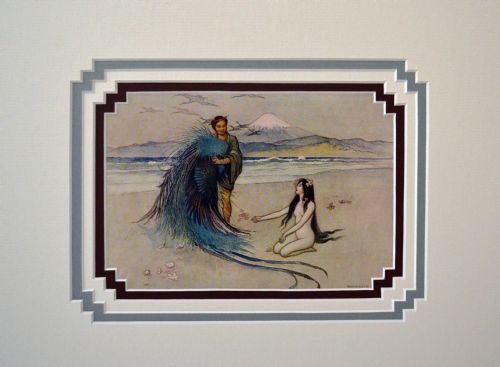
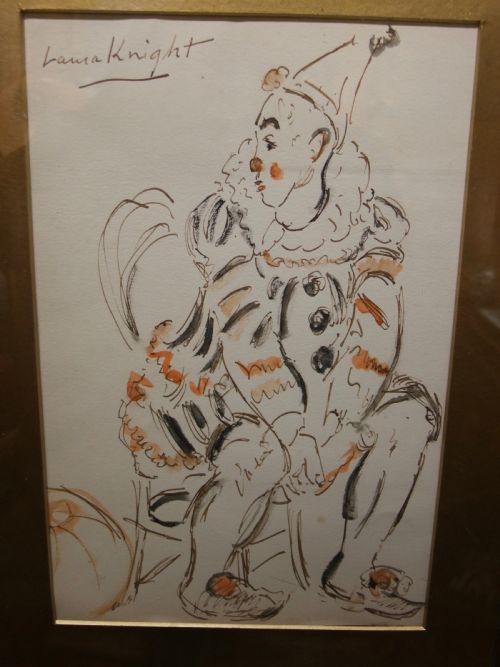
An early twentieth century watercolour captures the changing landscape, coastal views and garden scenes of the era on paper. These works reflect movements such as British Impressionism, Modern British art and Edwardian traditions.
The pieces on this page span urban views, rural landscapes and marine subjects, often framed under glass in wood or burr frames with mount boards. Buyers will find works depicting familiar scenes from Venice to Yorkshire alongside delicate floral studies.
Originating largely from the Edwardian era through to the nineteen-forties, these works represent the sustained popularity of watercolour painting amongst British artists. They offer an accessible entry point into collecting period works on paper.
How they were made
Artists applied watercolour pigment and sometimes ink or gouache onto paper support surfaces, often mounted within card mount boards. The application relies on the transparency of the pigment over white paper to create luminosity.
Finished works are typically housed behind glass within wooden frames, occasionally utilising burr wood veneer or gilt detailing. These protective housings preserve the delicate water-soluble pigments from atmospheric moisture and handling.
Early Twentieth Century Watercolour Retail Price Guide 2026
Typical asking prices for early twentieth century watercolour among the pieces listed under this phrase on Sellingantiques today, from the lower quarter to the upper quarter. They describe what is for sale here now, not the wider market.
Springtime crocuses in St James Park bloom permanently on paper alongside quiet northern landscapes and Venetian markets.
What varies in quality
The strength of the composition and the confidence of the brushwork distinguish finer examples from standard decorative works. A skilled hand captures light and atmosphere with economy, whereas lesser pieces can feel overworked or stiff.
The harmony of the framing and the condition of the paper support contribute significantly to the overall presence of the piece. Clean paper free from heavy foxing and original or sympathetic framing elevate the work.
Thomas Ellison·Warwick Goble·Fred Lawson·Frank Wood·Fred Mayor·George Hamilton Constantine·Walter Henry Sweet·Cuthbert Crossley·Dame Laura Knight·Beatrice Parsons·Fred Stead·M.K Rhodes·Owen Bowen·Charles Eyres Simmons·R. J. S. Bertram·Charles Ashmore·Wycliffe Egginton
The Early Twentieth Century Watercolour Glossary
- Watercolour
- A painting method in which the paints are made of pigments suspended in a water-based solution. It is typically applied to paper and valued for its translucent qualities.
- Gouache
- An opaque water-based paint often used alongside watercolour to add highlights and solid areas of colour. It provides greater opacity than traditional watercolour pigment.
- Mount board
- Heavy paperboard placed around the artwork inside the frame to separate the paper from the glass. It protects the surface and provides a visual border.
- Works on paper
- A collective term for artistic creations executed on paper supports, including watercolours, drawings and prints. This category encompasses various mediums from the period.
Early Twentieth Century Watercolour: Frequently Asked Questions
How should I hang a watercolour?
Keep watercolours away from direct sunlight to prevent the pigments from fading over time. Indirect natural light in a dry room is best for preserving the paper and colours.
Ensure the frame is securely hung from picture hooks rather than adhesive strips. Professional framing with acid-free backing materials also protects the paper from degradation.
What is British Impressionism?
British Impressionism refers to painting styles influenced by the French movement but adapted by British artists. It emphasises natural light, loose brushwork and everyday subject matter.
Artists working in this manner sought to capture fleeting atmospheric effects rather than rigid academic detail. This approach is frequently seen in landscapes and coastal scenes of the era.
How do I identify an Edwardian watercolour?
Edwardian watercolours often feature soft palettes, pastoral landscapes, gardens or maritime scenes. The framing and paper types typical of the period also offer clues to their age.
Signatures, artist labels on the reverse, or contemporary exhibition framing can confirm the date. Many works from this era reflect a peaceful, rural focus preceding the First World War.
Are these works original paintings?
The selection includes original hand-painted watercolours, drawings and gouache works created directly by the artists. Each piece is a unique creation rather than a modern reproduction.
Some listings may also feature period first edition prints or illustrations from the same era. Checking the material details in each listing clarifies the exact medium used.