



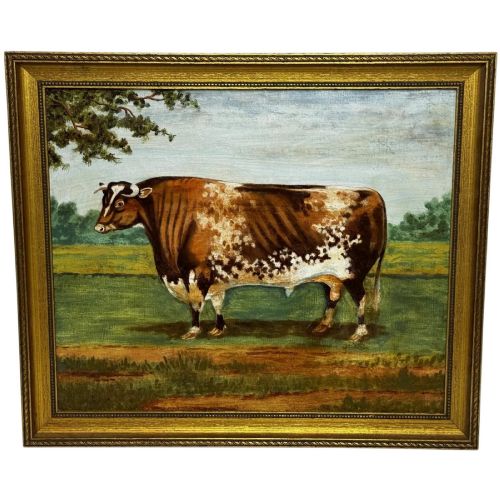

Traditional British Painting
Traditional british painting brings domestic and rural life into the home through canvases and waterpapers created across the nineteenth and twentieth centuries.
Traditional British Painting
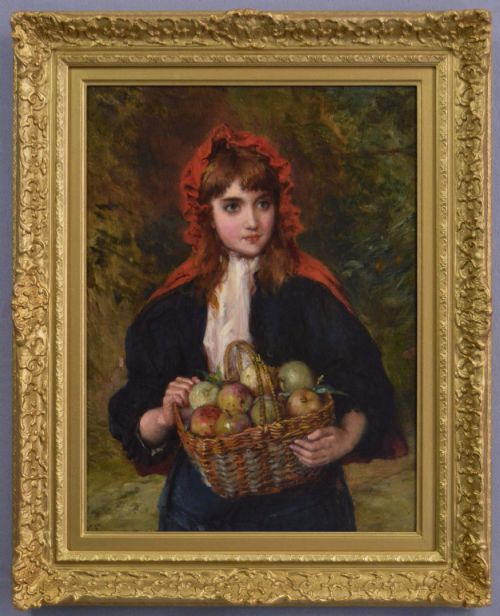
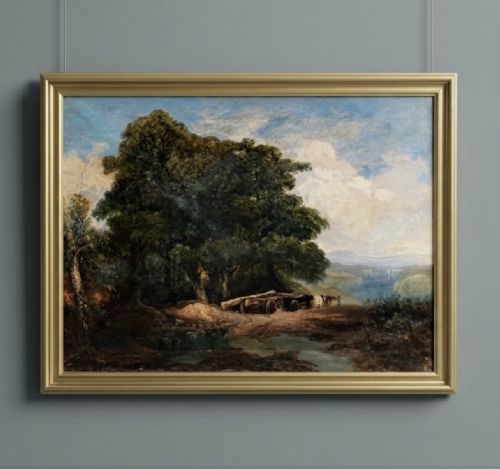
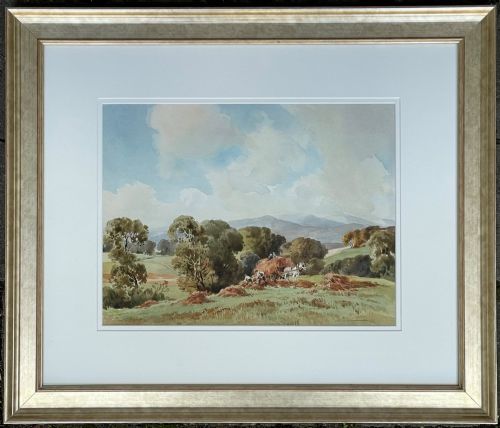
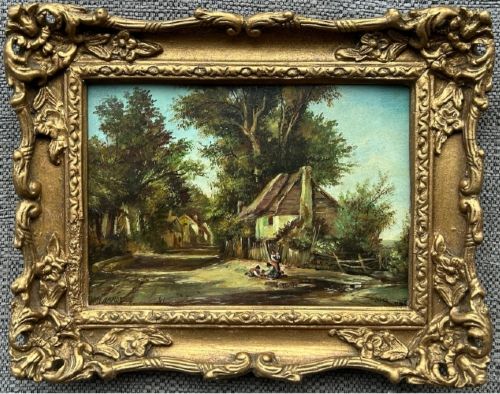
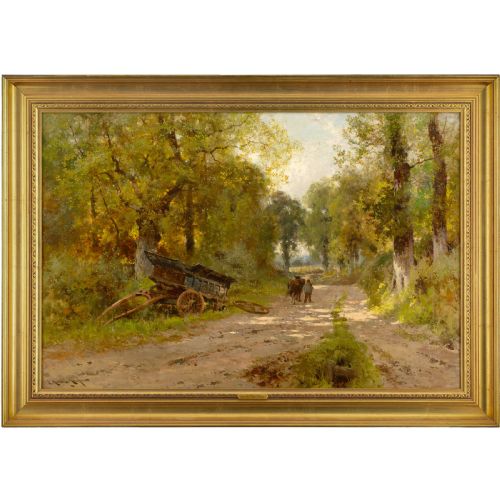
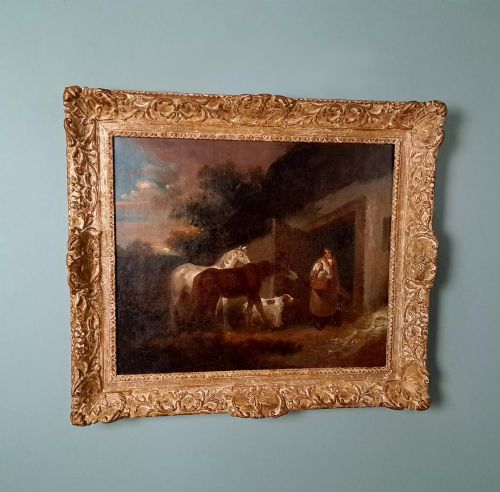
Traditional british painting encompasses oil on canvas, oil on wood panel, and watercolour paintings originating from the nineteenth and twentieth centuries. These works record rural landscapes, coastal scenes, portraits, and sporting subjects created by regional schools and named artists.
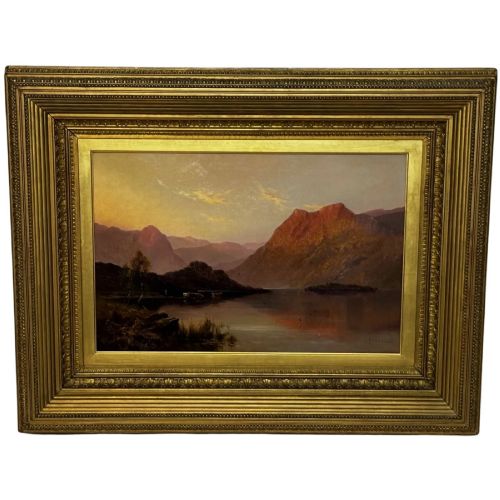
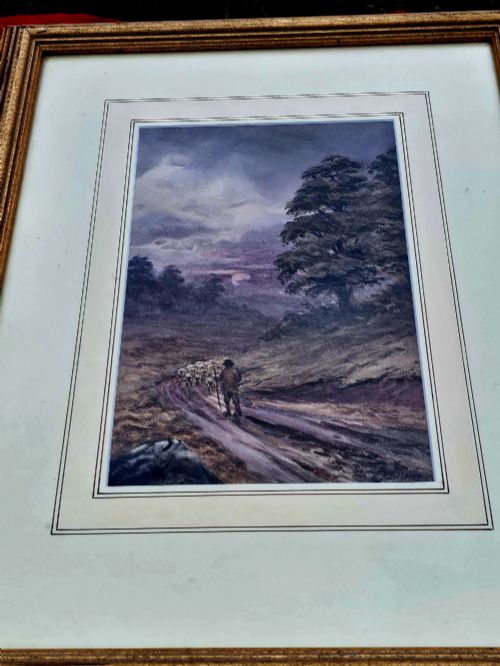
Buyers meet Victorian landscapes, Edwardian watercolours, and Scottish Highland scenes executed on canvas or paper. Many examples are framed in gilt wood, preserving the original presentation of the period.
The subjects range from agricultural livestock and working horses to river valleys and harbour views. This body of work reflects the changing British countryside and domestic life over successive decades.
How they were made
Artists painted primarily in oil and watercolour, applying pigments to prepared canvas, wood panel, or paper supports. Oil paints provided depth and rich colour for landscapes and portraits, while watercolours captured lighter atmospheric effects on paper.
Framing utilised giltwood and gilt wood to complement the finished artwork. Wooden stretchers and panels provided rigid support for the canvas and board compositions.
Listings feature works spanning the nineteenth and twentieth centuries, incorporating oil, watercolour, canvas, and wood panel materials.
What varies in quality
The strength of composition and the handling of light and atmosphere distinguish the works. Finer examples display confident brushwork and precise anatomical or architectural detail, whereas lesser pieces rely on formulaic repetition.
The presence of a known artist's signature and documented provenance elevate certain pieces above anonymous school works. The quality of the original framing also contributes to the overall integrity of the surviving piece.
William Oliver·Richard Sebastian Bond·Tom Campbell·Alfred Young Nutt·Percy Lancaster·William Howard Hardy·John Horace Hooper·William Joseph Shayer Senior·Alfred Fontville de Breanski Jr·Edward Mills·William Banks Fortescue·Thomas Barker of Bath·Thomas W Lascelles·William Joseph Boyes·David Bates·Thomas Smythe·Albert Clark·Robert John Hammond·Walter Heath Williams·Robert Thorne Waite·John Smith Atherton·Thomas Creswick·Joseph H Barnes·Stephen Pearce
The Traditional British Painting Glossary
- Oil on canvas
- A painting technique where pigment suspended in oil is applied to a woven fabric stretched across a wooden frame. This medium allowed artists to build rich layers of texture and colour.
- Watercolour
- A paint consisting of colour pigments suspended in a water-soluble vehicle, typically applied to paper. It produces translucent washes and delicate atmospheric effects.
- Gilt wood
- Wood decorated with a thin layer of gold leaf or gilt paint. Frames finished in this manner were designed to enhance the visual impact of the artwork.
- Wood panel
- A flat piece of timber used as a rigid support for oil painting prior to the widespread adoption of canvas. Panels offered a smooth, stable surface for detailed brushwork.
- British Impressionism
- A painting style influenced by French movements but adapted by British artists to capture natural light and everyday scenes outdoors.
Traditional British Painting: Frequently Asked Questions
How should I clean a vintage oil painting?
Surface dust can be removed gently with a soft, dry brush without applying pressure to the pigment.
Chemical cleaning or moisture should be avoided to prevent damage to the historic paint layers.
Where should I hang these watercolours?
Watercolours require placement away from direct sunlight to prevent the fading of delicate pigments on paper.
Stable room temperatures and low humidity protect both the paper support and the original frame.
How do I identify the period of a landscape?
Clothing styles of figures, architectural details, and framing methods provide initial clues to the date of execution.
Signatures, exhibition labels, and inscriptions on the reverse of the canvas offer further confirmation.
Are original gilt frames important?
Period frames complement the aesthetic of the artwork and maintain its historical context.
Original gilding shows characteristic patina that collectors value alongside the painting itself.