



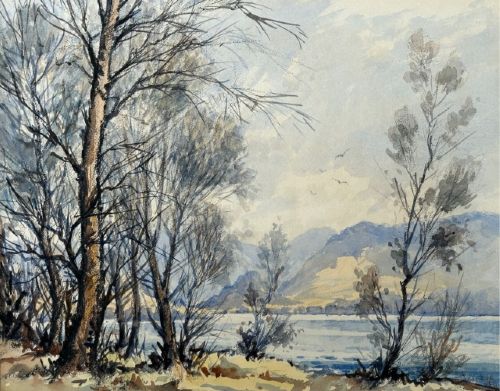
Vintage English Landscape
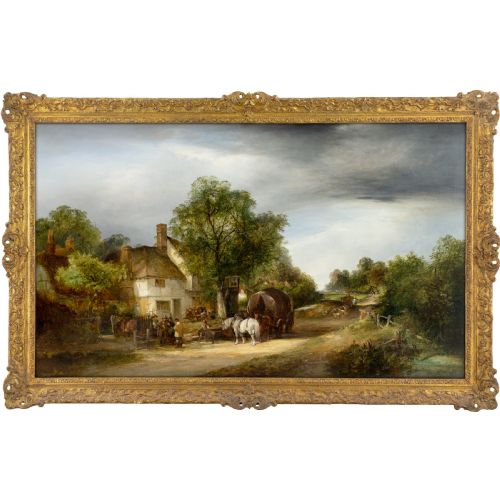
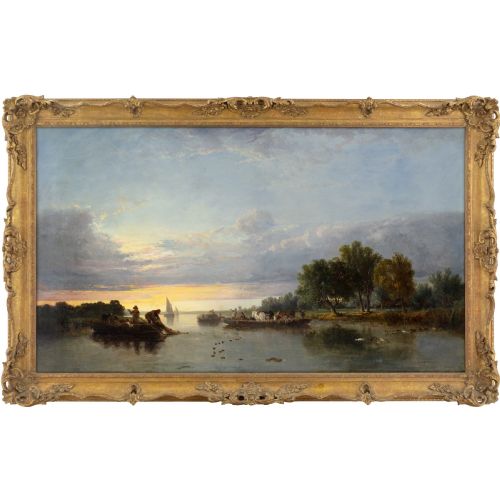
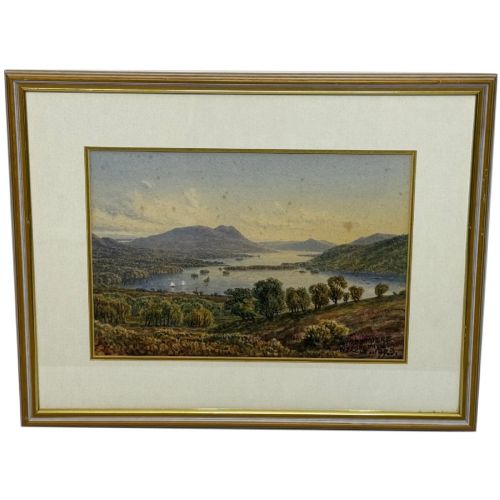
Vintage english landscape works on canvas, paper and board capture rural rivers, rolling hills and coastal views from British artists.
Vintage English Landscape
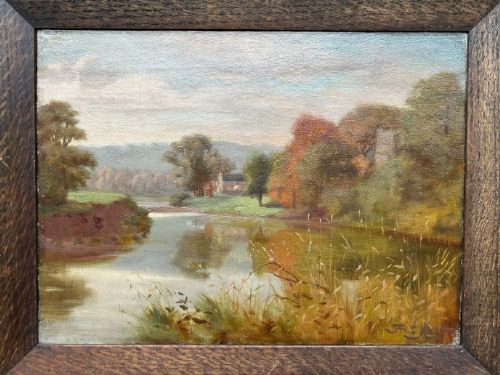
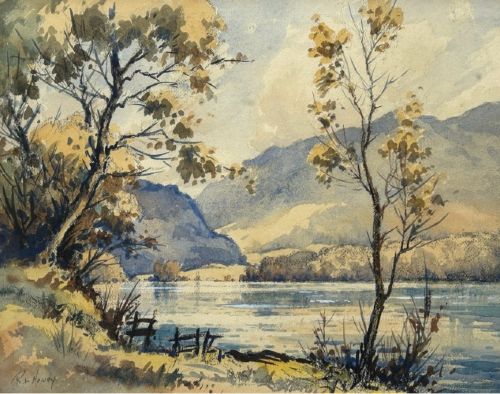
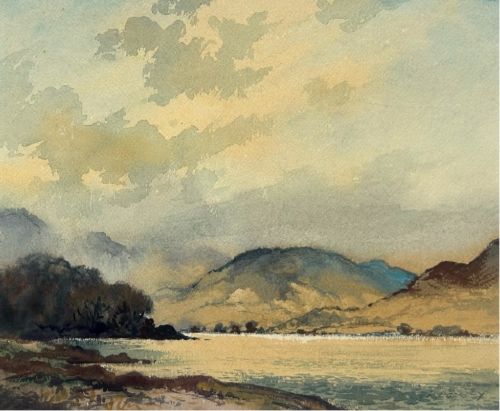
When searching for vintage english landscape, buyers encounter original oil paintings, watercolours, and pastel drawings spanning the nineteenth and twentieth centuries. These works record regional topography, from Yorkshire valleys and Cumbrian lakes to Cornish harbours and southern riverbanks.
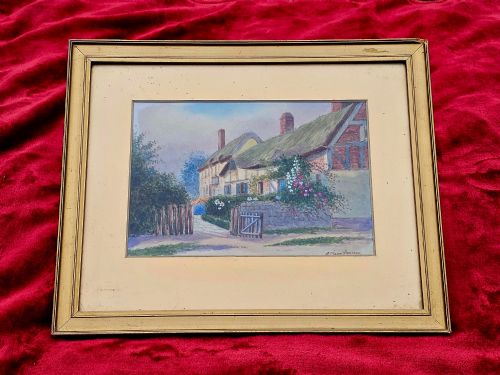
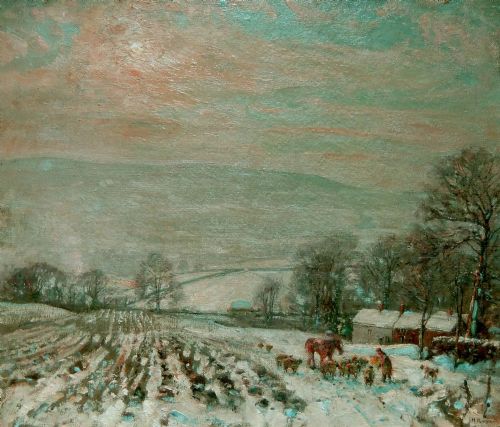
The selections range from detailed Victorian watercolours and early twentieth-century oil paintings to mid-century depictions of northern towns and rural farmsteads. Smaller sketches on card or paper appear alongside framed canvases by members of regional British schools.
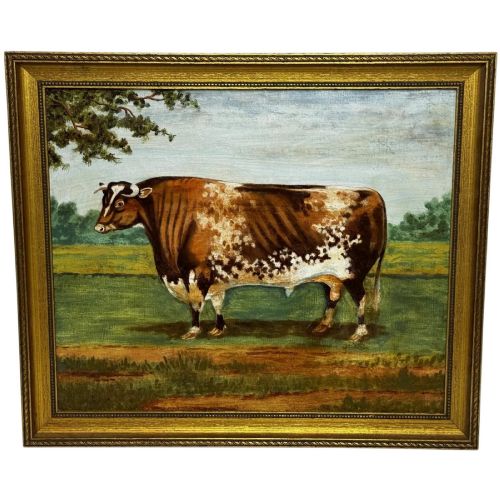
Subject matter often includes country lanes, coastal headlands, rivers under willow trees, and pastoral scenes with cottages or livestock. Many carry signatures or studio stamps linking them directly to British provincial artists working outdoors.
How They Were Made
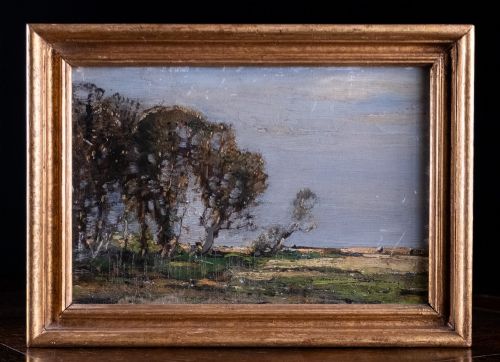
Artists painted on stretched canvas, wooden panels, heavy card, and textured paper using traditional oil paints or watercolours. Pigments were applied with brushes or palette knives to build depth in skies, foliage, and water.
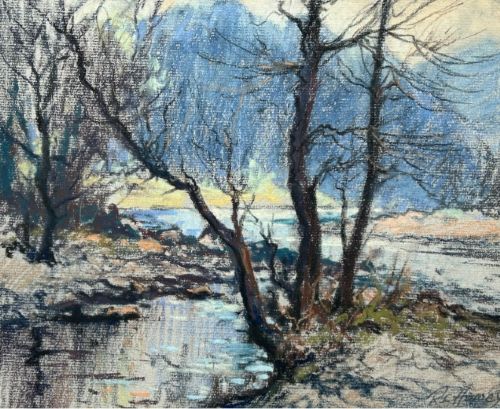
Many works were executed <i>en plein air</i>, capturing transient light and weather conditions across rural and coastal locations. Drawings frequently combine ink, charcoal, and watercolour washes to map out topography quickly before studio completion.
The documented periods range from the nineteenth century through the 1960s, encompassing Victorian and mid-century British art.
What Varies in Quality
Quality rests upon the artist's handling of light, brushwork confidence, and compositional balance within the landscape. Superior examples demonstrate acute observation of local atmosphere and topography rather than formulaic repetition.
Support materials and medium retention also influence the overall standard, as stable oil on canvas or well-preserved watercolour on high-grade paper retain their original vibrancy. Strong provenance and legible signatures from recognised regional painters elevate individual pieces.
Alfred Young Nutt·Frederick Marriott·A Marie Parsons·Robert Leslie Howey·Kershaw Schofield·Herbert Royle·William Banks Fortescue·Muriel Metcalfe·Fred Lawson·Robert Thorne Waite·John Smith Atherton·Eric Brown·Brian Shields Braaq·Henry Yeen King·Percy Lancaster·Florence Adelina Hess·Walter Goodin·C R Breytle·Herman S Melville·George Morland·Karl S Wood·Percy Hipkiss·W Matthews·William B Dealtry·Lewis Creighton
The Vintage English Landscape Glossary
- Watercolour
- A paint consisting of a pigment suspended in a water-soluble binder, frequently used on paper for rapid landscape sketches.
- Plein air
- The practice of painting outdoors to directly capture the actual light and atmosphere of a landscape scene.
- British School
- A loose grouping of artists working within Britain whose styles reflect shared national traditions rather than a formal academy.
- Provenance
- The documented history of ownership that traces a artwork's origin and validates its authenticity.
- Canvas
- Heavy woven fabric stretched across a wooden frame to serve as a durable surface for oil painting.
Vintage English Landscape: Frequently Asked Questions
How do I identify a Victorian landscape?
Victorian landscapes often feature detailed brushwork, narrative elements like figures or livestock, and traditional framing suited to the nineteenth century. The subject matter typically leans towards romanticised pastoral views or precise topographical studies.
Signatures are sometimes accompanied by dates or exhibition inscriptions on the reverse. Examining the paper or canvas support can also help confirm the nineteenth-century origin.
Where were these landscape scenes usually painted?
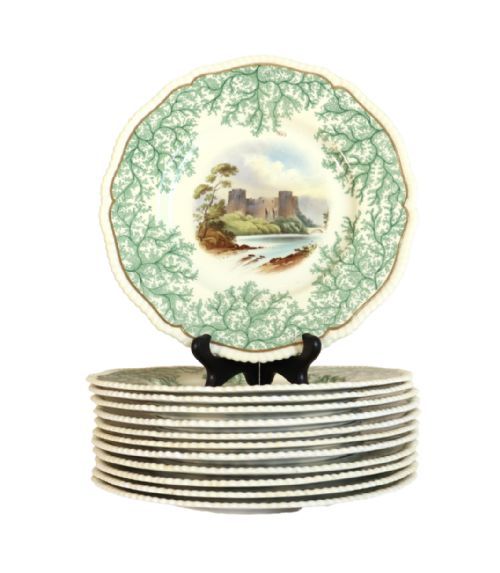
Artists travelled extensively across British rural and coastal regions, finding subjects in Yorkshire dales, the Lake District, Cornwall, and local river valleys. Many works record specific towns, castles, bridges, and agricultural settings.
Painters frequently worked directly from nature, setting up easels beside rivers, country lanes, and coastal headlands to capture authentic regional light.
What is the difference between oil and watercolour here?
Oil paintings utilise slow-drying pigmented paste on canvas, board, or panel, allowing for rich textures and deep colour blending. Watercolours apply translucent washes onto paper, creating lighter and more fluid atmospheric effects.
Oils are generally heavier and require sturdy wooden frames, whereas watercolours demand protection behind glass to prevent moisture damage.
How should I display vintage paintings at home?
Keep watercolours out of direct sunlight to prevent the pigments and paper from fading over time. Ensure oil paintings hang away from extreme temperature shifts that could cause the canvas or wooden panel to warp.
Pairing pieces with appropriate period frames helps preserve their structural integrity while complementing domestic interiors.