
Vintage French Wall Art
Vintage french wall art brings centuries of European craftsmanship, oil paintings, and engravings directly into your interior.
Vintage French Wall Art
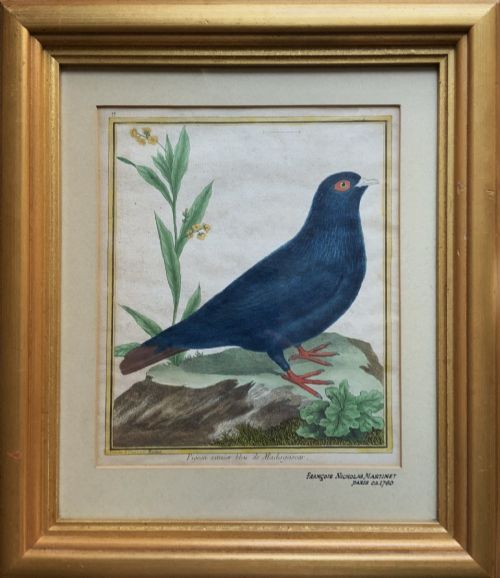
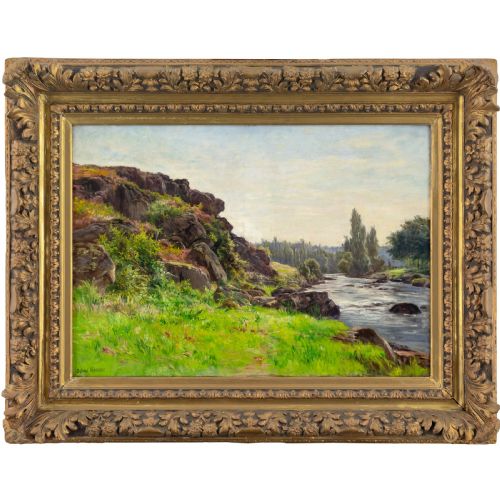
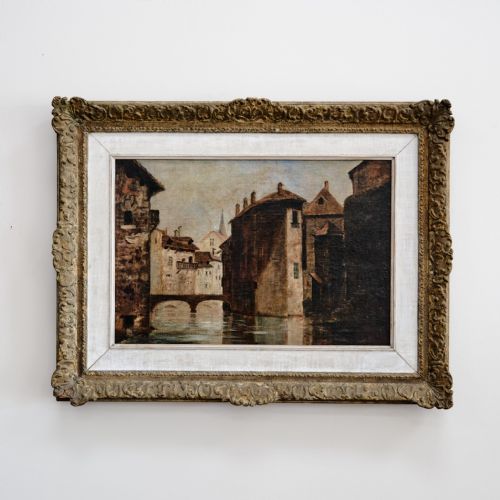
Vintage french wall art encompasses a diverse range of decorative objects designed for vertical display, including oil paintings, framed engravings, architectural panels, and tapestries. You will encounter pieces stretching from the eighteenth century through the mid-twentieth century, reflecting changing aesthetics from ornate classical forms to streamlined modern designs.
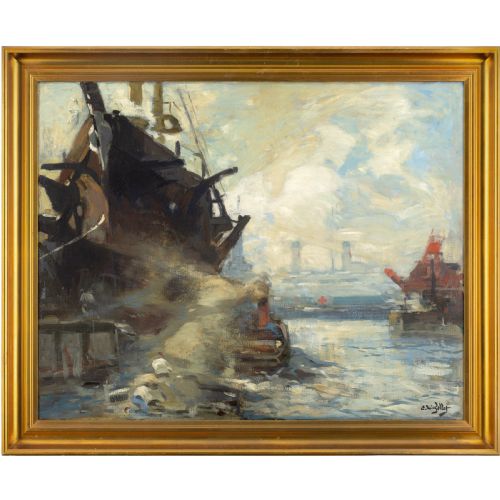
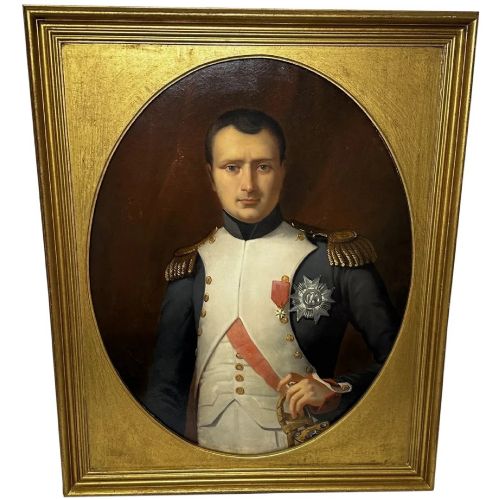
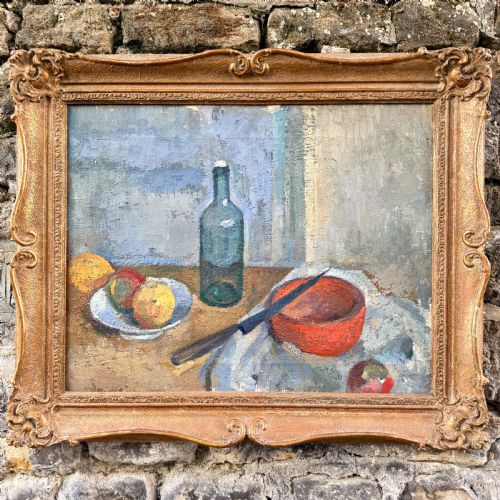
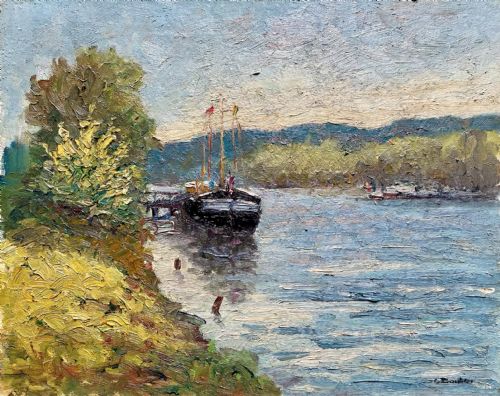
Period aesthetics shift perceptibly across the inventory, moving from nineteenth-century academic portraits and Post-Impressionist landscapes to Art Deco ironwork and mid-century naïve compositions. Buyers seek these items to introduce established character, texture, and historical narrative into domestic interiors.
Materials and Techniques
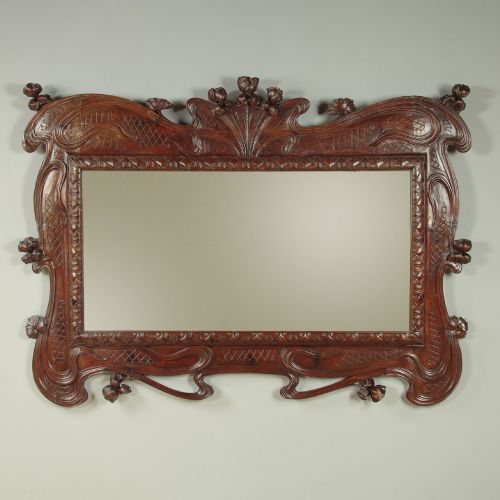
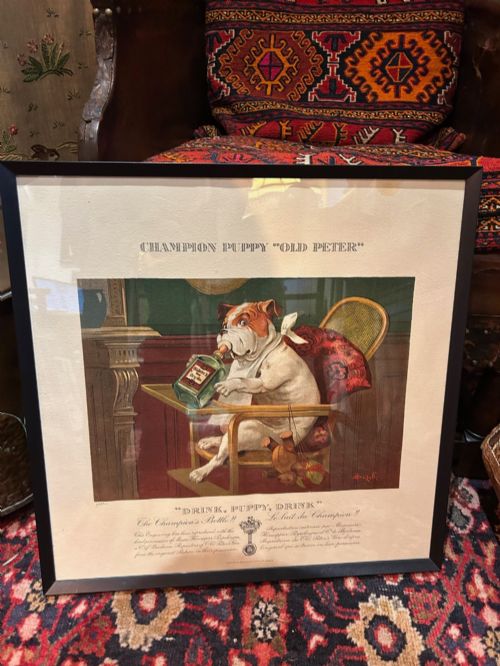
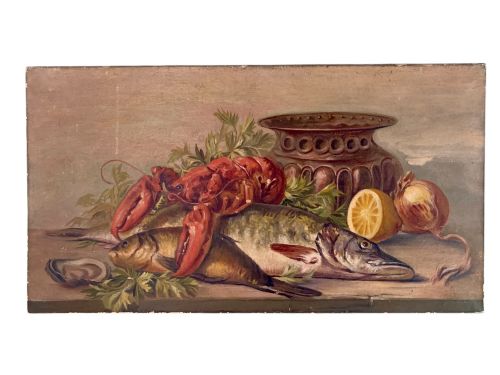
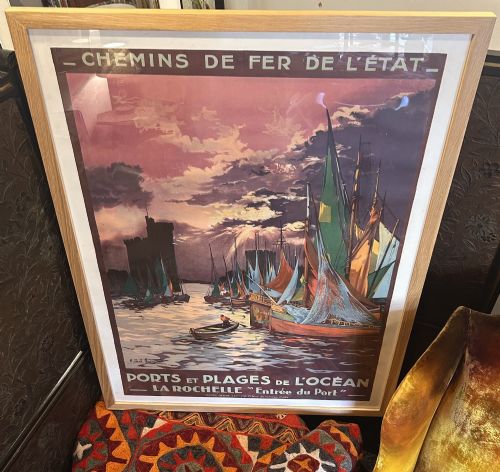
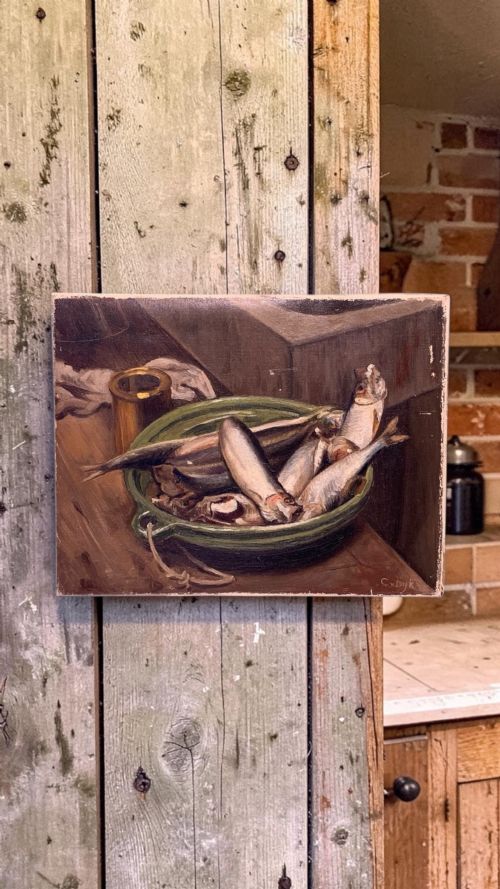
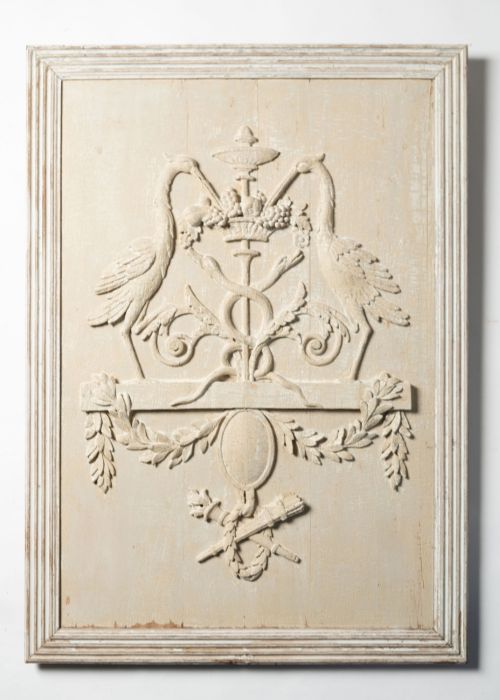
The physical construction of these pieces relies heavily on traditional media such as oil paint applied to stretched canvas or wooden panels, alongside paper used for hand-coloured engravings and advertising posters. Wood appears frequently as a structural support, carved mirror frame, or architectural relief panel.
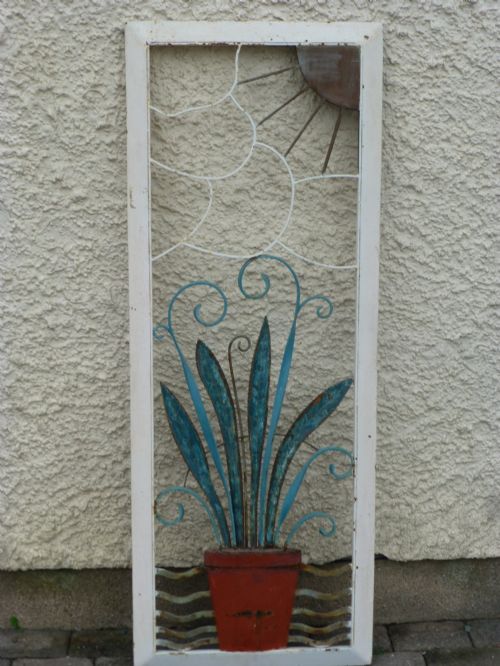
Gilt wood and gold leaf finish many of the traditional frames, while wrought iron and bronze provide the structural backbone for Art Deco grilles and garden screens. Tapestries utilise woven textiles to create large-scale verdure scenes intended for substantial wall coverage.
Vintage French Wall Art Retail Price Guide 2026
Typical asking prices for vintage french wall art among the pieces listed under this phrase on Sellingantiques today, from the lower quarter to the upper quarter. They describe what is for sale here now, not the wider market.
Listings span eight distinct periods, starting from the eighteenth century and extending through the 1960s.
Assessing Quality and Execution
Quality in these works resides in the surety of the brushwork, the depth of the pigment, and the integrity of the original framing. Superior paintings display confident handling of light and composition, whereas lesser examples rely on formulaic execution and weaker draughtsmanship.
Material longevity significantly influences overall standard, particularly in carved wooden panels and gilded elements where original patination and minimal restoration preserve historical value. The distinction between mass-produced prints and original hand-painted canvases or period gouaches determines the standing of an individual piece within the wider range.
Raymond Subes·Louis Icart·Georges de La Tour·Alfred Arthur Brunel de Neuville
The Vintage French Wall Art Glossary
- Oil on Canvas
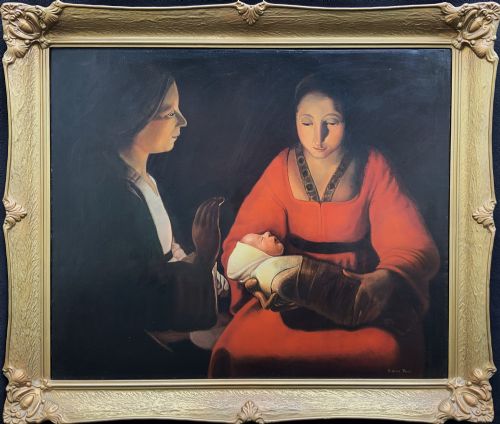
- Pigments bound in a drying oil medium applied directly to woven fabric stretched across a wooden frame. This technique allows for rich texture and subtle blending of colour.
- Engraving
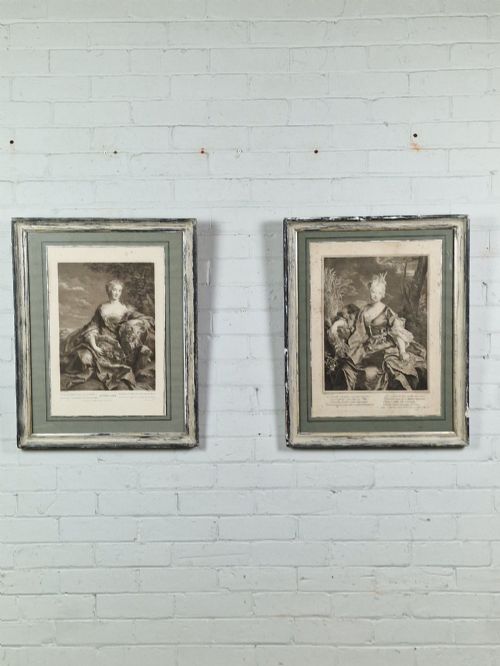
- A printmaking process where an image is incised into a metal plate, usually copper or steel, which holds the ink for transfer under pressure. Hand-coloured examples receive tinting by hand after printing.
- Verdure Tapestry
- A woven wall hanging depicting lush botanical foliage, trees, and often wildlife or distant landscapes. These large textiles traditionally insulated stone walls and added visual warmth.
- Architectural Salvage
- Building elements rescued from older structures, such as carved over-doors, wrought iron grilles, or decorative panels repurposed for interior wall decoration.
- Post-Impressionism
- An artistic movement following Impressionism that extends its use of vivid colours and thick brush application while emphasising geometric forms and expressive content.
Vintage French Wall Art: Frequently Asked Questions
Can I mix different centuries of art together?
Combining eighteenth-century engravings with mid-century canvases creates a layered interior that reflects a gradual collection process. Contrast adds visual interest when similar framing materials or complementary tonal palettes unify the arrangement.
Spacing pieces thoughtfully prevents visual clutter while allowing distinct historical periods to complement one another.
How do I clean an antique oil painting?
Dust accumulation should be gently removed from canvas surfaces using a very soft, dry brush without applying downward pressure. Avoid using water, household cleaners, or chemical solvents on painted surfaces.
Professional conservators should handle deeper cleaning or the removal of discoloured varnish to protect the underlying pigment.
What defines Art Deco wall art?
Art Deco pieces from the early twentieth century feature streamlined geometry, stylized motifs, and industrial materials like bronze and iron. These works move away from organic floral curves toward symmetrical patterns and modern city subjects.
Mirrors and metal screens from this era emphasise bold silhouettes and polished metallic finishes.