


Signed Original Watercolour Painting
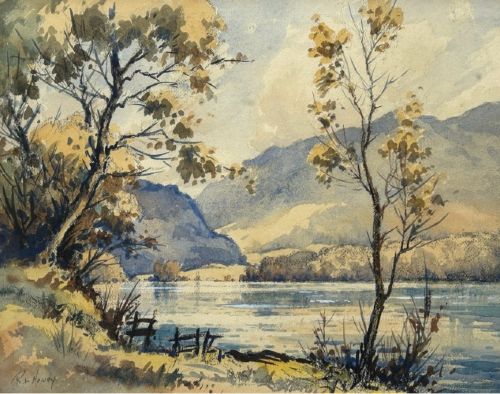
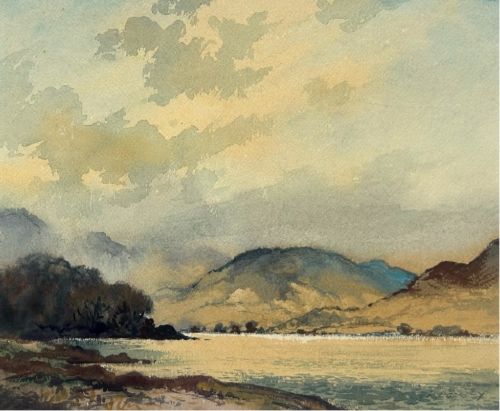
Navigating a signed original watercolour painting brings centuries of British topography, coastal harbours, and pastoral landscapes directly onto paper.
Signed Original Watercolour Painting
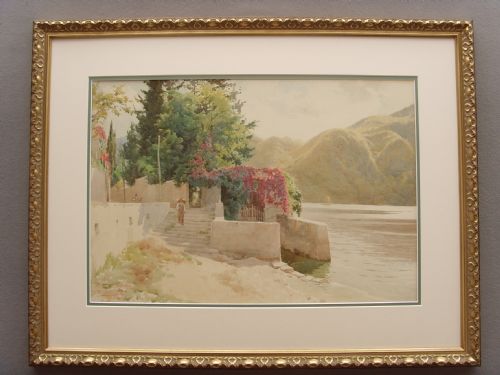
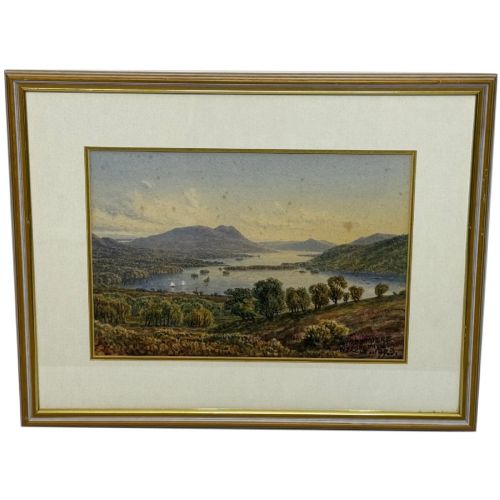
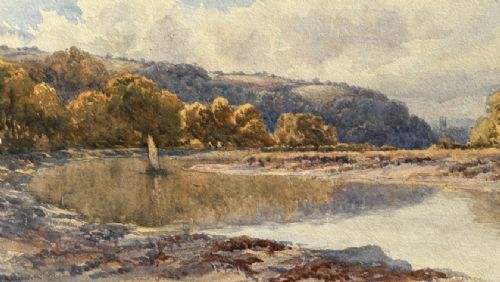
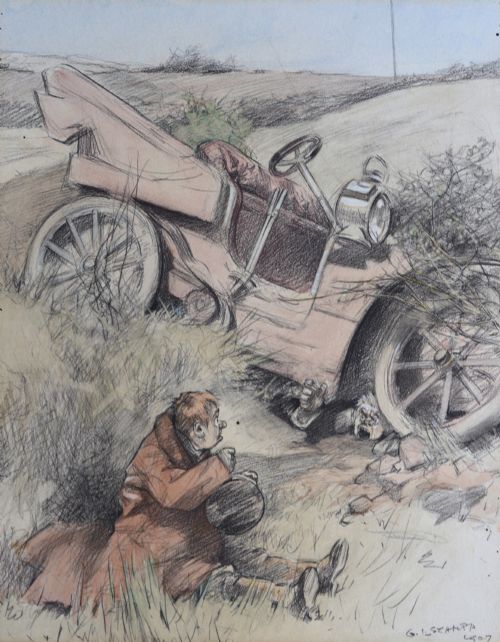
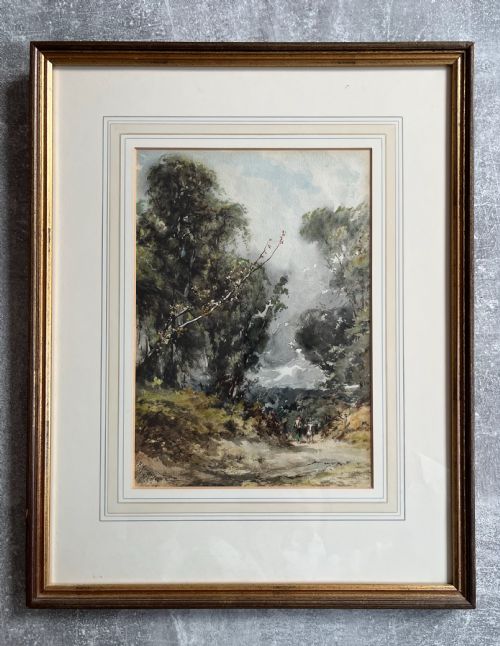
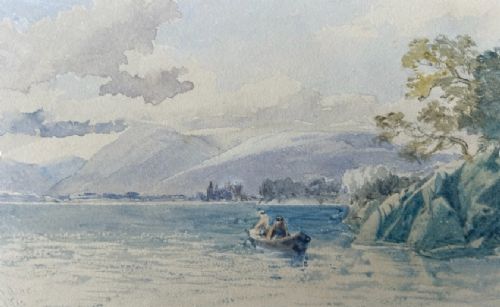
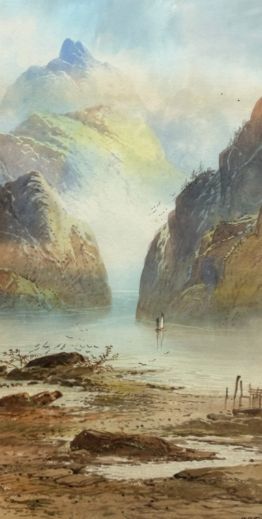
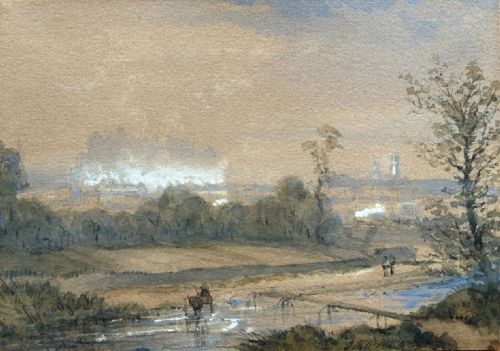
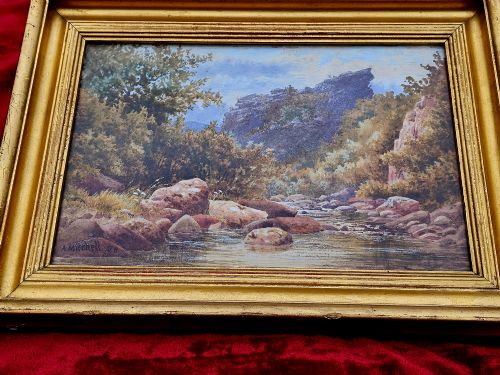
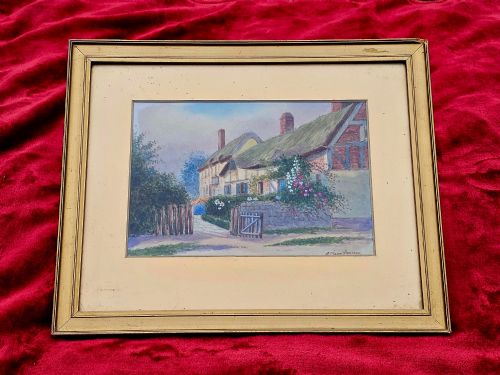
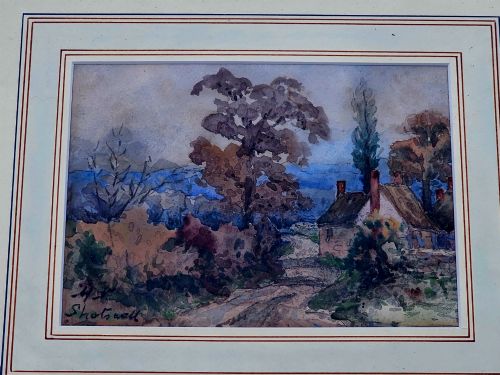
A signed original watercolour painting represents a unique hand-painted artwork rather than a mass-produced print, carrying the distinct signature or monogram of the artist. Buyers seeking a signed original watercolour painting will encounter nineteenth-century rural scenes, Edwardian coastal views, and mid-century British landscapes.
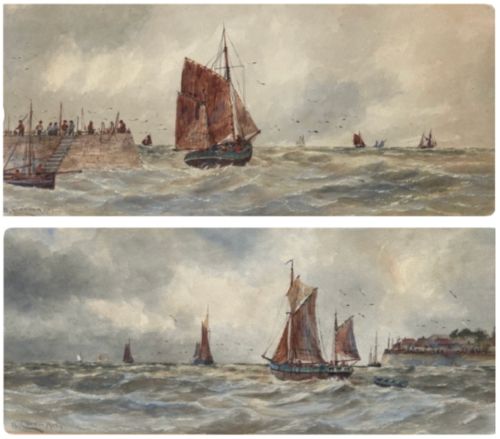
The selections span architectural streetscapes, marine watercolours featuring fishing boats, and botanical studies on paper. Many surviving examples preserve regional British topography from Yorkshire, Wales, and Scotland.
Dated works from the Victorian and Edwardian eras dominate the selection, frequently framed in original wood or gilt surrounds.
Materials and construction
Artists applied watercolour pigment suspended in water onto heavy paper sheets, sometimes utilising gouache highlights for opacity in clouds or cresting waves. Washes of translucent colour built up depth across landscapes, while ink or pencil underdrawings defined architectural and maritime details.
Framing utilised traditional wood moulding, occasionally finished with gilt layers to complement the hues within the pigment.
Listings feature Victorian, Edwardian, and mid-century British watercolours executed on paper.
Evaluating the standard
Excellence in a painted sheet rests upon the surety of the brushwork and the artist's command of light and atmosphere across landscapes or marine views. Skilled composition and careful preservation of paper integrity elevate an example above standard decorative output.
The clarity of the signature, historical provenance, and the retention of the original period frame contribute significantly to the standing of the work.
George Lorain Stampa·George Fotherly Hargitt·Thomas Miles Richardson Jnr·James Orrock·William Henry Earp·William Cannon·John R Prentice·Robert Leslie Howey·William Banks Fortescue·William Joseph Boyes·Alfred G. Morgan·Russell Sidney Reeves·Robert George Talbot Kelly·F A Roylance·Elisabeth Frink·William Frederick Settle·Harry Wanless·Fred Lawson·Cuthbert Crossley·Sir Joshua Reynolds·George F Pennington·Alexander Jamieson·Walter Emsley·Florence F Wilmot·Karl S Wood
The Signed Original Watercolour Painting Glossary
- Watercolour pigment
- Finely ground colour particles mixed with a water-soluble binder for application on paper. This medium allows transparent washes that capture shifting light.
- Gilt wood
- Timber framing coated with a thin layer of gold leaf or metallic gilt finish. These surrounds frequently accompany nineteenth-century works.
- Monogram
- A cipher or combination of overlapping initials used by an artist to sign a work. These marks appear frequently on period British watercolours.
- Impressionism
- An artistic approach focusing on visual impression and the play of light rather than precise detail. Such paintings often record atmospheric coastal conditions.
Signed Original Watercolour Painting: Frequently Asked Questions
How do I care for antique paper art?
Keep watercolours away from direct sunlight to prevent the pigments from fading over time. Maintaining stable indoor humidity protects the paper support from moisture damage.
Ensure framing uses acid-free backing materials to safeguard the sheet during long-term display.
Are these works painted on canvas?
Traditional watercolours utilise heavy paper sheets as the primary support rather than woven canvas. This medium permits delicate washes of translucent pigment.
Glass fronts protect the delicate paper surface from dust and atmospheric pollutants.
How can I date an older painting?
Signatures, dates inscribed by the artist, and period framing offer primary clues for chronology. Stylistic elements like costume or architectural details also indicate the era of creation.
Archival records or exhibition labels on the reverse provide further historical context.
What subjects appear most frequently?
British landscapes, coastal harbours with fishing vessels, and rural pastoral scenes dominate historical watercolours. Regional views from Scotland, Wales, and Yorkshire recur across the selection.
Botanical studies and architectural streetscapes also appear among nineteenth-century examples.