
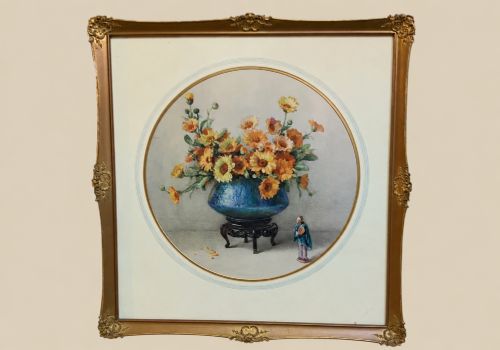
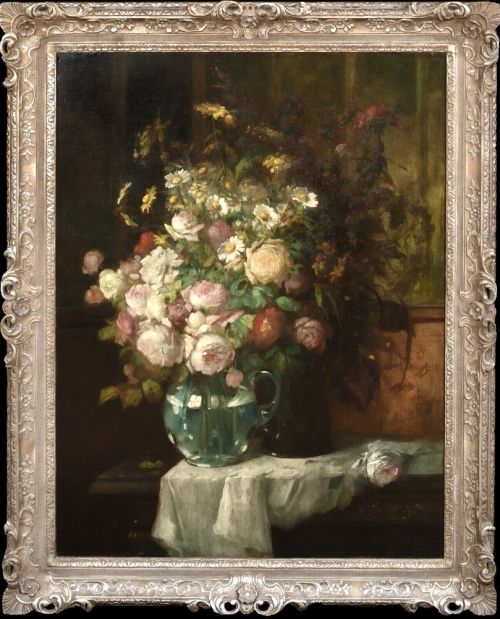
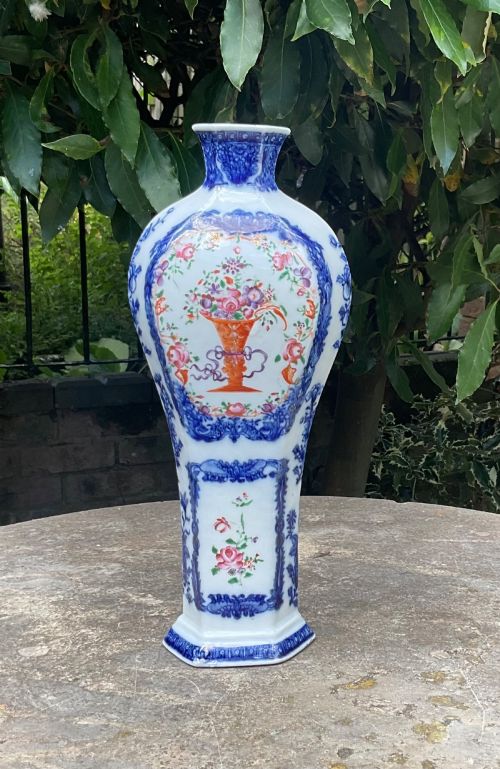
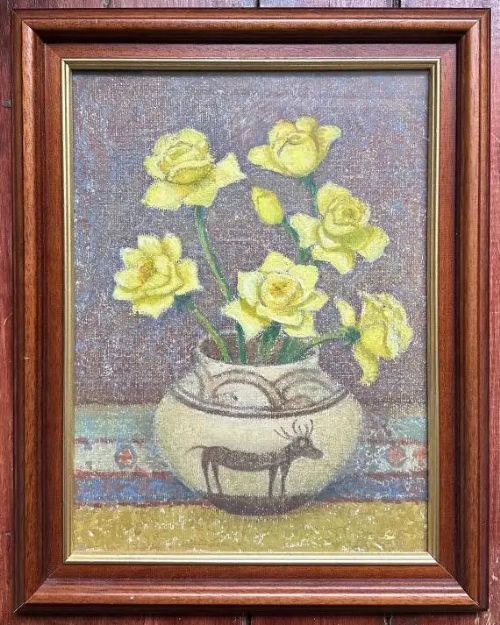
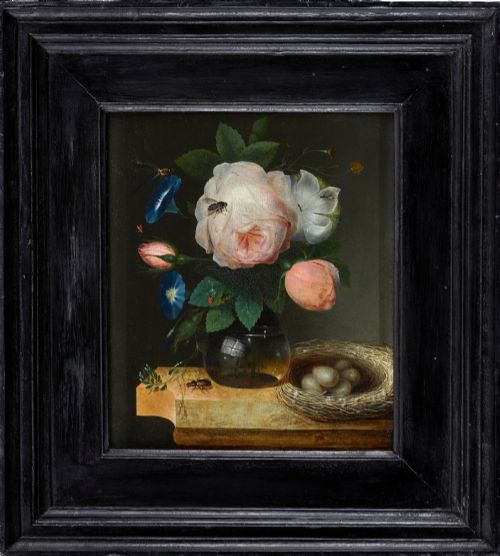
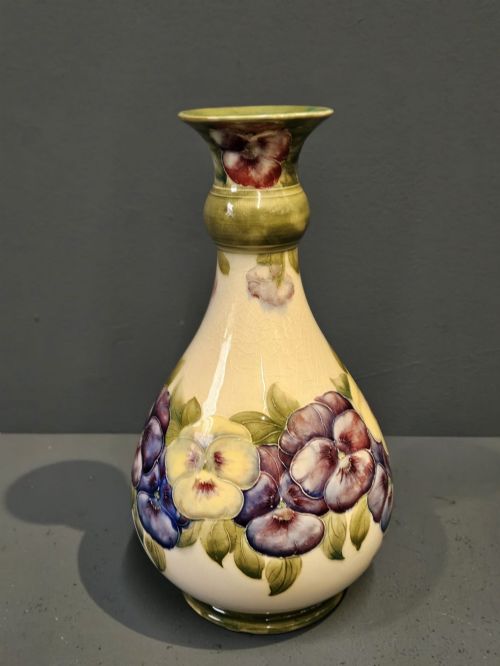
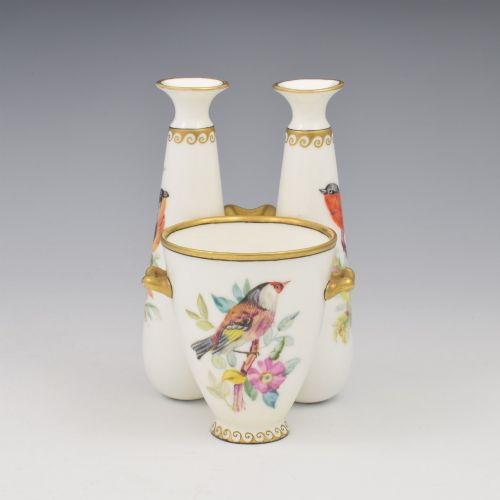
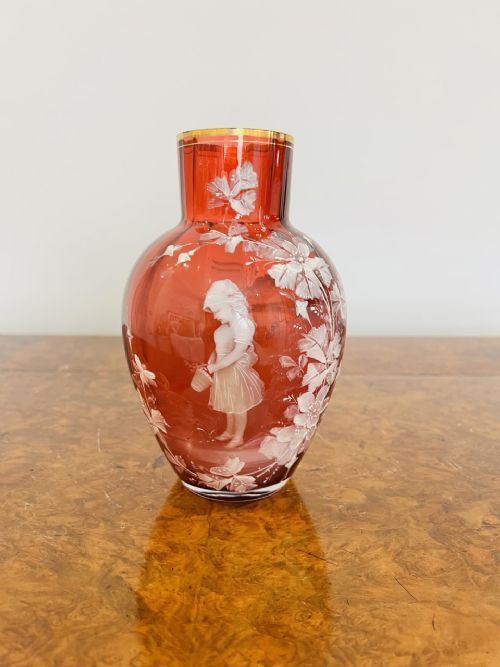
Vase of Flowers Painting
A vase of flowers painting captures the enduring appeal of botanical arrangements, spanning centuries of delicate watercolours and robust oils.
Vase of Flowers Painting
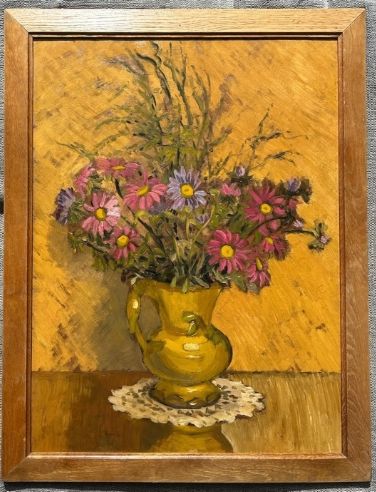
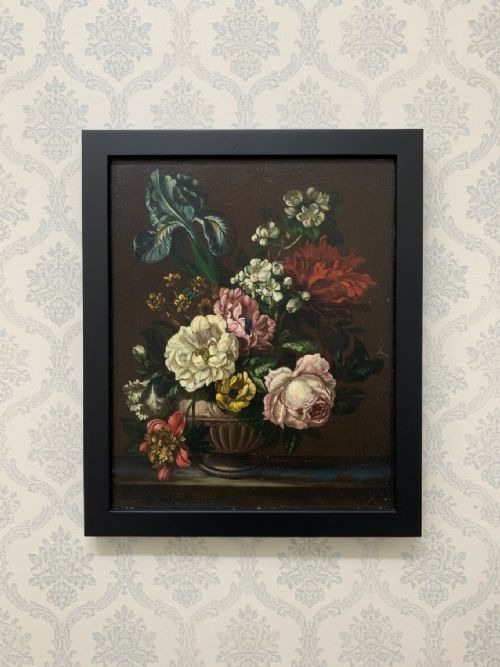
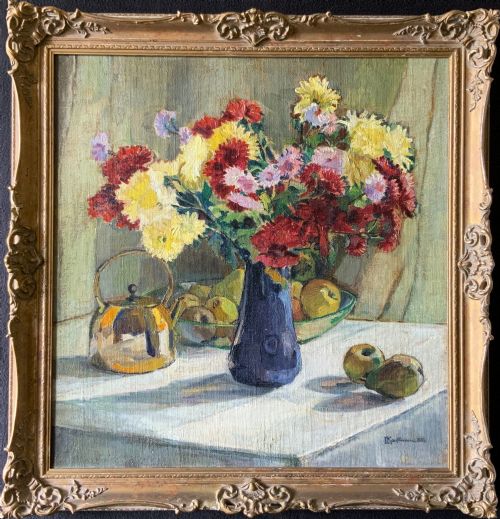
A vase of flowers painting brings together two distinct collecting traditions: the botanical study and the painted vessel. These works range from tightly rendered 19th-century watercolours to expressive mid-century modern oil paintings on canvas and board.
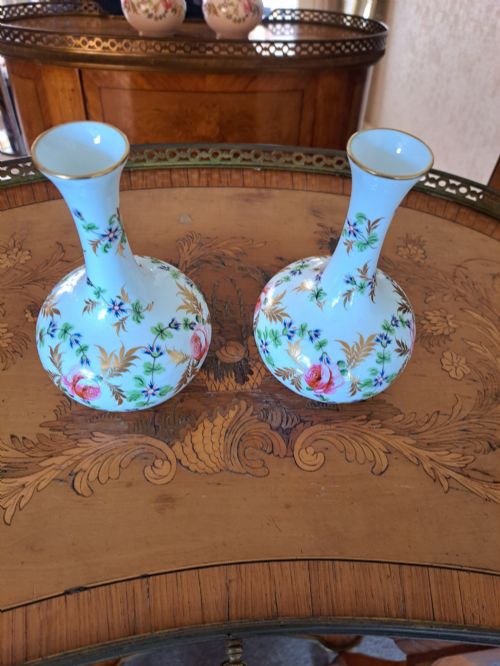
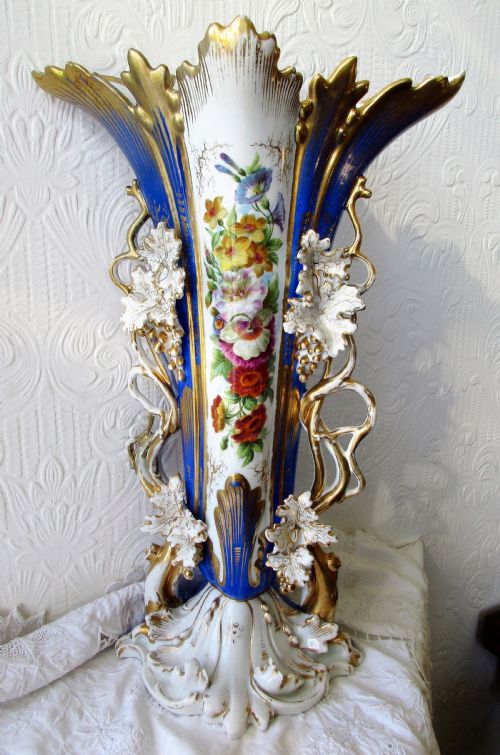
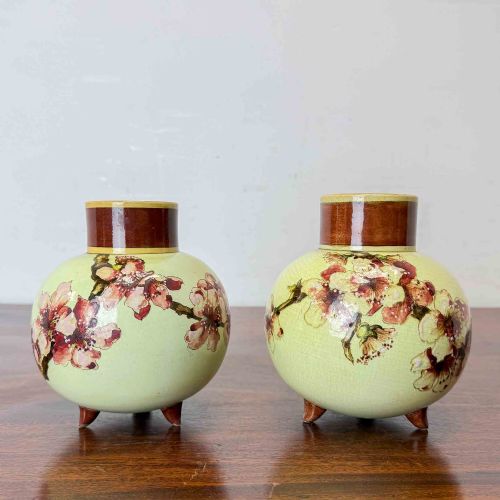
Buyers encounter everything from Dutch school masterworks to British Impressionist and post-impressionist floral compositions. Physical vessels themselves also appear alongside the artwork, including porcelain, earthenware, and enamel vases from various periods.
The selections span Victorian realism, Art Deco styling, and French Rococo revival forms. Whether executed in oil paint or delicate watercolours, each piece documents a specific stylistic approach to arranging flora.
How They Were Made
Painters utilised oil paint on canvas, wood panels, and paper boards to build up rich layers of colour and texture. Watercolours on paper offer a lighter, more translucent rendering of petals and stems.
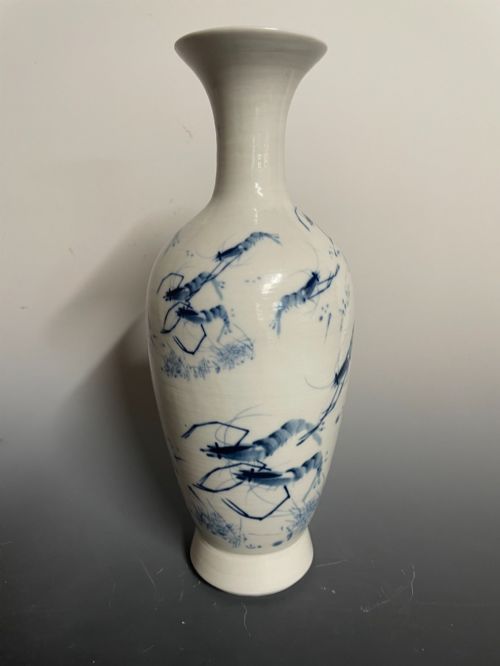
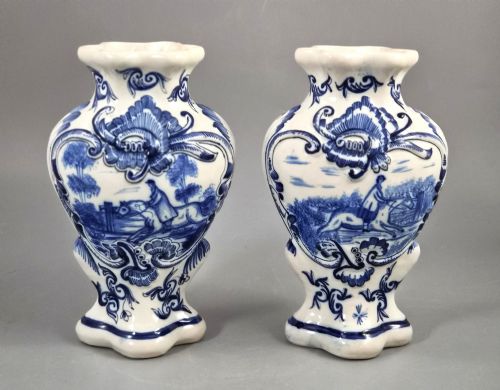
Physical vases in the collection utilise traditional ceramic techniques such as earthenware, porcelain, and faience glazing. Enamel, gold leaf, and delicate glasswork frequently accent both the painted frames and the physical decorative objects.
Listings feature works spanning from the 17th century through the mid-20th century, executed in oil paint, watercolour, and enamel.
What Varies in Quality
The hierarchy of these pieces rests upon the confidence of the brushwork and the harmony of the palette. Masterful handling of light upon petals and glass distinguishes an inspired study from a mechanical floral record.
Compositional balance and the structural integrity of the supporting canvas, panel, or ceramic body define the upper tier of works. Signature verification and historical attribution further elevate the standing of individual paintings.
Fourmaintraux-Courquin·Royal Worcester·Crown Derby·Doulton Lambeth·Flight Barr and Barr·Moorcroft McIntyre
The Vase of Flowers Painting Glossary
- Still life
- An artwork depicting inanimate subject matter, typically commonplace objects such as flowers, fruit, or vessels. This genre allows artists to focus heavily on light, shadow, and texture.
- Oil paint
- A slow-drying medium consisting of pigments suspended in a drying oil, usually linseed. It permits smooth blending of tones and rich impasto application.
- Watercolour
- A painting method in which the paints are made of pigments suspended in a water-based solution. It relies on the white of the paper to provide luminosity.
- Faience
- Tinned-glazed earthenware produced in Europe, known for its opaque white surface and painted cobalt blue or polychrome decorations. It provides a bright ground for floral motifs.
- Impressionism
- A 19th-century art movement characterised by relatively small, thin, yet visible brush strokes and an emphasis on accurate depiction of light. Artists often worked outdoors to capture transient atmospheric effects.
Vase of Flowers Painting: Frequently Asked Questions
How do I identify the age of a floral painting?
Age is typically determined by the support material, framing style, pigment characteristics, and signature conventions. Canvas textures and wood panel preparations also shift across different centuries.
Secondary clues include artist registries, exhibition labels on the reverse, and stylistic markers tied to specific art movements like Victorian realism or mid-century abstraction.
What is the difference between oil and watercolour still lifes?
Oil paintings utilise oil-based pigments on canvas, panel, or board, offering deep colour saturation and visible brush texture. They allow for extensive reworking and heavy layering.
Watercolours use water-soluble pigments on paper, producing a luminous, transparent effect. They require protective framing behind glass to prevent environmental degradation.
How should I display antique oil paintings at home?
Antique canvases and boards prefer stable indoor environments away from direct sunlight and high humidity. Proper hanging hardware matched to the weight of the frame protects the structural integrity of the piece.
Positioning works away from direct heat sources prevents the wooden stretchers and oil paint layers from drying out or cracking prematurely.
Are physical vases often sold alongside the paintings?
The inventory includes both independent paintings of floral arrangements and physical decorative vases made from porcelain, earthenware, and glass. Some listings pair specific ceramic vessels with related artwork.
Collectors frequently display physical antique vases alongside flat art to create thematic domestic displays reflecting historic interior styles.