
Original Botanical Oil Painting
An original botanical oil painting brings living colour and texture to a wall through centuries of studied observation.
Original Botanical Oil Painting
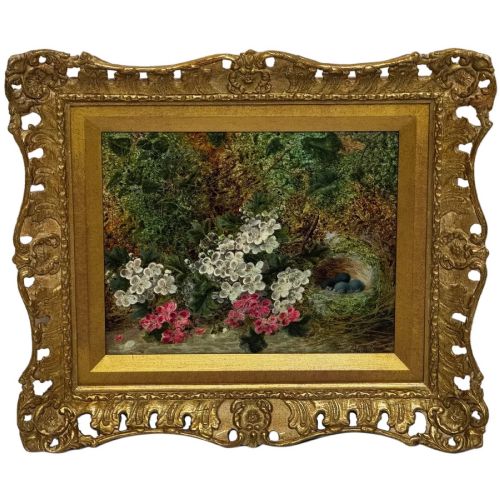
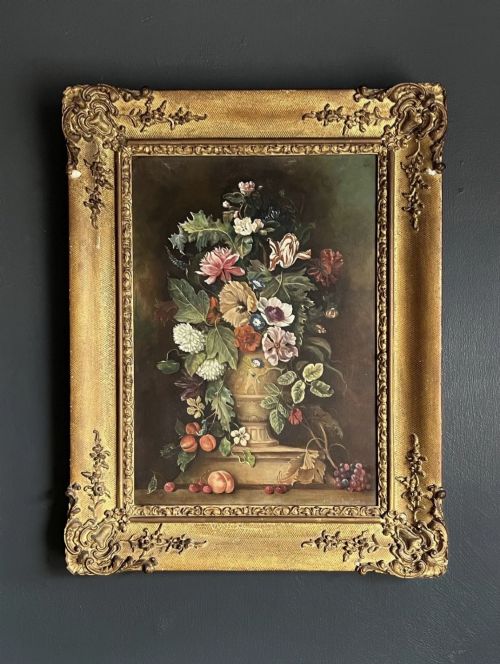
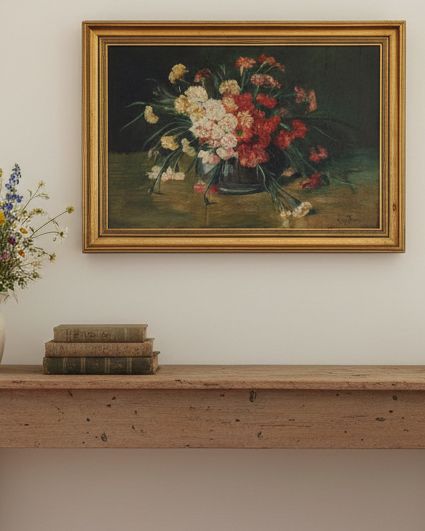
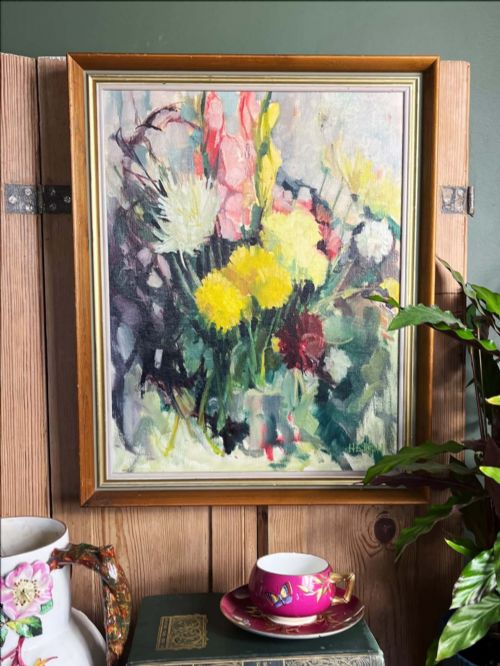
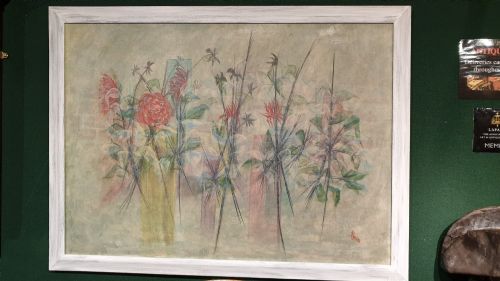
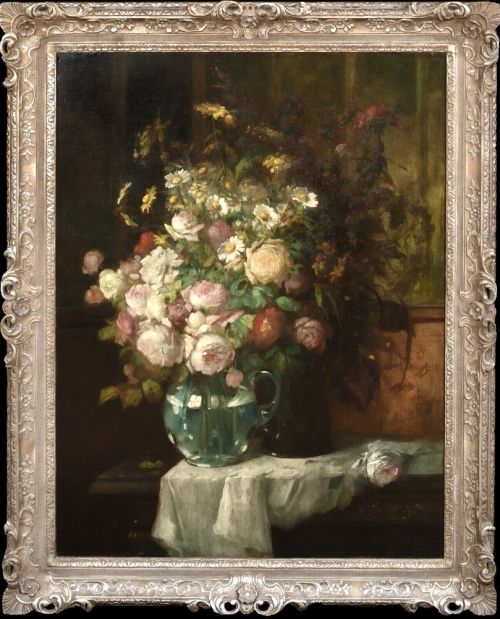
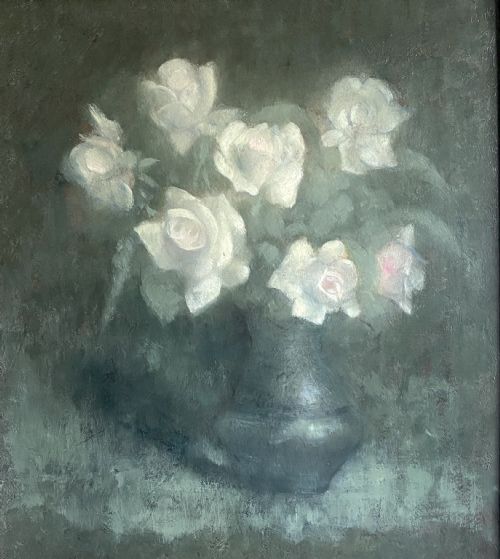
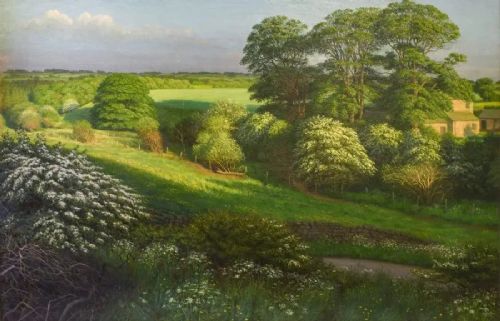
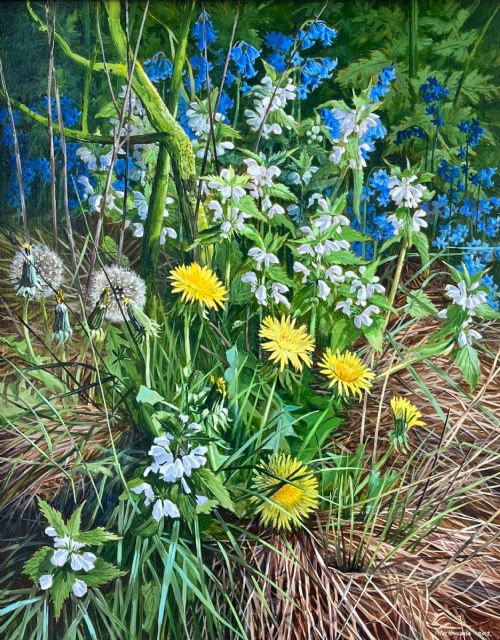
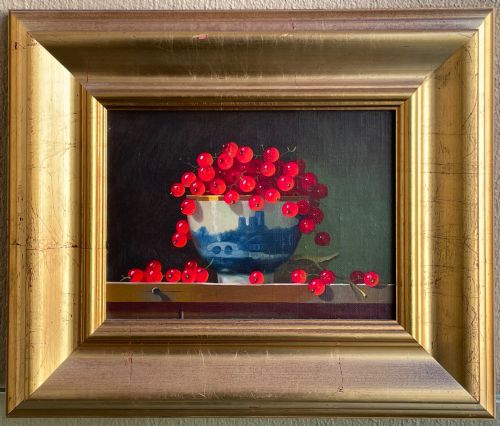
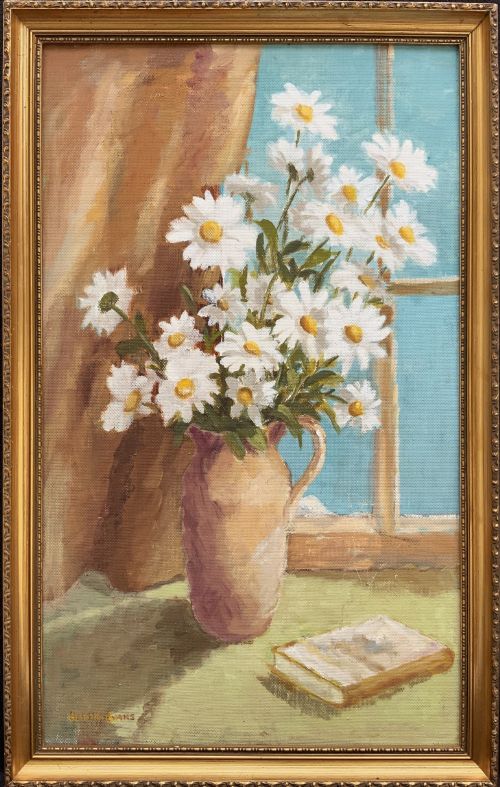
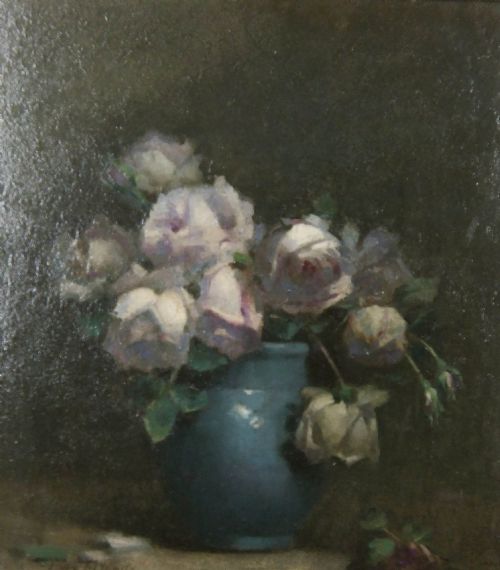
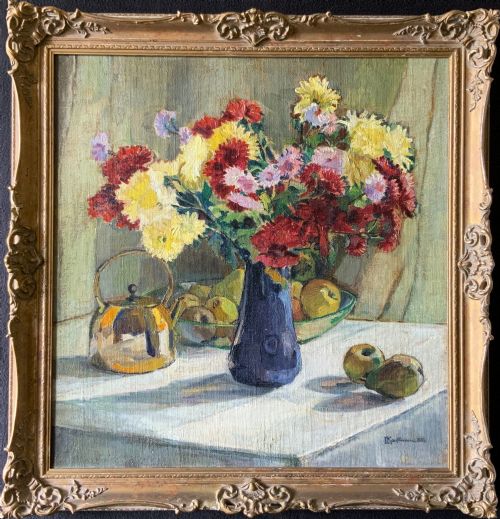
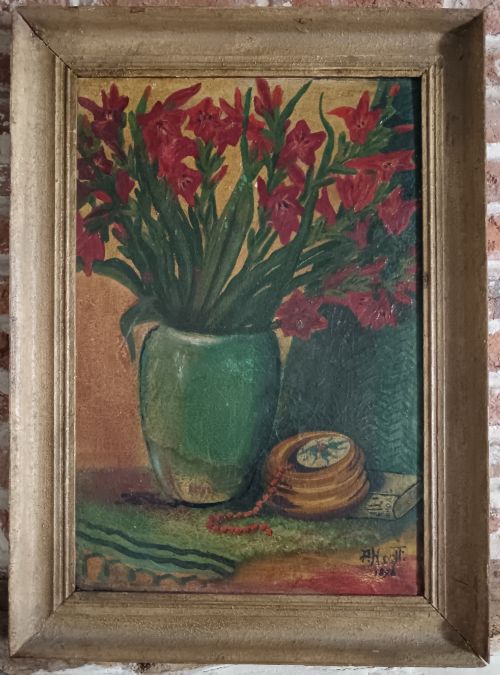
An original botanical oil painting depicts flowers, plants, and fruit captured through pigment on a flat support. These works focus closely on natural subjects, ranging from careful scientific studies to expressive floral arrangements.
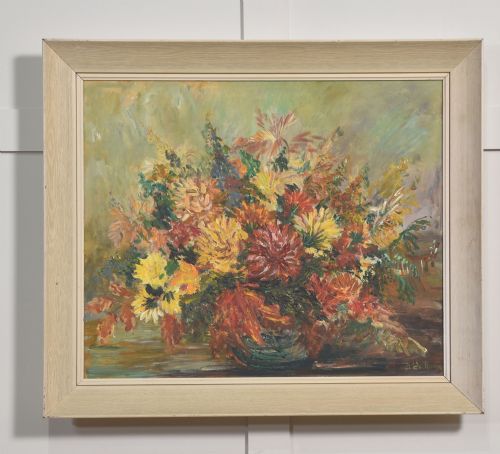
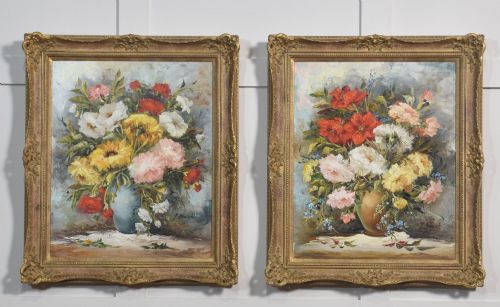
The selection on this page draws heavily from the nineteenth century through the mid-twentieth century. Buyers encounter Victorian canvases, Edwardian board studies, and later mid-century impressionist interpretations.
Most pieces portray still life arrangements in vases, baskets, or natural settings. Common forms include framed wall art ranging from intimate cabinet pieces to large decorative canvases.
How They Were Made
Artists applied oil paint using brushes and sometimes palette knives onto stretched canvas or rigid wooden board. The medium allowed for slow blending of colours, building up rich textures in petals, leaves, and backgrounds.
Listings feature works spanning from the nineteenth century through the mid-twentieth century, utilising canvas, board, oil paint, and gilt wood.
What Varies in Quality
Quality rests in the handling of light, shadow, and botanical structure by the painter. Stronger examples show confident brushwork and acute observation of plant anatomy rather than stiff botanical illustration.
The integration of the painting with its frame affects the overall integrity of the piece. Well-preserved surfaces retain their original pigment depth without excessive overpainting or structural damage to the canvas or board.
Oliver Clare·Konstantin Stoitzner·William Thomas Wood·Owen Bowen·Freda Marston
The Original Botanical Oil Painting Glossary
- Oil on canvas
- A painting technique where oil paint is applied to a woven fabric stretched tightly across a wooden frame. This combination provides a flexible yet durable surface favoured by artists for centuries.
- Oil on board
- A method where the artist paints directly onto a rigid wooden or composition panel. Boards offer a stable, unyielding surface often seen in smaller or earlier studies.
- Gilt gesso
- A plaster-based material applied to wood frames and coated in metallic leaf to create a decorative gold finish. This traditional framing technique adds weight and ornamentation to the artwork.
- Still life
- An artwork dedicated to the arrangement of inanimate everyday objects, such as cut flowers, fruit in bowls, and potted plants. Botanical examples focus specifically on flora.
- Impressionism
- A style of painting that emphasises loose brushstrokes and the shifting qualities of light over detailed realism. Works in this vein capture the immediate visual impression of a scene.
Original Botanical Oil Painting: Frequently Asked Questions
How do I care for my painting?
Keep the artwork away from direct sunlight and steady sources of heat to protect the oil pigments and wooden frame. Dust the surface gently with a soft, dry brush without using liquid cleaners.
Ensure the hanging environment maintains stable humidity levels to prevent warping in wooden boards or cracking in the paint layers over time.
Were these always framed?
Most finished oil paintings were placed into protective frames soon after completion to shield the edges and complement the composition. Frames often reflect the stylistic preferences of the period in which the painting was made.
Some boards and canvases retain their original frames, while others have been matched with period-appropriate mouldings later in their lifespan.
How can I tell the period?
Dating relies on stylistic clues, framing materials, and the physical support used by the artist. Victorian and Edwardian works often feature tighter brushwork and heavier gilt frames, while mid-century pieces lean towards looser impressionism.
Signatures, inscriptions on the reverse, and the type of canvas or board can also provide clear indicators of the decade of creation.
Where were these paintings displayed?
These works were traditionally hung in domestic reception rooms, parlours, and studies as decorative domestic art. Their botanical subjects brought the colours of the garden into interior living spaces.
Today, they suit similar residential settings, functioning well in dining rooms, hallways, and above mantelpieces.