

Traditional English Dresser
A traditional english dresser brings working kitchen utility and warmth into a room through generous proportions and honest timber construction.
Traditional English Dresser
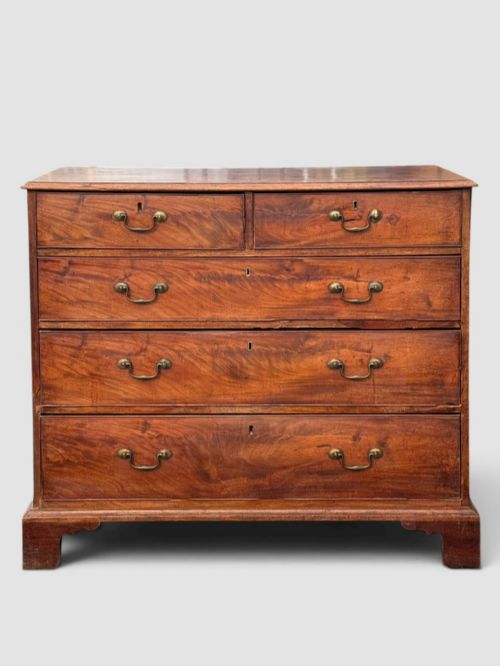
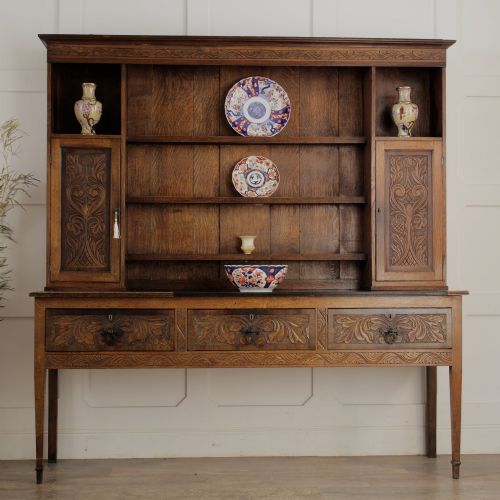
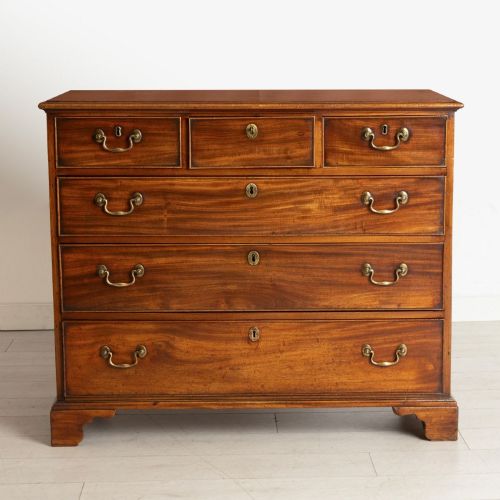
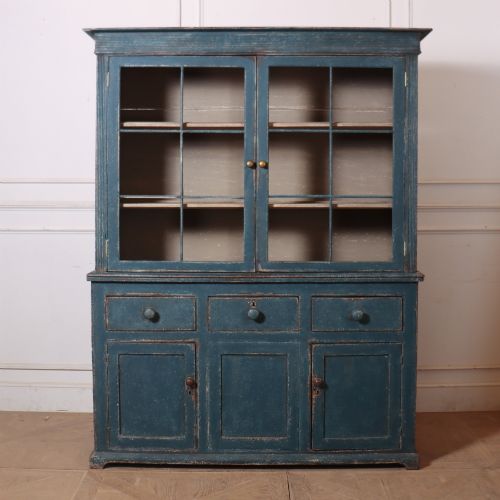
A traditional english dresser serves as both a display and storage unit, typically combining a lower sideboard base with drawers or cupboards and an upper plate rack. The examples found here span the seventeenth century through to the Edwardian period, capturing both formal mahogany pieces and utilitarian kitchen furniture.
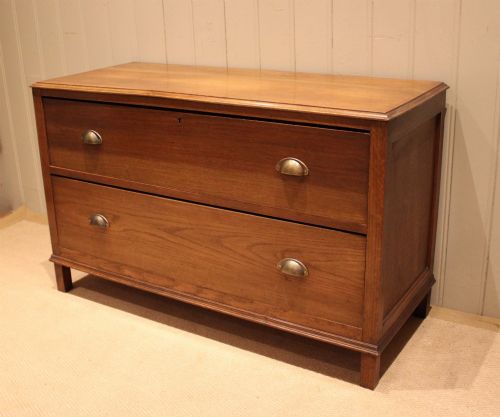
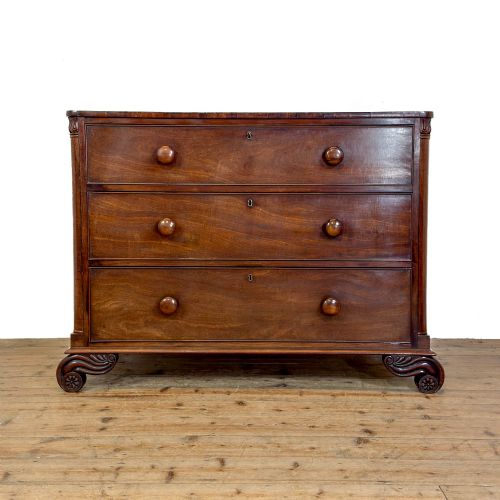
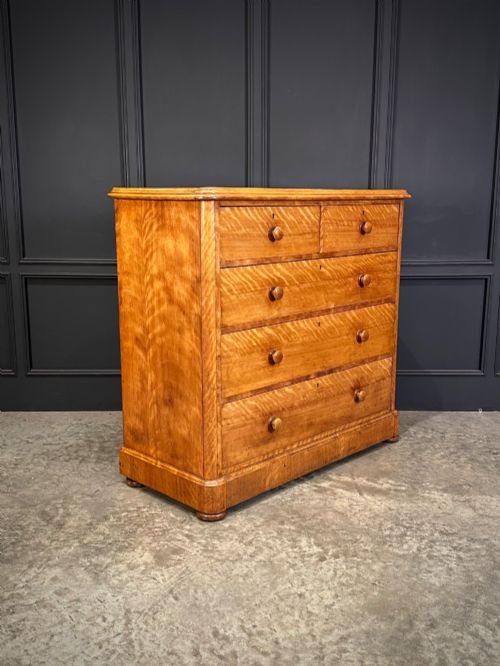
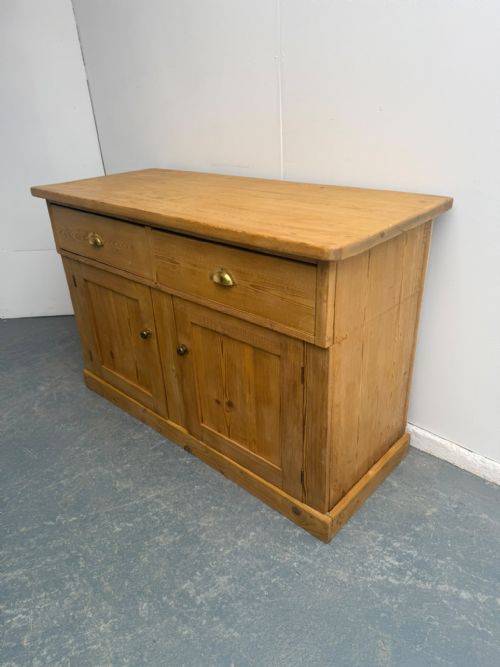
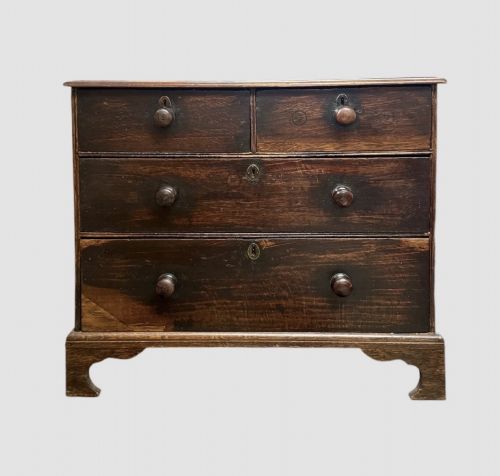
The most common formats on this page are oak and pine dresser bases alongside complete kitchen dressers and chest of drawers forms. Pieces originating from the Georgian era sit alongside later Victorian country designs and rustic farmhouse variants.
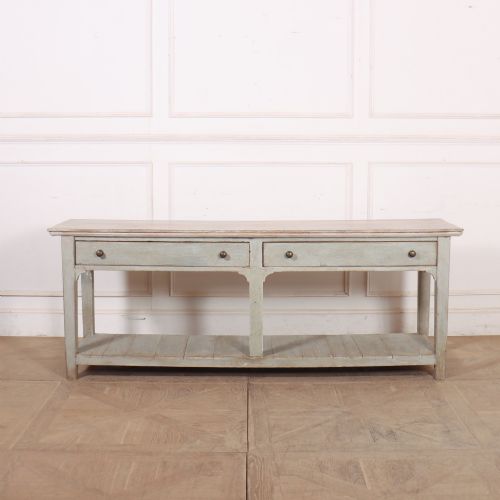
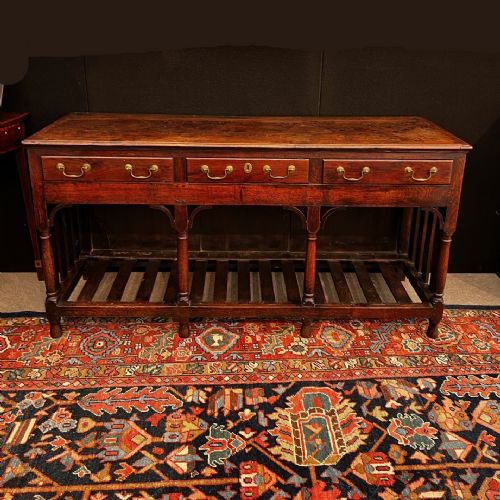
Makers utilised native timbers such as oak, elm, pine, and mahogany to construct these storage pieces for domestic use. Regional variations, notably from the West Country, appear alongside painted finishes and traditional potboard structures.
What varies in quality
The integrity of the timber and the honesty of the surfaces separate standard examples from finer pieces. Original painted finishes and untouched waxed surfaces retain greater character than stripped or heavily restored timber.
Proportion and execution define the distinction between provincial vernacular items and superior cabinet-making. Refined details like cross-banding in mahogany or well-balanced potboard bases indicate careful workshop production.
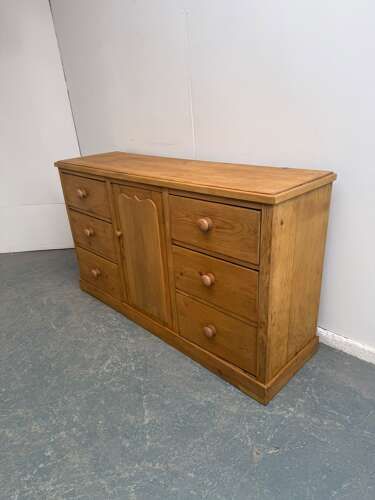
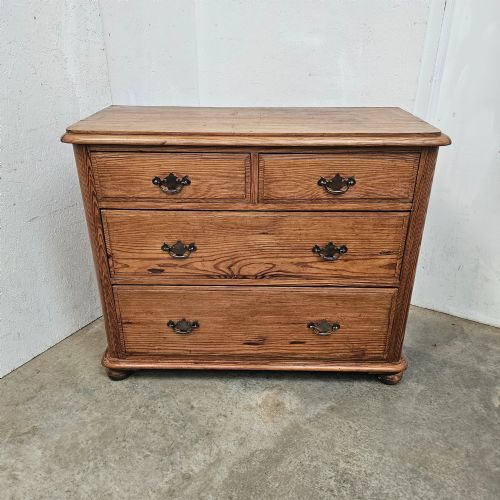
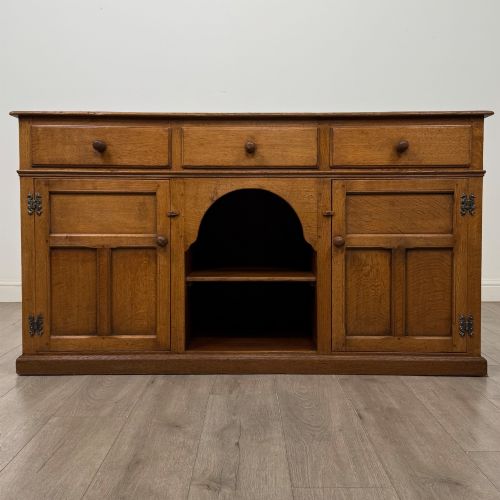
The inventory combines kitchen dressers, potboard dresser bases, and chests of drawers in both formal and rustic styles.
The Traditional English Dresser Glossary
- Potboard
- An open slatted lower shelf on a dresser base designed for storing heavy crockery and pots. It sits just above the floor on sturdy legs.
- Dresser base
- The lower sideboard portion of a kitchen dresser, often used independently as a serving table or storage unit with drawers.
- Cross-banding
- A decorative border technique where thin strips of veneer are laid with the grain running perpendicular to the surrounding wood.
- Delft rack
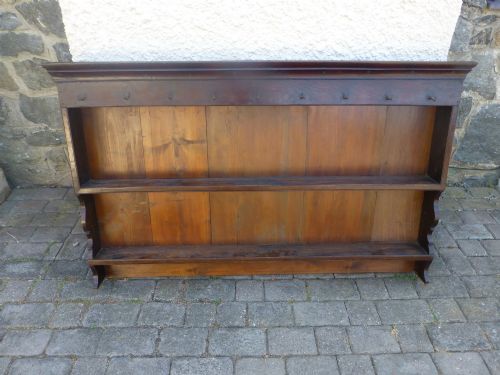
- The upper open-shelved wooden superstructure mounted onto a dresser to display plates and ceramics upright.
- Pitch pine
- A resinous North American and European pine variety utilised for durable drawer linings and structural framing.
Traditional English Dresser: Frequently Asked Questions
How do I use a traditional dresser today?
A traditional dresser provides substantial storage and display space for tableware, glassware, and books in a modern kitchen, dining room, or living area.
The lower cupboards and drawers hide everyday clutter while the upper shelves or surface top allow you to showcase decorative ceramics and heirlooms.
What is the difference between an 18th and 19th century dresser?
Eighteenth-century examples typically employ solid oak or elm with hand-planed boards, pegged joints, and simple potboard or drawer configurations.
Nineteenth-century pieces frequently introduce softer timbers like pine, painted finishes, more complex mahogany veneers, and machine-cut components.
Are dresser bases different from complete dressers?
A dresser base consists solely of the lower sideboard cabinet containing drawers and cupboards, functioning much like a low serving table.
A complete dresser includes both that lower base and an integrated plate rack or shelving superstructure attached to the top.
How do I care for antique waxed pine and oak?
Maintain antique timber surfaces by applying a natural beeswax polish occasionally and buffing gently with a soft cloth to preserve the finish.
Keep wooden furniture away from direct heat sources and strong sunlight to prevent the timber from drying out or splitting.