

Oak Sideboard with Rack
An oak sideboard with rack brings the robust timber and practical plate display of country houses straight into a room.
What these pieces are
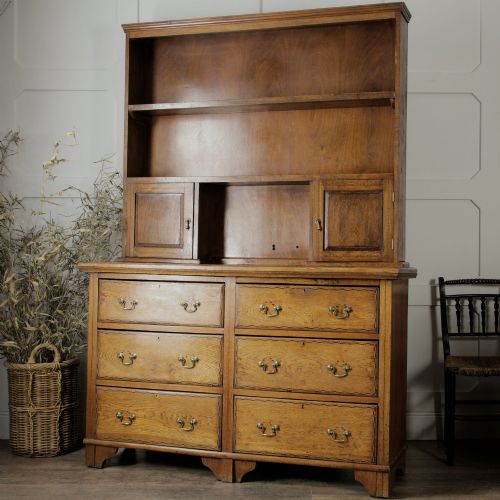
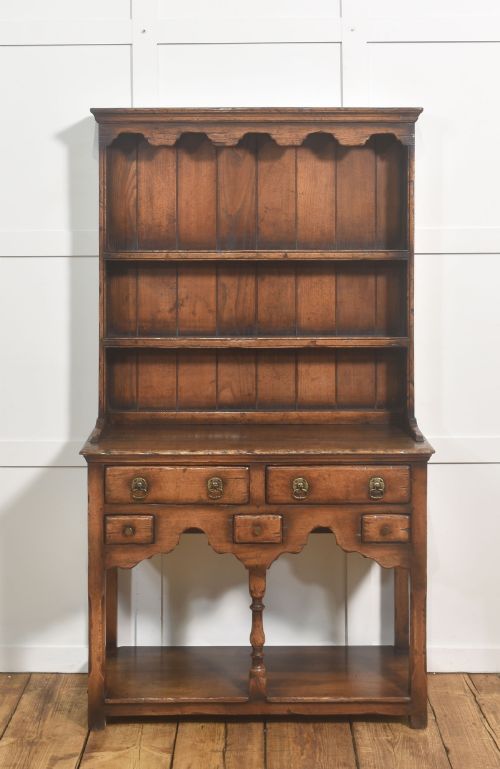
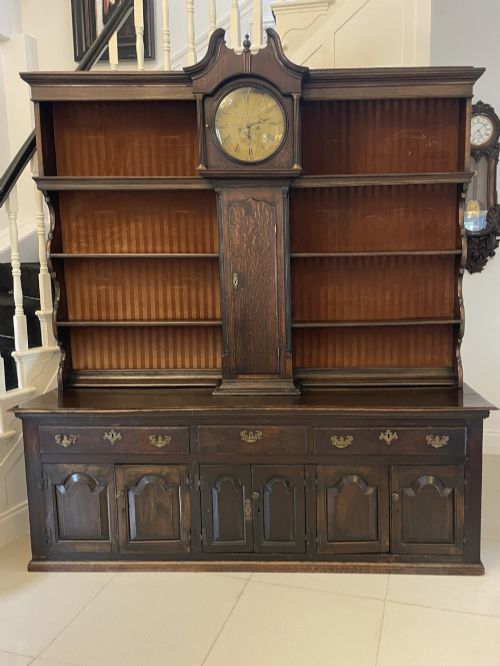
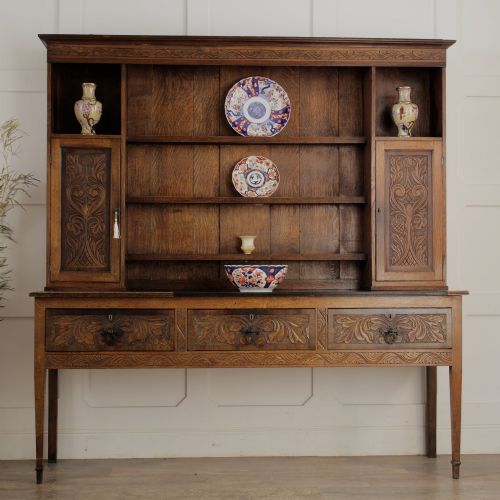
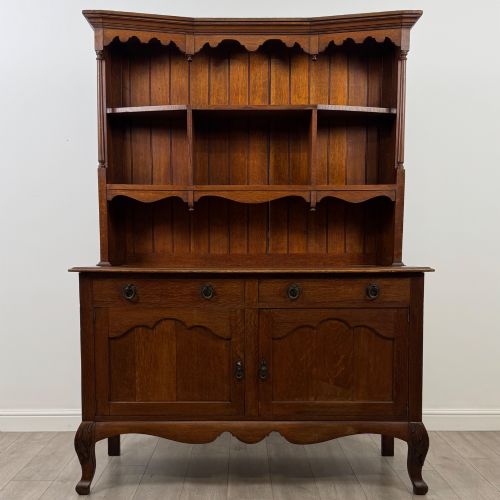
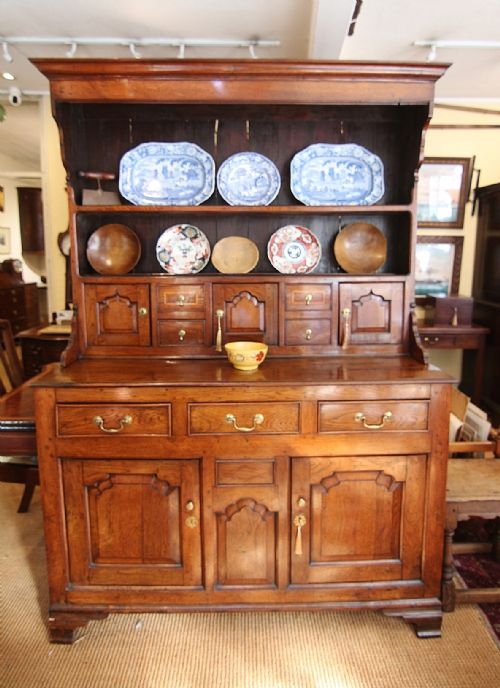
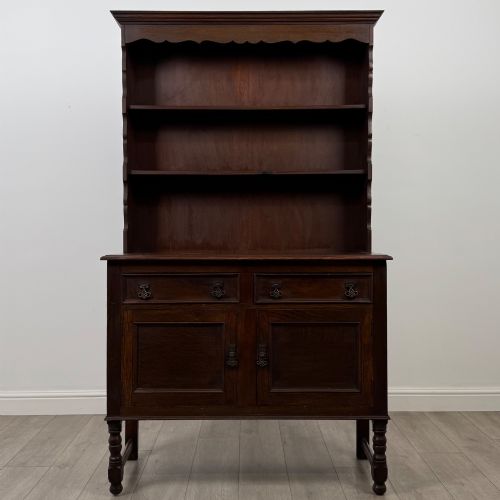
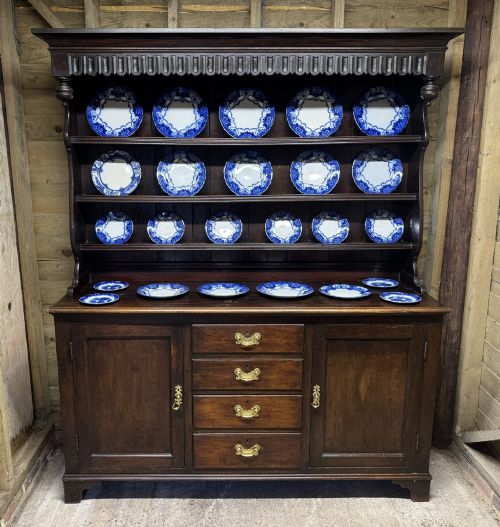
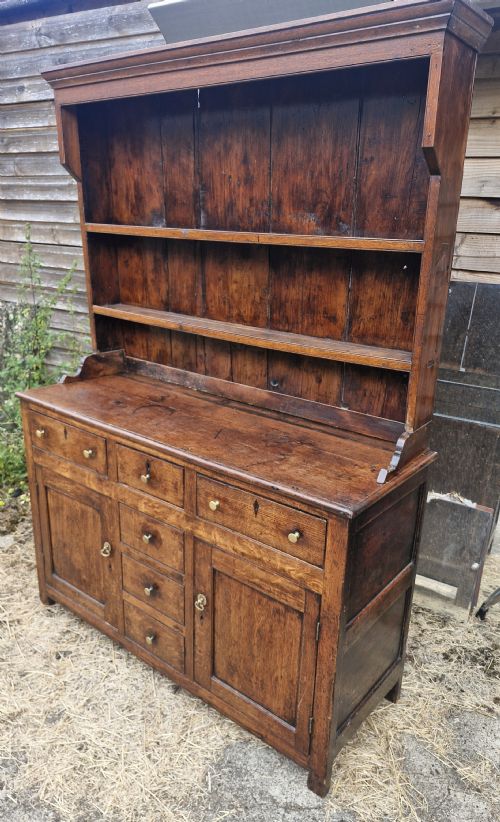
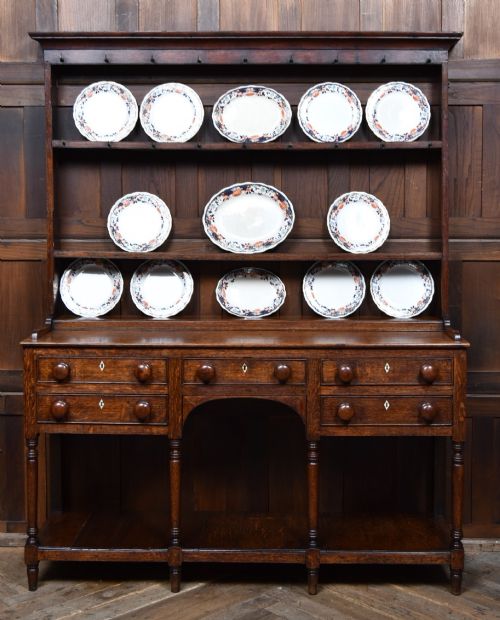
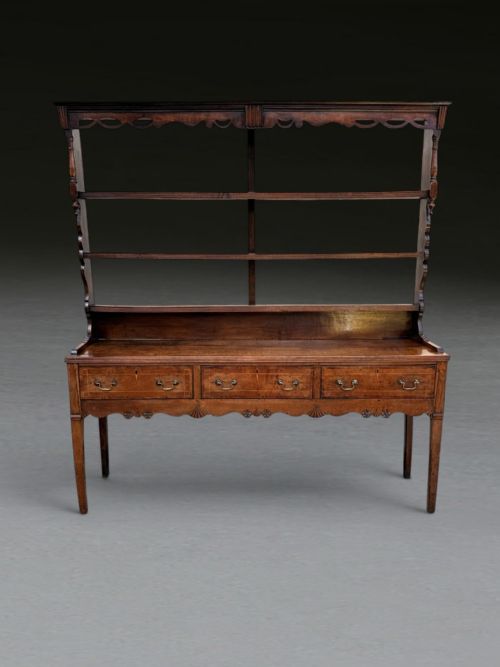
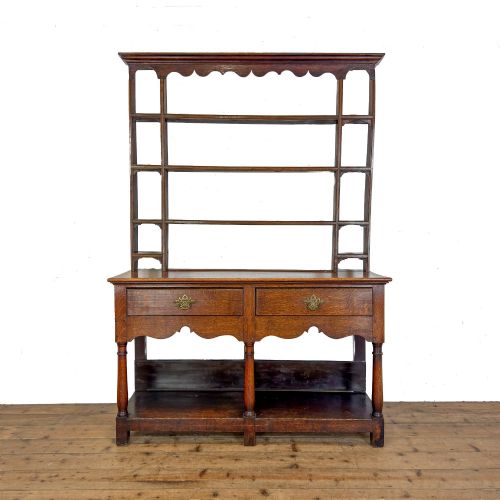
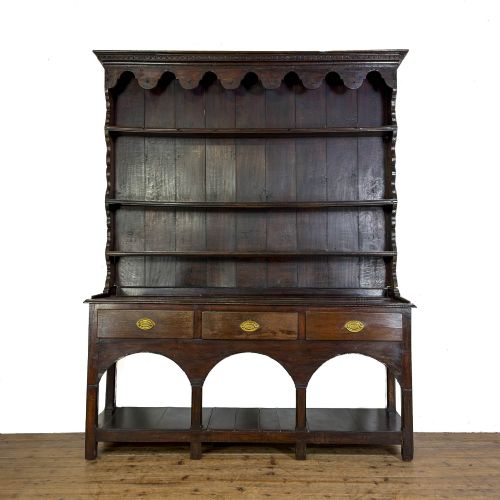
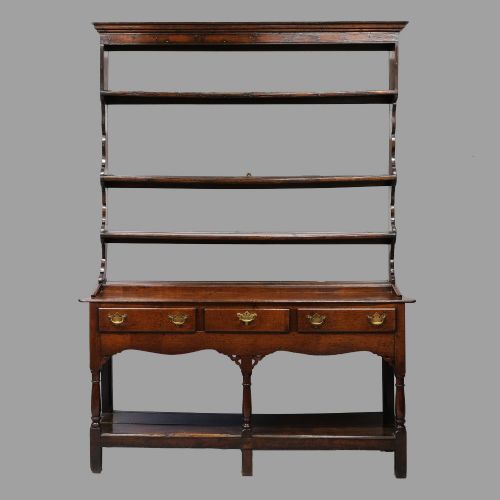
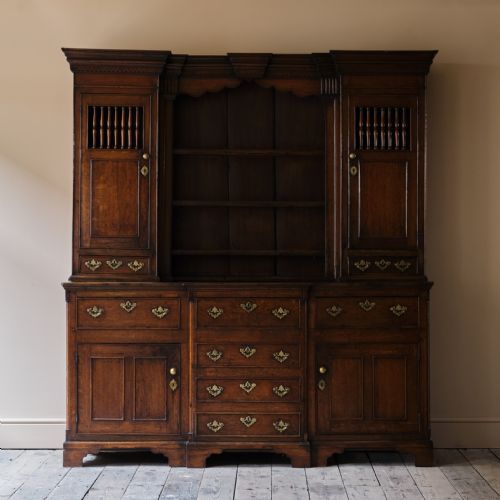
An oak sideboard with rack combines a lower storage base with an upper plate display, appearing in English Country, Welsh Country, and Georgian styles across this inventory. Buyers searching this phrase encounter sturdy country furniture designed for both holding provisions and displaying earthenware.
How they were made
Construction relies heavily on solid oak timber, frequently complemented by details in brass, mahogany, bone, inlay wood, and iron. Cabinetmakers utilised traditional joinery methods to build frames capable of supporting heavy tableware.
Surfaces display the natural grain of oak, sometimes finished to highlight honey tones or deeper patinas developed over centuries of domestic use.
Retail Price Guide 2026
Typical UK retail prices for oak sideboard with rack, calculated from the Sellingantiques database of over a million retail prices indexed since 2003. This retail price guide relies exclusively on Sellingantiques data; no external sources or auction records are used, so the figures do not describe the wider market.
Early plates spent their lives wedged into these very racks, occasionally leaving behind tiny timber grooves where generations of crockery rubbed the oak.
What varies in quality
Quality rests upon the selection of timber and the integrity of the joinery connecting the upper rack to the lower base. Pieces from earlier periods display hand-finished surfaces and patination that modern reproductions attempt to emulate.
The refinement of mouldings and the proportion between the heavy storage base and the open plate rack distinguish standard regional pieces from finer stylistic expressions.
The Oak Sideboard with Rack Glossary
- Oak
- A hard, durable timber native to Britain, prized for its strength and prominent grain pattern. It forms the primary structural material for traditional country furniture.
- Plate rack
- The open shelving unit fixed above the sideboard base. It allows ceramic plates and platters to be stored upright for daily use and display.
- Jacobean Revival
- A nineteenth or twentieth-century decorative style that mimics seventeenth-century English furnishings. It utilises turned supports and heavy geometric paneling.
- Patina
- The surface sheen and colour acquired by wood over decades of handling and polishing. It serves as an indicator of age and consistent maintenance.
- Cabriole leg
- A furniture support curving outward and then tapering inward, found on certain revival pieces. This design adds a lighter profile to the substantial oak frame.
Frequently Asked Questions
What is an oak sideboard with rack used for?
These pieces serve as dual-purpose furniture for storing dining provisions in the lower cupboards and displaying decorative plates on the upper shelves.
Historically placed in kitchens and dining rooms, they keep everyday tableware within reach while adding warmth to an interior.
How do I tell different periods apart?
Earlier eighteenth-century examples exhibit hand-tooled surfaces and simpler construction, whereas nineteenth-century and revival pieces often incorporate stylistic motifs from earlier eras.
Examining the fixings, timber selection, and hardware helps distinguish Georgian originals from later Jacobean Revival interpretations.
Are these pieces suitable for modern homes?
Their sturdy construction and combination of enclosed storage and open display make them practical additions to contemporary kitchens, dining spaces, or hallways.
The neutral tones of aged oak blend easily with various interior palettes.
What materials are used besides oak?
While oak forms the primary structure, makers occasionally integrated brass for hardware, mahogany for contrasting details, and iron or bone for structural pins and decorative inlay.
These secondary materials vary depending on the regional workshop and the period of manufacture.