
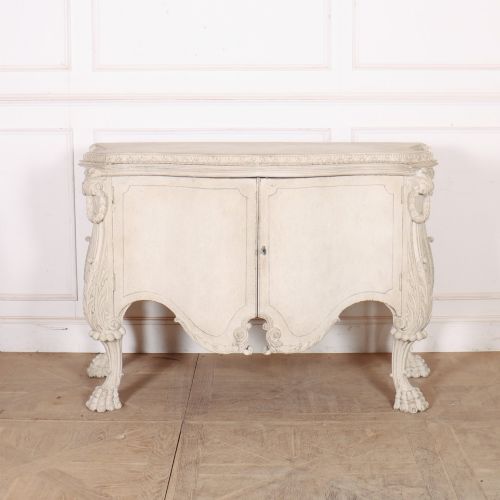
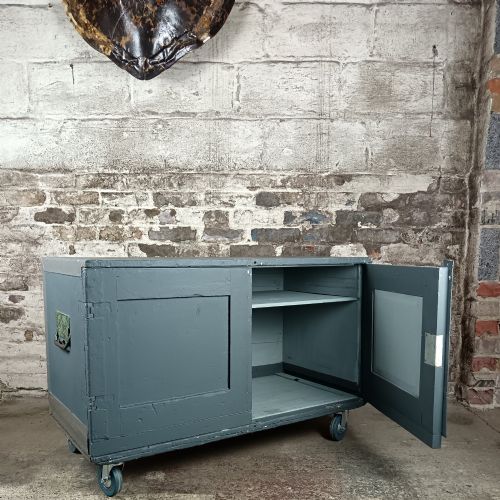
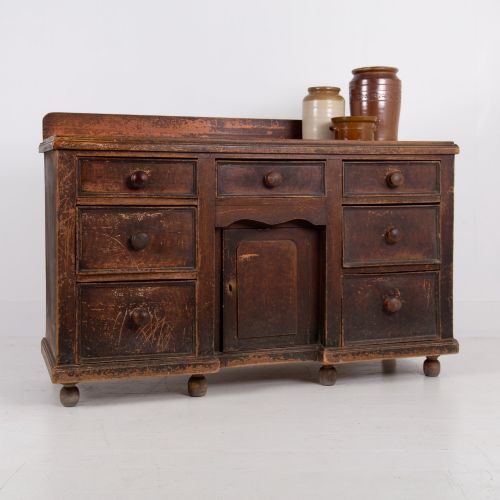
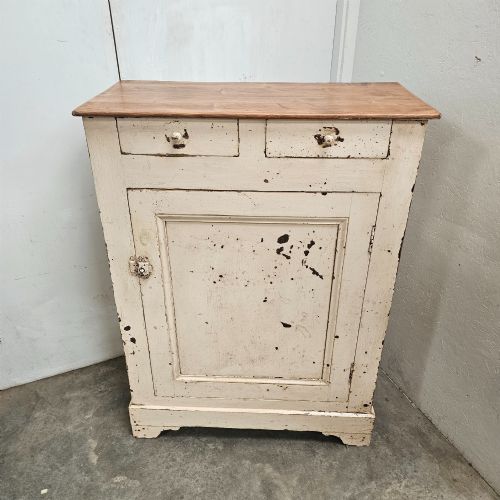
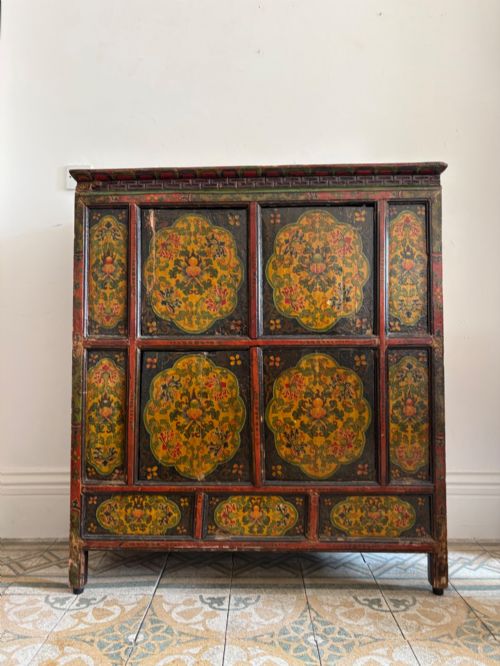
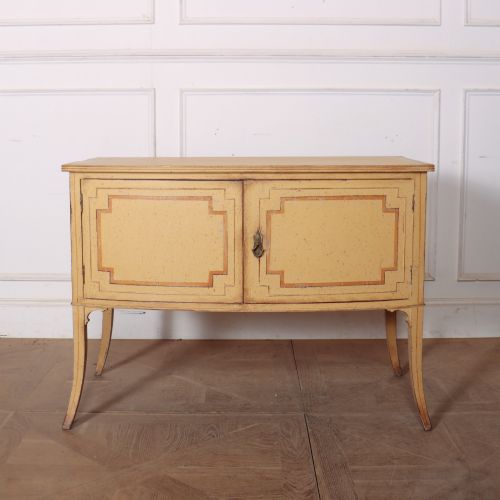
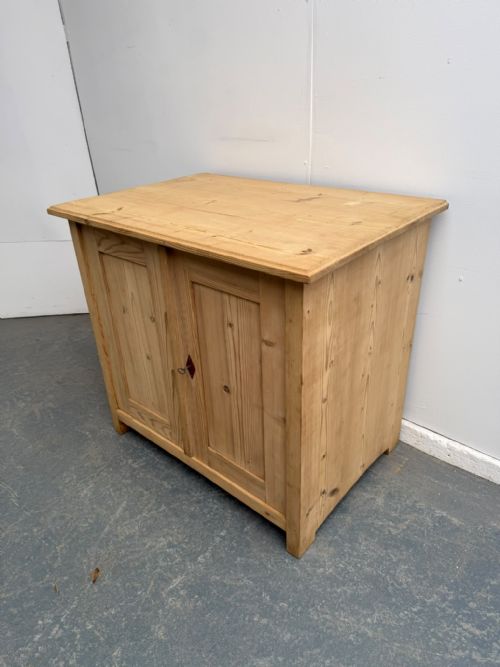
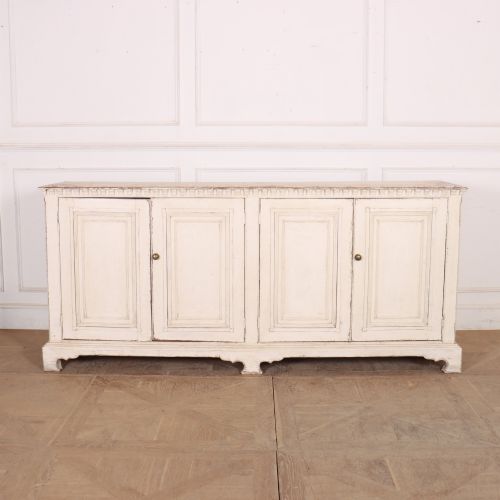

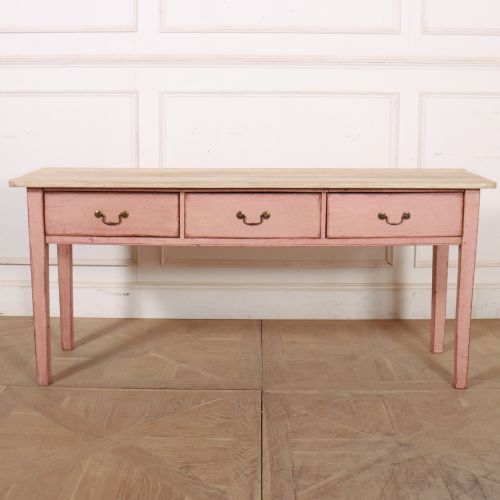
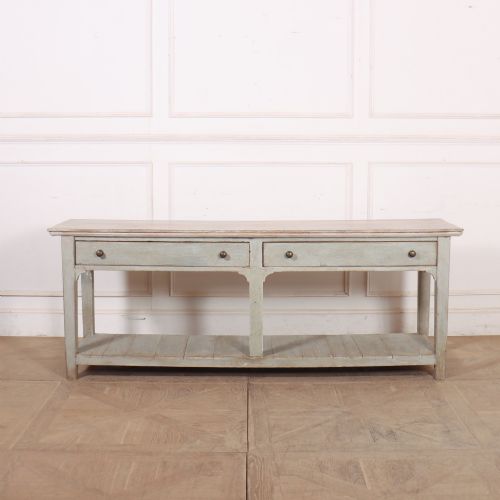

Painted Wooden Sideboard
A painted wooden sideboard brings practical utility and regional character to a room, offering surface space and concealed storage beneath hand-applied colour.
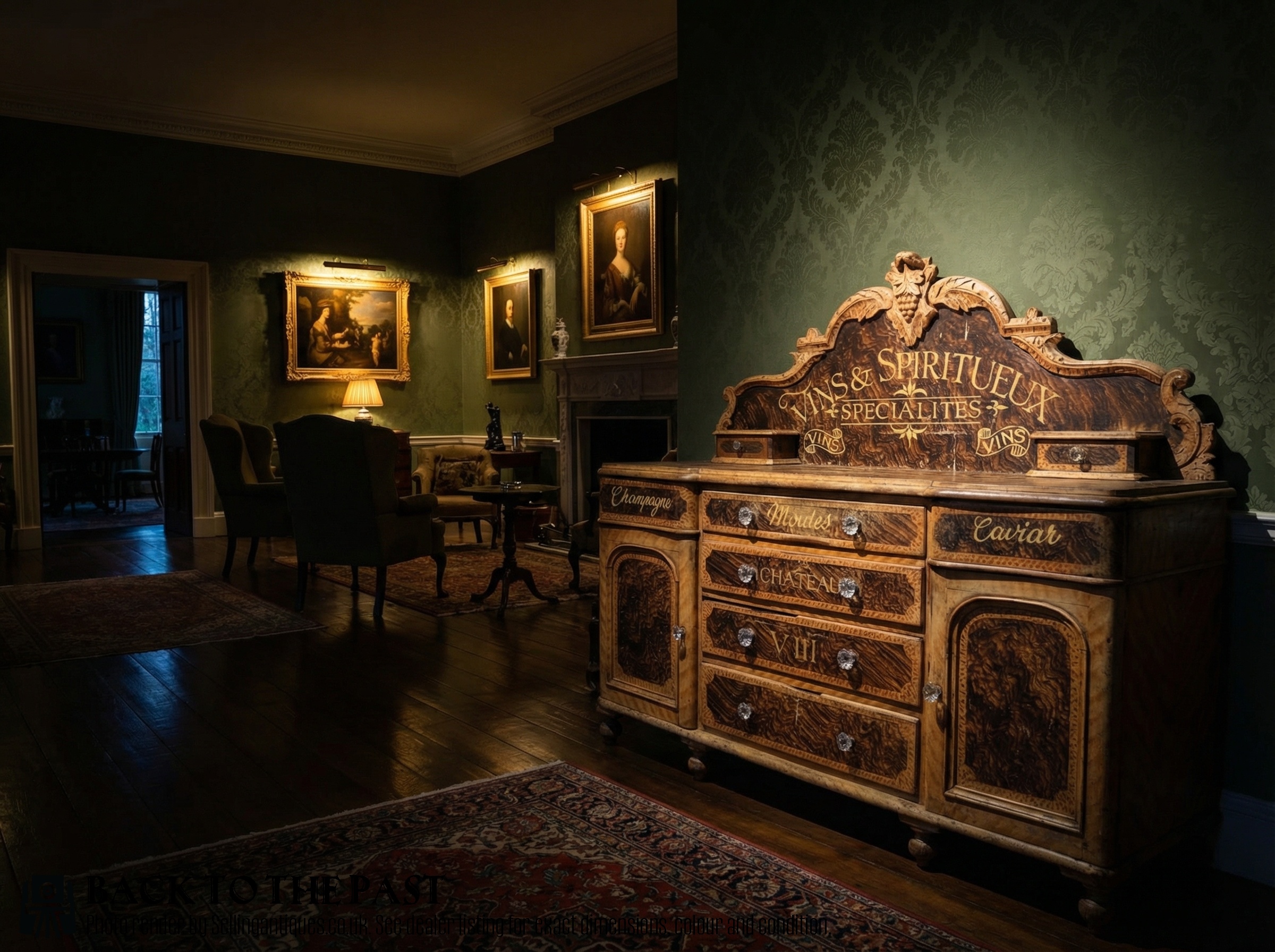
Painted Wooden Sideboard
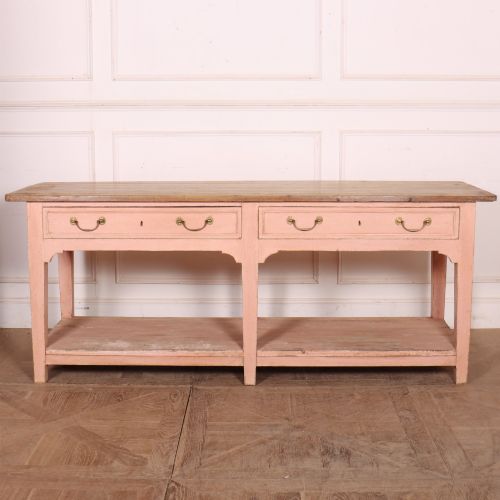
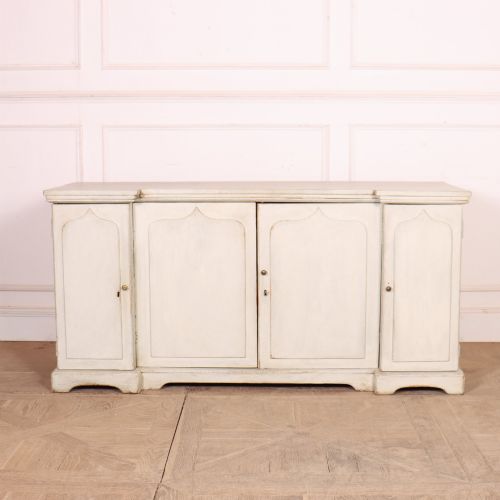
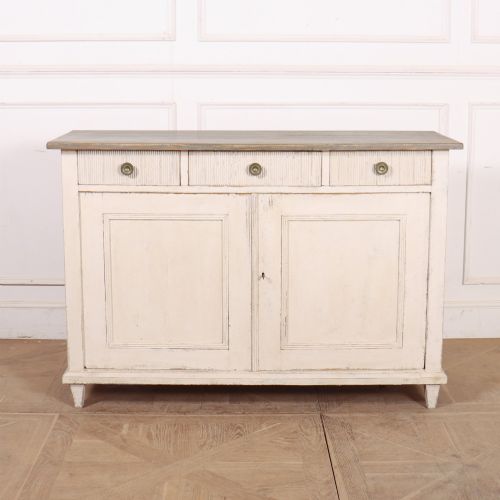
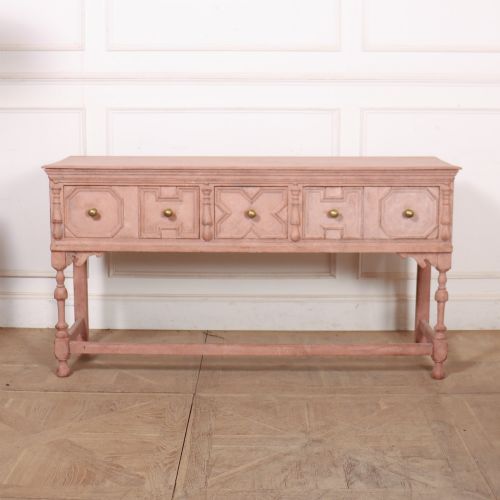
A painted wooden sideboard spans functional dining furniture, kitchen dressers without top racks, servers, and low cabinets designed for storing household provisions and table linen. When exploring a painted wooden sideboard, you encounter forms ranging from English potboard dresser bases and country house servers to continental buffets, commodes, and cupboards.
The pieces present provincial styles including English country, French provincial, Scandinavian country, and rustic farmhouse, alongside occasional Victorian and 1930s examples. Construction materials lean heavily towards pine, oak, and mixed woods, finished in original paint, lacquering, or plain surfaces awaiting decoration.
Origins stretch across Britain, France, Italy, Scandinavia, Hungary, China, and Tibet, reflecting local domestic traditions in storage furniture. The selection relies primarily on nineteenth-century craftsmanship, alongside eighteenth-century and early twentieth-century examples.
Materials and construction methods
Makers built these pieces using solid timbers such as pine, oak, and other regional woods, assembled with traditional joinery like pegged mortise and tenon frames, dovetailed drawers, and panelled backs. Iron and brass fittings, including drop handles, hinges, and escutcheons, secure the doors and drawers across utility and serving forms.
Surface finishes involve layers of paint applied directly to the wood, sometimes showing original or historic decoration such as floral motifs or distinct regional colour palettes. Certain pieces feature lacquered or hand-painted details, while others utilise bare pine surfaces prepared for wax or paint application.
Painted Wooden Sideboard Retail Price Guide 2026
Typical asking prices for painted wooden sideboard among the pieces listed under this phrase on Sellingantiques today, from the lower quarter to the upper quarter. They describe what is for sale here now, not the wider market.
The furniture originates from diverse regions including Britain, France, Italy, Scandinavia, Hungary, China, and Tibet.
Factors distinguishing quality
The integrity of the timber framing and the survival of original surface finishes dictate the standing of an individual piece. Items retaining untouched early paintwork carry greater visual coherence than those stripped or repeatedly recoated over generations.
Proportion, regional joinery details, and hardware authenticity separate standard utility cupboards from finer vernacular or high-style decorative items. Well-executed hand-painted ornamentation or crisp provincial mouldings elevate the craftsmanship within each tradition.
The Painted Wooden Sideboard Glossary
- Dresser base
- The lower section of a traditional kitchen dresser, featuring cupboards and drawers beneath a flat serving surface without upper plate racks.
- Potboard
- An open lower shelf built into a dresser base or serving table, traditionally used for storing pots and heavy kitchen utensils.
- Enfilade
- A long sideboard or buffet featuring a sequence of doors in a continuous line, commonly found in continental dining furniture.
- Confiturier
- A small French cupboard originally designed to store jars of confit, typically constructed in pine with a single door and drawer.
- Commode
- A low chest of drawers or cabinet on short legs, originating in France and adopted across European furniture traditions.
- Campaign chest
- A portable cabinet made in sections with brass corners and recessed handles, designed for military transport.
Painted Wooden Sideboard: Frequently Asked Questions
What rooms suit a painted wooden sideboard best?
These sideboards function effectively in dining rooms and kitchens for storing tableware, linens, and serving dishes.
They also sit comfortably in hallways and living spaces where surface display and enclosed storage are required.
How do I care for original painted finishes?
Dust the surface regularly with a soft, dry cloth to prevent dirt accumulation on historic paint layers.
Avoid liquid cleaners, abrasive sponges, and direct sunlight to protect the pigment and timber from fading or moisture damage.
How can I tell an eighteenth-century piece from a nineteenth-century one?
Earlier pieces from the eighteenth century typically display hand-split timbers, pegged joinery, and specific regional moulding profiles.
Nineteenth-century examples often incorporate machine-sawn elements alongside traditional hand assembly, reflecting changing workshop practices.
Can I use a dresser base as a kitchen island?
Dresser bases with enclosed storage and solid wooden tops serve adequately as freestanding preparation or serving surfaces in large kitchens.
Consider the working height and clearance around the piece to ensure comfortable daily use.