
Traditional Dutch Wall Art
Traditional dutch wall art brings centuries of oil painting traditions, landscapes and still life compositions into modern interiors.
Traditional Dutch Wall Art
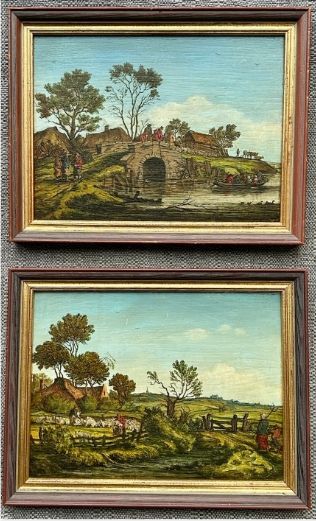
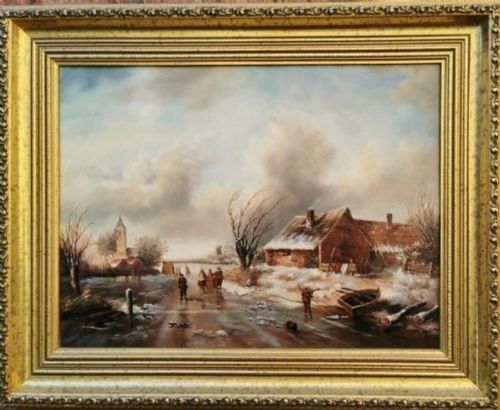
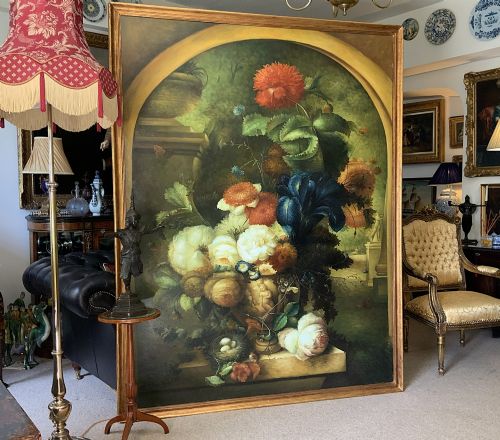
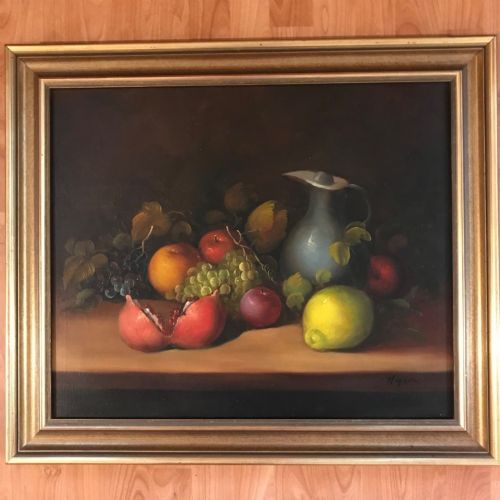
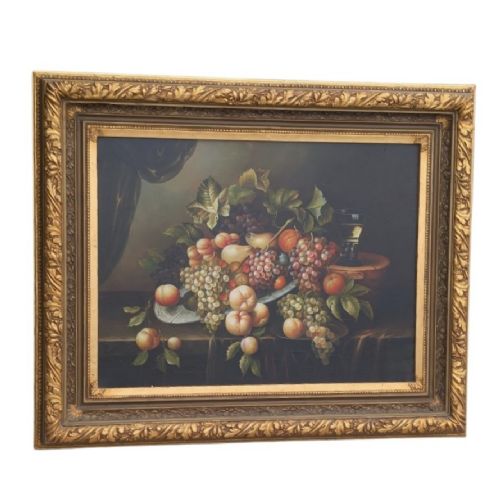
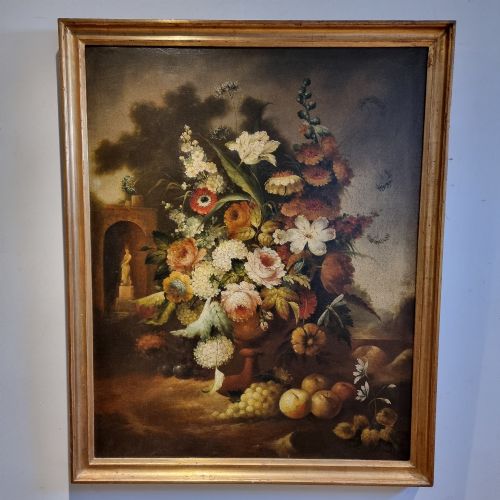
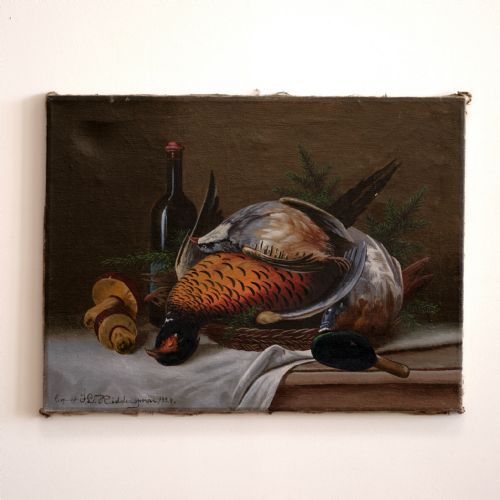
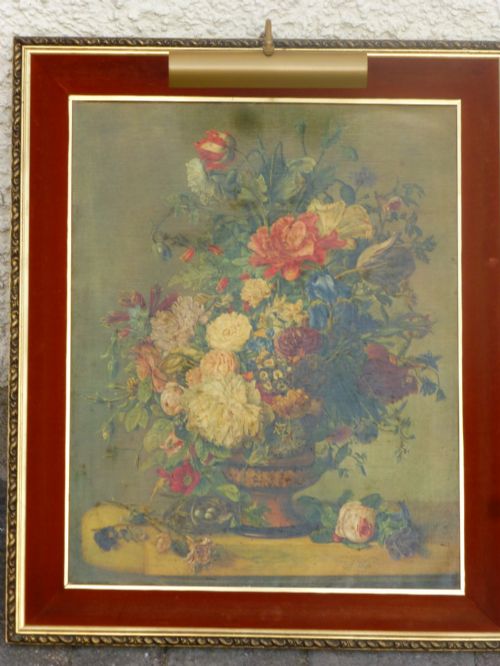
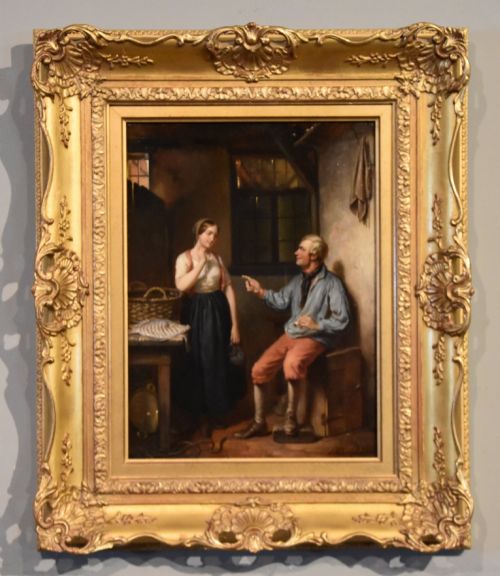
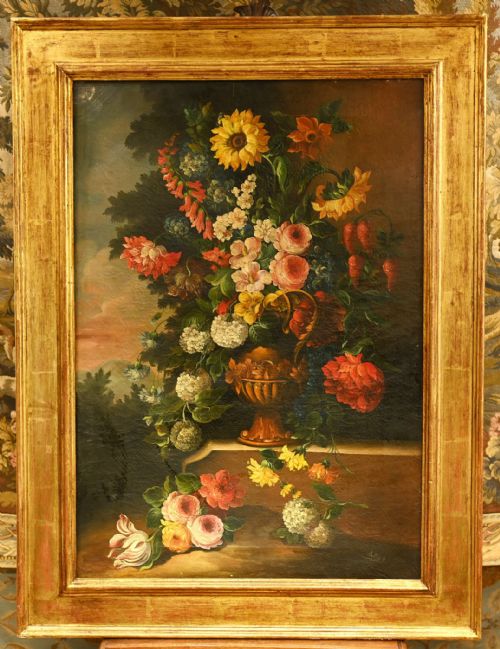
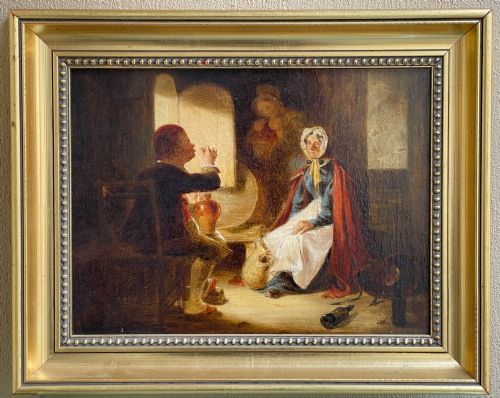
Traditional dutch wall art encompasses oil paintings on canvas and wood panels, spanning centuries from the seventeen-hundreds through to the nineteen-sixties. Buyers encounter floral still life compositions, winter landscapes, tavern interiors, and rural scenes reflecting distinct historical eras.
The selection ranges from seventeenth-century works and eighteenth-century baroque pieces to nineteenth-century realists and twentieth-century revivals. Canvases often arrive within elaborate gilt gesso frames that match the period of the painting.
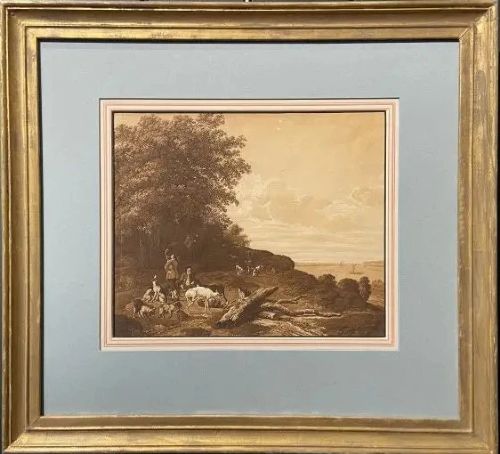
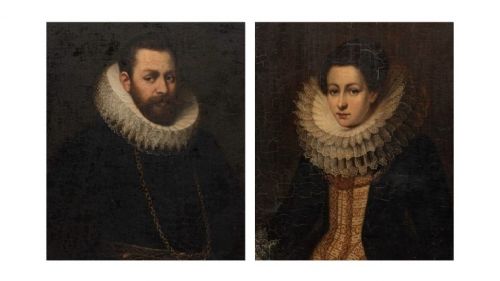
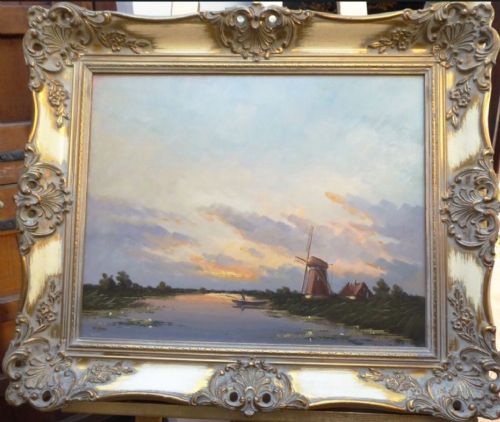
Portraits of noblemen, agricultural landscapes with windmills, and game paintings form the core of these offerings. Domestic animal scenes and river views complete the variety typically found in this category.
Materials and methods
Artists painted primarily with oil paint on prepared canvas or timber wood panels. Some mid-century works utilise board or incorporate oleograph techniques.
Frames utilise gold leaf, gesso, and carved giltwood to complement the oil paintings. Timber panels often consist of oak or other stable woods suited for pigment application.
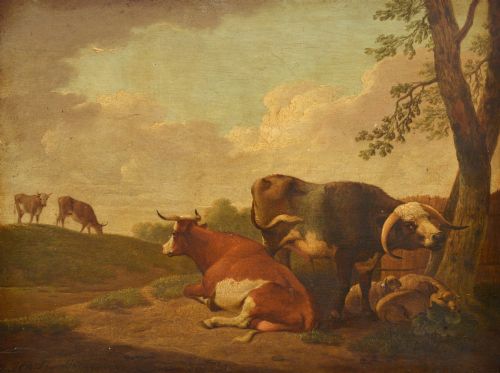
Several centuries of dutch artistry captured ducks, sheep, cattle, and even dogs caught in the act of stealing food from baskets.
Distinctions in quality
Quality rests upon the execution of detail, such as the intricate rendering of ruff collars in portraits or the precise botanical accuracy in floral still lifes. Brushwork depth and the subtlety of light in landscapes separate masterworks from derivative studio pieces.
The preservation of the original canvas and wood support influences the standing of a piece. Original frames featuring hand-carved gesso and genuine gilding elevate the overall integrity of the artwork.
Hendrik Willem Schweickhardt·Johannes Lingelbach·Jacob Akkersdijk·Frans Snyders·David Teniers·Thomas Bush Hardy·Willem Anton Alexander Knip·Johannes Philippus Galjaard·Rembrandt van Rijn·Terence Loudon·Jan Evert Morel·Constant Ludovic Artz
The Traditional Dutch Wall Art Glossary
- Oil on canvas
- Pigments bound in a drying oil applied to a woven fabric support. This technique allowed artists to blend tones smoothly and achieve rich luminosity.
- Gilt gesso
- A plaster-like material applied to wooden frames, then covered with gold leaf. It creates ornate, reflective borders suited to classical paintings.
- Still life
- An artwork depicting inanimate subject matter, typically food, fruit, or flowers. These compositions often symbolised the transience of life in historical European art.
- Wood panel
- A flat wooden board used as a rigid painting surface before canvas became dominant. Oak was frequently utilised for seventeenth-century works.
- Baroque style
- An artistic approach characterised by dramatic movement and clear detail intended to produce tension and grandeur. It heavily influenced seventeenth-century European painting.
Traditional Dutch Wall Art: Frequently Asked Questions
What subjects appear most often in traditional dutch wall art?
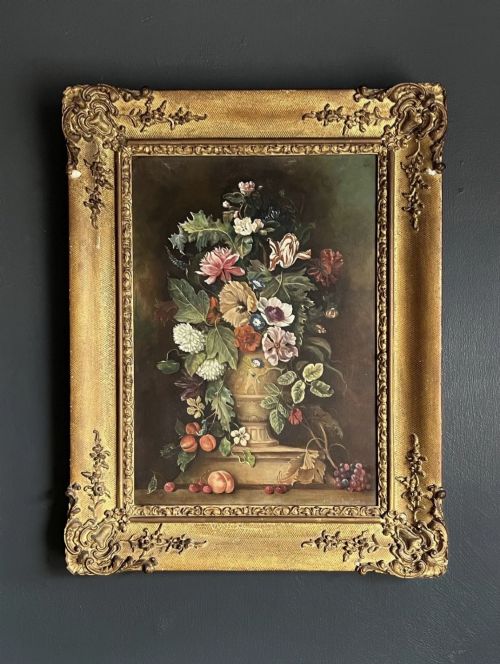
Floral compositions, botanical arrangements, and fruit displays dominate the still life category. Landscapes featuring windmills, rivers, and winter scenes also appear frequently.
Portraiture representing noblemen and ladies with ruff collars forms another major group. Tavern interiors and animal scenes complete the common subjects.
How do I identify the period of an oil painting?
Examination of the canvas, wood panel, and framing materials provides primary clues to the age of an artwork. Stylistic indicators like seventeenth-century baroque elements or nineteenth-century realism help place the piece.
Signature analysis and recorded artist lifespans offer precise dating boundaries when available. Frame construction often matches the era of the painting itself.
Where should I hang a large still life painting?
Large works require substantial wall space with stable environmental conditions away from direct heat sources. Dining rooms and living areas suit monumental floral still lifes and landscape canvases.
Proper wall anchoring is essential for heavier framed oil paintings on canvas or wood panels. Adequate lighting enhances the depth of the oil pigments.
Are these paintings created on canvas or wood?
Both mediums appear across the selection, depending on the century and the artist's preference. Seventeenth-century and nineteenth-century pieces often utilise wood panels alongside stretched canvas.
Twentieth-century works frequently employ standard canvas or board supports. Each material requires specific care regarding humidity and temperature.