
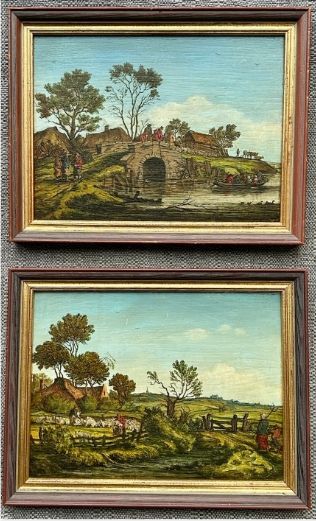
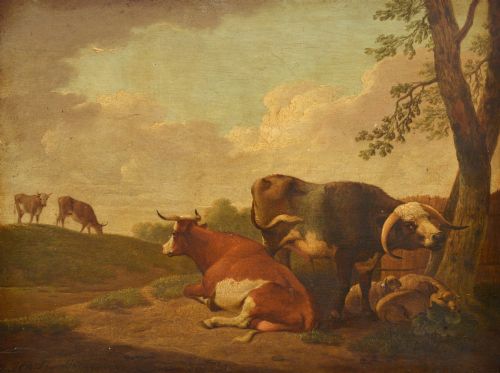
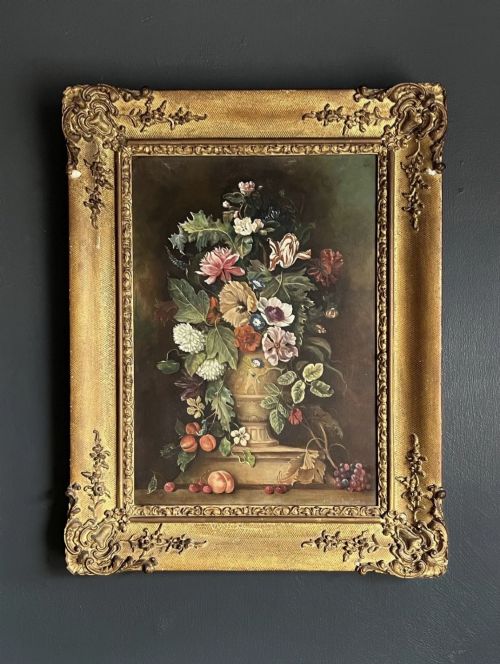
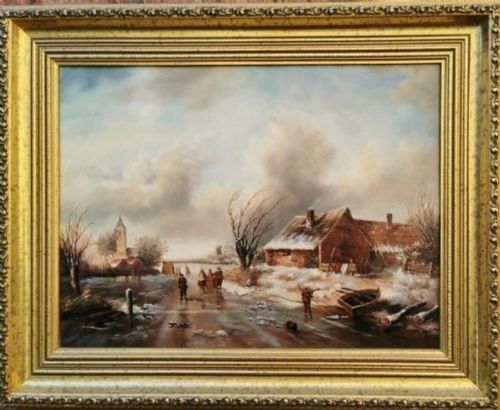
Traditional Dutch Painting
Traditional dutch painting comprises centuries of oil works on canvas, wood panels, and copper, capturing landscapes, interiors, and still lifes that anchor a room with historical depth.
Traditional Dutch Painting
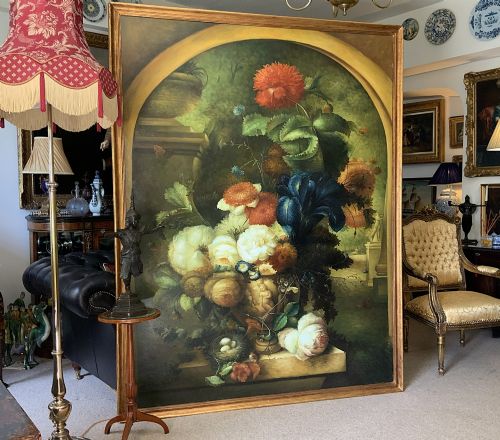
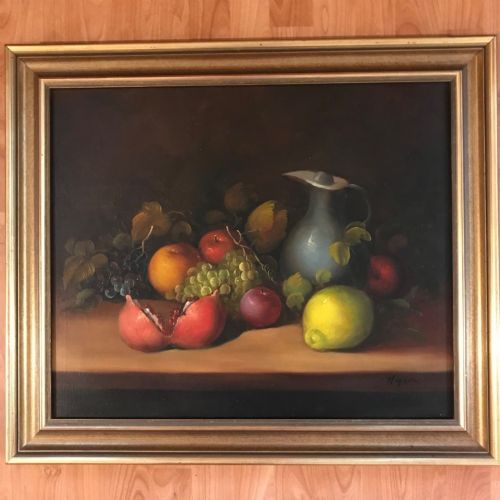
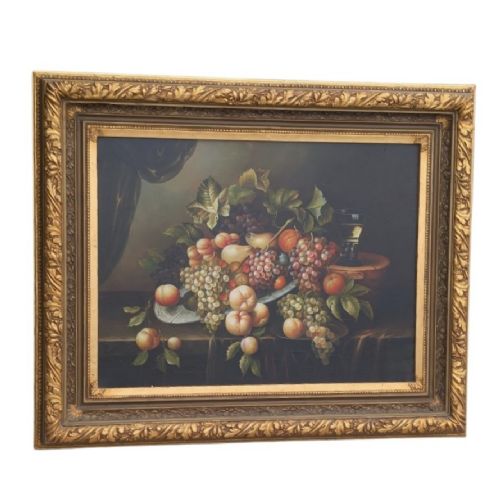
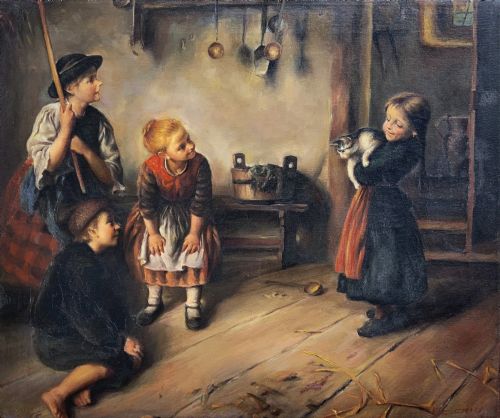
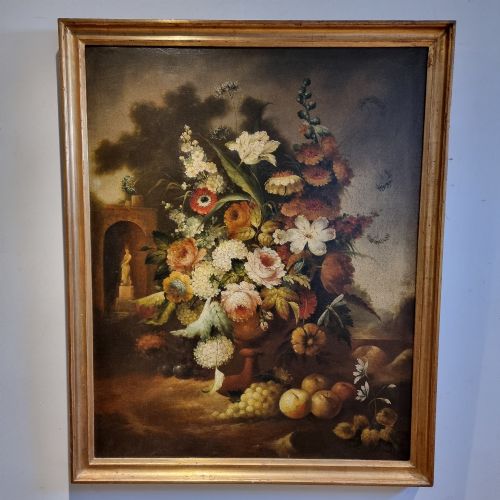
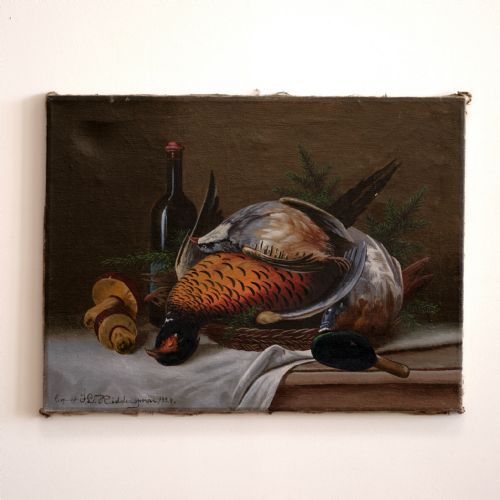
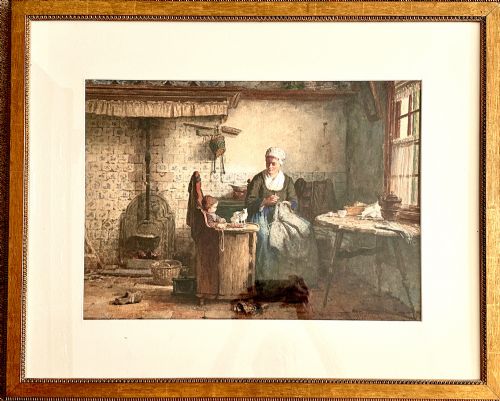
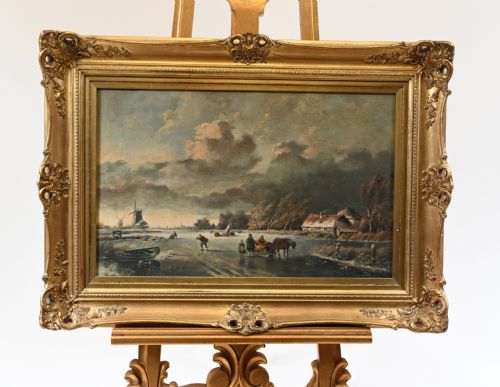
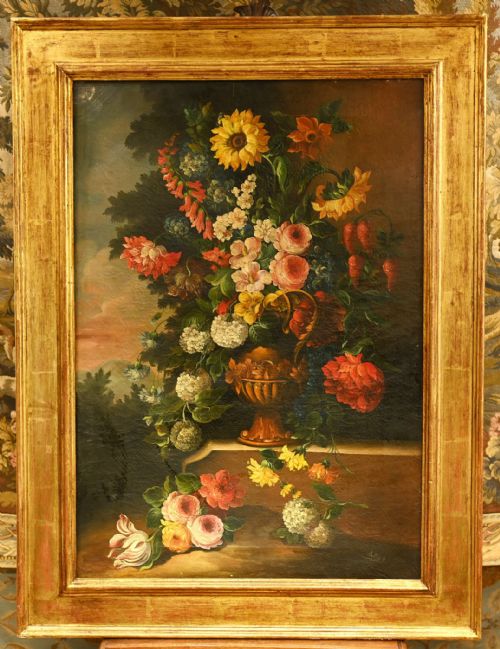
Traditional dutch painting encompasses a broad range of oil on canvas and wood panel artworks spanning from the seventeenth century through to the mid twentieth century. Buyers seeking traditional dutch painting encounter diverse subjects such as winter landscapes, tavern interiors, floral still lifes, and genre scenes of children or musicians.
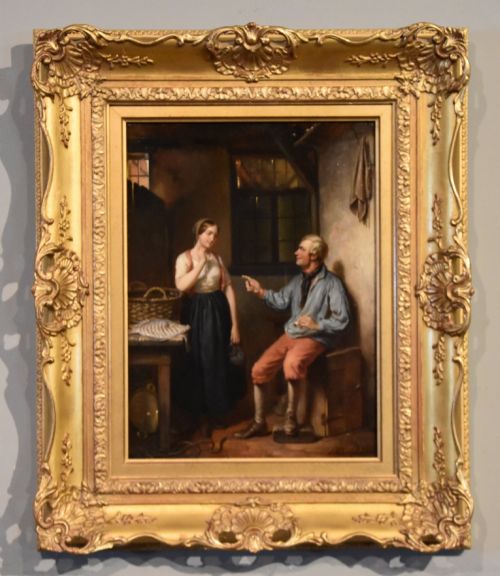
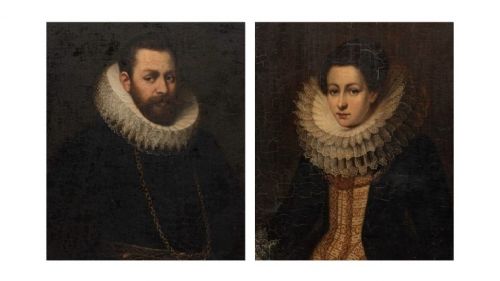
The selection extends beyond standard canvases to incorporate related forms like watercolour works on paper, framed floral compositions, and portraits set within gilt gesso frames. Many pieces reflect the enduring influence of the Dutch Golden Age, appearing both as period originals and later nineteenth century interpretations.
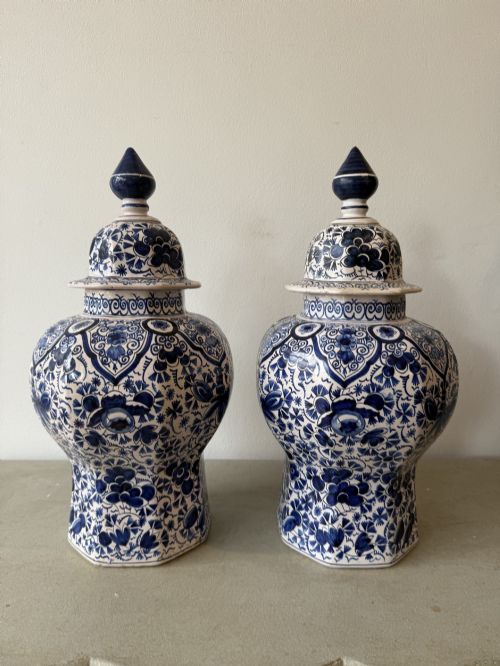
Alongside wall art, related domestic objects surface in these listings, including delft blue and white lidded vases, ceramic inkstands, and table lamps converted from pottery. These pieces share the palette and craft traditions associated with the broader painting category.
Materials and technique
Traditional dutch painting relies fundamentally on oil paint applied to prepared supports of canvas or wood panels, with occasional works executed on copper panels or via watercolour on paper. Painters built up depth through layered oils, capturing fine details in subjects ranging from intricate ruff collars to rustic landscapes.
Frames form an integral part of the physical object, often constructed from wood finished with gilt gesso to complement the richness of the painted surface. Ceramic pieces in the category utilise traditional delftware techniques, featuring blue and white tin-glazed earthenware and faience.
Dogs occasionally interrupt the domestic peace, stealing food straight from a wicker basket in seventeenth century scenes.
Elements of quality
Quality in traditional dutch painting rests upon the precision of brushwork, the handling of light and shadow, and the condition of the underlying canvas or wood panel. Superior examples display confident draughtsmanship in figures and naturalism in floral still lifes or landscapes.
The integrity of the frame also dictates overall standard, with original gilt gesso frames preserving the historical context of the artwork better than later replacements. Signed works and attributed pieces carry distinct advantages in provenance over unsigned studio outputs.
Hendrik Willem Schweickhardt·Hendrik Valkenberg·Jacob Akkersdijk·Frans Snyders·David Teniers·Willem Anton Alexander Knip·Johannes Philippus Galjaard·Rembrandt van Rijn·Hendrik Willebrord Jansen·Gerrit Dou
The Traditional Dutch Painting Glossary
- Dutch School
- A term denoting artists working in the Netherlands or following the stylistic traditions established by Dutch masters. This encompasses various centuries of regional artistic output.
- Gilt Gesso
- A mixture of paint binder and chalk applied to wood frames and gilded with metal leaf. It provides an ornate, reflective border for oil paintings.
- Genre Painting
- Artwork depicting scenes from everyday life, ordinary people, and domestic interiors. These pieces capture common activities rather than historical or mythological events.
- Wood Panel
- A rigid wooden support used by artists before canvas became dominant. Panels provide a stable, smooth surface for detailed oil painting.
Traditional Dutch Painting: Frequently Asked Questions
What defines a dutch golden age style painting?
These works emulate the lighting, dark backgrounds, and rich subject matter typical of seventeenth century Dutch art, such as floral still lifes or intimate domestic interiors.
They are created later as revivals or copies after masters like Rembrandt or Gerrit Dou, using traditional oil techniques on canvas or wood.
How can I tell wood panel paintings from canvas?
Wood panels offer a rigid, completely flat support for oil paint, whereas canvas has a flexible textile weave that often shows texture under the pigment.
Panels require careful inspection for natural wood movement and shrinkage over the centuries.
Are delft vases considered part of this category?
Yes, blue and white delftware pieces appear alongside paintings because they share the aesthetic and historical origins of the Dutch decorative arts tradition.
Items like lidded vases and inkstands bring the characteristic cobalt palette into three dimensions.