


19th Century Dutch Artwork
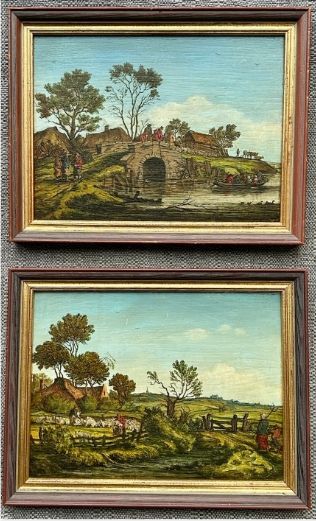
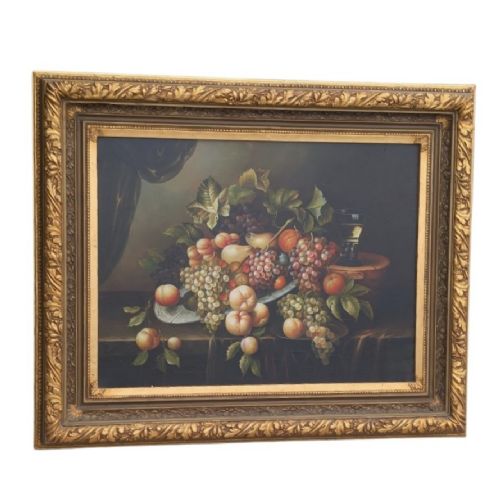
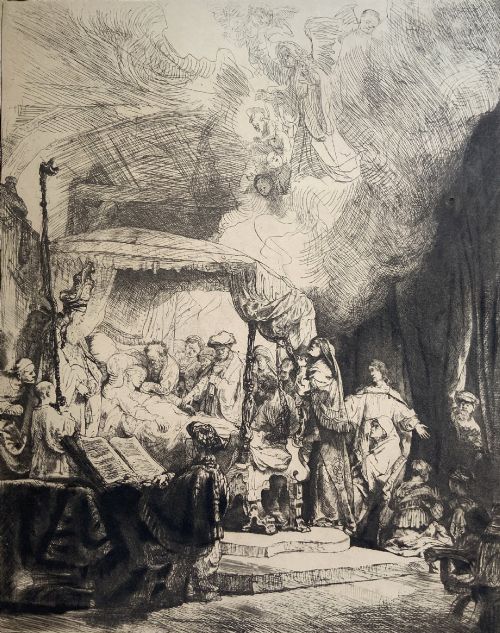
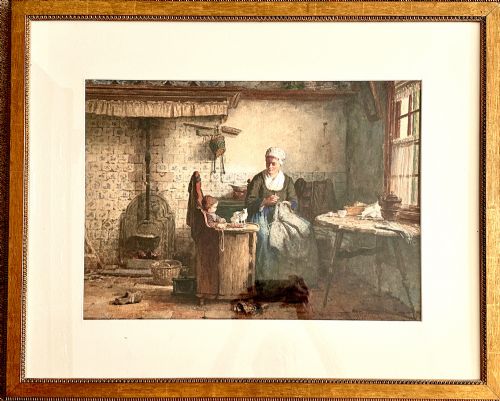
These 19th century dutch artwork pieces comprise oil paintings, watercolours, and etchings capturing maritime scenes, winter landscapes, and intimate domestic interiors.
19th Century Dutch Artwork
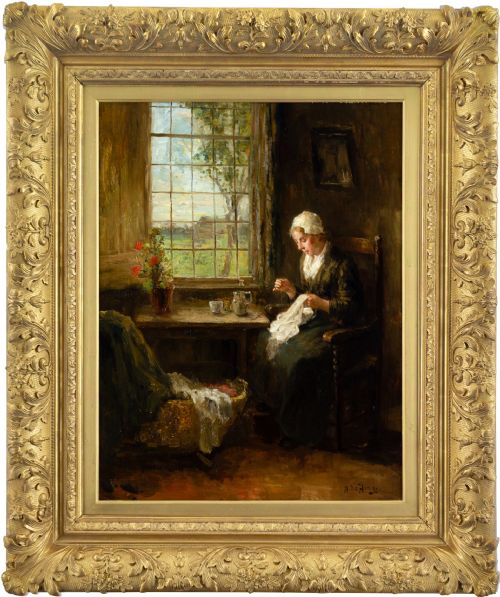
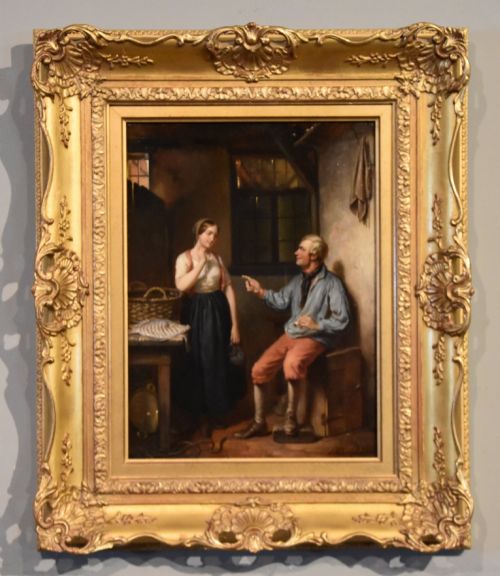
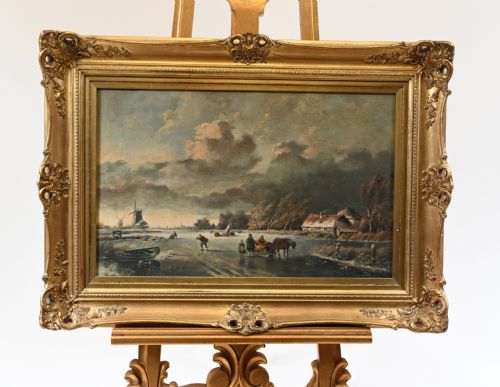
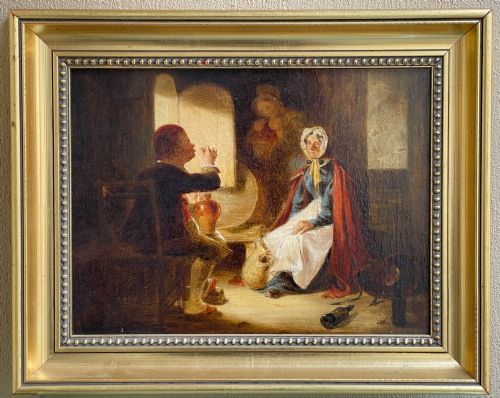
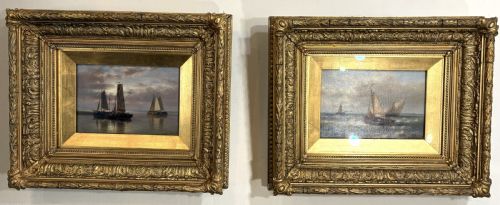
When you search for 19th century dutch artwork, you encounter oil paintings, watercolours, and etchings spanning from the early decades through to the Victorian era. These works frequently capture maritime scenes with sailing boats off the coast, frozen winter landscapes with figures on ice, and quiet tavern or domestic interiors.
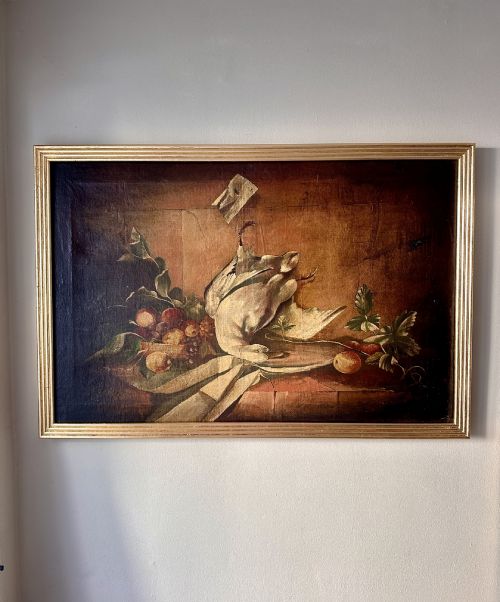
The selection ranges from detailed portraiture of fisher girls and spinners to still lifes featuring game and fruit. Pieces align with recognised movements such as the Hague School, Dutch Realism, and Dutch Romanticism, often presented within giltwood frames.
Works appear on various supports including canvas, wood panels, paper, and board. Many pieces bear signatures from listed artists, whilst others reflect broader regional schools or follow the manner of earlier Dutch masters.
How they were made
Makers utilised oil paint applied to canvas, wood panels, or board, building up texture and depth through layered brushwork. Watercolours on paper capture lighter, more atmospheric coastal and townscape views.
Framing often involved gilt wood or giltwood mouldings that complement the palette of the paintings. Etchings demonstrate detailed ink transfer techniques onto paper supports from the period.
Materials commonly recorded include oil paint, canvas, giltwood, and paper, reflecting traditional nineteenth-century artistic practices.
What varies in quality
Quality separates through the finesse of brushwork, the precision of light and shadow in interior and landscape scenes, and the preservation of the original pigment and support. Signed works by documented artists or members of established schools command greater recognition for their established provenance.
The intricacy of the subject matter, such as complex marine rigging or detailed still life arrangements of game and fruit, distinguishes finer examples. Furthermore, the condition of the canvas, wood panel, or paper, alongside the integrity of any associated giltwood frame, influences the standing of the piece.
Hendrik Valkenberg·Bernard De Hoog·Abraham Hulk I·Pieter Cornelis Dommersen·Thomas Bush Hardy·Constant Ludovic Artz
The 19th Century Dutch Artwork Glossary
- Hague School
- An art movement from the second half of the nineteenth century in the Netherlands, heavily influenced by the realism of the French Barbizon school. Painters in this group often depicted everyday rustic scenes and atmospheric landscapes in subdued tones.
- Oil on Canvas
- A traditional painting technique where oil-based pigments are suspended and applied to a stretched fabric surface. This combination allows for rich blending and textured impasto effects.
- Giltwood
- Wood that has been treated with a thin layer of gold leaf or gold paint. Frames utilising this finish were commonly used to accent nineteenth-century paintings.
- Etching
- A printmaking process where lines are incised into a metal plate with acid before ink is applied and transferred to paper. This method allows for fine, highly detailed graphic artwork.
- Dutch School
- A collective term for the stylistic traditions originating from the Netherlands across various centuries. Works in this lineage emphasise observation of light, daily life, and natural scenery.
19th Century Dutch Artwork: Frequently Asked Questions
What subjects are most common?
Maritime views with sailing boats, frozen winter landscapes with figures, and domestic or tavern interiors appear frequently across these works.
Still life compositions featuring game and fruit, alongside portraits of fisher folk, also form a significant portion of the available pieces.
How do I identify the period?
Dating relies on stylistic markers associated with the nineteenth century, including the influence of the Hague School and traditional realism.
Signatures, artist dates, framing styles, and the specific composition of pigments on canvas or wood panels help confirm the era.
Are these works signed by artists?
Many pieces carry visible signatures or attributions to recognised nineteenth-century painters, while others represent the broader continental or regional schools.
Documentation on panels and canvases often assists in connecting unsigned works to specific artistic circles of the period.
What supports were used?
Artists utilised oil paint on stretched canvas, wooden panels, and boards, alongside watercolours on paper.
Printmakers employed paper for detailed etchings, often pairing these works with period mounts and frames.