



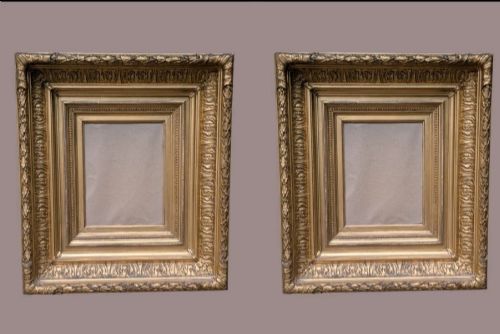
Gold Leaf Wood Frame
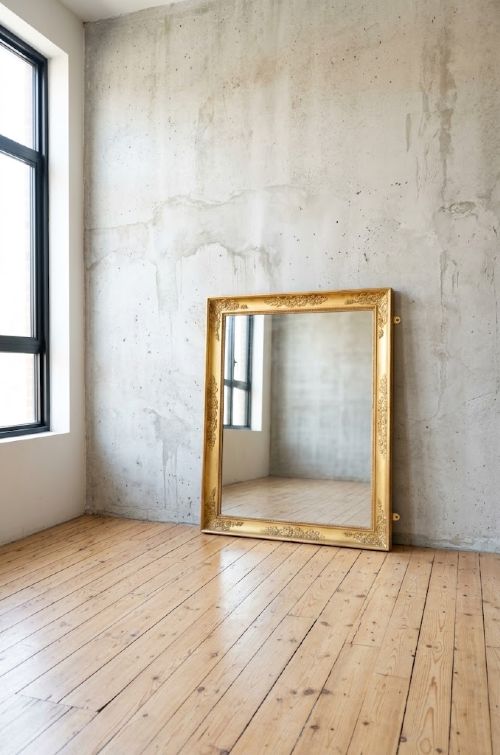
A gold leaf wood frame brings warmth and reflected light to a room, carrying the weight of centuries through carved gesso and polished gilding.
Gold Leaf Wood Frame
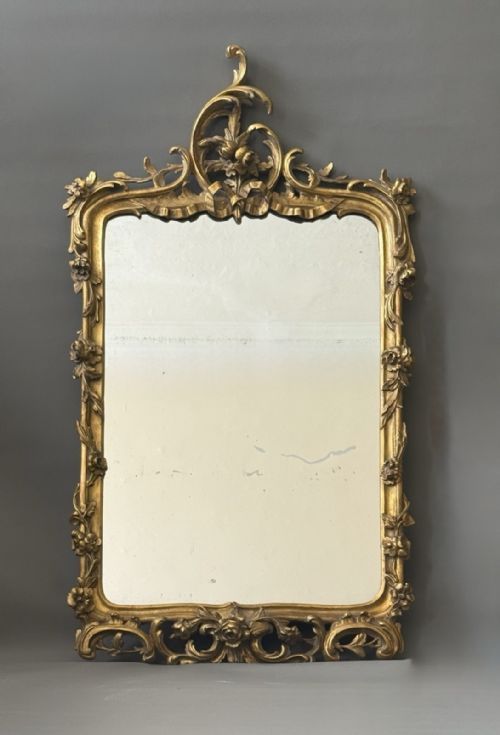
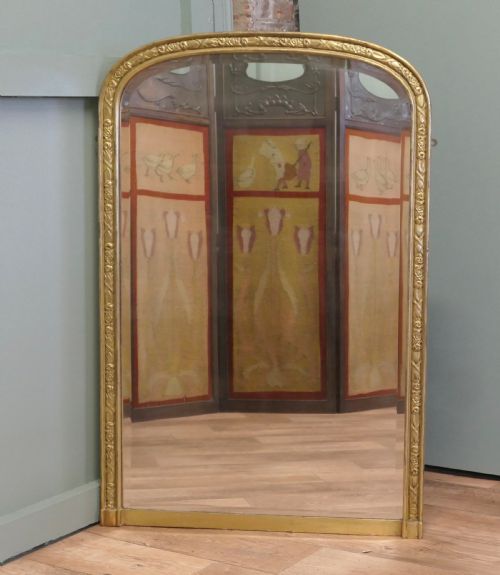
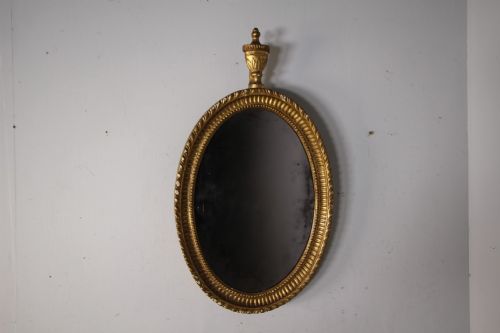
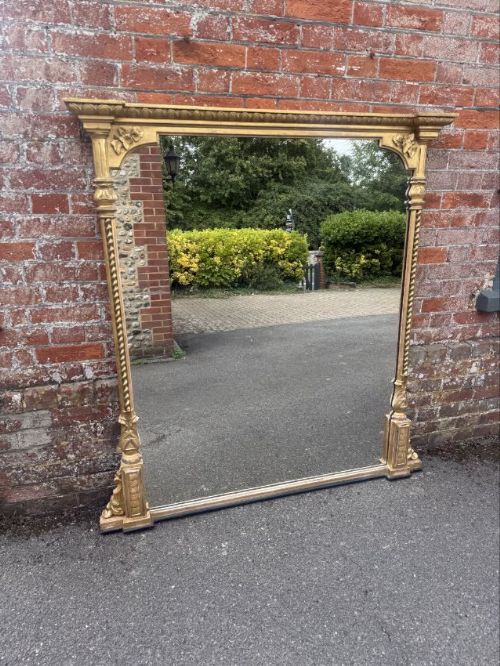
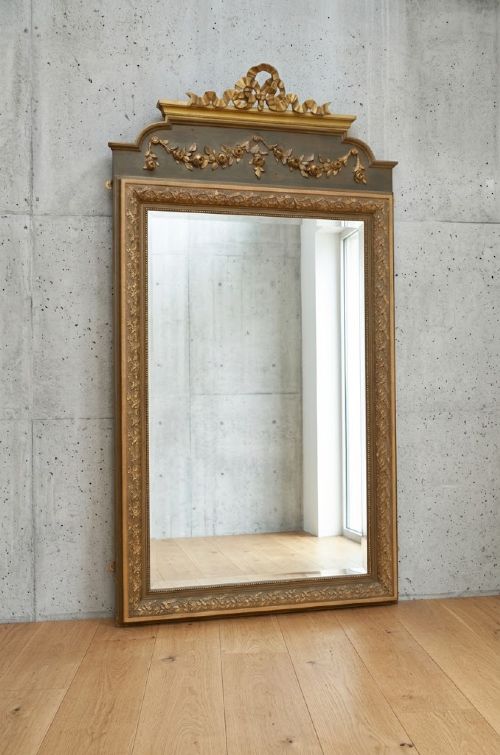
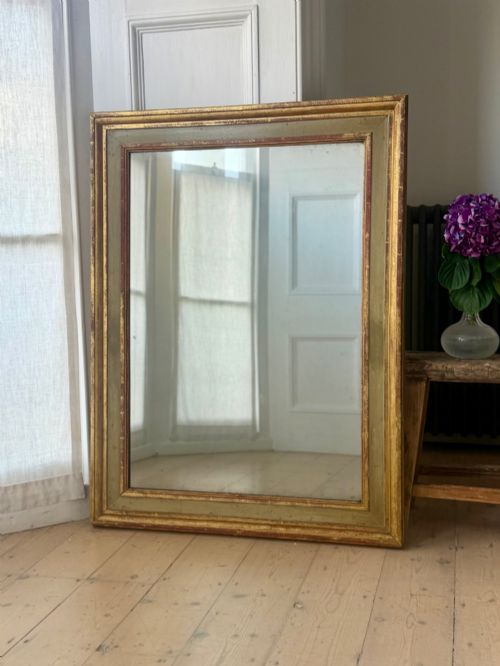
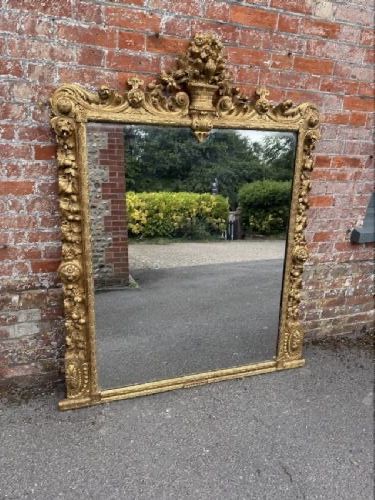
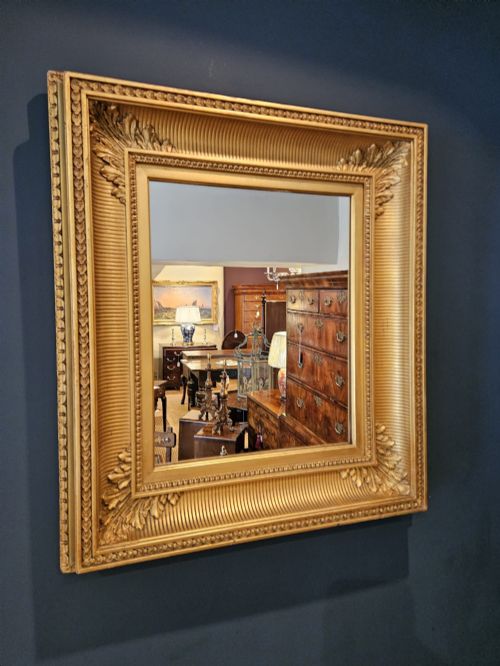
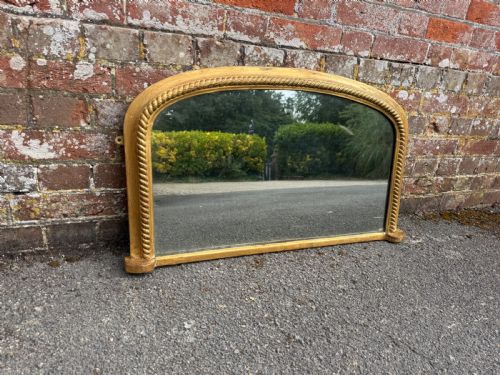
When you search for a gold leaf wood frame, you encounter a selection of mirrors, artwork surrounds, and overmantel pieces spanning the eighteenth and nineteenth centuries. These objects range from restrained Georgian ovals to large Victorian and French mirrors carved with acanthus leaves, ribbon crests, and rope twists.
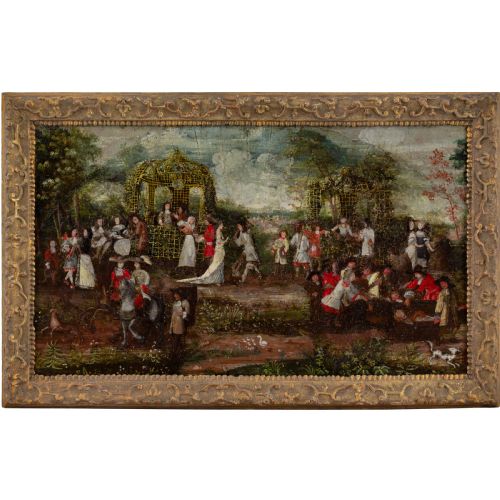
The most common form met on this page is the large wall or overmantel mirror designed to anchor a principal room. Alongside these hang smaller picture frames, oil paintings, and occasional seating items sharing the same gilded finish.
How they were made
Wood carcasses of pine, walnut, or timber were shaped and joined before receiving layers of gesso to build up the relief for carving. Artisans then applied thin sheets of gold leaf or giltwood over the prepared surface, securing the metallic layer by hand.
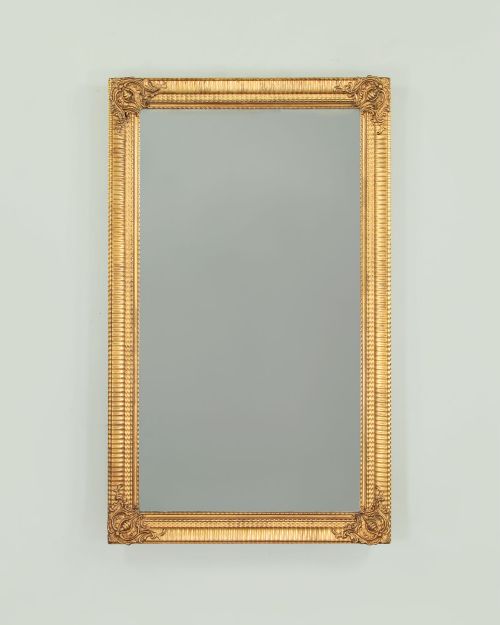
Mirrored components often utilise antique plate or mercury glass, which develops characteristic foxing over time. Frames display hand-carved detailing such as ribbed borders, floral motifs, and cushion profiles shaped directly into the wood or moulded in gesso.
Masonic symbols occasionally peer out from behind the gilding, reminding buyers that nineteenth-century mirrors sometimes held secret allegiances.
What varies in quality
Depth and crispness of the carving distinguish finer examples from simpler production, particularly where acanthus leaves, mythological figures, and rope twists meet the eye. The integrity of the original gesso and the warmth of the surviving gilding separate pieces that retain their architectural presence from those with heavy losses.
Proportion and scale dictate the visual impact of an overmantel or wall mirror within a domestic interior. Pieces featuring untouched antique mercury glass plates command greater appreciation among collectors than later replacement glass.
Joseph Clover RA·Charles Hunt
The Gold Leaf Wood Frame Glossary
- Giltwood
- Wood that has been coated with gold leaf or gold paint. This material forms the primary surface of most antique frames and mirrors on this page.
- Gesso
- A plaster-like mixture applied to wood carcasses to create a smooth surface for carving and gilding. It allows for intricate relief decoration such as scrolls and floral motifs.
- Overmantel mirror
- A large mirror specifically proportioned to hang above a fireplace mantelpiece. These pieces often feature arched tops or column frames.
- Mercury glass
- A double-walled glass blown piece silvered between the layers with a liquid mercury amalgam. It produces a soft, mottled reflection typical of older mirrors.
- Ripple frame
- A frame featuring concentric undulating wave patterns carved into the wood. This style gained popularity during the nineteenth century for housing paintings and prints.
Gold Leaf Wood Frame: Frequently Asked Questions
How do I date a gold leaf frame?
Dating relies on observing the timber species, the construction of the corners, and the composition of the gesso beneath the gold leaf. Georgian and Victorian pieces exhibit distinct joinery methods and carving styles that reveal their period of origin.
Examining the backboards and fixings provides further clues. Hand-cut screws, older panel construction, and the type of glass or canvas held within help narrow down the decade of manufacture.
What is mercury glass in old mirrors?
Mercury glass refers to a double-walled blown glass object silvered with a mercury solution rather than modern aluminium. This historic technique creates a dark, atmospheric reflection.
Over the decades, the silvering deteriorates unevenly, resulting in foxing spots and dark patches. Collectors prize this aged appearance for the authentic historic character it brings to a room.
Can damaged gold leaf be repaired?
Minor losses to gesso and gold leaf can be retouched or regilded by a specialist conservator using traditional materials. Matching the new leaf to the surrounding aged patina requires skill and patience.
Extensive losses often remain untouched by collectors who prefer original surface wear over modern restoration. Stabilising the underlying wood and preventing further flaking takes priority over cosmetic fixes.