



Realist Portrait Artwork
Realist portrait artwork captures human presence with exact observation, offering an intimate window into past lives that anchors any room.
Realist Portrait Artwork
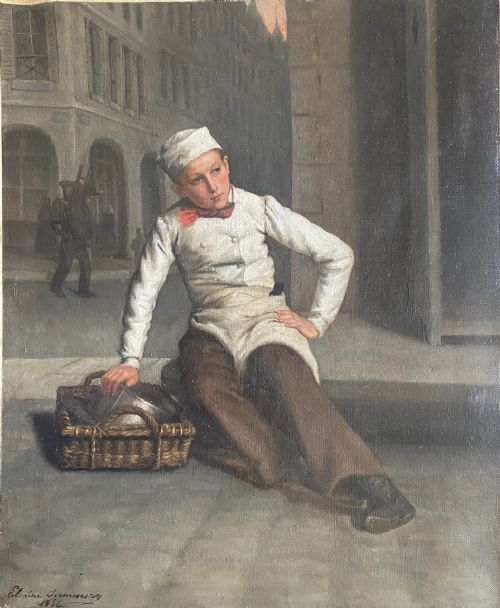
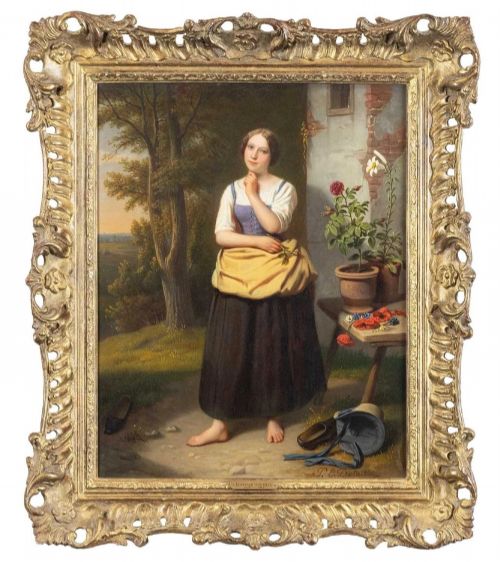
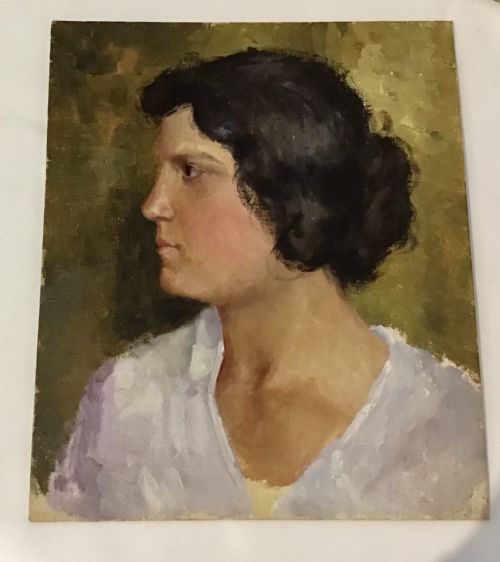
Realist portrait artwork focuses on depicting subjects with lifelike accuracy, ranging from domestic workers and artisans to children and women in contemplative moments. When searching for realist portrait artwork, buyers encounter various expressions of human character captured through precise observation.
The pieces on this page span several decades, featuring nineteenth-century academic realism, French realism, and mid-century British and Italian examples. Oil paintings on canvas dominate the selection, accompanied by occasional drawings in chalk, graphite, and pastel.
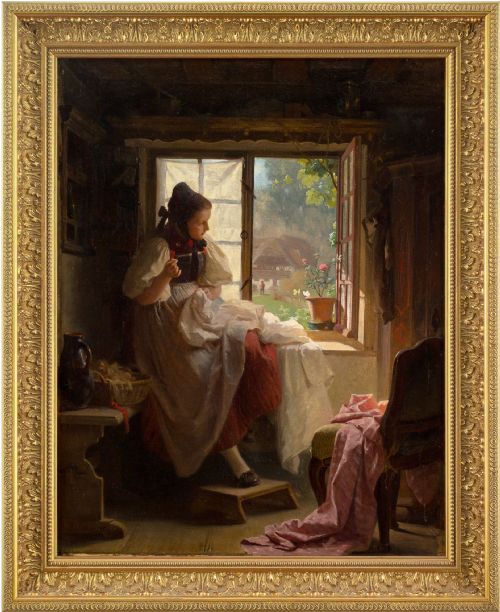
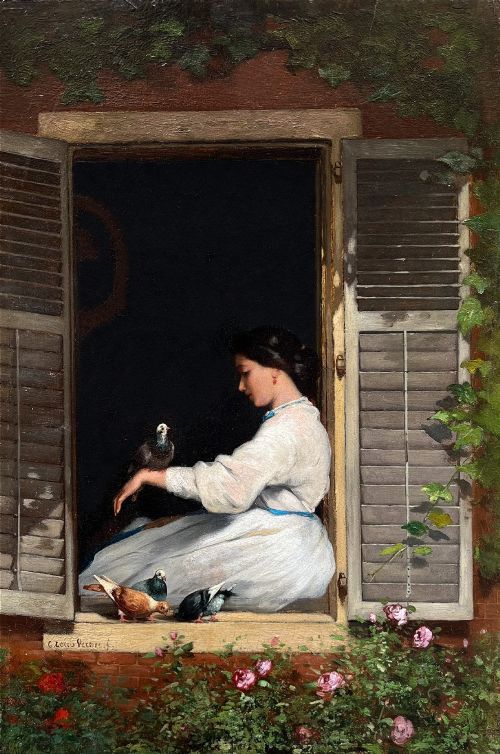
Subjects often include working people such as apprentice cooks, blacksmiths, and fisher girls, alongside informal domestic scenes like a girl sewing by a window. These works originate from British, French, Belgian, and Italian studios, reflecting diverse European traditions of observation.
Materials and technique
Artists built these compositions primarily using oil paint applied to canvas or wood board, employing layered brushwork to render skin tones, fabrics, and interior light. The physical support frequently includes period frames made of giltwood or gilt wood.
Works on paper utilise chalk, graphite, and pastel to achieve softer tonal gradations and immediate line work. These drawing techniques allow artists to record rapid studies of expression and gesture before developing larger studio paintings.
Realist Portrait Artwork Retail Price Guide 2026
Typical asking prices for realist portrait artwork among the pieces listed under this phrase on Sellingantiques today, from the lower quarter to the upper quarter. They describe what is for sale here now, not the wider market.
Several subjects brought their daily tools to the session, posing alongside artist brushes, piping pipes, and even working horses.
Assessing quality
Quality rests upon the artist's handling of light, anatomical precision, and psychological depth within the subject's expression. Superior works convey a distinct mood and narrative tension through careful modulation of tone and colour.
The integration of the figure within its surrounding environment distinguishes accomplished pieces from simpler decorative likenesses. Original framing in period giltwood further contributes to the integrity of the surviving object.
Max Kaltenmoser·Joseph Biel·Louis Charles Verwee·Lena Gurr·Arthur Todd·Federico Andreotti·Ralph Hedley·Maurice Wagermans·Robert Gemmell Hutchison
The Realist Portrait Artwork Glossary
- Academic realism
- A style rooted in the rigorous training of nineteenth-century European art academies, prioritising accurate draftsmanship and polished surface finishes.
- Giltwood
- Timber covered with a thin layer of gold leaf, commonly used for nineteenth-century picture frames.
- Pastel
- A dry medium made of powdered pigment and a binder, allowing for vibrant colour application on paper.
- Half-length portrait
- A compositional format showing the subject from the waist or hips up, focusing attention on the face and hands.
- Provenance
- The documented history of ownership that traces a work's origin and authenticity through time.
Realist Portrait Artwork: Frequently Asked Questions
How do I date an oil portrait?
Dating relies on stylistic markers, costume details, and the construction of the canvas stretcher and frame. Signature analysis and artist biographical records also provide precise chronological anchors.
Material evidence such as the weave of the canvas and the composition of the priming layers helps confirm the historical period.
What is the difference between oil and pastel portraits?
Oil paintings utilise suspended pigments in drying oils on canvas or panel, offering deep colour saturation and durability. Pastels use dry pigment sticks on paper, creating a velvety texture that requires protective glazing.
Oils permit extensive layering and reworking, whereas pastel drawings capture immediate gestural marks.
How should I hang portrait art at home?
Hang paintings at eye level in rooms with stable temperature and humidity away from direct sunlight. Proper wall placement protects both canvas fibres and giltwood frames from environmental stress.
Consider the surrounding lighting to bring out the subtle tonal shifts in realist skin tones and dark interiors.
Are these portraits original works?
The selection consists of original hand-painted canvases and unique drawings produced by studio artists. Each piece represents a singular creative act rather than a mechanical reproduction.
Signatures, exhibition labels, and canvas stamps help verify the authenticity of individual works.