

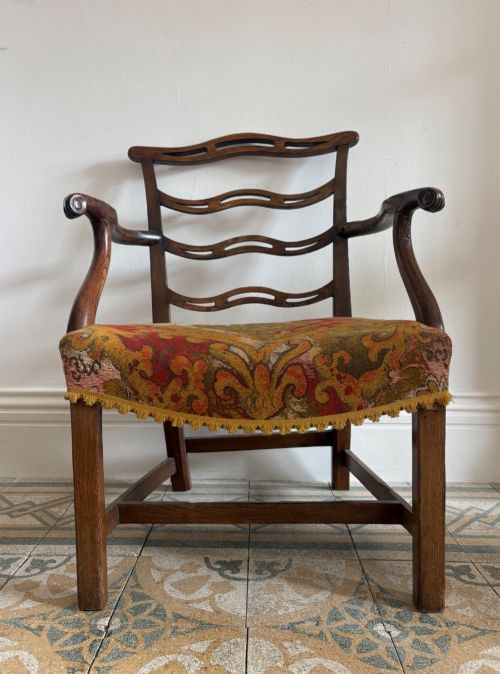
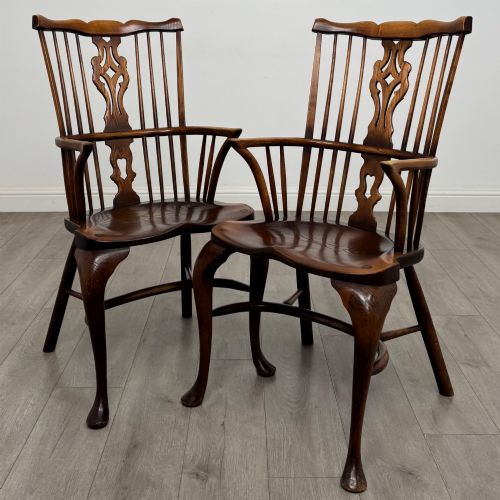
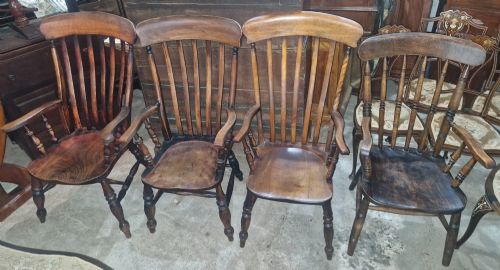
Traditional Country Carver Chair
A traditional country carver chair brings sturdy vernacular craftsmanship and warm native timbers directly into modern rooms.
Traditional Country Carver Chair
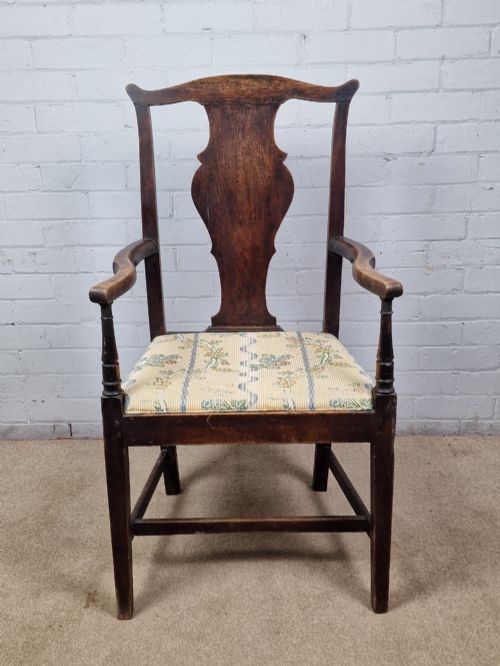
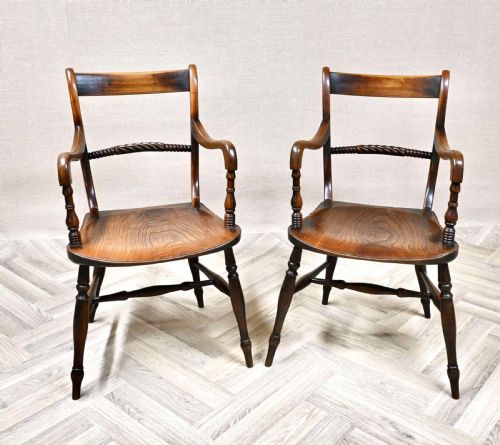
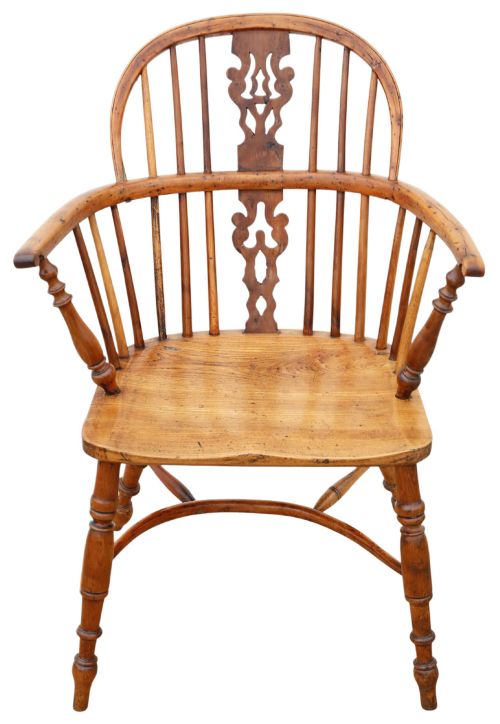
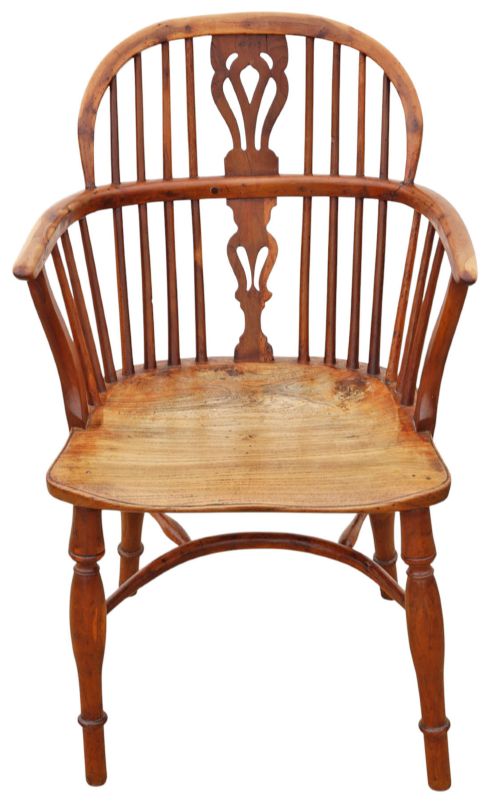
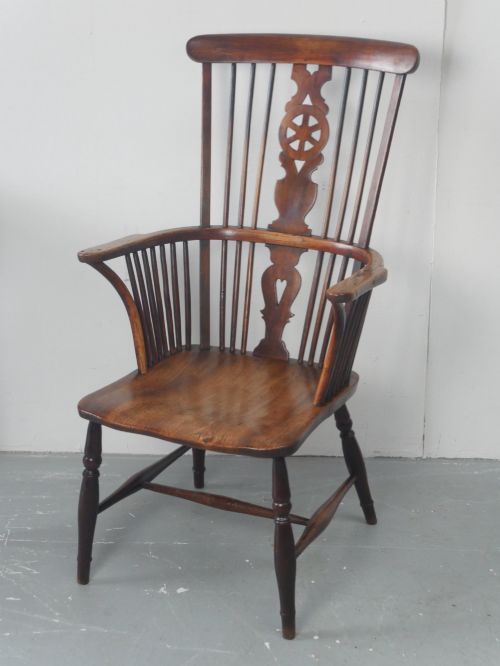
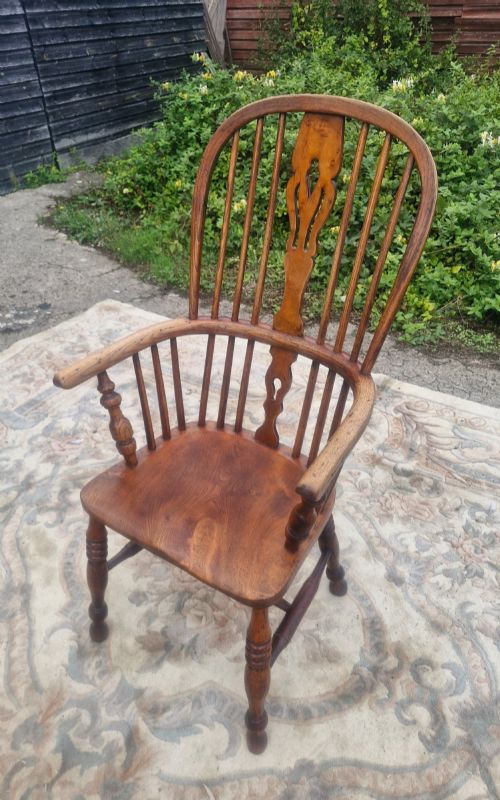
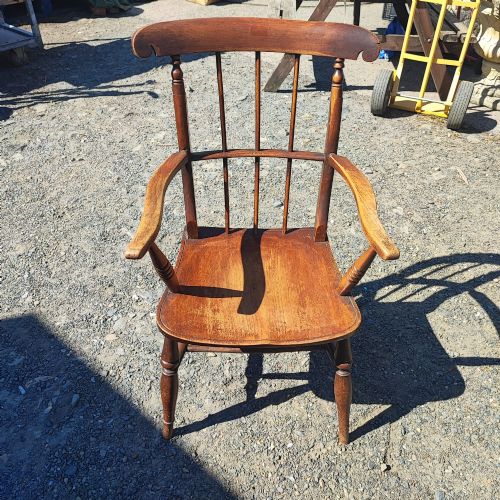
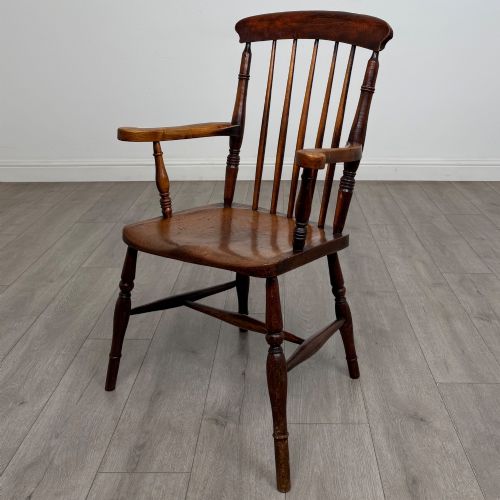
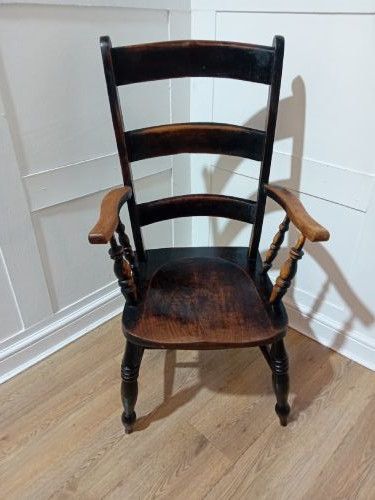
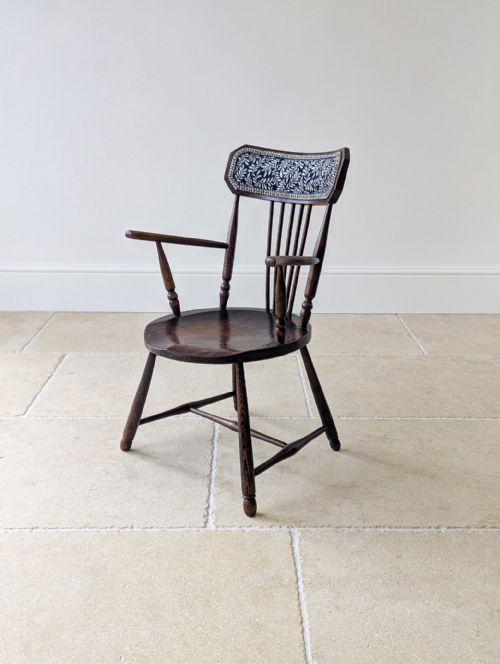
A traditional country carver chair is a substantial seating piece designed with armrests for the head of a table or domestic use. The versions appearing most often on this page belong to the Windsor and ladderback traditions, hailing primarily from the eighteenth and nineteenth centuries.
These rural seating forms include stick back, comb back, and wheelback configurations constructed in English workshops. Regional varieties such as Thames Valley and Lincolnshire chairs emerge alongside vernacular farmhouse armchairs.
Makers utilised native hardwoods to build these armchairs for daily domestic service rather than formal salons. The resulting forms combine straightforward joinery with ergonomic seating contours shaped by generations of vernacular woodworkers.
Materials and construction methods
Traditional makers combined contrasting native timbers to give structural strength and visual warmth to each traditional country carver chair. Elm frequently forms the generous saddle seats, while ash, beech, and yew provide flexible spindles, bow backs, and robust legs.
Makers employed green woodworking techniques, steaming and bending timber to shape continuous back bows and armrests. Component parts were then joined using wedge-tenon construction and traditional wedged mortises, creating a resilient framework without reliance on metal fixings.
Many an elm seat shows the distinct depression of a nineteenth-century farmer who sat so often his daily habits literally reshaped the timber.
Factors influencing quality in country seating
Quality in a traditional country carver chair rests upon the balance of timber selection and the retention of original surface patination. Examples fashioned from figured yew wood or displaying deeply dished elm seats demonstrate superior workshop execution.
Proportion and structural integrity separate standard utilitarian seating from finer regional pieces. Well-turned spindles, crisply carved wheelbacks, and untouched original finishes elevate certain vernacular carvers above ordinary farmhouse alternatives.
Philip Clissett
The Traditional Country Carver Chair Glossary
- Carver chair
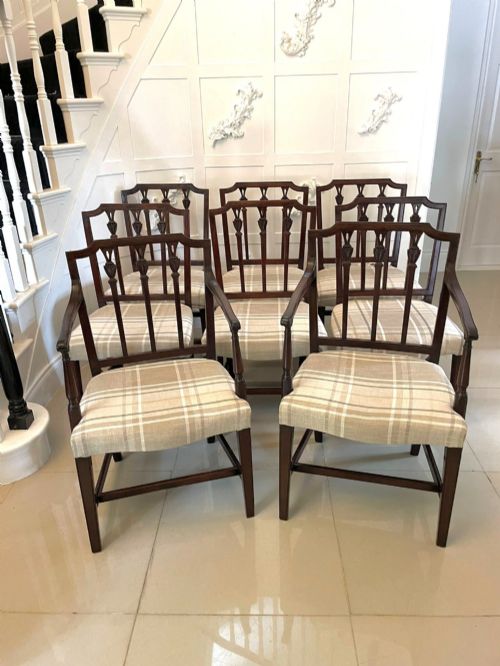
- An armchair designed with open sides to accommodate bulkier clothing or to serve as the principal seat at a dining table. These pieces often match sets of simpler dining chairs.
- Windsor chair
- A chair built with a solid wooden seat into which the legs, back, and armsticks are separately inserted. This construction method defines many traditional rural seating forms.
- Comb back
- A Windsor chair variation where the main vertical spindles rise to form a low headrest topped by a horizontal crest rail resembling a hair comb. This style dates primarily to the eighteenth century.
- Vernacular furniture
- Domestic objects made by regional craftsmen using local materials and traditional methods without formal metropolitan design influence. These pieces prioritise practical utility and regional character.
- Wheelback
- A Windsor chair design featuring a pierced wooden splat carved in the shape of a spoked cartwheel. This decorative motif gained popularity during the nineteenth century.
- Rush seat
- A seating surface woven from dried marsh rushes wound around a wooden frame. This traditional technique provides a resilient and textured base for ladderback and country armchairs.
Traditional Country Carver Chair: Frequently Asked Questions
What is a traditional country carver chair?
A traditional country carver chair is a sturdy wooden armchair built by regional craftsmen using native timbers like elm, ash, and yew. These utilitarian seats include Windsor and ladderback designs intended for daily domestic life.
Such chairs typically feature high stick backs, comb backs, or wheelback splats supported by solid wooden saddle seats. They represent generations of rural woodworking traditions across English counties.
How were these armchairs used originally?
These armchairs served as principal seating positions at farmhouse dining tables or beside hearths. The added armrests provided extra comfort for the head of the household during long winter evenings.
Their robust construction allowed them to withstand decades of heavy daily service in kitchens and cottages. They functioned as essential household implements rather than decorative drawing-room showpieces.
How do I place one in a modern home?
A traditional country carver chair suits modern dining tables as a pair of host chairs at either end. The warm tones of native elm and yew wood complement contemporary minimalist or rustic interiors alike.
These armchairs also function effectively as standalone accent pieces in hallways, bedrooms, or studies. Their organic shapes introduce natural texture and historic character into any living space.