



Victorian Rush Seat Chair
A victorian rush seat chair brings honest vernacular craftsmanship and woven texture into a modern interior.
Victorian Rush Seat Chair
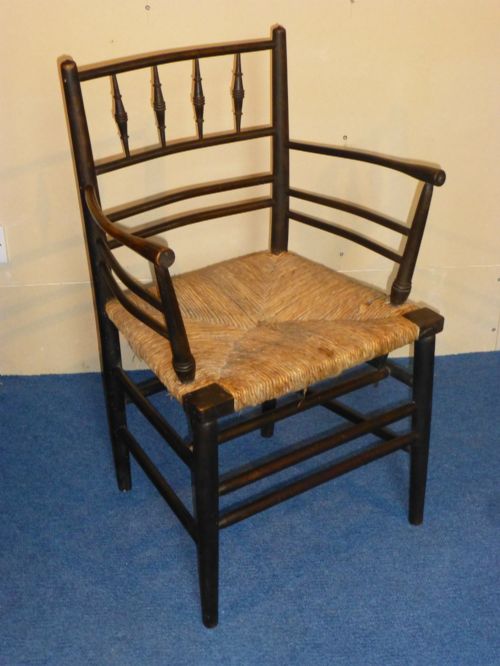
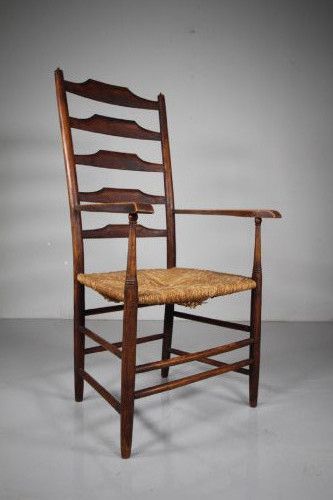
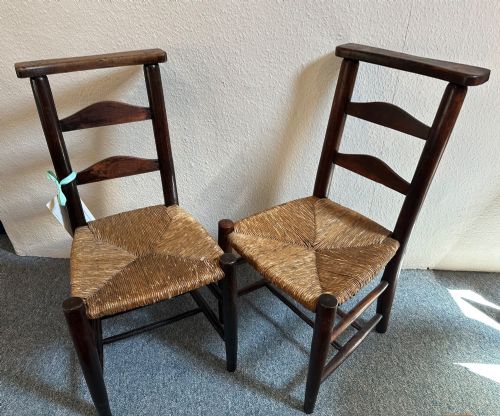
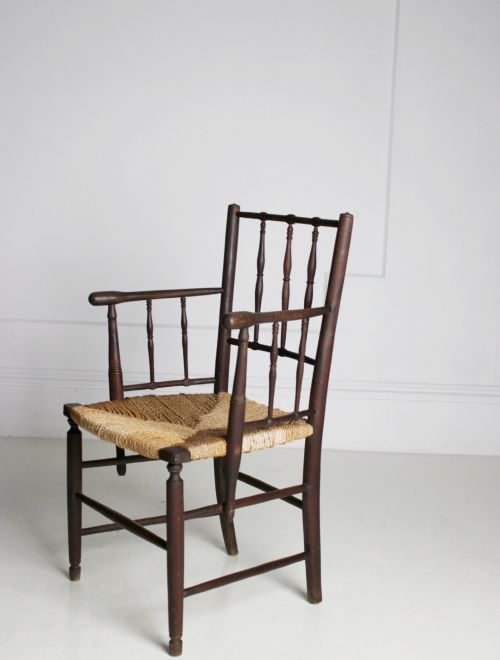
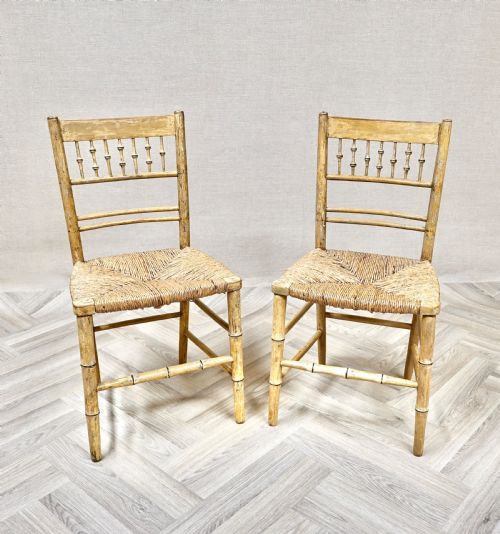
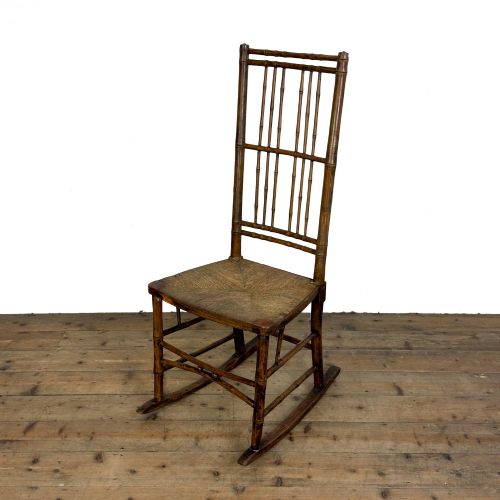
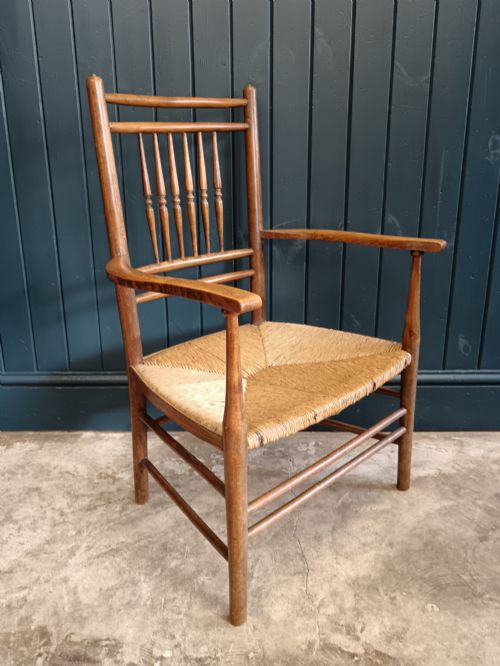
When you search for a victorian rush seat chair, you encounter sturdy country ladderbacks, spindlebacks, and iconic Arts and Crafts models designed for everyday utility. These pieces originate from vernacular traditions across English counties, rural workshops, and progressive London firms alike.
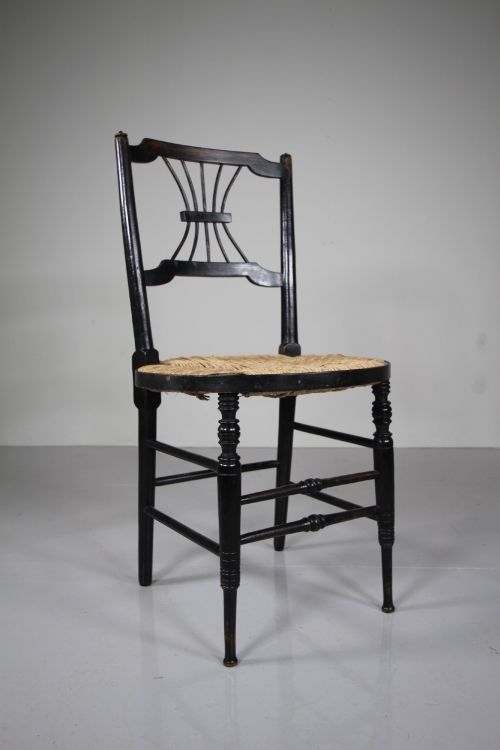
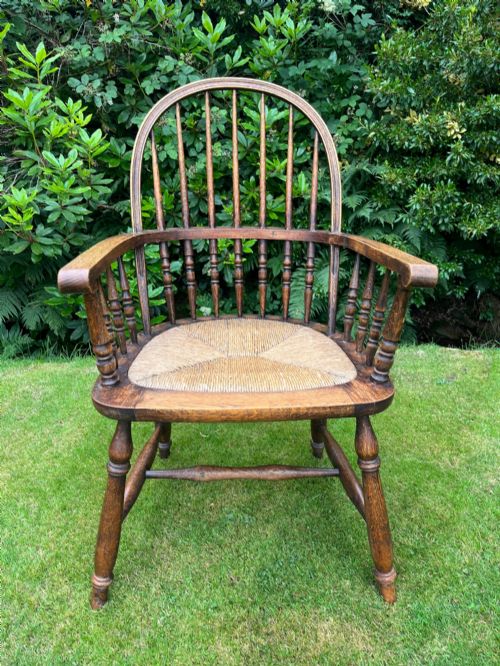
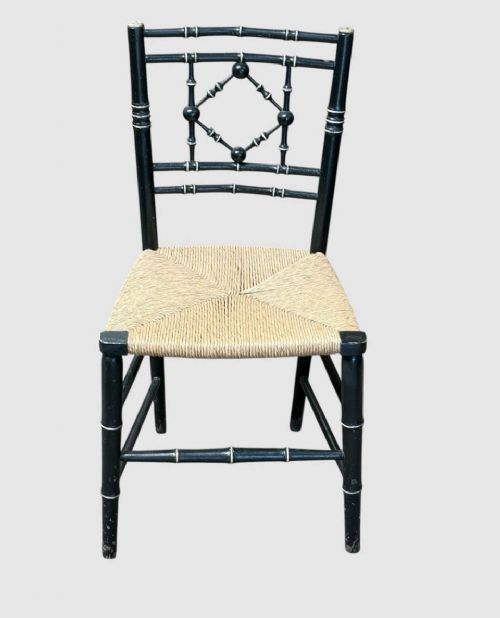
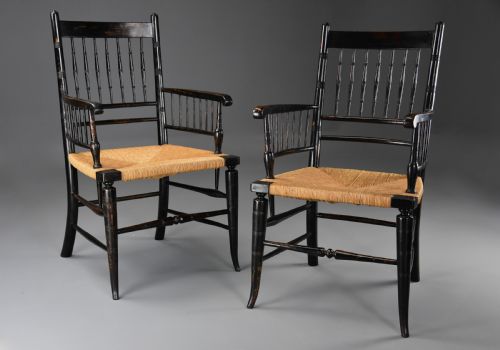
The versions most common on this page range from simple elm and ash farmhouse singles to ebonised beech armchairs influenced by the Aesthetic Movement. Dining sets, rocking chairs, and individual fireside carvers frequently appear alongside institutional commissions.
Regional variations span from East Anglian ladderbacks to Lancashire kitchen armchairs and Lancashire spindlebacks. Makers utilised local timbers to create robust seating intended for hard domestic service.
Materials and construction
Frames are turned and shaped from native hardwoods such as ash, elm, beech, oak, and alder, frequently joined with traditional pegging. Selected models feature ebonised wood or painted finishes to emulate more expensive japanned furniture.
Seats are woven by hand using natural dried rush or occasionally seagrass, wrapped tightly around sturdy wooden rungs to form a resilient supportive surface.
Victorian Rush Seat Chair Retail Price Guide 2026
Typical asking prices for victorian rush seat chair among the pieces listed under this phrase on Sellingantiques today, from the lower quarter to the upper quarter. They describe what is for sale here now, not the wider market.
The inventory records vernacular country ladderbacks alongside marked institutional seating from St Paul's Cathedral.
What separates examples
The distinction between standard utility seating and exceptional pieces lies in the crispness of the wood turning and the tightness of the rush weave. Finer versions demonstrate balanced proportions, elegant spindle arrangements, and well-preserved original surface finishes.
Attribution to notable designers or workshops elevates certain pieces beyond standard vernacular production. Condition of the woven seating and structural integrity of the timber frame also dictate the standing of individual examples.
William Morris·Philip Webb·Philip Clissett·E W Godwin·Ford Madox Brown·Morris and Co
The Victorian Rush Seat Chair Glossary
- Rush
- Dried marsh grass woven tightly to form resilient chair seats. It provides a natural texture that feels smooth and supportive.
- Ladderback
- A chair back featuring horizontal arched rails between two upright posts. This traditional vernacular design dates back centuries.
- Spindleback
- A chair back constructed with multiple slender turned wooden rods. It offers lightweight strength and visual grace.
- Ebonised
- Timber treated with stain or paint to imitate polished ebony. This dark finish was popular during the Victorian period.
- Vernacular
- Everyday objects built by local craftspeople using regional traditions and native materials rather than high academic styles.
Victorian Rush Seat Chair: Frequently Asked Questions
How do I clean a rush seat?
Dust the woven surface gently with a soft brush or vacuum attachment on low power. Avoid using excessive water, as moisture causes dried marsh grass to weaken and snap over time.
For stubborn marks, wipe lightly with a barely damp cloth and dry immediately. Keep these chairs away from damp environments to preserve the natural fibres.
Are these chairs comfortable for daily use?
Woven rush yields slightly to body weight, offering surprising ergonomic comfort during meals or reading. The sturdy timber frames provide solid back support.
Many people use them daily around dining tables or as fireside chairs. Adding a loose linen pad can increase comfort during longer sittings.
How do I date a rush seated chair?
Examine the timber turning marks, tool impressions, and assembly methods used in the frame construction. Hand-turned components and pegged joints usually indicate nineteenth-century or earlier vernacular production.
Compare the design details against documented examples from specific regional traditions or known Victorian makers. Wood shrinkage and patina also offer clues to age.
Can a damaged rush seat be repaired?
Skilled craftspeople can completely re-weave damaged or broken rush seats using traditional materials and techniques. The underlying wooden frame remains intact while the seating surface is renewed.
Professional re-weaving restores both the visual harmony and the structural integrity of the chair. This maintenance ensures the piece continues to function for decades.