

Antique Kitchen Armchair
An antique kitchen armchair brings sturdy regional character to a home, offering tactile woods and honest vernacular design built for daily domestic use.

Antique Kitchen Armchair
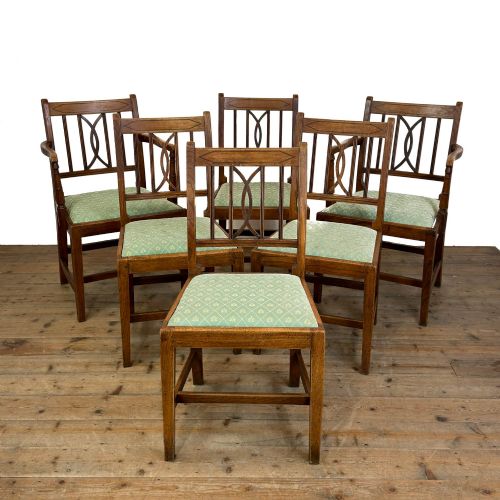
When searching for an antique kitchen armchair, a buyer encounters robust seating shaped by nineteenth-century country makers for heavy domestic use. The listings on this page span the Victorian and Edwardian eras, alongside pieces dated from the mid-nineteenth century up to the nineteen-twenties.
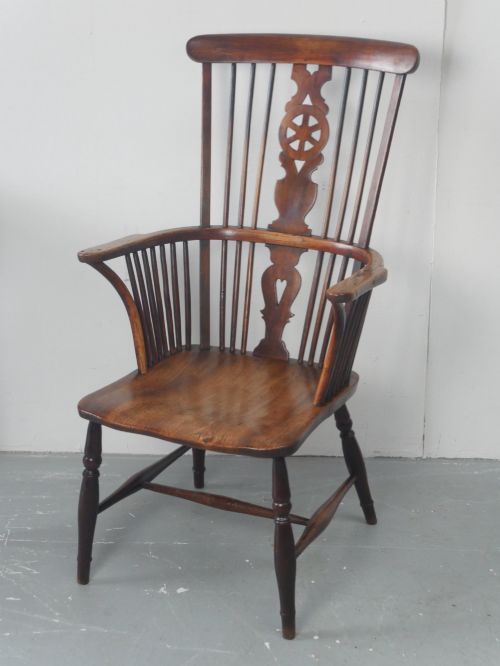
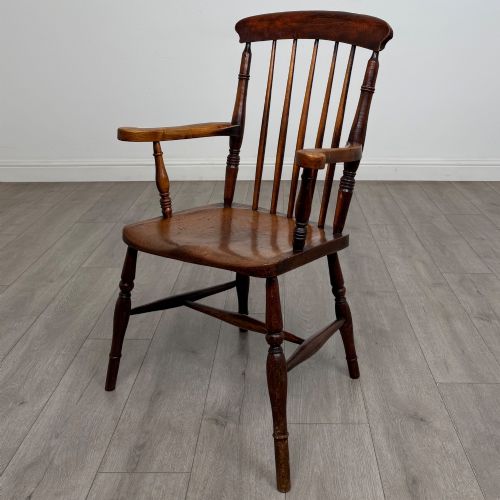
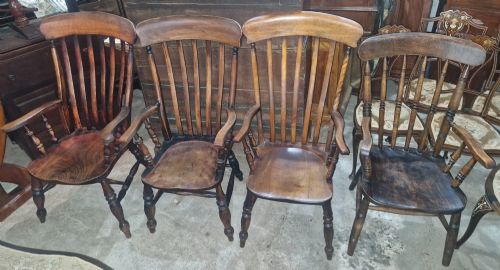
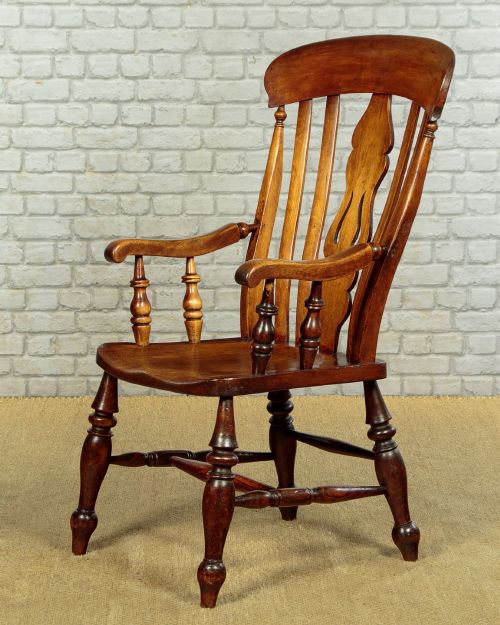
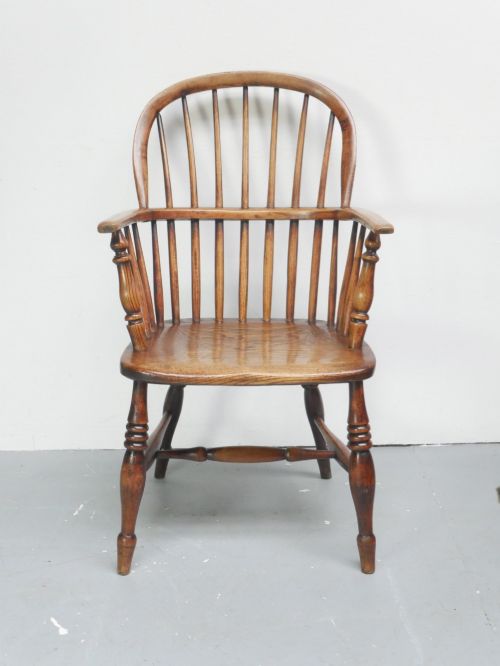
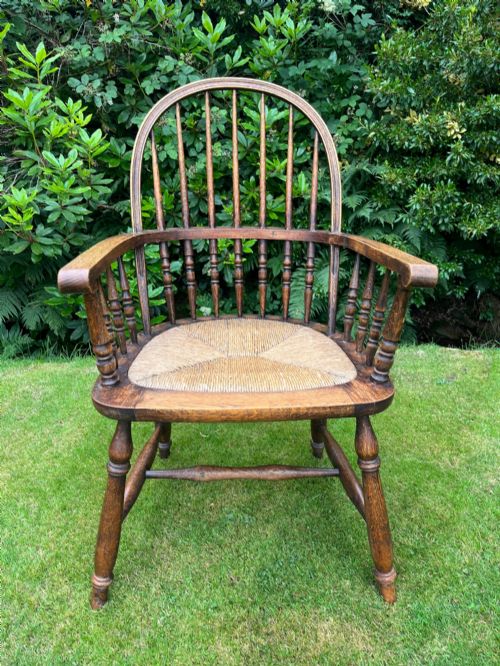
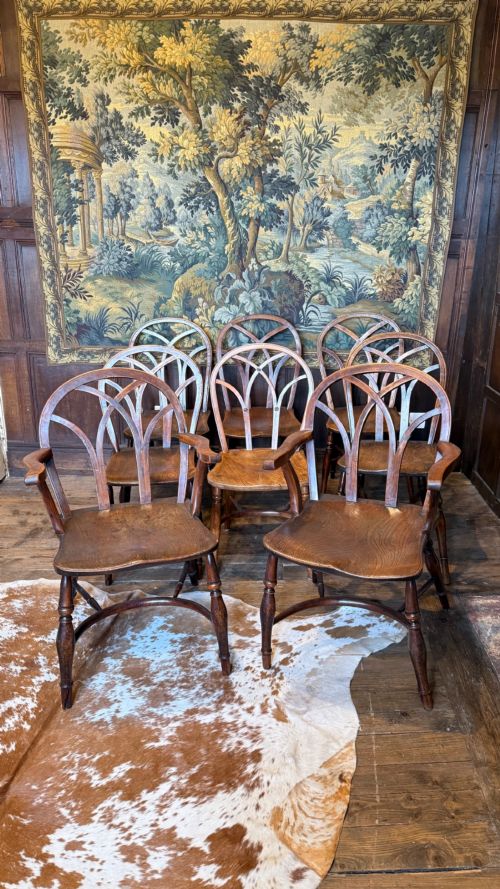
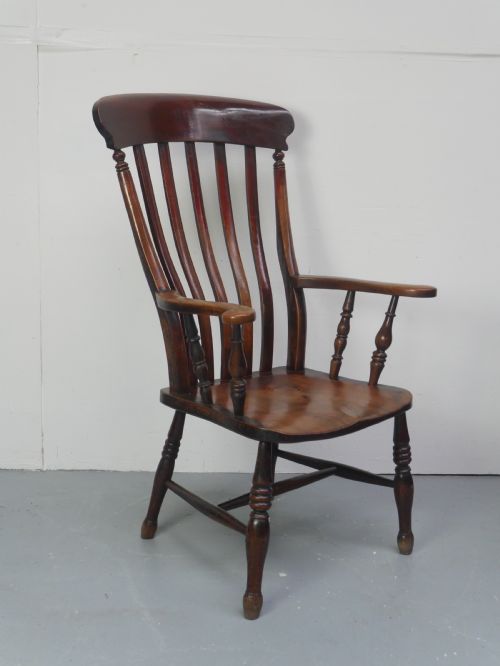
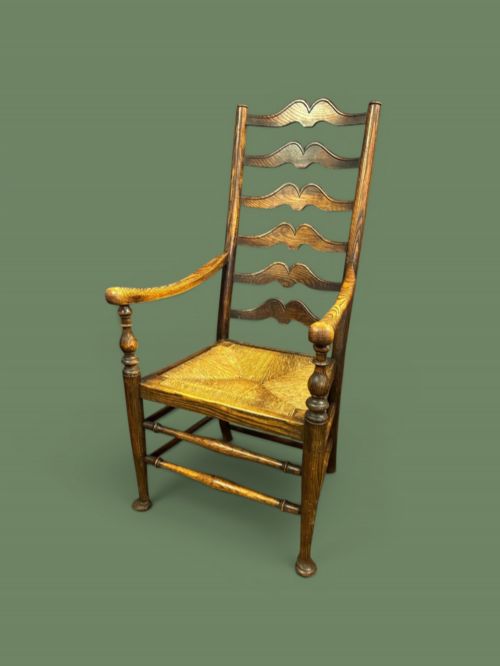
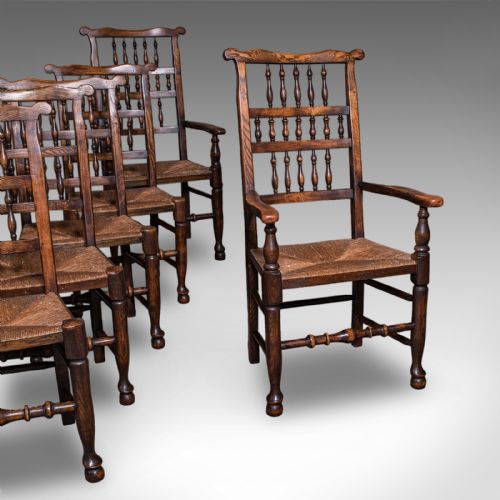
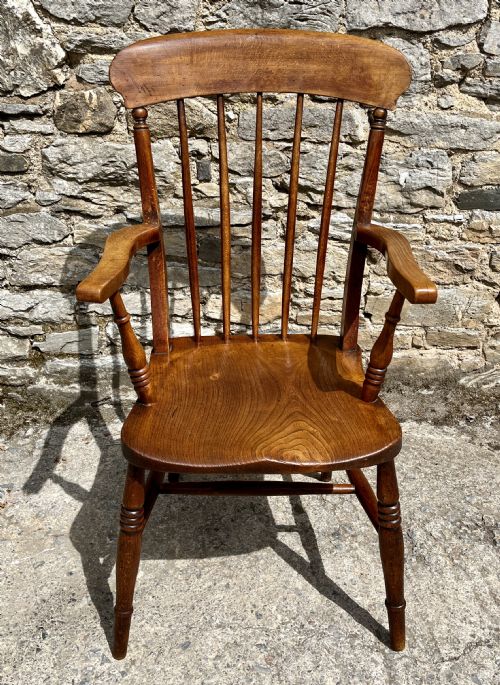
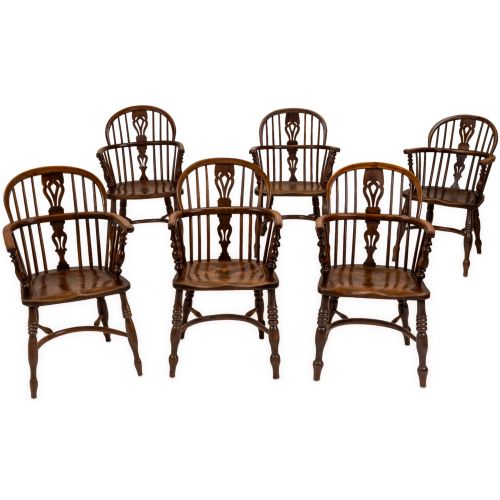
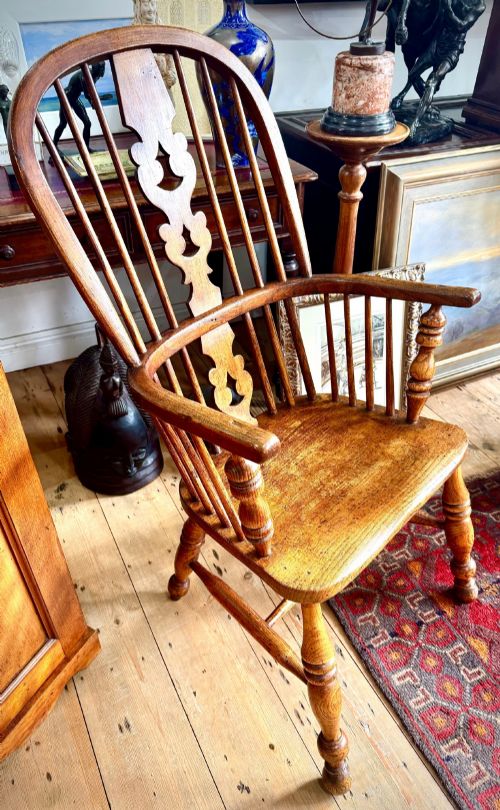
The dominant form across the archive and current listings is the Windsor chair, alongside ladderbacks and Lancashire spindlebacks. These utilitarian armchairs frequently feature elm seats combined with ash, beech, or oak frameworks, reflecting local timber availability in rural workshops.
Materials and Construction
Traditional makers built these chairs using mixed woods selected for specific structural demands, pairing thick solid elm seats with flexible ash or beech for spindles and steam-bent bows. This combination of dense hardwood seats with resilient turned legs and back rails provided the necessary strength for constant movement.
Joinery relied on traditional methods including bodged seating construction, where turned legs and spindles were wedged directly into bored holes within the saddle-shaped elm seat base. Additional bracing such as crinoline stretchers added rigidity to the underframe without requiring complex metal fixings.
Antique Kitchen Armchair Retail Price Guide 2026
Typical asking prices for kitchen armchair among the pieces listed under this phrase on Sellingantiques today, from the lower quarter to the upper quarter. They describe what is for sale here now, not the wider market.
Listings feature nineteenth-century and Edwardian examples constructed primarily from elm, ash, beech, and oak.
Quality and Proportion
Superior examples distinguish themselves through generous seat proportions, particularly the deep, thick-adzed elm saddles that provide comfort and visual weight. The balance of the turned spindles and the elegance of the steam-bent back rail also separate standard utility seating from finer regional craftsmanship.
Original surface preservation heavily influences the standing of an individual piece, with untouched patination and honest wear outranking heavily stripped or over-restored timber. The integrity of the wedged joints and the retention of matching components within sets further define the better specimens.
The Antique Kitchen Armchair Glossary
- Windsor chair
- A wooden chair constructed with a thick solid timber seat into which the legs and back spindles are directly tenoned. These regional classics formed the backbone of rural kitchen seating.
- Crinoline stretcher
- A curved underframe joining the legs of a chair together for extra stability. This hoop-shaped stretcher is frequently found on earlier Windsor armchairs.
- Wheelback
- A Windsor chair variation featuring a pierced splat carved or shaped in the outline of a cartwheel. This decorative motif became popular during the nineteenth century.
- Spindleback
- A chair back constructed from a series of thin turned wooden uprights rather than a solid central splat. This design allowed for lighter yet durable framing.
- Adzed seat
- A wooden seat shaped by hand using an adze to create a comfortable, scooped depression. This traditional technique leaves subtle tool marks across the elm surface.
Antique Kitchen Armchair: Frequently Asked Questions
What woods were used for kitchen armchairs?
Maker workshops utilised native hardwoods depending on regional availability and structural needs. Elm was preferred for carved, solid seats due to its resistance to splitting.
Ash, beech, and oak were commonly employed for the turned legs, arms, and back spindles because of their strength and flexibility.
Were these chairs made for dining rooms?
While modern homes often place them around dining tables, these sturdy armchairs were originally built for general utility use in farmhouses and cottages. They served as primary seating by the hearth or for daily kitchen tasks.
Their robust construction meant they moved easily between different rooms as needed.
How do I care for antique elm and ash?
Keep wooden kitchen seating away from direct heat sources and dramatic humidity shifts to prevent the timber from drying out or splitting. Natural waxes applied sparingly help maintain the surface texture.
Avoid aggressive cleaning agents that strip away the aged patination accumulated over generations of domestic use.