




Country Wooden Carver
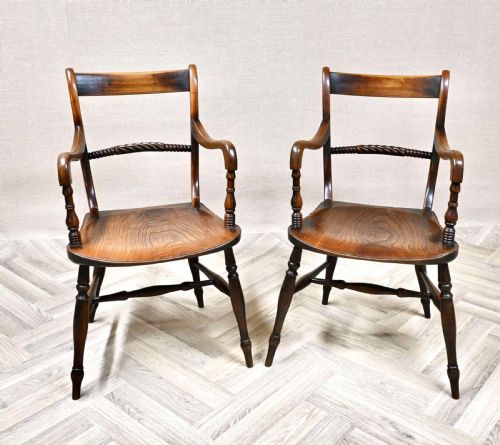
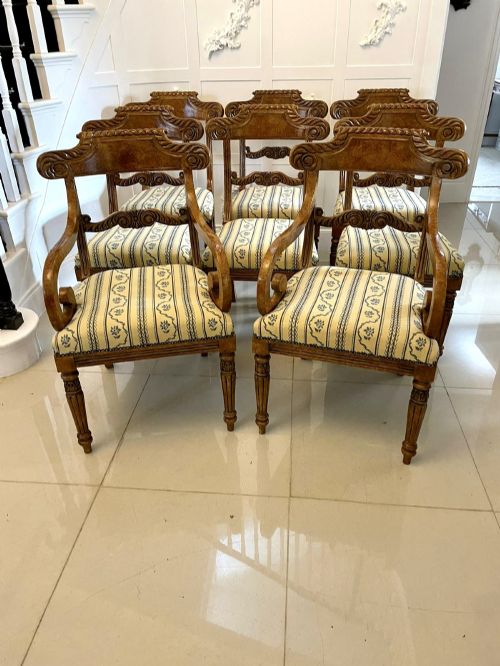
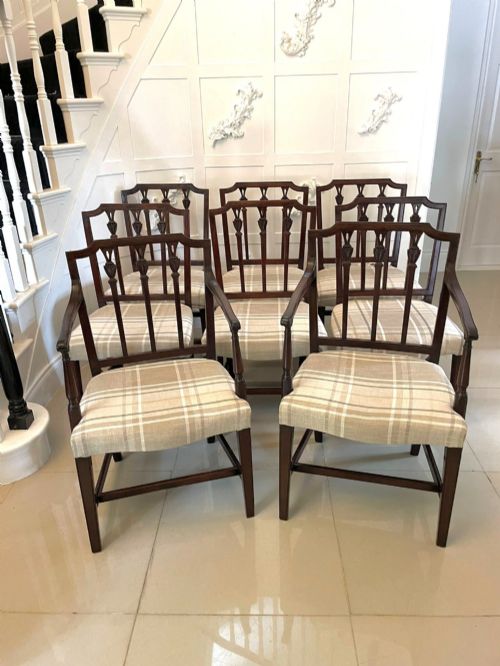
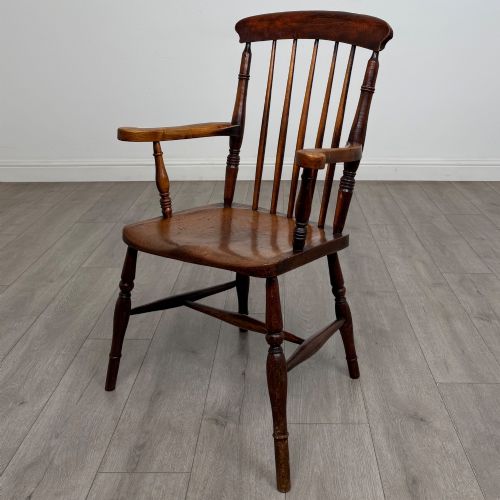
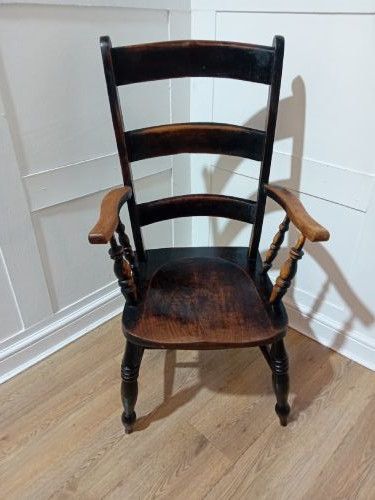
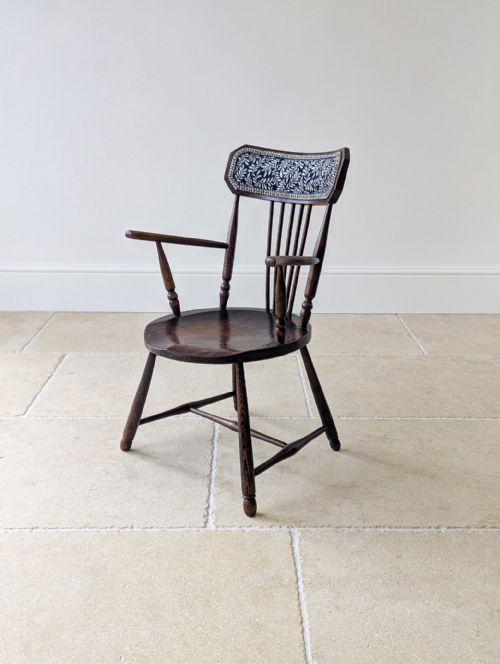
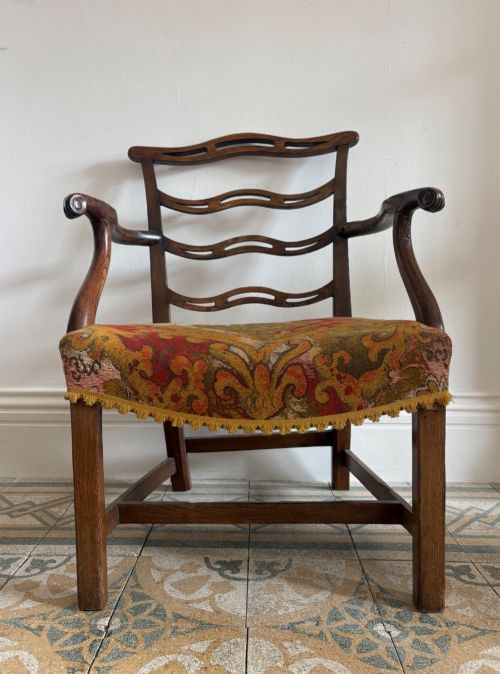
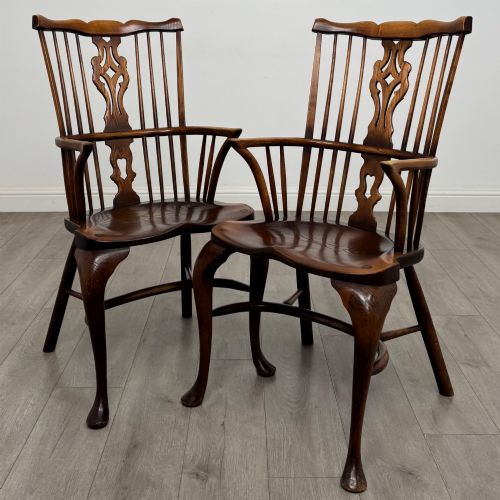
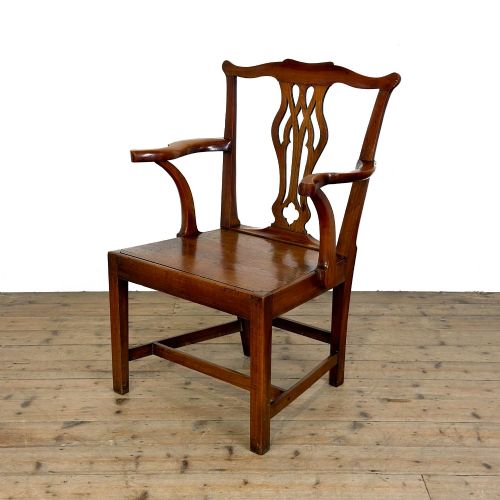
These country wooden carver chairs bring tactile honesty and rugged vernacular design into any interior.
Country Wooden Carver
A country wooden carver represents the robust tradition of regional seating, designed for everyday utility in farmhouses, cottages, and provincial homes. When you search for a country wooden carver, you encounter sturdy armchairs shaped by local craftsmen rather than metropolitan workshops.
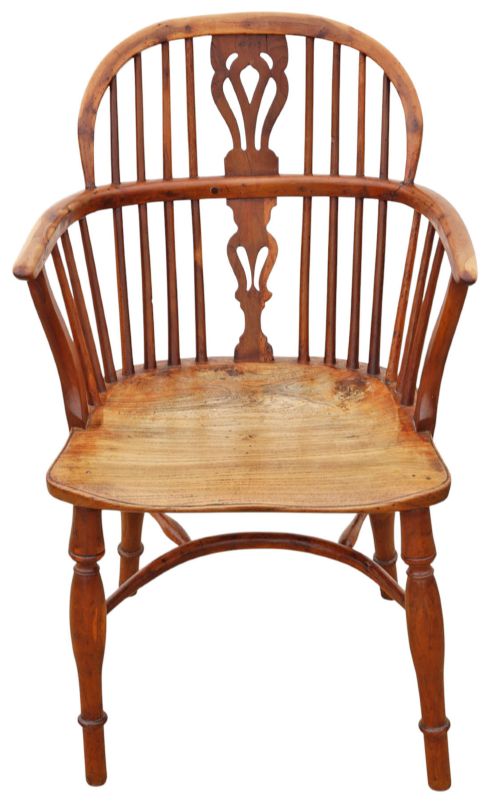
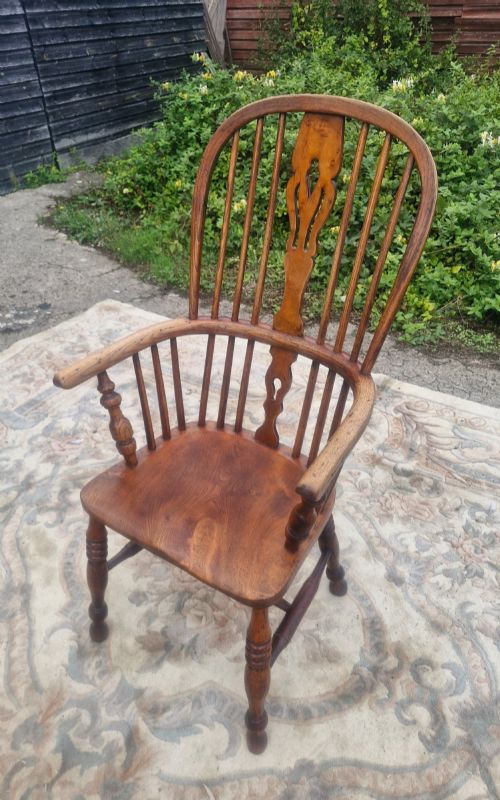
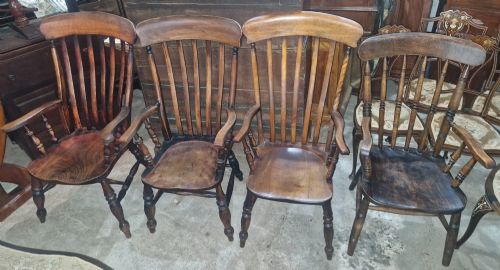
The selections available here lean heavily toward traditional Windsor armchairs alongside ladderback and stick back forms. These pieces span periods from the eighteenth century through the Victorian era and into the early twentieth century.
Makers utilised native timbers to construct armchairs with comb backs, hoop backs, and wheel backs. The resulting seats combine solid plank construction with steam-bent arms and spindles tailored for domestic comfort.
Materials and Construction Methods
Makers selected timbers based on their specific mechanical properties, pairing resilient woods to withstand heavy daily use. Elm frequently provided a tough, splitting-resistant seat board, while ash, beech, and oak formed sturdy legs, spindles, and bows.
Green woodworking techniques allowed craftsmen to shape unseasoned timber using drawknives and shaving horses. As the wood dried around tenons and wedged joints, the framework locked together with remarkable structural integrity.
Combinations of yew, fruitwood, laburnum, and rush added regional character and textural contrast. Seats were often saddled or scooped by hand to create an ergonomic curve before being secured with exposed through-wedges.
Distinctions in Quality
Quality rests upon the harmony of the timber selection and the retention of original surface patination. Chairs built with contrasting woods like yew and elm often display superior figure and richer colour than uniform pine or beech examples.
Structural honesty and minimal replacement parts determine the standing of an individual piece. Retaining original wedged joints, unclipped spindle tops, and authentic surface finishes marks the difference between a sound vernacular survival and a heavily restored compromise.
Philip Clissett
The Country Wooden Carver Glossary
- Windsor chair
- A chair built with a solid wooden seat into which the legs and back spindles are directly socketed. This form developed strong regional variations across English counties.
- Vernacular
- Objects designed by unacademic local makers fulfilling practical domestic needs using available materials. These pieces prioritize function and regional tradition over high-style academic design.
- Rush seat
- A seating surface woven from dried marsh rushes twisted into cords. This traditional method provides a resilient and slightly yielding platform for ladderback chairs.
- Carver
- An armchair traditionally placed at the head of a dining table or utilised as a principal fireside seat. The term distinguishes the armed chair from simpler side chairs.
Country Wooden Carver: Frequently Asked Questions
What is a country wooden carver?
A country wooden carver is a sturdy armchair produced outside metropolitan centres, utilising native timbers like elm, ash, and beech.
These chairs served practical roles in kitchens, farmhouses, and country houses, combining robust joinery with regional aesthetic traditions.
How do I date a wooden armchair?
Dating relies on observing tool marks, timber combinations, assembly techniques, and wear patterns across the seat and undercarriage. Eighteenth-century examples often display broader saddle seats and aged patination compared to later Victorian iterations.
Subtle shifts in crest rail profiles and spindle thicknesses also help assign pieces to specific periods like the Georgian era or the late nineteenth century.
Where were these chairs used?
These armchairs were primarily positioned around farmhouse dining tables, in kitchens, or beside cottage hearths. Their generous proportions and sturdy armrests provided comfortable seating for daily domestic labour and relaxation.
As primary chairs in the household, they occupied central spaces in communal rooms.
How do I care for antique wood?
Maintain antique wooden surfaces by keeping them away from direct heat sources and rapid humidity fluctuations. Feeding the timber occasionally with appropriate beeswax helps preserve the natural lustre and historical patination.
Avoid aggressive modern cleaning agents that strip away accumulated layers of character.