
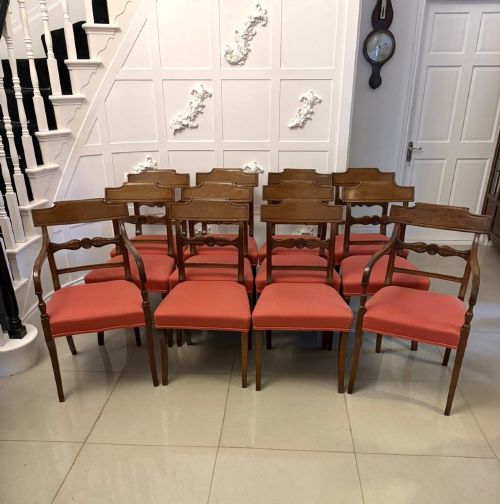
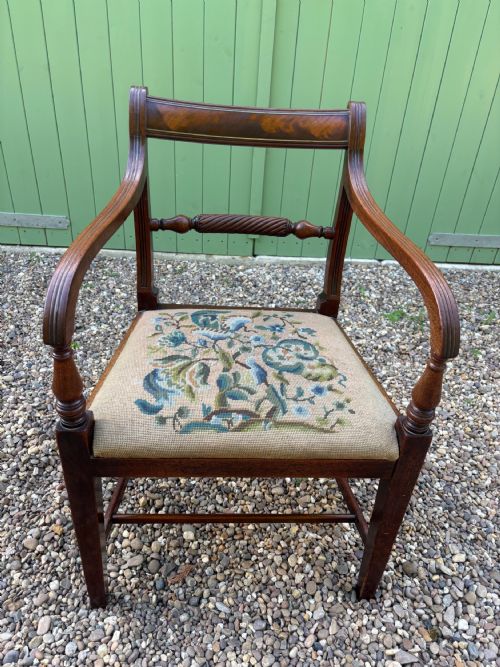
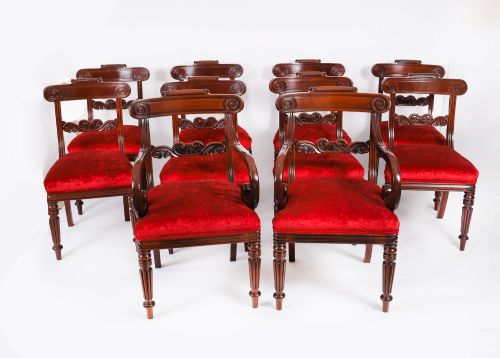
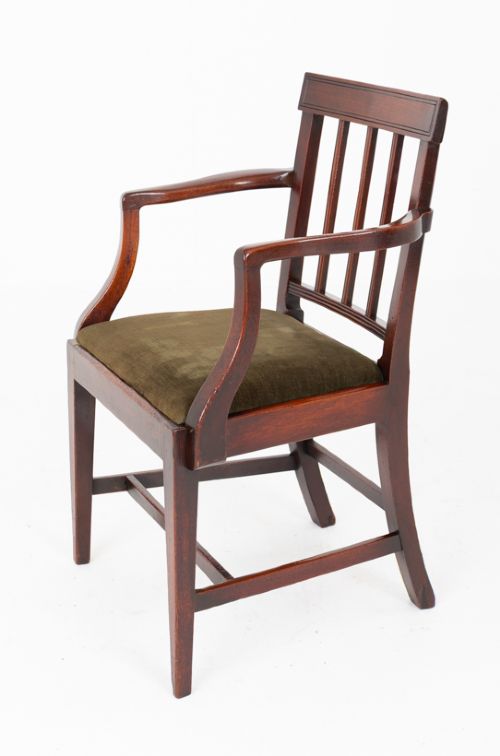
Regency Wooden Carver Chair
A regency wooden carver chair brings architectural line and generous elbow room to a room, rooted in the refined tastes of the early nineteenth century.
Regency Wooden Carver Chair
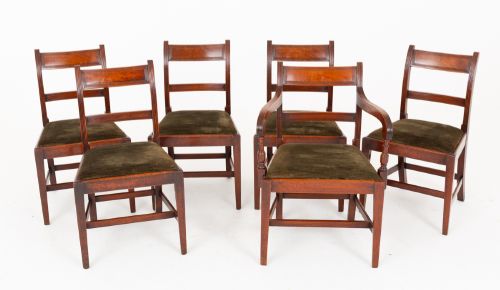
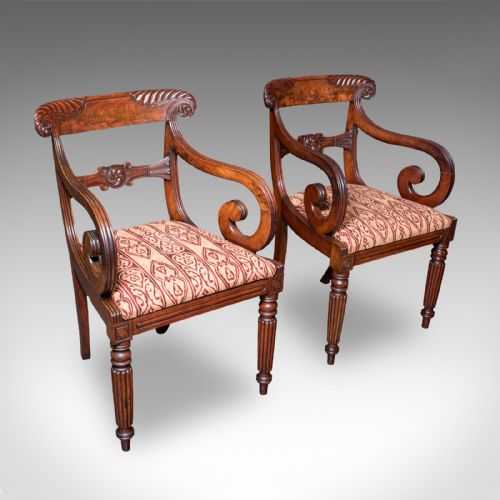
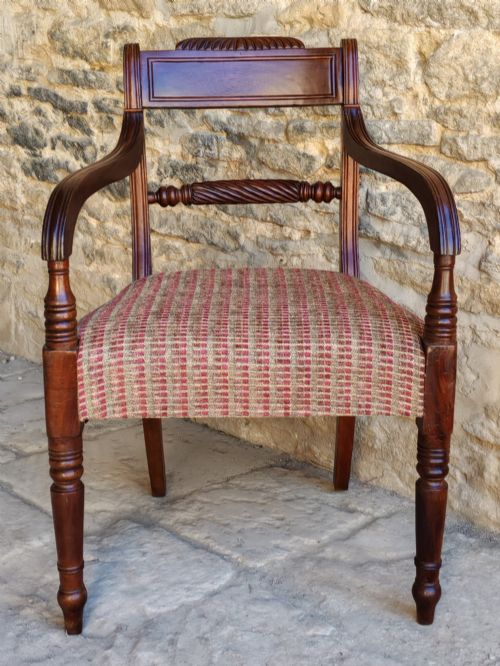
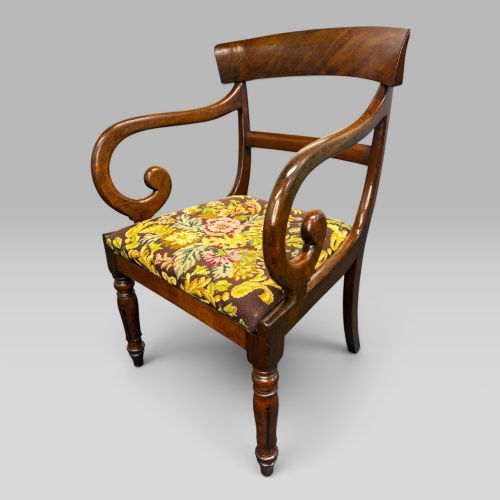
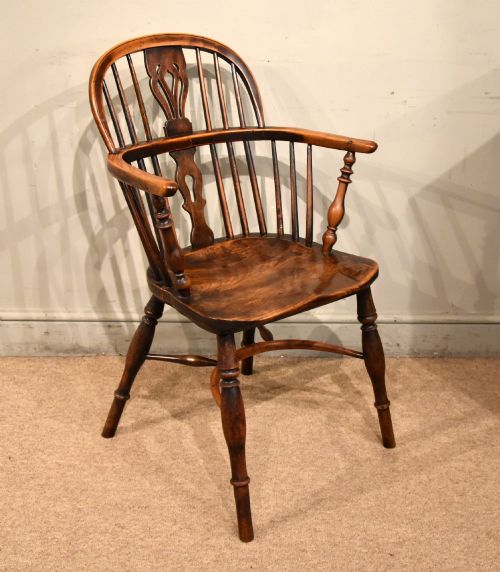
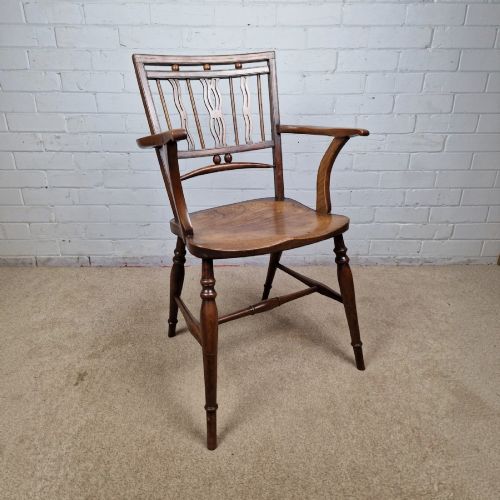
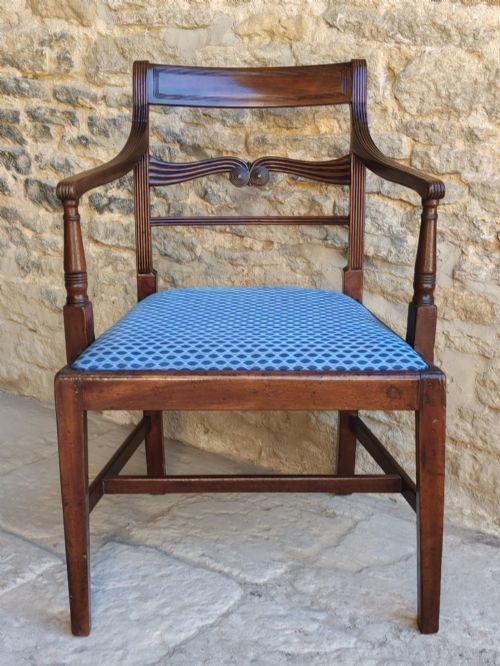
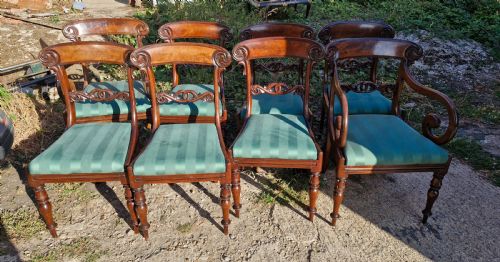
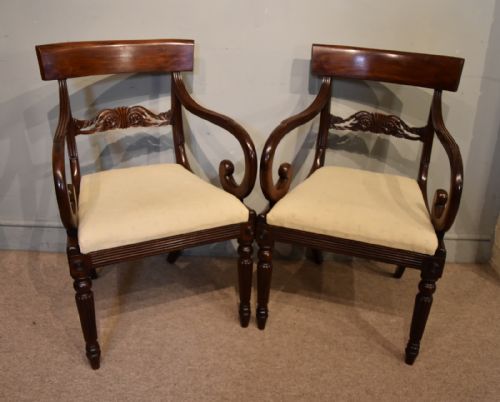
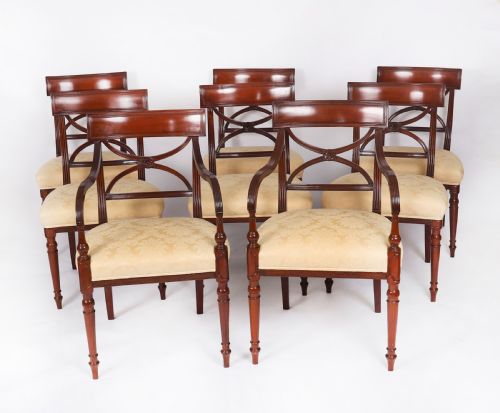
A regency wooden carver chair stands apart from standard dining seats through its wider frame and supporting armrests, designed originally for the heads of a dining table. When exploring a regency wooden carver chair, buyers encounter pieces from the broader Georgian, Regency, and William IV periods, alongside later echoes up to the early twentieth century.
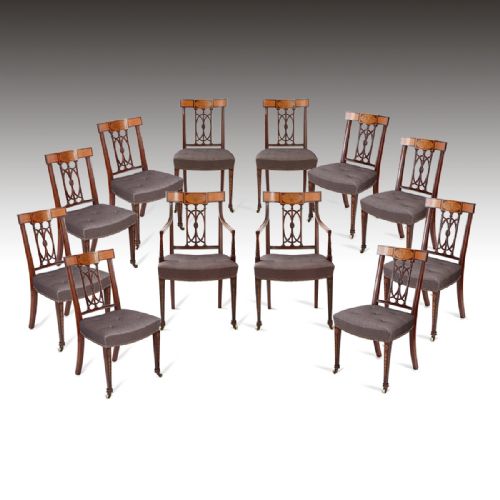
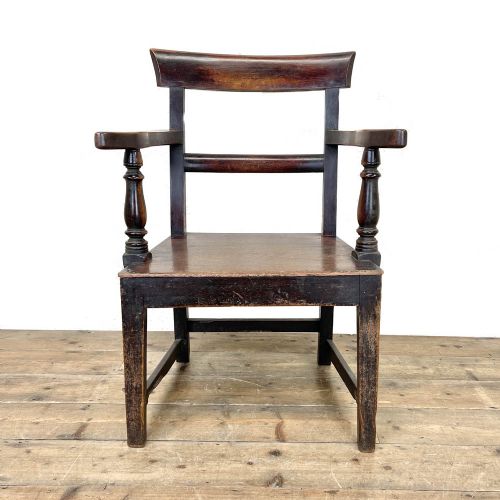
Mahogany dominates the selection, though fruitwood, elm, and yew versions appear in regional Windsor and country forms. These seats often arrive either as single survivors or as the carver counterparts extracted from larger dining sets.
Makers of the period utilised classical architectural motifs, translating ancient Greek and Roman forms into domestic seating. The resulting chairs balance formal dignity with the practical need for a comfortable seat during long evening gatherings.
Materials and construction methods
Cabinetmakers relied heavily on dense tropical hardwoods like mahogany for urban commissions, while rural bodgers turned to resilient native timbers such as elm, yew, and fruitwood for Windsor frameworks. Timber selection dictated the eventual strength of slender components like curved backs and tapered legs.
Joinery techniques combined traditional mortise and tenon joints with steam-bending for continuous arm bows and curved crest rails. Brass accents occasionally reinforced stress points or decorated sabre legs, while drop-in or upholstered seats used webbing and horsehair stuffing beneath fabric.
Some rural carvers bear the distinct tooth marks of domestic pets from two centuries ago gnawed into the lower stretchers.
Distinctions in craftsmanship
The degree of refinement in carved details and the choice of primary timber define the tier of a piece. Fine urban examples feature crisply executed reeding, brass inlay, and meticulously turned woodwork, whereas provincial pieces prioritise rustic utility and sturdy local timbers.
Originality of the frame construction and the survival of surface patination elevate a piece above altered or heavily restored equivalents. Structural integrity in the arms and joints remains paramount, reflecting the heavier physical demands placed upon an armchair compared to a single chair.
The Regency Wooden Carver Chair Glossary
- Carver chair
- An armchair designed to match a set of single dining chairs, typically placed at the head of the table. These pieces feature integrated armrests to accommodate the principal diner.
- Elbow chair
- An alternative term for an armchair, often used historically to describe seating with low armrests intended for parlour or morning room use. It shares the same structural purpose as a carver.
- Windsor chair
- A wooden seating form constructed with a solid saddled wooden seat into which the legs and back spindles are wedged directly. Regional variants often incorporate distinct loop backs or crinoline stretchers.
- Ropeback
- A chair back featuring carved decoration resembling a twisted rope, characteristic of the classical revival tastes seen in late Georgian and Regency design. This motif adds texture to the upper rail.
- Sabre leg
- A concave, outwardly curving leg tapering towards the foot, inspired by ancient Greek klismos furniture. This form provides both stability and a sense of dynamic movement.
Regency Wooden Carver Chair: Frequently Asked Questions
How do I distinguish a genuine Regency carver from a later copy?
Examine the construction methods, timber patination, and tool marks hidden beneath the seat or along the joinery. Authentic pieces show period-appropriate hand-cut joints and timber ageing consistent with the early nineteenth century.
Later reproductions often use modern fixings or machine-sawn components that lack the subtle irregularities of handmade furniture.
Were carvers always sold in pairs?
Carvers were traditionally produced as part of a larger suite of dining chairs, usually numbering one or two per set to sit at the table ends. Finding them as single items today is common due to the dispersal of large dining sets over time.
Pairs frequently survive when they were commissioned for specific parlour or drawing room use rather than formal dining.
What is the difference between a carver and an armchair?
In historical furniture terminology, the two terms often overlap, though carver specifically denotes a dining chair with arms designed to match a set of single chairs. Armchairs generally encompass a wider variety of seating types, including upholstered morning room and library chairs.
Both provide the elevated comfort of armrests, but carvers are scaled specifically for dining table clearance.
How should I care for a mahogany carver in a modern home?
Keep wooden furniture away from direct heat sources and rapid humidity fluctuations to prevent the timber from splitting or joints from loosening. Regular dusting with a soft, dry cloth preserves the natural wax finish without building up heavy chemical residues.
Avoid placing antique seating in direct sunlight, which can fade the rich reddish-brown tones characteristic of aged mahogany.