
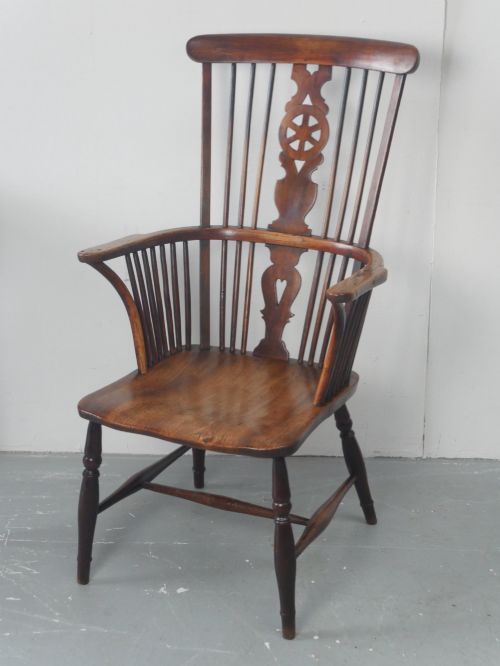
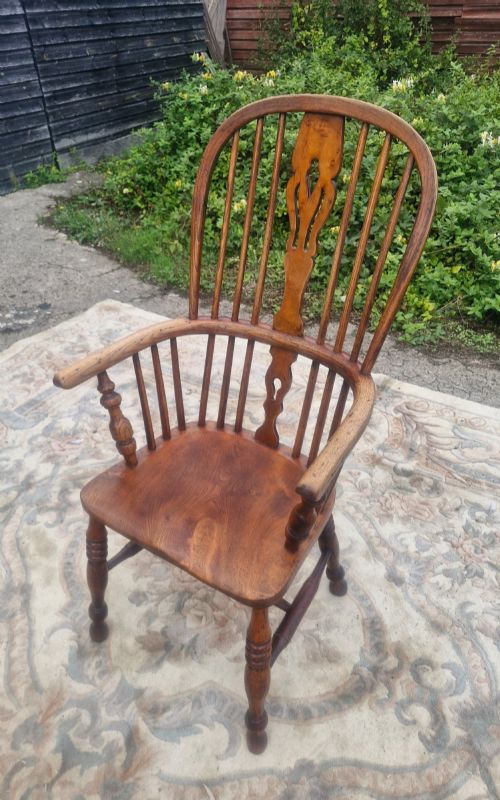
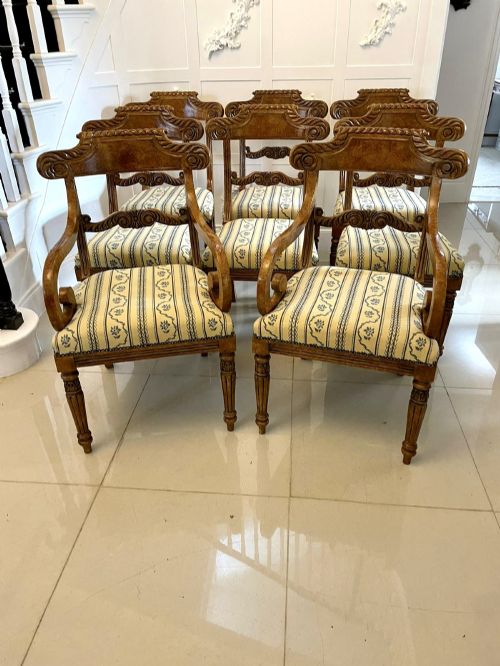
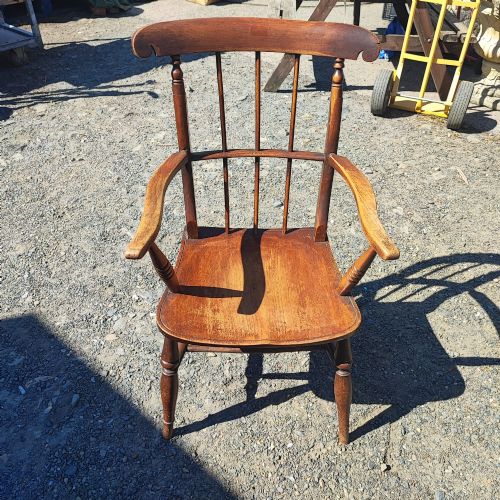
Turned Leg Carver Chair
A turned leg carver chair is a substantial seating form designed with armrests and distinct turned supports, prized for combining structural strength with everyday utility.
What They Are
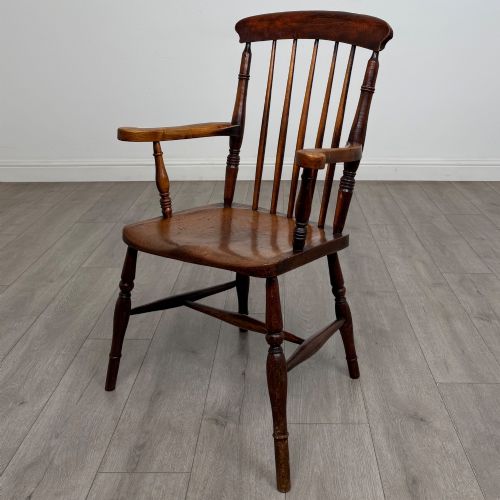
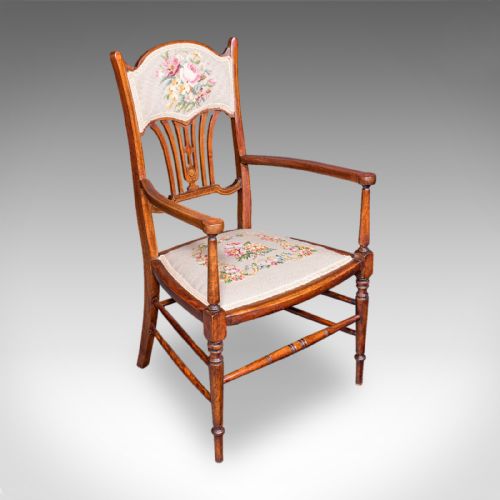
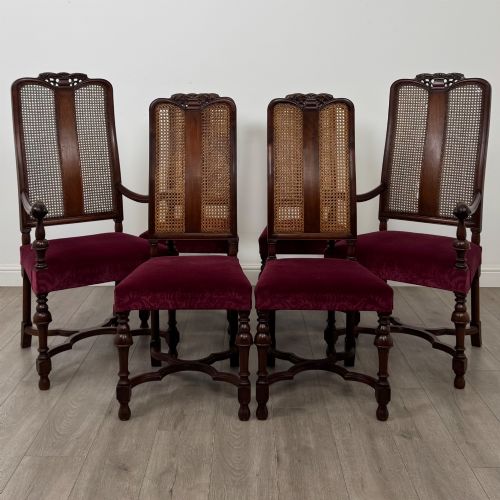
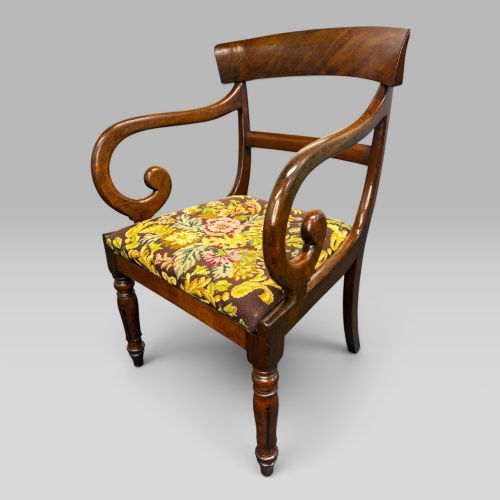
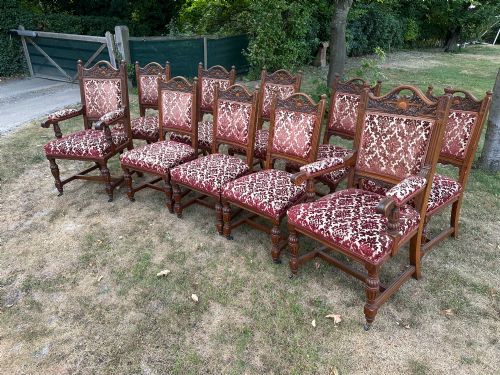
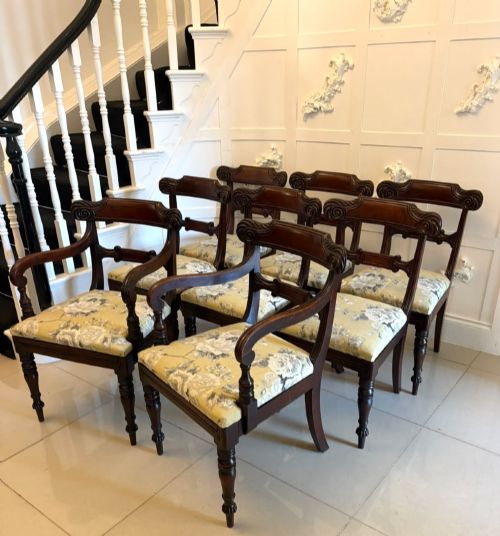
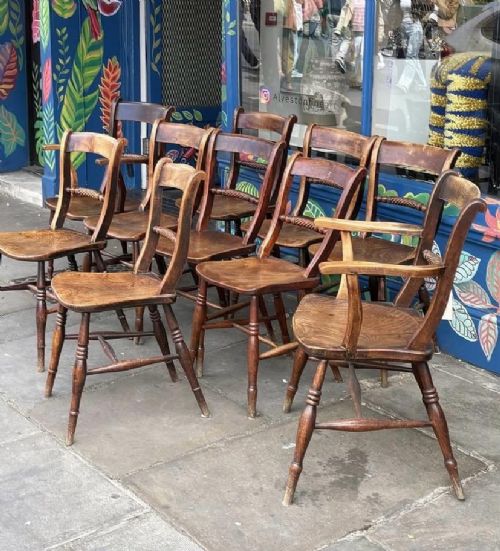
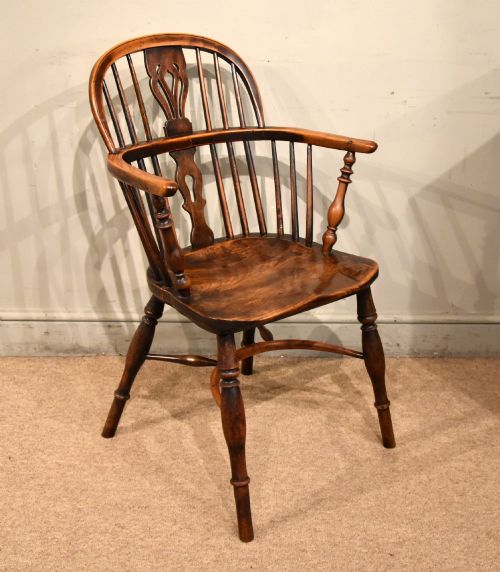
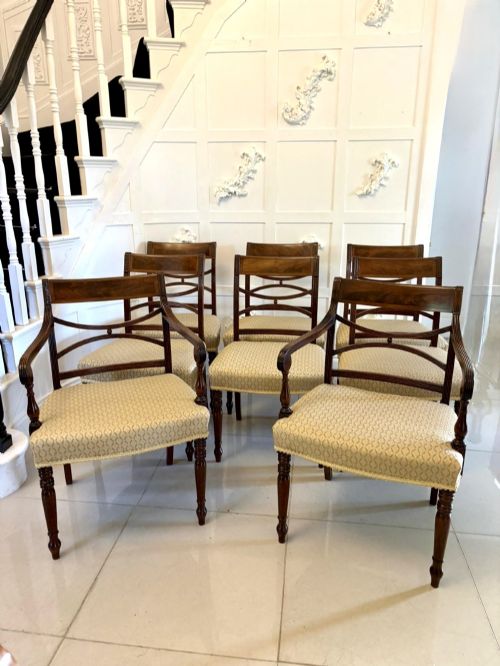
When you search for a turned leg carver chair, you encounter a variety of substantial seating forms featuring armrests and distinct turned supports. The inventory spans the nineteenth century, including Victorian examples and the year 1900, with origins ranging from English country workshops to Swedish design.
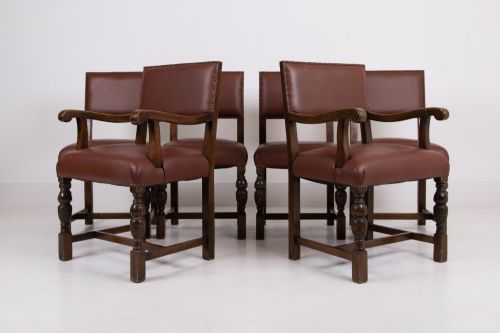
The objects appear in forms such as armchairs, carver chairs, desk chairs, farmhouse armchairs, elbow chairs, and bar back carver chairs. These pieces serve multiple domestic functions, operating as desk seats, fireside armchairs, and dining carvers.
How They Were Made
Maker construction methods rely on turning timber on a lathe to shape the legs and supports, combining hardwoods and softwoods such as elm, fruitwood, mahogany, oak, and yew. Joinery incorporates turned components alongside traditional framing to build durable armchairs.
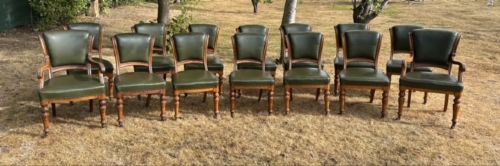
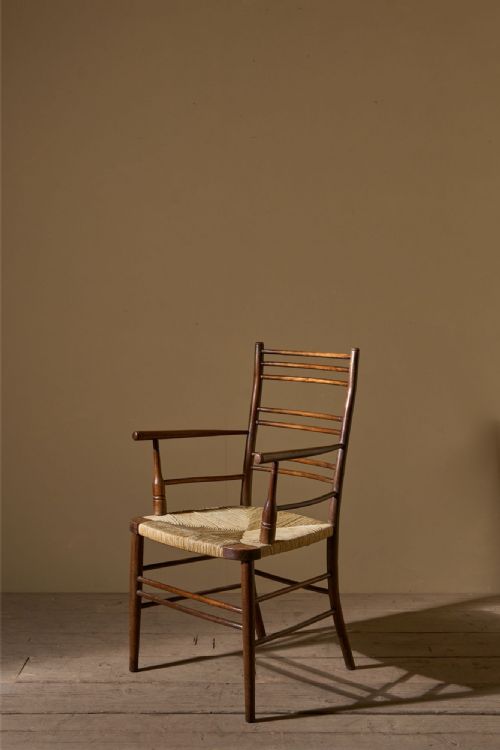
Individual pieces integrate specialised materials for comfort and function, utilising rush seating, studded padded leather, and brass details. Artisans also shaped solid wood seats and carved scroll arms to complete the structures.
Retail Price Guide 2026
Typical UK retail prices for turned leg carver chair, calculated from the Sellingantiques database of over a million retail prices indexed since 2003. This retail price guide relies exclusively on Sellingantiques data; no external sources or auction records are used, so the figures do not describe the wider market.
Some chairs sport spear-shaped splats, proving that even a nineteenth-century joiner enjoyed a sharp point.
What Varies in Quality
Quality differences emerge in the selection and combination of timber species, distinguishing straightforward utilitarian farmhouse builds from refined Victorian mahogany library or desk seating. The integration of materials like leather upholstery, rush seating, and brass accents elevates the sophistication of the construction.
The execution of turned woodwork defines the visual standard of each piece, separating standard production from skilled artisan craftsmanship. Proportions between the armrests, back supports, and turned legs dictate the overall harmony of the chair.
The Turned Leg Carver Chair Glossary
- Carver chair
- An armchair, traditionally placed at the head of a dining table or utilised as a desk chair. These pieces feature distinct armrests integrated into the primary frame.
- Elbow chair
- An alternative term for an armchair, indicating a seat with supportive arms for the user's elbows. Such chairs appear across various nineteenth-century styles.
- Rush seat
- A seating surface woven from dried marsh grasses, offering a traditional texture. This technique appears frequently on country chairs from the nineteenth century.
- Splat back
- A chair design incorporating a vertical central slat of wood in the backrest. Examples in the archive utilise spear-shaped splats within an Arts and Crafts framework.
- Box stretcher
- A system of horizontal rails connecting the lower legs of a chair on all four sides to increase rigidity. This structural element strengthens the underframe of heavy seating.
Frequently Asked Questions
What is a carver chair?
A carver chair is an armchair traditionally designed to sit at the head of a dining table or function as a desk seat. These pieces feature integrated armrests to provide additional support.
The form bridges the gap between standard dining seating and a full armchair, making it versatile for various domestic settings throughout the nineteenth century.
Where were these chairs used?
These chairs served multiple roles in the home, functioning as fireside seating, study chairs at desks, and head-of-table dining chairs. Their robust construction suited them for daily domestic life.
Farmhouses, libraries, and parlours all accommodated these armchairs depending on their specific timber and upholstery.
How do I live with one?
Living with a nineteenth-century carver chair involves placing it where its armrests and turned supports have adequate physical clearance. Pairing it with a desk or using it as an accent chair highlights its form.
Regular maintenance of materials like leather, rush, and polished wood ensures the chair remains stable and visually appealing in a modern interior.
How do I tell periods apart?
Distinguishing periods relies on observing stylistic markers, such as the heavier mahogany forms of the Victorian era versus the pared-back aesthetic of Arts and Crafts pieces. Materials also offer clues, with fruitwood and elm frequently pointing to country workshop traditions.
Examining the turning styles on the legs and the construction of the backrest helps place a piece within the nineteenth century.