



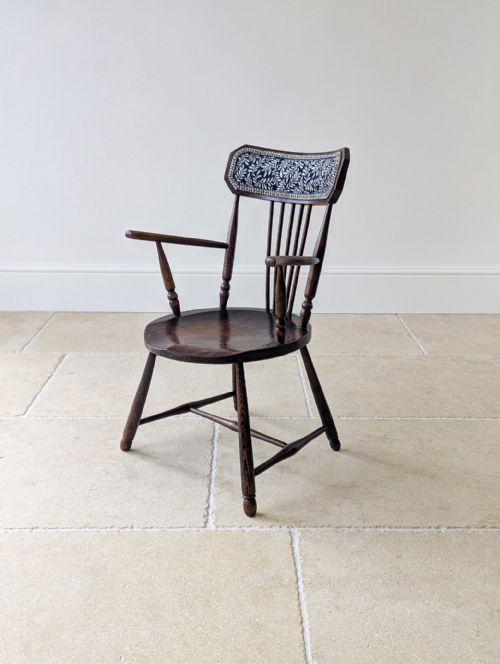
Traditional Desk Armchair
A traditional desk armchair offers sturdy seating for working at a table, combining period craftsmanship with practical comfort.
What a traditional desk armchair is
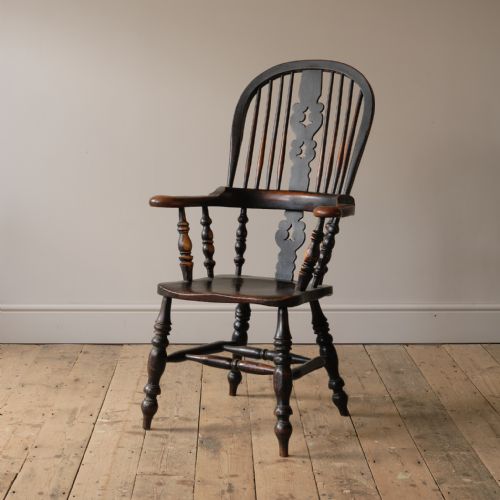
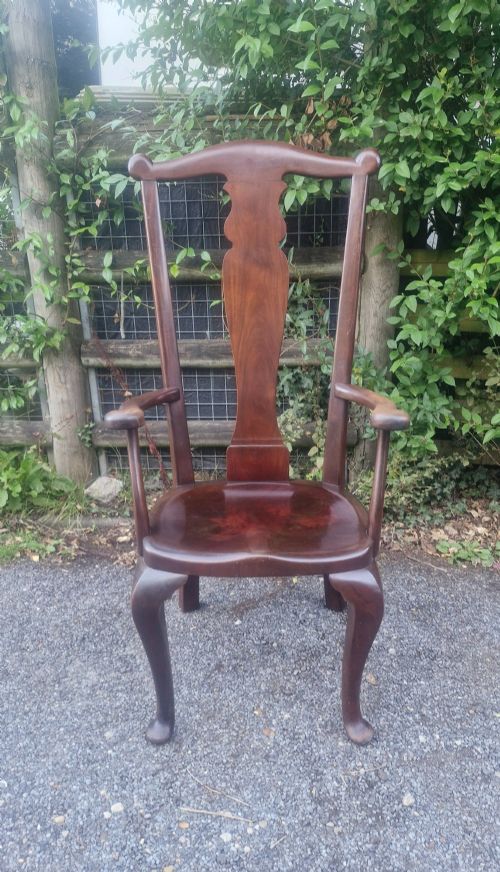
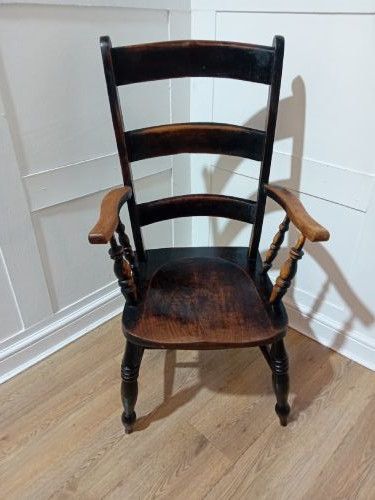
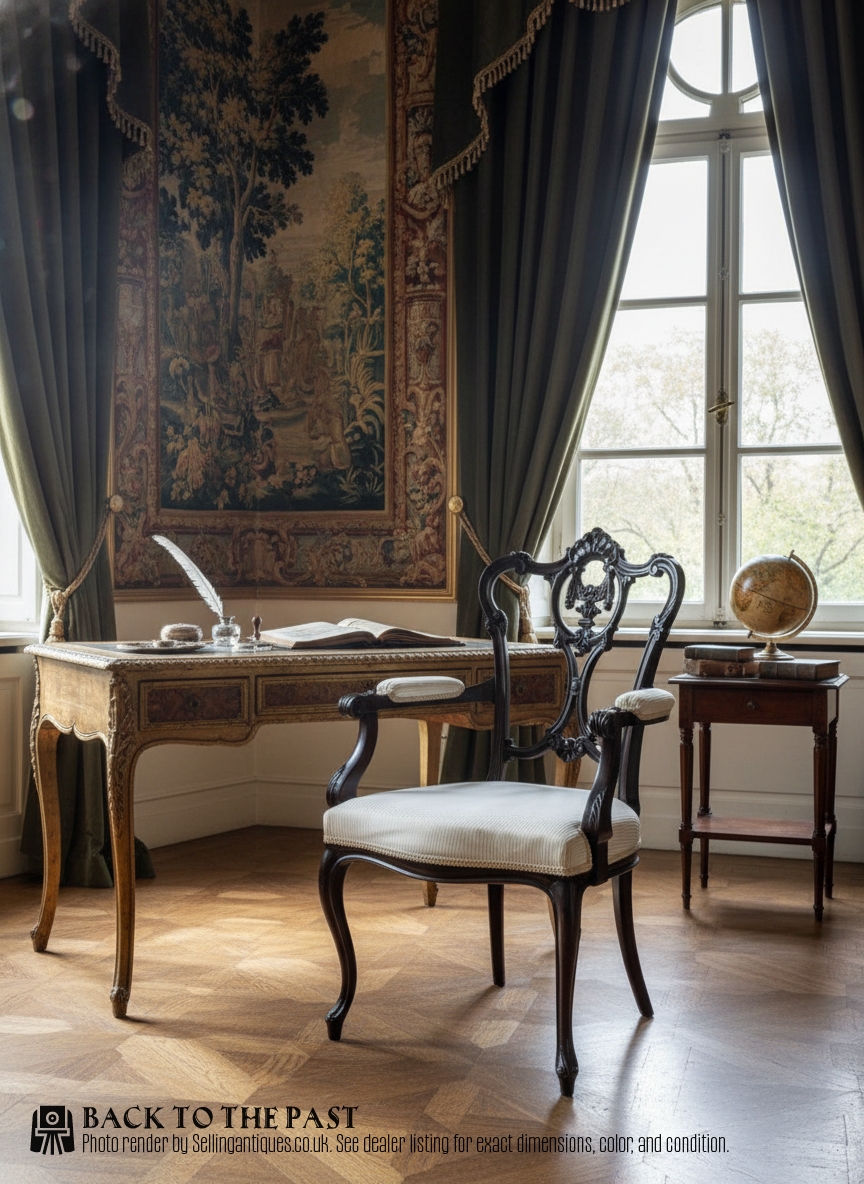
A traditional desk armchair provides a supportive seat for study and office work, shaped with arms to rest the elbows during writing. These pieces appear across several eras, including the Victorian and Edwardian periods.
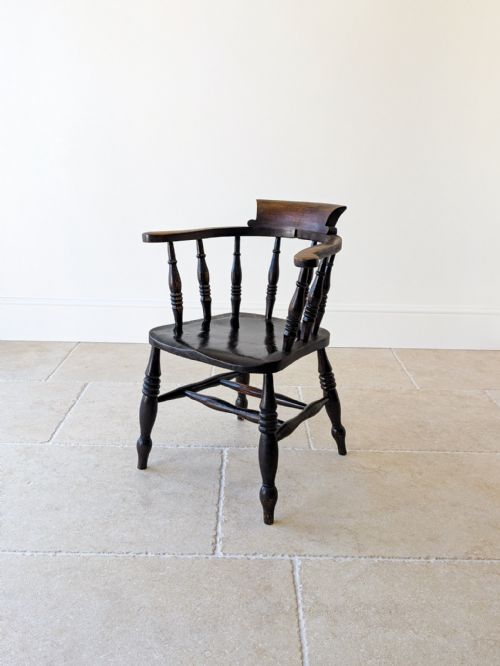
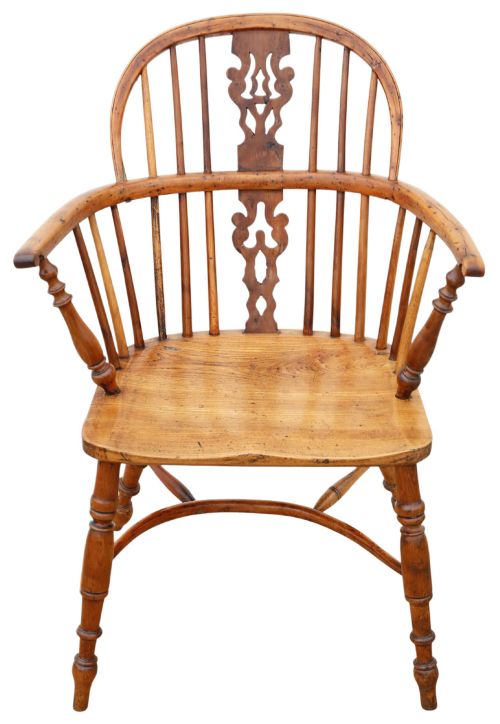
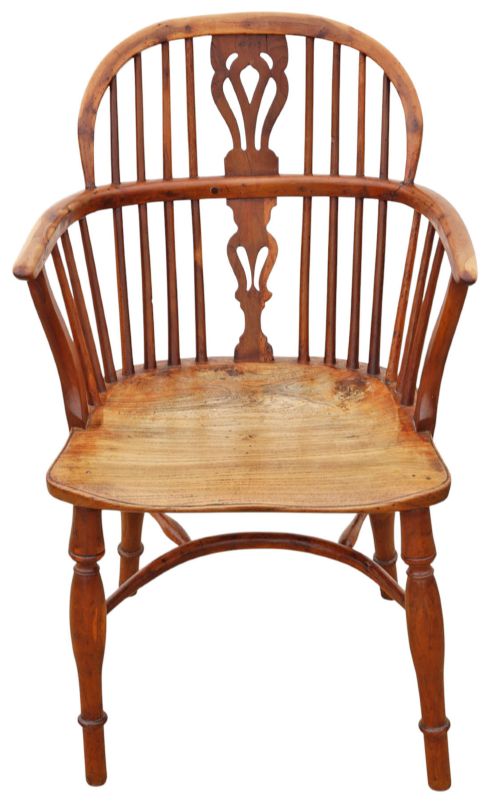
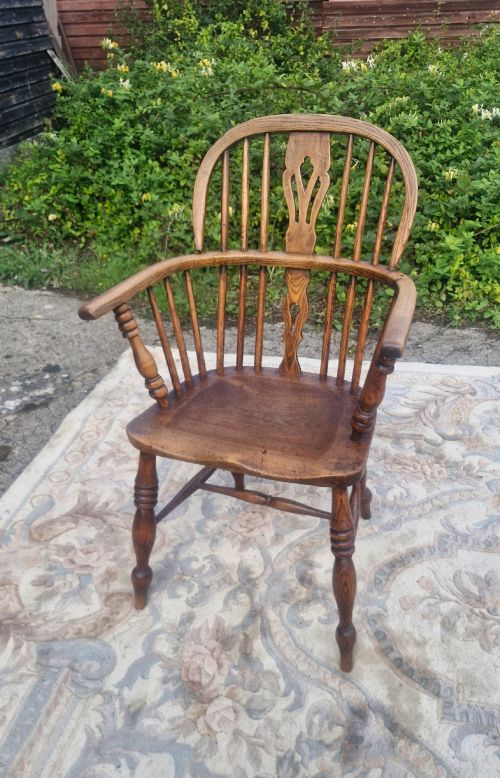
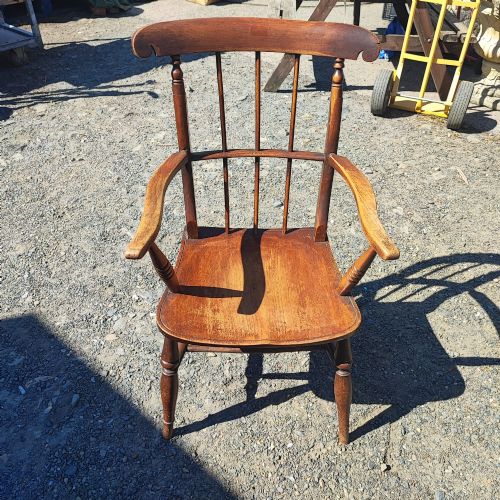
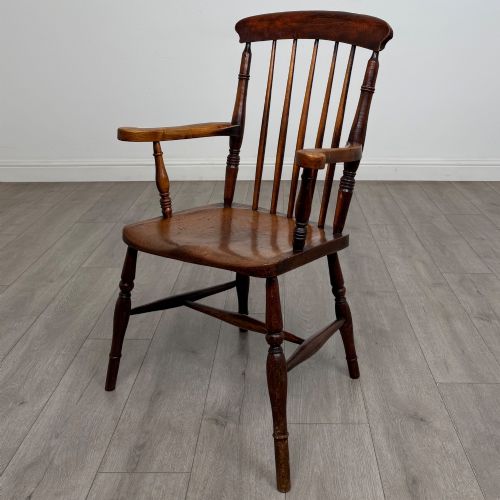
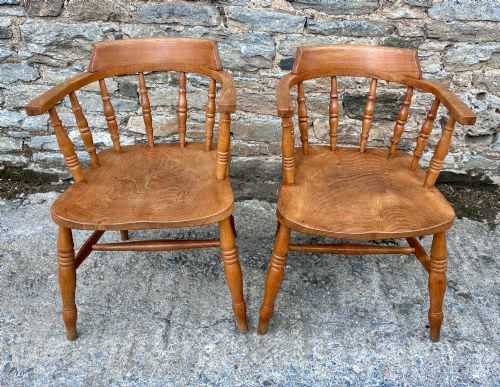
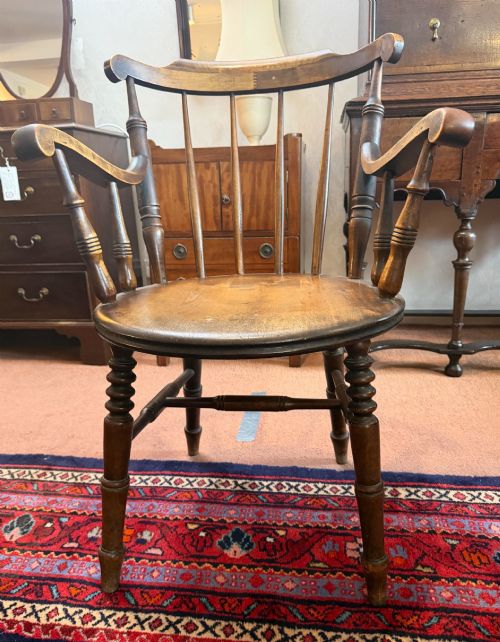
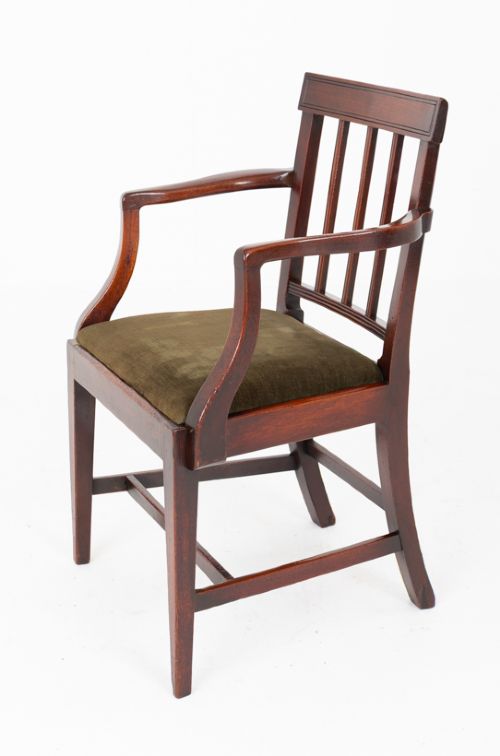
The forms found in these listings include carver chairs, elbow chairs, and revolving desk chairs. They originate from workshops producing both formal library seating and sturdy country variations.
Buyers seeking a traditional desk armchair will encounter variations in timber and upholstery, ranging from carved mahogany to elm and beech. Each version reflects the specific domestic or professional setting it was originally built to serve.
How they were made
Cabinet makers constructed these armchairs using solid woods such as mahogany, elm, and beech, often incorporating wood inlay for decorative contrast. Structural joints relied on traditional woodworking techniques to ensure daily durability.
Upholstered versions integrated materials like leather and fabric across the seat and backrest. Brass fittings frequently appeared on swivel and revolving models to facilitate movement and adjustment.
Retail Price Guide 2026
Typical UK retail prices for traditional desk armchair, calculated from the Sellingantiques database of over a million retail prices indexed since 2003. This retail price guide relies exclusively on Sellingantiques data; no external sources or auction records are used, so the figures do not describe the wider market.
What varies in quality
Quality in these armchairs rests upon the selection of timber and the depth of hand-carved detailing on the scroll arms and framework. Superior examples display refined proportions and tighter joinery that survive decades of heavy use.
The choice of covering material and the execution of the upholstery dictate the finish of the piece. Fine brass hardware and smooth revolving mechanisms distinguish the more sophisticated workspace seating from simpler utility chairs.

The Traditional Desk Armchair Glossary
- Elbow chair
- An alternative name for an armchair with shorter armrests that support the elbows. These chairs fit neatly beneath standard desk heights.
- Smokers bow
- A robust wooden armchair with a low, curved back rail and turned spindles, originating in country settings. It provides sturdy seating often adapted for office use.
- Mahogany
- A durable, reddish-brown tropical hardwood favoured for fine cabinet making. It takes a high polish and resists warping over time.
- Revolving desk chair
- A swivelling seat designed for office work, allowing the user to turn easily between different parts of a workspace.
Frequently Asked Questions
How do I date these armchairs?
Dating relies on examining the timber, the style of the carving, and construction methods. Victorian pieces often feature heavy mahogany and ornate scrollwork, while Edwardian examples can be lighter in form.
Reference to specific periods in the description, such as eighteen-eighty or nineteen-ten, helps narrow down the decade of manufacture. Hardware like brass fittings on revolving models also points to the technological limits of the era.
Were these chairs used only in offices?
No, many of these armchairs originated in domestic libraries, studies, or parlours rather than commercial offices. Versatile forms like the elm smokers bow served multiple roles around the home before becoming associated with workspaces.
Carver chairs and elbow chairs were frequently pulled up to writing tables in private homes. Their robust construction suited both reading and general household use.
How should I care for wooden desk armchairs?
Keep wooden frames clean using a soft, dry cloth to remove dust and avoid placing the furniture in direct sunlight. Conditioning leather upholstery with appropriate specialist balms helps prevent drying and cracking.
Check brass revolving mechanisms periodically to ensure smooth movement without forcing the pivot. Maintaining stable room humidity protects both the timber and any integrated wood inlay.